
As the calendar turns to 2026, the social networking landscape finds itself at a pivotal crossroads. For Meetup, the world’s leading platform for local community building, 2025 served as a year of profound architectural and aesthetic transformation. Having spent the last twelve months optimizing for reliability, efficiency, and user experience, the company is now pivoting toward a ambitious three-pronged roadmap designed to redefine how humans connect in an increasingly digital world.
The State of the Union: Reflecting on a Transformative 2025
The past year was defined by a commitment to the "user-first" philosophy. Recognizing that the friction of digital event management can often deter potential community leaders, Meetup rolled out a suite of technical enhancements aimed at streamlining the organizer experience.
Among the most notable additions were the implementation of public group reviews, a feature designed to foster trust and transparency within the ecosystem. Furthermore, the ability for organizers to provide direct responses to reviews created a new feedback loop, allowing for better accountability and community moderation. On the technical side, the integration of automatic events in Google Calendar removed a common point of frustration for busy members, ensuring that scheduling conflicts become a thing of the past.
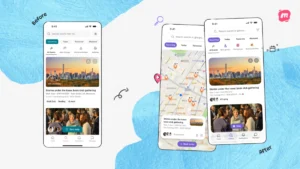
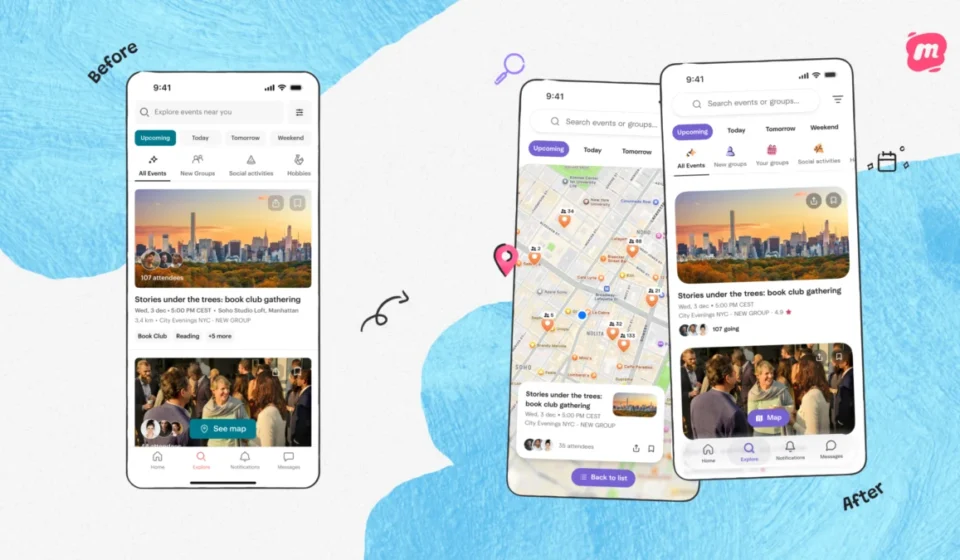
These iterative updates were not merely cosmetic; they were preparatory steps for the massive infrastructure overhaul that culminated on December 18, 2025, with the launch of the platform’s most significant mobile redesign in nearly a decade.
A Chronology of Change: From Web to Mobile
The transition to a modernized Meetup experience did not happen overnight. The product team approached the redesign with a dual focus: maintaining the platform’s core identity while stripping away legacy UI constraints that hindered modern navigation.
- Q3 2025: Meetup initiated the rollout of its updated aesthetic on the web. The goal was to provide a "more human" interface, utilizing softer palettes and more intuitive content hierarchies.
- October 2025: The new web experience went live, signaling the first phase of a broader visual language overhaul.
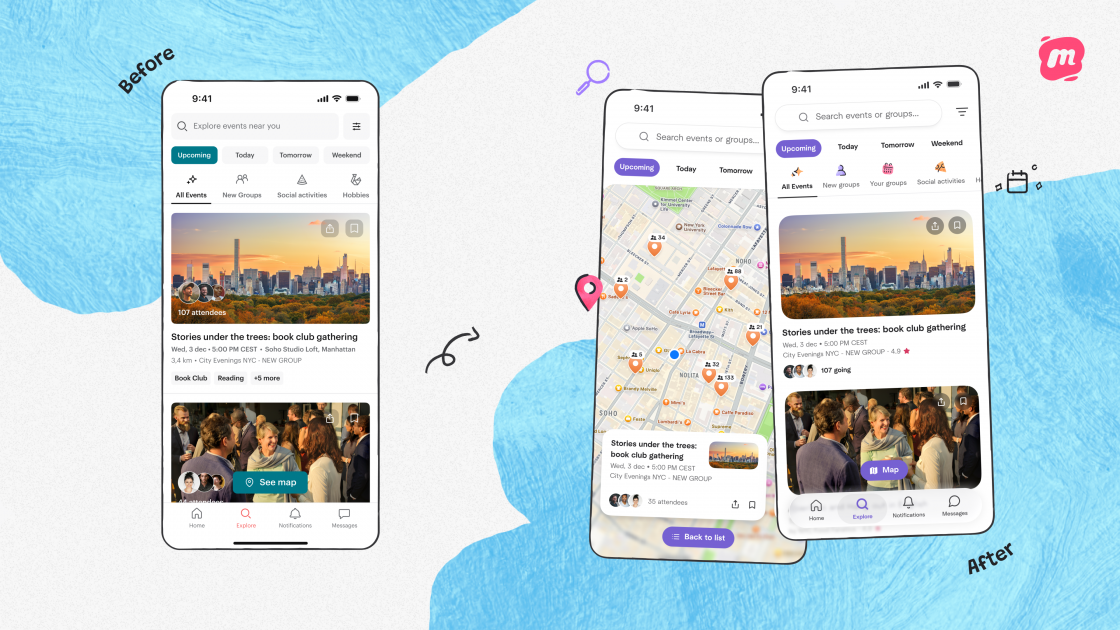
- December 18, 2025: The culmination of these efforts, the "Modern Mobile Experience," was officially pushed to all users. This update unified the user experience across devices, ensuring that the transition from laptop to smartphone is seamless.
This shift was driven by data showing that a significant percentage of users interact with Meetup exclusively while "on the go," necessitating a mobile interface that is as robust as its desktop counterpart.
The 2026 Roadmap: Three Strategic Pillars
With the foundational redesign now behind them, the leadership team at Meetup has outlined three primary initiatives that will dictate the product development cycle for the coming year.
1. Launching a Modern and Delightful Mobile Experience
While the mobile rollout is complete, the refinement is ongoing. The goal for 2026 is to ensure the app feels less like a directory and more like a gateway to social opportunity. By reducing the number of taps required to RSVP, join a group, or message an organizer, Meetup is aiming to decrease the "social friction" that often prevents users from finalizing their attendance.
2. Making Community-Building Effortless
One of the most compelling statistics regarding the platform’s growth is that 75% of Meetup organizers began their journey as members. This organic pipeline—members becoming leaders—is the lifeblood of the organization. To support this, Meetup introduced "Meetup Starter," a free tier designed to remove the financial and administrative barrier to entry for first-time organizers.
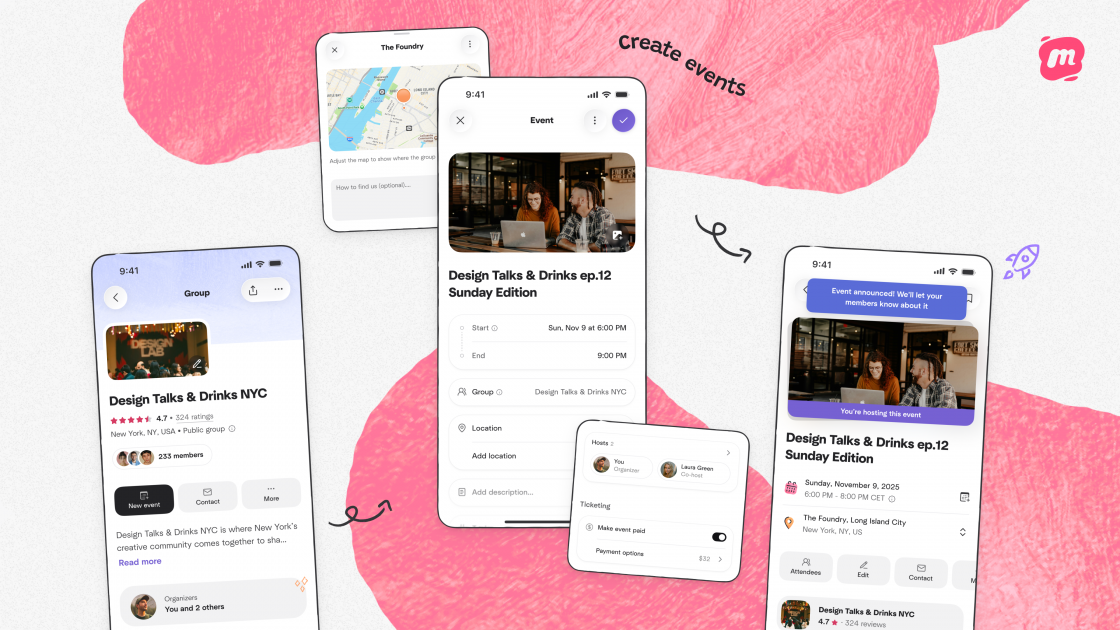
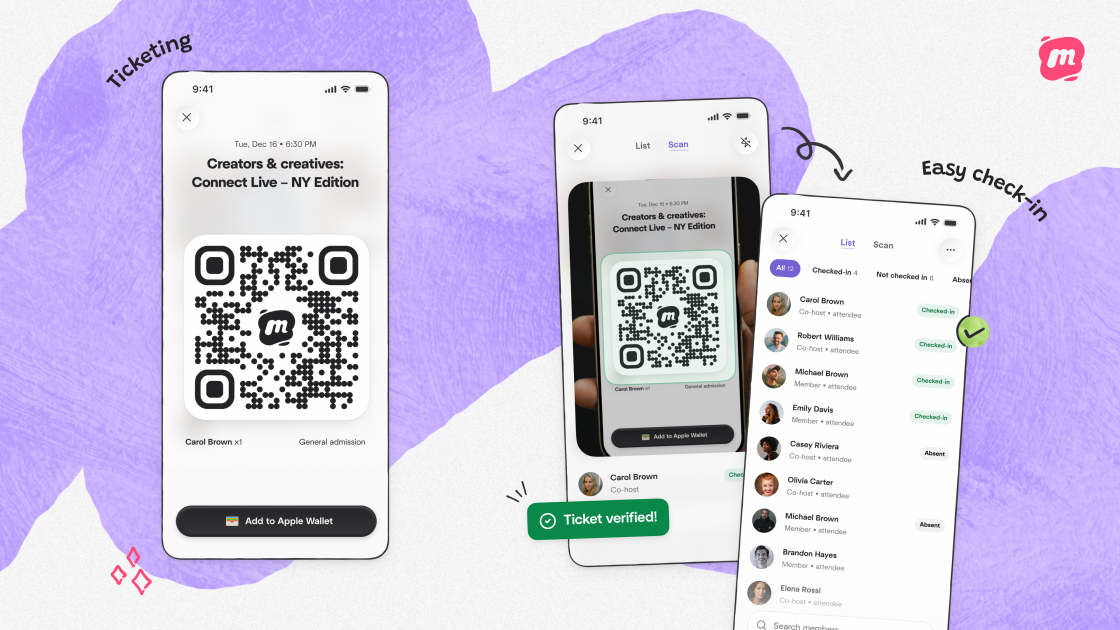
In 2026, the company plans to deepen this support. By making the "member-to-organizer" transition more intuitive, they hope to unlock a new wave of niche communities. This involves simplifying the backend tools for event creation, including streamlined ticketing systems and unified app communications, ensuring that organizers spend more time facilitating connections and less time managing logistics.
3. Boosting Member Confidence to Connect
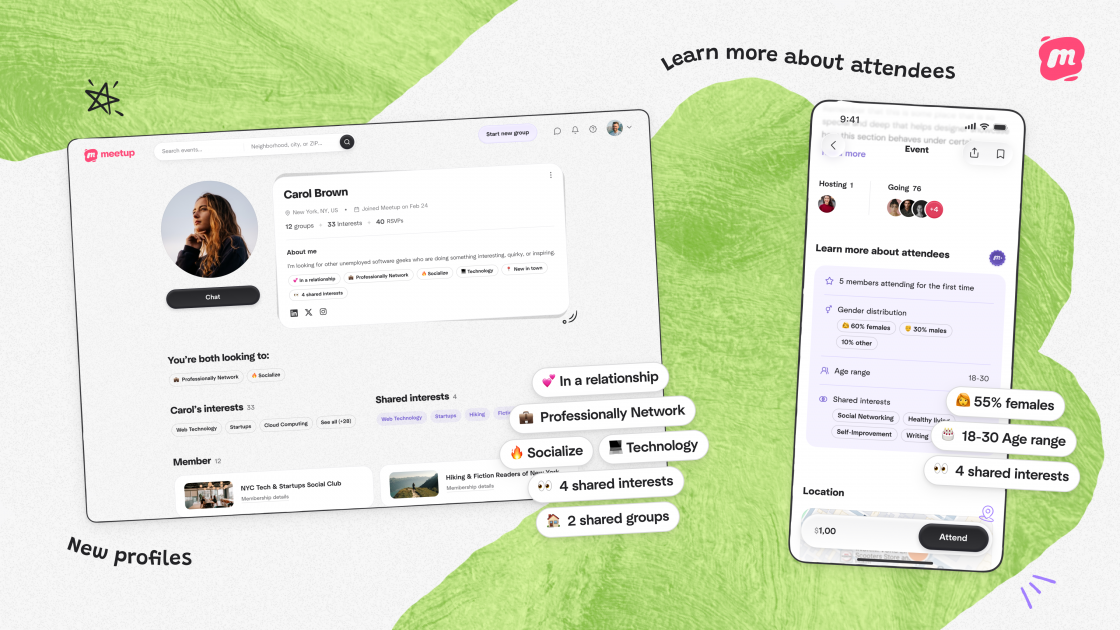
The final pillar of the 2026 strategy is addressing the psychological barrier to attending a new event. For many, the fear of the "unknown" is the primary deterrent to joining a group. Meetup is addressing this through:
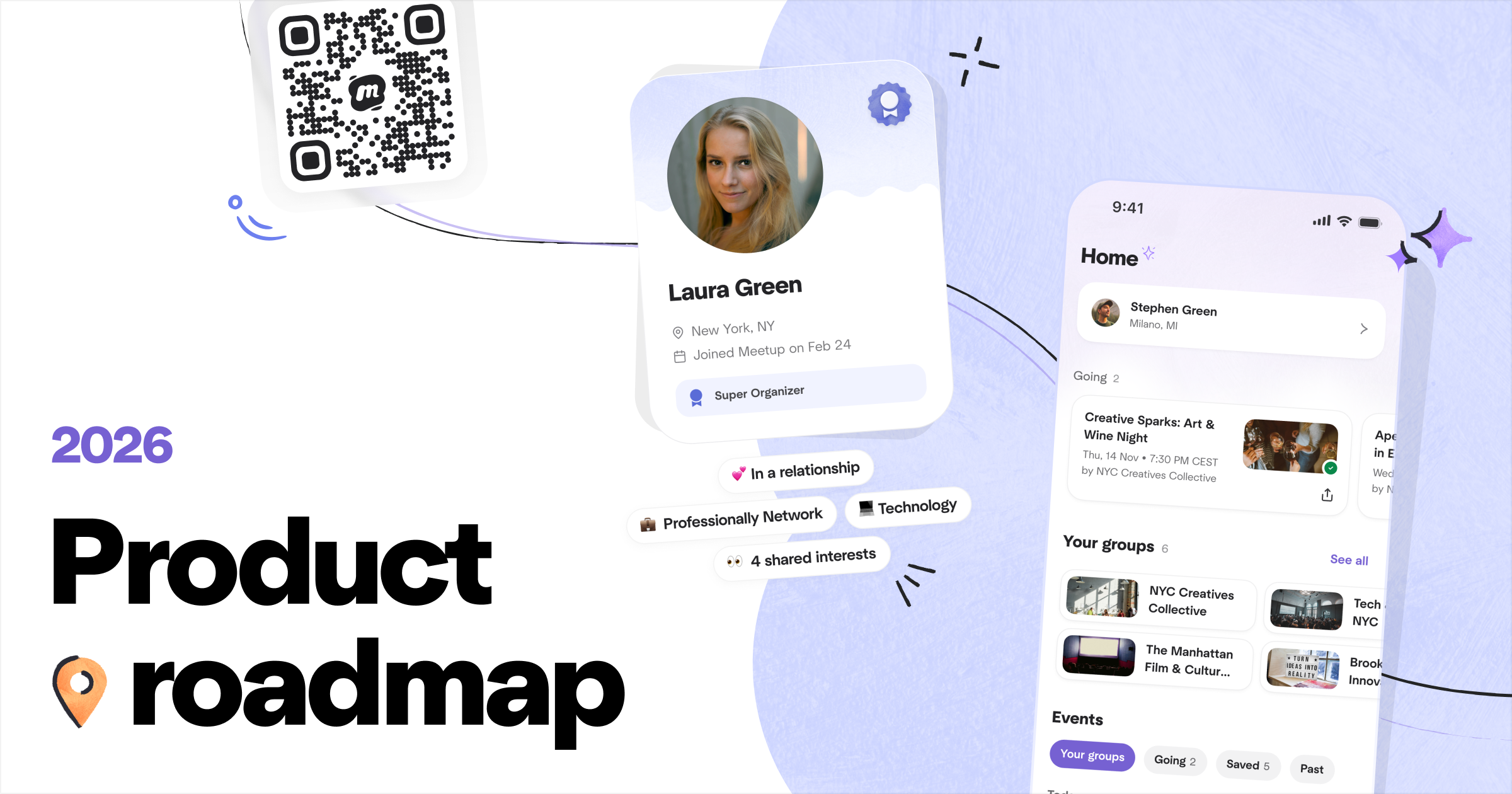
- Enhanced Profile Transparency: Allowing members to share more about their backgrounds and interests, helping potential attendees feel they have more in common with the group before they even arrive.
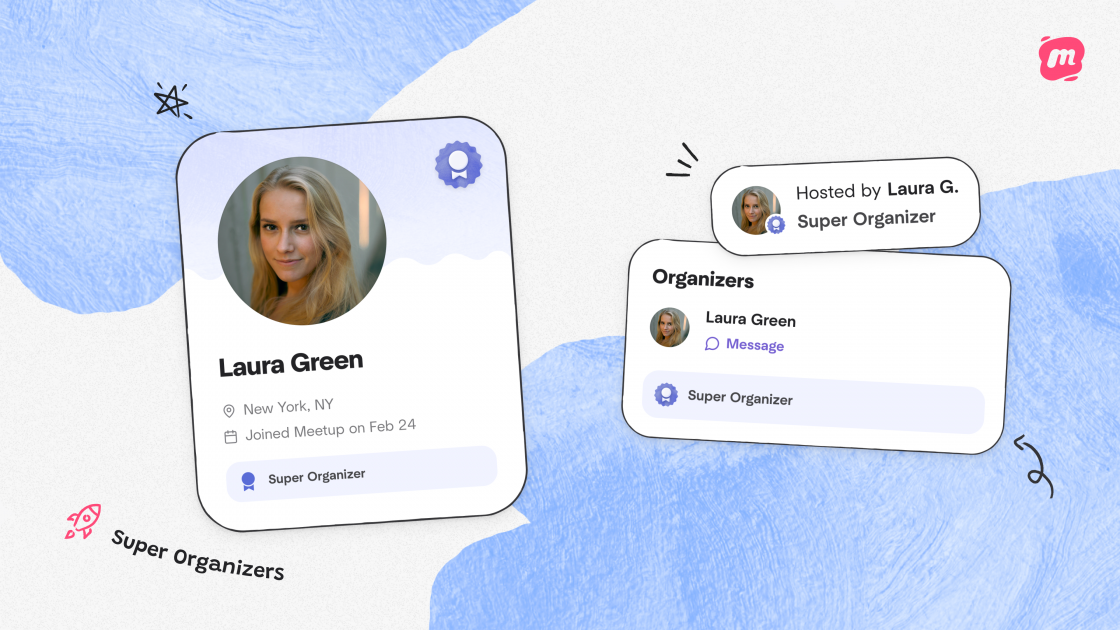
- Super-Organizer Badges: Highlighting long-term, trusted community leaders to provide a "stamp of approval" for new members looking for reliable and well-run groups.
- Connection Tools: Features that facilitate introductions between members prior to an event, breaking the ice before the first handshake.
Supporting Data: The Power of Organic Growth
The reliance on organic growth is not just a marketing slogan for Meetup; it is a structural reality. The platform’s unique ecosystem relies on the "network effect," where the value of the platform increases as more organizers take the initiative to lead.
Market research indicates that while digital platforms have proliferated, the desire for "in-real-life" (IRL) interaction has hit a post-pandemic peak. However, the expectations for these gatherings have shifted. Users today demand more reliability, better communication, and a higher standard of organization than they did five years ago. Meetup’s 2026 strategy appears to be a direct response to this demand, positioning itself as the premium choice for structured, safe, and meaningful social interaction.
Official Perspective: A Message from Leadership
In her recent reflection on the company’s trajectory, Chiara, a key architect of the current roadmap, emphasized that the platform is moving toward a more holistic view of the "event lifecycle."
"Our early focus in 2026 will be on improving the moments that matter most—before, during, and after an event," she noted. The philosophy here is that the event itself is only one part of the equation. By fostering communication before the doors open and continuing that dialogue after the event concludes, Meetup aims to turn one-off attendees into long-term community members. This approach is intended to mitigate the "churn" often associated with event-based social apps.
Implications for the Future of Social Networking
The implications of Meetup’s shift are significant. In an industry dominated by algorithmic feeds and parasocial relationships, Meetup is doubling down on the "Human-to-Human" model. By investing in the infrastructure that makes organizing easy, they are effectively subsidizing the growth of local social capital.
If successful, these 2026 initiatives could serve as a blueprint for other platforms attempting to pivot away from passive content consumption toward active, real-world community engagement. The focus on "confidence-building" for new members is particularly savvy, as it acknowledges that the hardest part of community building is often the first step: showing up.
Conclusion: Shaping What Comes Next
As we look ahead, the success of these initiatives will be measured by two primary metrics: the number of new groups formed by first-time organizers and the retention rate of members who attend their first event.
By listening to the community and iterating on the feedback provided by organizers and members alike, Meetup is positioning itself not just as a tool, but as a facilitator of human connection. The journey toward 2026 is one of intentionality—an attempt to ensure that every tap, swipe, and click on the platform leads to a real-world interaction that enriches the lives of its users.
As the company continues to refine its tools and expand its feature set, the focus remains clear: to build a digital space that celebrates the best of our physical reality. For the millions of members across the globe, the next twelve months promise a platform that is more intuitive, more supportive, and, ultimately, more human.