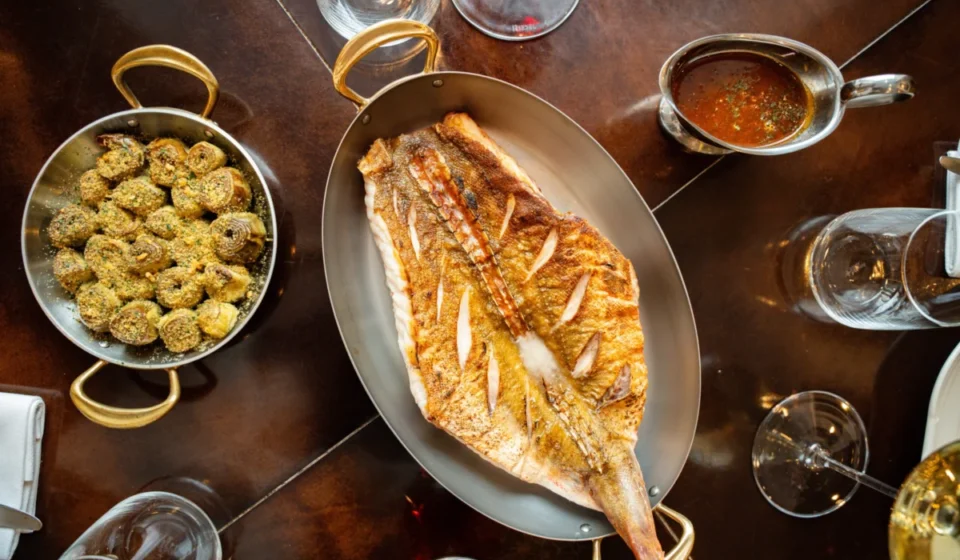
The Evolution of the Parisian Plate: A Comprehensive Guide to the 38 Essential Restaurants in Paris (2026 Edition)

Paris, a city long defined by a rigid culinary hierarchy, is currently undergoing its most significant gastronomic transformation in decades. For years, the Parisian food pyramid was set in stone: a lofty summit of haute cuisine, a respectable middle tier of “dressed-up” bourgeois establishments, and a foundational bedrock of traditional bistros and brasseries. However, as of mid-2026, that structure has effectively flattened. Today, the most exciting contemporary French cooking is no longer confined to white-tablecloth institutions; it is flourishing in neighborhood haunts, converted wine bars, and the kitchens of a new generation of chefs who prioritize sustainable sourcing and vegetable-forward menus over the heavy, cream-laden traditions of the past.

This guide, curated by long-time Paris dining expert Alexander Lobrano, serves as an essential map for navigating this vibrant, ever-shifting landscape.

The Changing Geometry of French Gastronomy
The shift away from traditional haute cuisine—which has become increasingly criticized for being exorbitantly expensive, gastronomically staid, and out of touch—has created a vacuum filled by wiry, agile young talents. Chefs like Youssef Marzouk at the newly opened Aldehyde exemplify this change. Marzouk, who brings a chemist’s precision and a Tunisian-French heritage to his kitchen, represents a movement where the menu is dictated by local produce and global curiosity rather than the stale requirements of the Michelin guide.

Modern Parisian menus are trending toward the earth, with vegetables often taking center stage while meat is relegated to a supporting role, sourced from sustainable, small-scale producers. Despite this modernization, the Parisian soul remains deeply rooted in the “rock-of-ages” comfort food that defines the city’s identity. Places like Bistrot des Tournelles in the Marais and the perennial stalwart Le Petit Vendôme continue to thrive, proving that while Paris is eager to embrace the new, it will never abandon the fundamental pleasure of a perfectly executed onion soup or a classic duck confit.

A Chronology of Change: From 2016 to 2026
To understand where Paris is dining in 2026, one must look back at the last nine years of evolution:

- 2016–2018: The rise of the "neo-bistro." This era saw the initial pushback against high-end formal dining, as chefs moved from Michelin-starred kitchens to open smaller, more affordable, and casual spaces.
- 2019–2021: The sustainability mandate. Climate concerns and supply chain disruptions forced a deeper focus on local sourcing and the "zero-waste" kitchen philosophy.
- 2022–2024: The "bobo" (bourgeois-bohemian) expansion. Dining trends moved beyond the 1st and 6th arrondissements, with Belleville (19th/20th) and the 11th becoming the primary crucibles for culinary experimentation.
- 2025–2026: The current "Autobiographical" phase. Today’s top chefs are blending their own cultural heritage—Tunisian, Cambodian, Japanese, and North African—with French technique, creating a new, inclusive Parisian culinary identity.
Essential Destinations: A Curated Selection
While the full map comprises 38 locations, these highlighted spots define the current moment in Parisian dining:

The Modern Icons
- Le Restaurant Bus Palladium (9th Arr.): Following a meticulous redesign by Studio KO, the former legendary club has been resurrected as a dining destination. Chef Valentin Raffali’s cooking—sensual, inventive, and deeply sincere—has made this the most sought-after reservation in the city.
- Aldehyde (4th Arr.): Chef Youssef Marzouk’s laboratory-style approach to autobiography creates dishes like duck ravioli in "Phnom Penh" sauce, showcasing the fusion of his dual heritage.
- Vaisseau (11th Arr.): Chef Adrien Cachot pushes the boundaries of contemporary French food with blind tasting menus that are not for the faint of heart. It is a bold, challenging, and undeniably brilliant experience.
The Neighborhood Treasures
- Caius (17th Arr.): Tucked into a quiet, residential corner of the 17th, this spot offers one of the best value-for-money lunch menus in Paris. Francesco Garzone’s cooking is disciplined and sincere, catering to a local crowd of government officials and creatives.
- L’Escale (Ile Saint Louis): A perfect example of the "local go-to." Under new ownership, the kitchen has been revitalized, serving succulent comfort food like pan-seared hake with beurre blanc to a crowd that treats the place like an extension of their own living room.
- P’tit Bon (9th Arr.): This "vest-pocket" restaurant is run by a young couple. It is the definition of a neighborhood gem, offering incredible value (19-25 Euro lunch menus) without sacrificing quality.
Supporting Data: Understanding Price and Etiquette
When planning a trip, it is vital to understand the pricing structure and cultural expectations of the Parisian scene. Our scale ranges from $ (quick, inexpensive meals with dishes under $10) to $$$$ (fine dining, where entrees exceed $30).

Dining Etiquette Tips:

- Reservations: For popular spots like Septime or Joséphine Chez Dumonet, booking weeks—or even months—in advance is non-negotiable.
- The "Second Service": At noisy, popular bistros like Bistrot des Tournelles, booking the second seating (usually after 9:00 PM) allows for a more relaxed experience where you won’t feel rushed to vacate your table.
- The "Afternoon Gap": Many traditional bistros close between lunch (usually ending at 2:30 PM) and dinner (starting at 7:00 PM). Always check the hours before heading out.
- Cash vs. Card: While most of Paris is card-friendly, some old-school institutions, such as Le Quincy, remain cash-only.
Official Industry Response and Implications
The "flattening" of the culinary hierarchy has not gone unnoticed by industry leaders. The French restaurant industry, long tethered to the prestige of the Guide Michelin, is seeing a shift in focus toward social media-driven discovery. However, the rise of "TikTok-famous" restaurants has led to a counter-movement: a renewed focus on "sleuthing out" neighborhood places.

The implication for the traveler is clear: do not rely on viral trends. As Alexander Lobrano notes, the congestion at famous spots often masks the brilliance of the quieter, more consistent neighborhood bistros. By seeking out places like L’Escale or Dandelion, diners are not only getting a better meal, but they are also supporting the authentic fabric of the city’s food culture.

Looking Forward: The Future of the Plate
The future of Paris dining is less about the "chef as a celebrity" and more about the "chef as a steward of the land." As we move into the second half of 2026, the trend of vegetable-focused, waste-conscious, and intellectually curious cooking is only expected to intensify.

For those looking to deepen their understanding of this landscape, we recommend the Eater Guide to Paris, which offers deep dives into the city’s evolving pastry scene, its thriving Southeast Asian influence, and the nuances of drinking culture that define the modern Parisian night.

Whether you are seeking the perfect pâté en croûte at Arnaud Nicolas or an adventurous dinner at Vaisseau, remember that the true essence of Paris is found not in the accolades, but in the sincerity of the plate and the warmth of the welcome.
Quick Reference: Regional Highlights
- The 11th Arrondissement: The current epicenter of creative, "bobo" dining (home to Septime, Clamato, and Café du Coin).
- The Left Bank (6th & 14th): Remains the bastion of classicism and high-quality meat (home to Le Severo and Joséphine Chez Dumonet).
- The 17th & 18th Arrondissements: The new frontiers for those seeking quiet, high-quality, neighborhood-focused dining away from the tourist crush (home to Caius and Le Maquis).