The Living Tracklist: Sprite and Genius Reimagine Hip-Hop’s Cultural Legacy

In a bold intersection of beverage marketing and musical heritage, Sprite has unveiled "The Living Tracklist," an ambitious campaign developed in partnership with Genius, the world’s leading digital hub for music lyrics and knowledge. This initiative seeks to reposition the iconic soda brand not merely as a sponsor of hip-hop, but as a curator of its six-decade-long evolution. By transforming physical packaging into canvas-like artifacts, Sprite and Genius are attempting to codify the history of a genre that has defined global culture since the 1970s.
The Core Concept: Packaging as a Cultural Artifact
At the heart of the campaign is a curated selection of 50 songs that represent the "Living Tracklist." These tracks, spanning from the nascent days of Bronx block parties to the contemporary era of streaming dominance, have been selected for their lyrical impact and cultural significance.
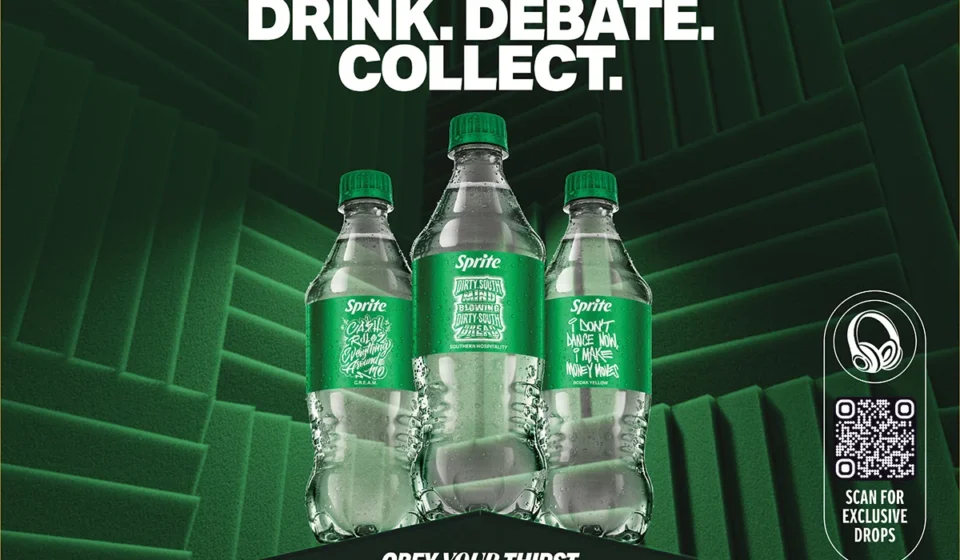
To bring these songs to the physical world, Sprite has launched a series of limited-edition cans and bottles. Each design is a bespoke creation, developed by a team of six illustrators tasked with capturing the "vibe" of specific eras. The design language utilizes period-accurate typography, color palettes, and graphic motifs that mirror the aesthetic evolution of hip-hop—from the gritty, minimalist flyers of the 1980s to the digital, maximalist aesthetic of the 2020s.
"We wanted to treat these lyrics not just as text, but as monuments," said a representative close to the project. By turning a standard 12-ounce can into a piece of collectible art, Sprite is leaning into the "fan-first" mentality that has characterized its marketing strategy for years.
Chronology: Six Decades of Sonic Innovation
The "Living Tracklist" is structured as a chronological journey through hip-hop history, ensuring that the selection resonates across generational lines.
The 1970s and 1980s: The Foundation
The campaign begins with the birth of hip-hop. This era is represented by the pioneers—artists who turned turntables into instruments and street poetry into a global language. The packaging designs for this era focus on the raw, analog aesthetic of the early days, utilizing high-contrast, black-and-white motifs reminiscent of early concert flyers.
The 1990s: The Golden Age
The mid-section of the tracklist honors the "Golden Age," a period defined by lyrical complexity, jazz-infused production, and the rise of regional dominance. For this section, the visual design shifts to bold, vibrant colors and graffiti-inspired typography, reflecting the mainstream explosion of the genre.
The 2000s to Present: The Digital Revolution
As the tracklist approaches the modern era, the designs become increasingly experimental. The use of digital illustration, 3D typography, and abstract shapes mirrors the shift from physical record store crates to the infinite, algorithmic landscape of streaming services.
Supporting Data: Why Hip-Hop and Sprite?
The synergy between Sprite and hip-hop is not a recent development. Since the late 1980s, Sprite has consistently aligned itself with the culture. According to brand loyalty data, Sprite’s association with hip-hop is one of the strongest in the CPG (Consumer Packaged Goods) sector.
Industry analysis suggests that the partnership with Genius is strategic. Genius holds the largest database of lyrical annotations globally. By integrating Genius’s metadata into the campaign, Sprite is providing more than just a drink; it is providing context. Consumers who scan the packaging are directed to deeper insights, behind-the-scenes stories, and the "genius" annotations that explain the wordplay, metaphors, and historical importance of the chosen lyrics.
From a market perspective, this is a masterclass in "brand-as-content." In an age where traditional advertising is often bypassed, Sprite is creating a physical product that functions as a gateway to digital content, thereby increasing dwell time and brand engagement.
Official Responses and Creative Vision
The collaboration has been hailed as a significant step forward for experiential marketing.
"Hip-hop is a living, breathing entity," said a spokesperson for Genius. "It’s not stagnant. By partnering with Sprite, we are able to highlight the stories behind the bars that have shaped our culture. This is about honoring the lyricists who built the foundation for what we listen to today."
Sprite’s marketing team has emphasized that the selection process for the 50 songs was rigorous, involving deep dives into archival recordings and extensive polling of hip-hop historians and fans. The intent was to avoid the "greatest hits" trap and instead focus on songs that carried the most cultural weight—tracks that served as turning points in the genre’s evolution.
The six illustrators chosen for the project were given significant creative freedom. Each artist was tasked with immersing themselves in the specific track they were illustrating, listening to it on loop until they could translate the "sonic frequency" of the lyrics into a visual format. The result is a diverse array of styles that range from minimalist street art to high-concept, fine-art-inspired graphics.
Implications: The Future of Cultural Marketing
The launch of "The Living Tracklist" has several profound implications for the future of the beverage industry and the broader marketing landscape.
1. The Death of the "Generic" Product
Sprite is effectively signaling the end of generic, one-size-fits-all packaging. By diversifying its aesthetic, the brand is targeting the "collector" demographic. The scarcity of these designs encourages consumers to purchase multiple units, transforming the act of buying a soda into a hunt for a specific piece of the "tracklist."
2. Hyper-Personalization through Cultural Affinity
The campaign recognizes that hip-hop is no longer a monolithic culture. It is a fragmented, global phenomenon with millions of sub-genres. By selecting 50 songs, Sprite is catering to different "tribes" within the hip-hop fandom, ensuring that every consumer can find a bottle that speaks to their specific taste or era of preference.
3. The Integration of Metadata
Perhaps the most significant implication is the shift toward "intelligent packaging." By using the physical can as a QR-enabled entry point to the Genius platform, Sprite is bridging the gap between the physical shelf and the digital information economy. This provides a blueprint for other brands: how to add value to a physical product by tethering it to a vast, searchable, and educational digital database.
4. Sustainability and Longevity
While limited-edition campaigns are often fleeting, the "Living Tracklist" is designed to have a long-term digital footprint. Because the tracklist is housed online, it serves as a permanent archive. Even after the physical cans are recycled, the digital content—the annotations, the history, and the community conversation—remains. This strategy ensures that the campaign provides long-term brand equity rather than just a short-term spike in sales.
Conclusion: A New Standard for Brand Storytelling
The partnership between Sprite and Genius represents a sophisticated evolution in brand storytelling. It moves away from the "billboard-style" advertising of the past and toward a model of community participation and cultural education.
By grounding the campaign in the lyrical history of hip-hop, Sprite is not just selling a beverage; it is selling a piece of history. The "Living Tracklist" acknowledges that for millions of people, hip-hop is more than just music—it is a worldview, a fashion statement, and a political force.
As the campaign rolls out, the real success will be measured not just in sales volume, but in how the hip-hop community receives the curation. By elevating the lyric to the status of art, Sprite and Genius have set a new, high-water mark for what happens when a global brand decides to stop talking at its audience and starts participating with them.
For the collector, the student of music, and the casual fan, these 50 cans represent more than just a drink; they are a chronicle of the voices, the struggles, and the triumphs that have defined the rhythm of our modern lives. The "Living Tracklist" is a testament to the fact that when history is told through the right lens, it remains as vibrant and relevant as the day it was written.