Comments Off on The Pink Palace Reimagined: Inside the Beverly Hills Hotel-Inspired Tropical Gala
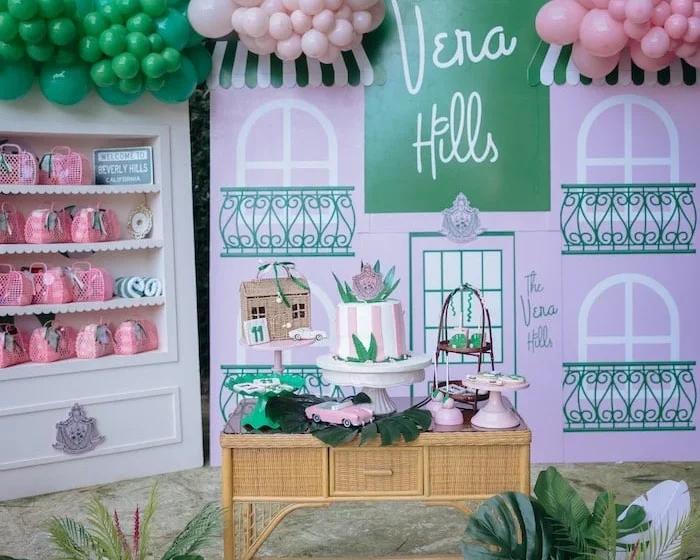
In the world of luxury event planning, few motifs carry the weight of glamour, nostalgia, and cinematic history like the aesthetic of the Beverly Hills Hotel. Recently, Tulsy Perez, the visionary creative force behind the Dominican Republic-based firm Vera Bella, brought this iconic California legacy to life through a breathtaking, high-end tropical party that has set a new benchmark for themed celebrations.
Moving beyond the tired tropes of the standard pool party, this event serves as a masterclass in atmospheric design, blending the "Pink Palace" aesthetic—characterized by its signature soft rose tones, lush palm-frond wallpaper, and mid-century elegance—with a fresh, tropical Caribbean sensibility.
The Core Concept: Redefining Luxury Event Design
The fundamental objective of this project, as articulated by the design team, was to move away from the conventional "pool party" narrative. Instead, the team sought to cultivate an environment that felt like a curated experience at a luxury destination, rather than a mere social gathering.
The aesthetic foundation is rooted in the legendary Beverly Hills Hotel on Sunset Boulevard. By incorporating the hotel’s famous banana-leaf motifs, vibrant pink accents, and a sense of "old Hollywood" exclusivity, Vera Bella successfully transported guests into an immersive, stylized landscape. The juxtaposition of these elements against the tropical backdrop of the Dominican Republic created a unique hybrid aesthetic that felt both familiar and revolutionary.
A Chronology of the Transformation
The success of such an elaborate event relies on a precise, multi-phase execution. The journey to the final reveal followed a rigorous development schedule:
Phase I: Conceptualization and Mood Boarding
Months before the event, the planning process began with a deep dive into color theory and spatial planning. The primary challenge was integrating the specific "Beverly Hills" color palette (dusty pink, emerald green, and crisp white) into a venue that required structural transformation to match the desired theme.
Phase II: Structural Installation and Scenery
The transformation of the space was not merely decorative; it was architectural. Over several days, the team installed custom backdrops, curated furniture arrangements that mirrored the lounge areas of the Polo Lounge, and introduced lighting rigs that mimicked the soft, golden-hour glow of Southern California.
Phase III: The Final Flourish
The final 24 hours were dedicated to "fine-tuning," which included the placement of custom stationery, the arrangement of tropical floral installations, and the final lighting checks to ensure that the transition from day to evening maintained the intended "Golden Age" atmosphere.
Supporting Data: The Anatomy of a Successful Theme
The event’s success can be broken down into three critical pillars of design that transformed a standard venue into a curated experience:
1. The Color Palette
The primary success of this event was the restraint shown in the color palette. By focusing strictly on the interplay between the iconic "Beverly Hills Pink" and deep, organic greens, the designers avoided the visual clutter that often plagues themed parties. The repetition of these colors across linens, floral arrangements, and signage created a sense of visual harmony.
2. The Texture and Materials
Designers utilized a mix of materials to evoke the hotel’s famous aesthetic. The use of palm-leaf patterns was balanced by modern, clean-lined furniture and organic textures, such as rattan and wood, which bridged the gap between the hotel’s classic architecture and the tropical locale.
3. Logistical Precision
The event logistics were handled with the same attention to detail as the decor. From the flow of the guest experience—designed to guide attendees through distinct "zones" of the party—to the timing of service, every aspect was choreographed to minimize friction and maximize immersion. The photography, handled by @alfredrguez, was specifically tasked with capturing the "magic" of the lighting and textures, ensuring the event would live on through high-fidelity visual documentation.
Official Response and Design Philosophy
In a statement regarding the project, Tulsy Perez of Vera Bella provided insight into the creative intent behind the party:
"We wanted to create a unique and stylish celebration, moving away from a traditional pool party concept. Inspired by the iconic Beverly Hills Hotel, we embraced its tropical yet elegant vibe to design a dreamy setting filled with lush greenery, soft pinks, and classic palm prints. From the decor and setup to the custom stationery and overall event logistics, every detail was carefully curated by Vera Bella Events to bring this vision to life."
This response highlights a growing trend in the event industry: the shift toward "Experiential Design." Modern hosts and planners are no longer satisfied with aesthetic surface-level decorations; they are aiming to craft a narrative that guests can inhabit for the duration of the event.
Implications for the Future of Event Planning
The Beverly Hills Hotel-inspired gala by Vera Bella serves as a blueprint for the future of luxury event planning. As global travel and digital media continue to blend our aesthetic tastes, we are seeing a rise in "destination-inspired" design.
The Rise of "Atmospheric Branding"
This event demonstrates that a theme is no longer just a collection of items; it is a brand. By selecting a specific cultural touchstone—in this case, a historic hotel—and deconstructing its visual identity, planners can create a cohesive environment that feels elevated and intentional.
The Power of Cultural Curation
The success of this project also underscores the importance of regional collaboration. By bringing the "Beverly Hills" aesthetic to the Caribbean, the team proved that design is borderless. The key takeaway for future planners is that an effective theme relies on the emotional resonance of the inspiration. The Beverly Hills Hotel is synonymous with luxury, leisure, and iconic status; by tapping into these emotions, the designers were able to elevate a simple party into a memorable, aspirational event.
Sustainability and Longevity
One of the subtle, yet vital, implications of this event is the potential for the "reusable" theme. The classic elements of the Beverly Hills aesthetic—the palm prints, the soft pinks—are timeless. As the industry moves toward more sustainable practices, the ability to create high-impact events using classic, high-quality design elements that don’t rely on disposable, single-use party favors is a trend that is likely to gain momentum.
Conclusion: A Masterclass in Elegance
The Beverly Hills Hotel-inspired tropical party is a testament to the power of thoughtful, cohesive design. By blending the historic grandeur of a Hollywood landmark with the natural beauty of a tropical setting, Tulsy Perez and her team at Vera Bella have created something truly memorable.
It serves as a reminder that in the world of event planning, the most successful gatherings are those that tell a story. Whether it is through the meticulous selection of a color palette, the strategic use of lighting, or the careful curation of every visual element, the goal remains the same: to create a space that offers an escape from the mundane. As we look to the future of event trends, it is clear that "experience-first" design, grounded in strong, narrative-driven aesthetics, will continue to define the pinnacle of the industry.