The Great Divide: Why the U.S. Housing Market is Reaching Record Heights While First-Time Buyers Remain Stranded

In June 2026, the United States housing market officially entered record-breaking territory. According to the latest data released by real estate brokerage Redfin, the national median home price climbed to an unprecedented $408,776, marking a 2.2 percent increase over the previous year. While this figure serves as a headline-grabbing milestone, it masks a deeply fractured reality: a two-tiered economy where the ultra-wealthy are driving prices to new heights, while aspiring homeowners are increasingly pushed to the sidelines of the American Dream.
This surge in valuation is not a uniform rise across the country. Instead, it is a localized phenomenon fueled by specific economic engines—primarily the artificial intelligence boom in Northern California and the sustained corporate migration to Florida’s “Wall Street South.” As the market continues to favor those with significant liquid capital, the chasm between the “haves” and “have-nots” in real estate is widening to levels rarely seen in the modern era.
The Chronology of a Record-Breaking Spring
The trajectory toward this June milestone began in the late winter months of 2026, when early spring market activity signaled a divergence from the stagnation seen in the previous two years.

By March and April, analysts noted a distinct uptick in luxury transactions. While mortgage interest rates for a standard 30-year fixed loan remained stubborn, hovering near the 6.5 percent mark, high-net-worth individuals began re-entering the market with renewed vigor. Unlike the average American, these buyers are largely insulated from the high cost of borrowing; many are leveraging substantial cash reserves, selling off tech-heavy stock portfolios, or utilizing significant equity from previous property holdings to make aggressive down payments.
By May, the trend had crystallized. Data indicated that pending luxury sales were rising at a rate of 5.2 percent, outpacing the broader market significantly. By the time the June figures were tallied, it became clear that the high-end sector was not just participating in the recovery—it was actively dragging the national median price upward, effectively masking the softening demand in the entry-level segment.
Supporting Data: A Tale of Two Markets
The divergence between luxury real estate and the entry-level market is supported by stark statistical evidence. Nationally, high-end home prices are currently appreciating at a rate more than three times faster than that of standard, mid-market homes.

The Coastal Hotspots
The concentration of this growth is most visible in major coastal hubs:
- San Francisco: Leading the nation with a staggering 9.2 percent year-over-year jump in home prices. This surge is directly correlated to the localized AI gold rush, which has minted a new class of millionaires within the tech sector.
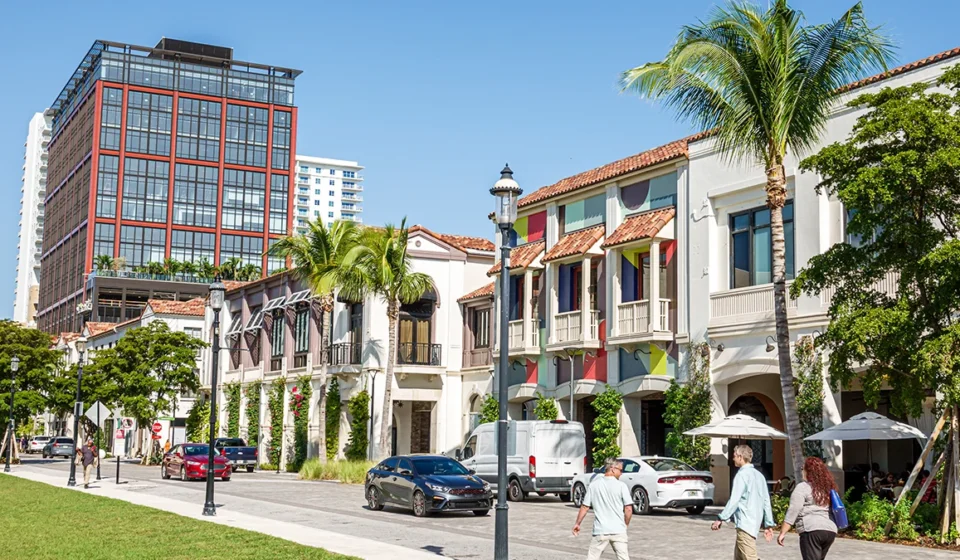
- West Palm Beach: A close second, recording an 8.6 percent increase. Over the last decade, this market has seen a jaw-dropping 187 percent rise in luxury valuations, driven by the relocation of major financial powerhouses like Goldman Sachs and J.P. Morgan.
Furthermore, both markets saw total sales volume surge by approximately 23 percent in June, suggesting that inventory in these specific pockets is moving at a velocity not matched by the rest of the country.
The Competitive Landscape
The scarcity of inventory remains the primary pressure point. Because many homeowners are “locked in” to lower interest rates from previous years, they are hesitant to list their homes, fearing they will be unable to secure a better deal elsewhere. This supply constraint, paired with aggressive luxury bidding, resulted in over one in five homes selling above the asking price in June. When the supply is thin and the buyers are wealthy, the result is an inevitable upward pressure on prices, regardless of macroeconomic headwinds.

The “Wall Street South” and AI Boom Factors
To understand why San Francisco and West Palm Beach are acting as the primary engines of this price growth, one must look at the shifting demographics of wealth.
In San Francisco, the “AI Boom” has fundamentally altered the local economy. A new generation of tech workers and founders, flush with high salaries and vested equity, has re-entered the residential market. These buyers are often looking for primary residences that reflect their new status, turning to prime neighborhoods that were already expensive and driving prices into uncharted territory.
Conversely, West Palm Beach continues to benefit from a multi-year migration trend. The “Wall Street South” phenomenon is not just a branding exercise; it is a structural shift in where financial capital resides. As firms moved operations to South Florida, they brought with them a workforce that commands salaries commensurate with New York or London markets. The result is a total transformation of the local real estate landscape, where luxury estates are now the baseline, not the exception.

Official Responses and Expert Analysis
Industry economists and housing advocates have expressed concern over the sustainability of this trend. While real estate boards often celebrate rising prices as a sign of a “healthy market,” experts are increasingly wary of the social implications.
“The current statistics represent a market that is functioning for the top 10 percent of the population,” says one prominent real estate economist. “When you see the national median price hit a record high during a period of high interest rates, it tells you that the middle class is not the primary driver of this activity. We are seeing a consolidation of assets in the hands of the wealthy.”
Redfin’s own reporting highlights that the lack of affordability is not just a hurdle for first-time buyers; it is a barrier for families looking to upgrade. The "move-up" market, which typically provides the lifeblood of residential real estate, is currently paralyzed by the inability to find affordable entry points for their next property.

The Long-Term Implications
The implications of a housing market driven primarily by luxury demand are profound and multifaceted.
1. The Erosion of Homeownership Opportunities
As median prices continue to climb, the “American Dream” of homeownership is becoming increasingly elusive for the average family. If high-end luxury homes continue to skew the national averages, policymakers may be misled into believing the market is “booming” when, in reality, it is merely concentrating wealth.
2. The Expansion into Secondary Cities
The “billionaire effect” is no longer limited to the traditional hubs. As noted in recent market trends, high-net-worth individuals are now aggressively expanding into secondary, fast-growing markets like Austin, Nashville, and San Diego. This creates a ripple effect, where the housing affordability crisis is exported from traditional hubs to cities that were previously considered “attainable.”

3. Economic Stratification
The reliance on cash-heavy buyers means that the housing market is becoming less sensitive to interest rate adjustments. If the Federal Reserve maintains higher rates to combat inflation, it may succeed in cooling the broader economy, but it may have a negligible impact on the luxury market. This creates a paradox where the housing market remains “hot” for the wealthy while becoming colder and more restrictive for the average citizen.
4. The Inventory Trap
The "lock-in" effect—where current homeowners refuse to sell because they do not want to trade a 3 percent mortgage for a 6.5 percent one—is unlikely to resolve in the near future. This suggests that the supply-side constraint will persist through the end of 2026, keeping prices elevated even if demand from non-luxury buyers continues to wane.
Conclusion: A Market at a Crossroads
The June 2026 housing data provides a clear, if sobering, snapshot of the American economy. While the headline figure of $408,776 is a reflection of a robust luxury sector, it masks the reality that the housing market is currently failing to serve a broad swath of the population.

As we look toward the remainder of the year, the trend is unlikely to reverse. The combination of high interest rates, limited supply, and the continued migration of wealth into specific high-growth cities suggests that we are entering a new era of real estate—one where price discovery is driven by the ultra-wealthy, and where the barriers to entry for the average family are becoming higher than ever before. Whether these record-breaking prices are a temporary peak or the new baseline for a changed American landscape remains the most critical question for the years ahead.