
The holiday season is defined by tradition, and for many families, the arrival of December signals a frantic but delightful shift toward all things festive. In Atlanta, Georgia, local creative Anna Graham has elevated a classic winter pastime into a masterclass of event design. Her annual Gingerbread Decorating Party, recently unveiled, serves as both a heartwarming family tradition and a sophisticated blueprint for seasonal hosting. By blending whimsical aesthetics with high-quality craftsmanship, Graham has created an immersive experience that proves that holiday parties—when executed with intention—can be the highlight of the winter calendar.

The Foundation of Festive Design: Main Facts
The event, hosted by Anna Graham in Atlanta, is a curated celebration centered on the age-old tradition of gingerbread decorating. What sets this particular gathering apart is the meticulous attention to detail, ranging from professional-grade balloon artistry to bespoke partyware.

The core of the event was designed to be interactive, encouraging guests to engage their creativity through hands-on activities. Rather than relying on pre-made displays, the party prioritized the process of creation. Graham utilized Betty Crocker gingerbread kits as the canvas, providing a variety of decorating supplies—including icing, M&Ms, sprinkles, and sugar crystals—to allow the young guests to personalize their edible masterpieces. The event serves as a template for parents looking to transform a simple "cookie day" into a high-end social occasion that feels both accessible and magical.

A Chronological Walkthrough: The Anatomy of the Event
The success of the Gingerbread Party relied on a well-orchestrated flow of events that kept the momentum high and the "sugar-fueled" energy focused.

The Arrival and Sanitization: The festivities commenced with a practical touch. Before approaching the creative stations, the young guests participated in a hand-washing ritual using holiday-scented soaps from Dabble & Dollop. This subtle inclusion of a sensory, hygiene-focused step added a professional polish to the afternoon.

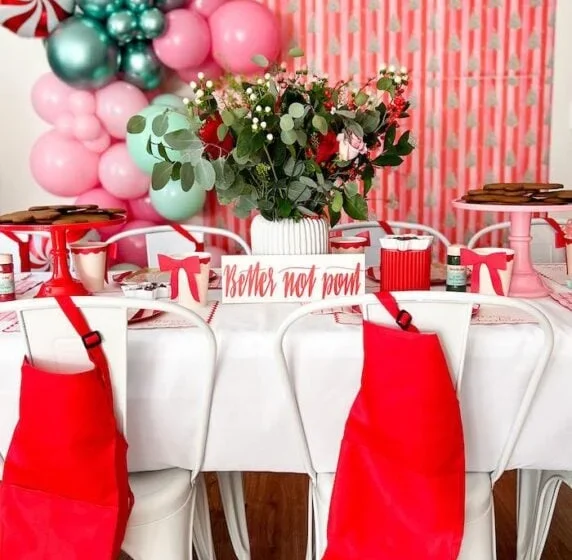
The Creative Workshop: Following the hygiene segment, the primary activity began. With aprons donned and tools laid out, the children moved to the decorating tables. The environment was specifically designed to be an "unloading" zone for creativity, where the mess was not only expected but embraced as part of the holiday spirit.

The Visual Presentation: As the children decorated, the backdrop provided a stunning visual feast. The wall decor, created with Cami Monet wrapping paper and secured with Command strips, offered a cohesive, high-fashion aesthetic that anchored the room.

Culinary Craftsmanship: The afternoon concluded with the showcasing of the completed creations, followed by a sweet indulgence. The blend of DIY spirit and high-end styling made for a balanced afternoon of artistic expression and festive celebration.

Supporting Data: The Vendors Behind the Magic
The aesthetic cohesion of the party was achieved through a strategic partnership with local and boutique vendors. The integration of these elements provided a professional polish to the home-hosted event.

- Balloon Artistry: Confetti Pop Party provided the structural elements, specifically a pink balloon arch that acted as the party’s focal point.
- Tableware & Decor: The table was styled with items from Bonjour Fête (striped cabana plates and bow napkins) and My Mind’s Eye (bow-themed cups). These details elevated the simple act of eating cookies into a styled editorial moment.
- Specialized Props: Atomic Kraftworks supplied acrylic stirrers in the shape of bows, while Cubie Props provided additional table accents. Fancy Free Finery contributed the donut toppers, and Chalk Designs by Me handled the event’s signage.
- Textiles and Backdrops: The consistency of the theme was maintained through the use of Cami Monet’s paper goods and textiles, including the table runner and a thematic pennant flag.
- Additional Accents: Custom Creations by Sarah provided artisanal cookies, while Pearl and Jane contributed the decorative garland, and Hunny Prints supplied the event banner.
This collaborative effort highlights a growing trend in private event planning: the "micro-event" where a host acts as an art director, coordinating a network of small businesses to create a singular, high-impact aesthetic.

Official Response: Insights from the Host
Anna Graham, the creative force behind the event, views the party not just as a one-off gathering but as a vital part of her family’s identity. When asked about the motivation behind such an elaborate setup, Graham shared:

"It’s become a tradition around our house, the annual gingerbread decorating party. Gather all your friends, don your aprons, and let your creativity unload. This annual tradition for our girls has become one of our favorite holiday activities. Whether it be decorating gingerbread houses or making homemade gingerbread cookies, it allows the girls to get messy, eat all things sugar, and have fun!"

Graham’s approach emphasizes the balance between the "messy" reality of working with children and the desire for a beautiful, Instagram-worthy environment. Her philosophy is clear: the effort invested in the decor does not inhibit the fun; rather, it creates a "magic" that elevates the experience for everyone involved. She specifically noted the role of the balloon installation and the cohesive color palette in creating that atmosphere of wonder.

Implications for Modern Holiday Hosting
The success of this Gingerbread Party offers several takeaways for those interested in elevating their own seasonal gatherings.

1. The "Theme-First" Approach: By selecting a specific motif—in this case, a "Bow and Gingerbread" aesthetic—the host can make decisions about plates, napkins, and balloons much more easily. This reduces the cognitive load of party planning and ensures that the final result looks intentional.

2. The Integration of Practicality and Aesthetics: Graham’s inclusion of holiday-scented hand soaps and easy-to-remove backdrop materials proves that hosting doesn’t have to be stressful. By choosing materials that are functional, the host ensures that the party remains enjoyable rather than turning into a cleanup nightmare.

3. Supporting Local Creativity: The extensive vendor list serves as a testament to the power of community-based event planning. By utilizing local small businesses and independent designers, the host gains access to unique, high-quality items that simply cannot be replicated by store-bought, mass-produced kits.

4. Tradition as a Foundation for Growth: The most significant implication is the value of consistency. By repeating the tradition annually, the family creates a "ritual anchor" in the holiday season. The event becomes something the children look forward to, and as they grow, the complexity of their decorating skills (and the host’s styling) can evolve, ensuring the tradition stays relevant through the years.

Conclusion: Why We Need More Magic
In an era where much of our social interaction has moved to digital spaces, the physical, tactile, and sensory experience of a well-planned party is more important than ever. Anna Graham’s gingerbread event reminds us that the holiday season is not just about the gifts exchanged or the meals consumed—it is about the intentional creation of spaces where joy, creativity, and community can intersect.

Whether you are a professional party planner or a parent looking to bring a little extra sparkle to your living room, the lesson here is simple: start with a vision, lean into the traditions that matter to your family, and never underestimate the power of a perfectly placed bow. As the winter chill sets in, such gatherings provide the warmth and connection that define the very best of the holiday spirit.