Streamlining Connection: Meetup Overhauls Communication Suite to Empower Organizers

In the digital landscape of community building, the quality of interaction is the heartbeat of success. For Meetup, the global platform that facilitates millions of in-person connections, communication tools have long been the bridge between organizers and their members. However, as the platform evolved over the years, the accumulation of redundant messaging features began to create a fragmented experience.
On July 18, 2024, Meetup officially enacted a major strategic shift, sunsetting several legacy communication tools in favor of a unified, streamlined approach. By consolidating its feature set and introducing high-demand upgrades, the company aims to reduce friction for organizers and ensure that community engagement is more intuitive, reliable, and expressive.
Main Facts: The Great Consolidation
The core of the recent update is the reduction of overlapping communication channels. Historically, Meetup users navigated a confusing array of options: Group Discussions, Event Comments, Event Chat, Message Boards, Direct Messages, Event Announcements, and Contact Members.
The overlap between these features—such as the redundancy between "Event Chat" and "Event Comments"—often led to dispersed conversations and administrative headaches for organizers trying to manage information flow. To combat this, Meetup has officially retired Message Boards and Event Chat, focusing its resources on two primary pillars: Group Discussions and Event Comments.

This consolidation is not merely a subtraction; it represents a philosophy of intentional design. By forcing communication into two distinct, high-traffic channels, Meetup is ensuring that members know exactly where to go for group-wide dialogue versus event-specific coordination.
Chronology: A Path to Simplicity
The journey toward this update began with a direct appeal to the user base. Meetup leadership recognized that while their platform was growing, the backend infrastructure for communication was becoming bloated.
- Pre-July 2024: Meetup conducts a deep-dive analysis of feature usage and collects qualitative feedback from organizers. The findings revealed that users were frustrated by fragmented threads and inconsistent notification delivery.
- July 18, 2024: The "Streamlining Initiative" goes live. Message Boards and Event Chat are officially sunsetted. The platform launches new formatting capabilities for remaining tools and introduces the "Pin" feature for comments.
- August–September 2024: The platform undergoes a period of technical stabilization, focusing on the backend architecture of notification delivery systems to ensure reliability.
- September 19, 2024: Final documentation updates are published, marking the conclusion of the initial rollout phase.
Supporting Data: Why Change Was Necessary
Data served as the primary driver for these changes. Meetup’s internal metrics indicated that "Group Discussions" and "Event Comments" were consistently the most utilized and preferred tools among organizers. When asked to rank the effectiveness of their toolkit, organizers consistently pointed to the straightforward nature of these two features compared to the more niche "Message Boards."
Usage patterns showed that when both "Event Chat" and "Event Comments" were available, organizers often felt compelled to maintain two separate, competing threads for the same event. This led to "information silos," where half the group might miss a vital update because they were monitoring the wrong tab. By removing the redundant options, Meetup is effectively funneling all community energy into a single, high-fidelity stream, which, according to their internal testing, leads to higher engagement rates and fewer missed notifications.
The Three Pillars of Improvement
The update wasn’t just about removal; it was about elevating the standard of the tools that remained. Based on organizer requests, three major enhancements were prioritized:
1. Rich Text Formatting and Markdown Support
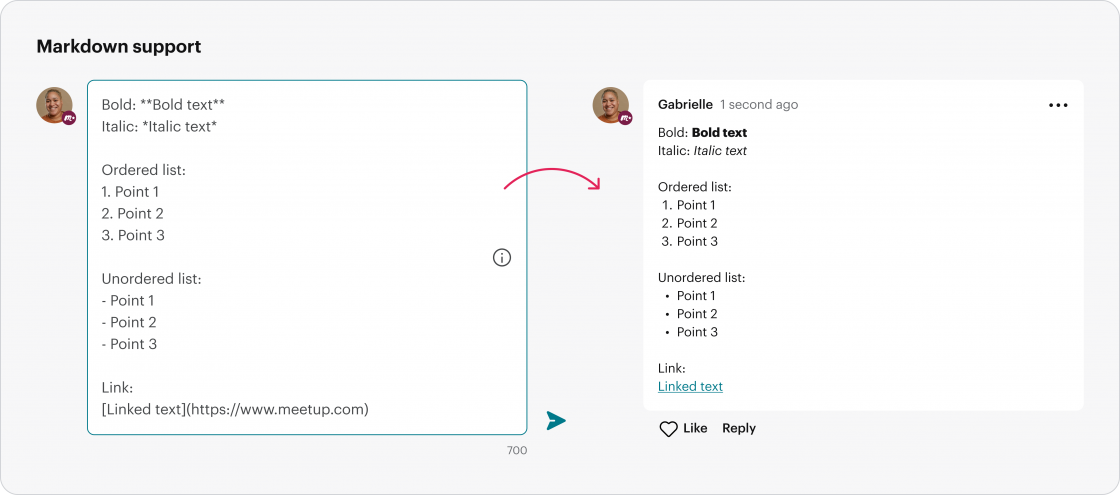
Gone are the days of plain-text limitations. Organizers can now utilize markdown-supported formatting, including bold, italics, ordered and unordered lists, and hyperlinking. This is a significant quality-of-life upgrade, allowing organizers to clearly structure event agendas, share resource links, or emphasize safety guidelines within their communications.
2. Strategic Pinning of Vital Information
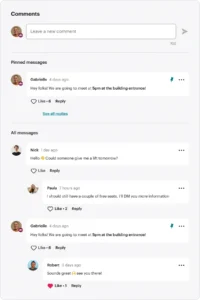
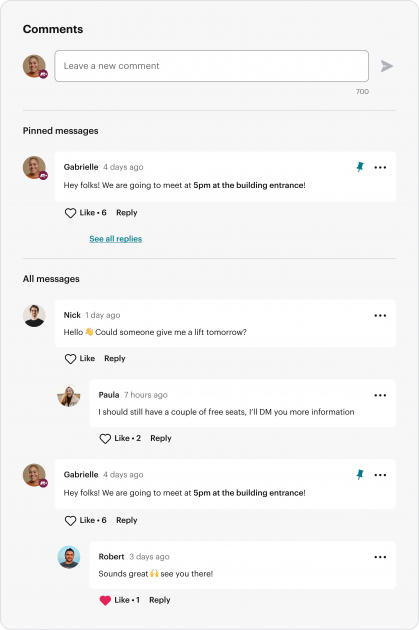
One of the most requested features was the ability to highlight critical information. Whether it is a last-minute change to a venue or a specific parking instruction, organizers can now "pin" up to three messages to the top of an event’s comment section. By using the new pinning icon, organizers ensure that the most relevant information remains the first thing attendees see, effectively eliminating the need for members to scroll through hundreds of comments to find the "when" and "where."
3. Notification Reliability and Backend Infrastructure
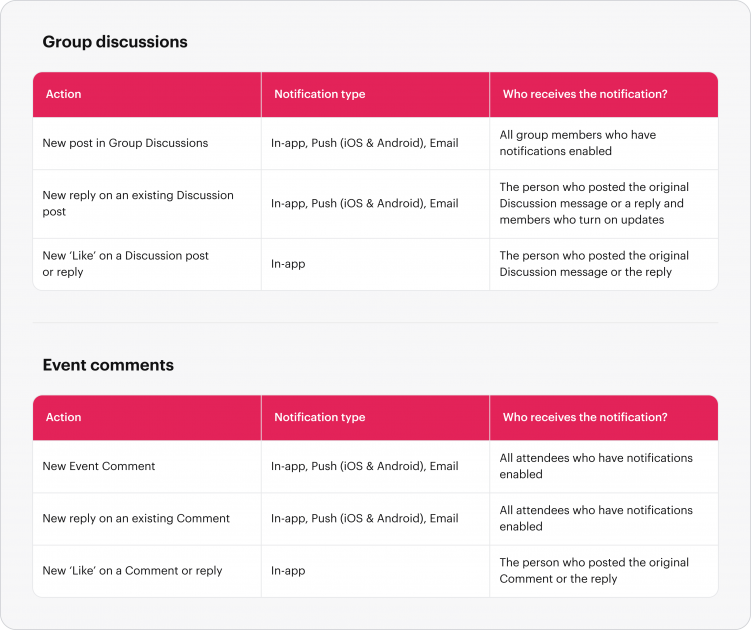
Perhaps the most significant, albeit invisible, change is the overhaul of the notification delivery system. For years, organizers cited the "inconsistency" of alerts as a major pain point. Meetup invested heavily in a comprehensive audit of their notification pipeline, systematically debugging the triggers for new messages, replies, and reactions. The result is a more robust, reliable system that ensures an organizer’s message is actually seen by their community.
Official Responses and Strategic Philosophy
The Meetup team has emphasized that this update is part of a broader, long-term commitment to "community-led product development." By involving organizers in the decision-making process, the company aimed to move away from top-down feature deployment and toward a model that solves actual, daily struggles.
"Communication is such an integral part of the Meetup experience for organizers and members," the company stated in its official release. "We hope these recent changes make it easier and more enjoyable to connect with your groups."
By choosing to fix the existing infrastructure rather than building new, complex tools, Meetup is signaling a shift toward stability. The team has explicitly stated that while they have a list of requested features for the future, they chose to focus on the ones that provided the most immediate value for everyday management.
Implications for the Future of Communities
The implications of this move are twofold. For organizers, the immediate impact is a reduced cognitive load; they no longer have to manage multiple digital "rooms" for the same group of people. This allows them to spend more time planning events and fostering real-world connections rather than managing technical platforms.
For the platform itself, this is a strategic move to standardize the user experience. By streamlining, Meetup creates a predictable environment for new users. A newcomer to any Meetup group will now intuitively understand how to find event updates and engage in group discussions because the interface is no longer cluttered with legacy features.
Furthermore, this update suggests that Meetup is leaning into its role as a facilitator of high-quality, long-term community building. In an era where digital noise is at an all-time high, the ability for a platform to provide a "quiet," reliable space for communication is a significant competitive advantage.
Conclusion: A More Cohesive Digital Neighborhood
The July 2024 communication overhaul is a testament to the importance of iterative design. By listening to their community, pruning the unnecessary, and investing in the reliability of core tools, Meetup has successfully laid the groundwork for more meaningful digital interaction.
As organizers continue to navigate the complexities of managing communities in a hybrid world, they now have a set of tools that are not only more capable—with the addition of formatting and pinning—but significantly more reliable. This transition, while requiring a period of adjustment, is a foundational step in ensuring that the next generation of Meetup groups remains as vibrant and connected as ever. For those looking to provide further input, the platform has kept its feedback channels open, reinforcing the idea that this is a living, breathing product, constantly evolving to meet the needs of the millions who rely on it to find their people.