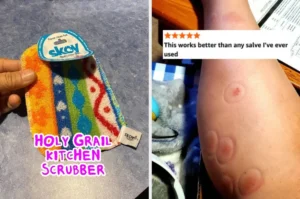

In the ever-evolving world of beauty and skincare, a pervasive myth continues to dominate consumer behavior: the idea that a higher price tag is a direct proxy for efficacy. For decades, the beauty industry has relied on "prestige pricing," convincing shoppers that if a moisturizer costs $150 or a lipstick is priced at $40, it must inherently outperform its drugstore counterparts. However, a seismic shift is currently underway. Armed with social media transparency, viral ingredient breakdowns, and a growing community of informed reviewers, consumers are increasingly turning to affordable, high-performance alternatives that prove luxury is not a requirement for a top-tier beauty routine.
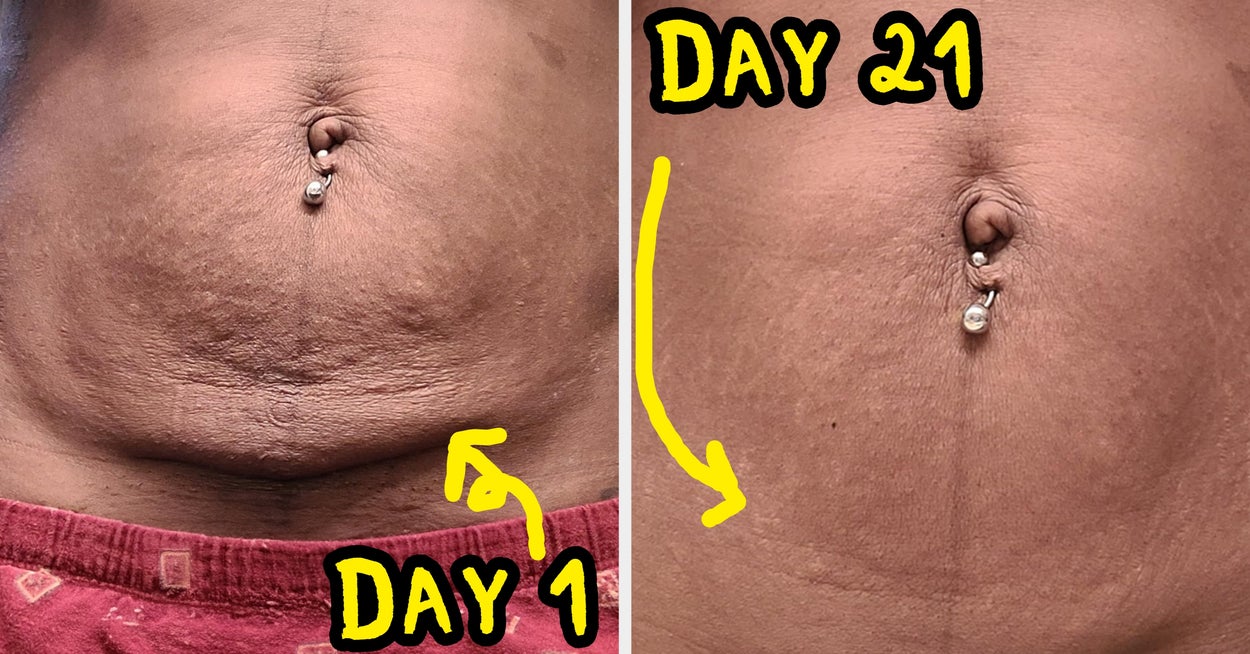
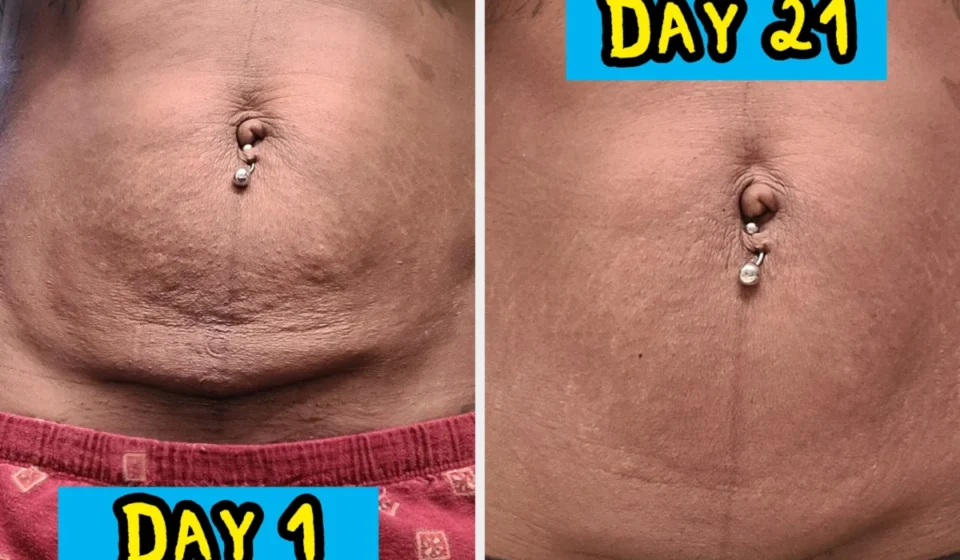
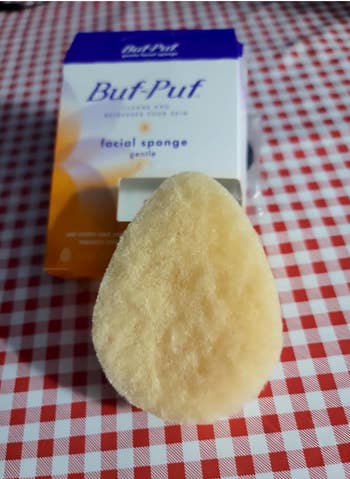
The modern beauty landscape is no longer defined by brand prestige, but by ingredient integrity. From $1 lipsticks that rival heritage luxury brands to $4 facial sponges that perform better than high-end medical-grade exfoliators, the "dupe" culture has evolved into a movement of fiscal responsibility and savvy self-care.
The Science of Value: Why Price Doesn’t Always Equal Performance
At the core of this shift is a fundamental change in consumer literacy. Thanks to platforms like TikTok and Instagram, beauty enthusiasts now possess a granular understanding of active ingredients like retinol, hyaluronic acid, and niacinamide. When a shopper realizes that a $10 drugstore serum contains the same concentration of active ingredients as a $90 boutique equivalent, the illusion of the luxury price tag begins to crumble.
This is not merely about finding a "cheap version" of a product; it is about recognizing value engineering. Many mass-market brands are owned by the same conglomerates that own luxury houses, often sharing research facilities, formulation technology, and supply chains. The result is a democratized beauty market where the difference in cost often comes down to marketing budgets and brand positioning rather than the potency of the formula itself.
Chronology of the "Dupe" Movement
The rise of affordable beauty has been a multi-year evolution:
- Pre-2015: Beauty discovery was largely dictated by department store counters and beauty magazines. Price was synonymous with quality in the consumer psyche.
- 2015–2019: The "Beauty Guru" era on YouTube introduced the concept of the "drugstore dupe." Influencers began comparing affordable items to high-end products, showing side-by-side applications to millions of viewers.
- 2020–2022: The pandemic forced a shift toward online shopping and simplified routines. As people spent more time at home, they relied on peer-reviewed content rather than salesperson pitches.
- 2023–Present: A cost-of-living crisis has solidified the trend. Consumers are no longer just looking for "dupes" for fun; they are looking for reliable, effective staples that allow them to maintain their skincare and makeup routines without breaking their household budgets.
The Power of Community-Driven Validation
One of the most compelling aspects of this new shopping era is the role of the "promising review." Unlike traditional advertising, which is curated to highlight only the positive, community reviews offer a raw, real-world perspective.
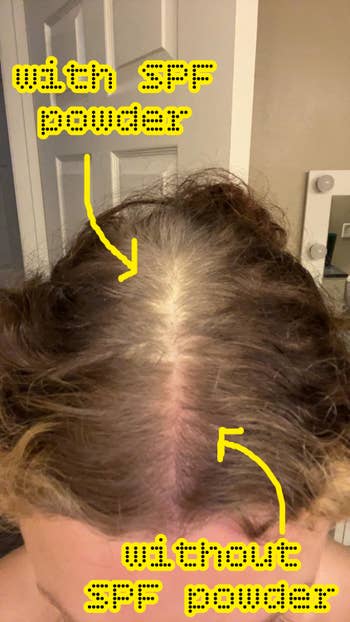
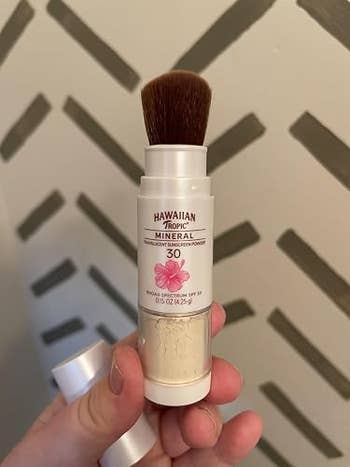
For instance, consider the viral success of affordable sunscreen powders. While luxury brands have sold mineral powder sunscreens for nearly $70 for years, consumer demand eventually pushed mass-market brands to bridge the gap. Users on platforms like Amazon now openly share their experiences, noting that while they may need to reapply more frequently than a high-end, water-resistant formula, the convenience and price point make it a "lifesaver" for daily use. This feedback loop allows brands to iterate faster and keeps consumers informed about the specific use cases of each product.

Strategic Skincare: Where to Save and Where to Invest
To maximize a beauty budget, experts suggest a strategic approach. While high-end products often boast elegant packaging and sophisticated fragrance profiles, mass-market products are increasingly winning on clinical results.
1. The Power of "One-and-Done" Multi-Use Products
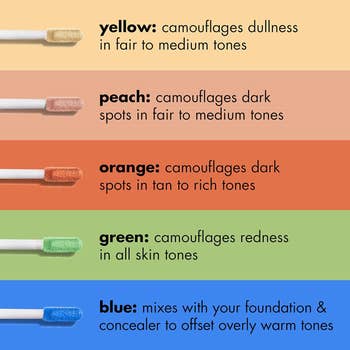
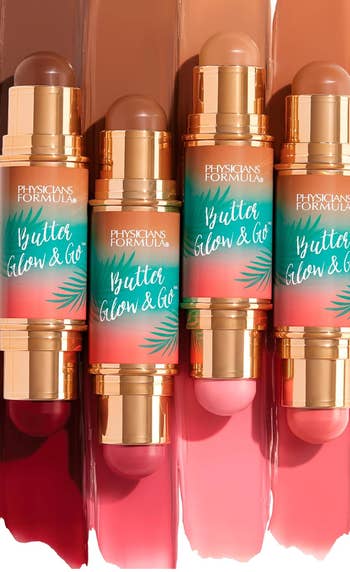
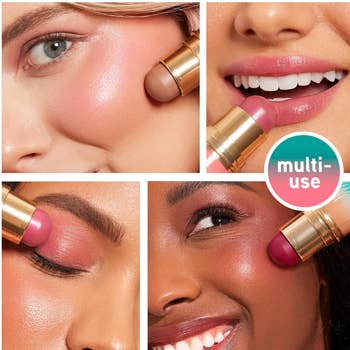
The market is seeing a surge in dual-ended sticks and multi-use balms. Products like the Physicians Formula Butter Glow & Go Stick allow users to contour, bronze, and blush with a single tool. By investing in versatile products, consumers reduce the total number of items they need to purchase, effectively halving their beauty spending while maintaining a professional-looking finish.

2. Retinoids and Active Ingredients
For anti-aging, the focus should be on the delivery system of the active ingredient rather than the brand name. Products like RoC Retinol Night Cream have long been the gold standard in dermatologist recommendations precisely because they offer clinically proven efficacy at a fraction of the cost of boutique retinol treatments. When a consumer uses a high-quality, scientifically backed formula, they are paying for the chemical efficacy, not the "prestige" label.
3. The "Tubing" Mascara Phenomenon
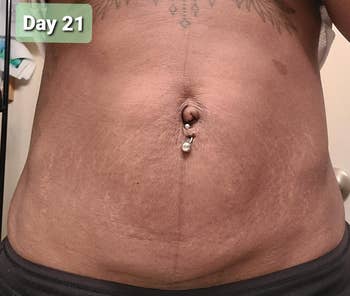
Perhaps the most significant victory for budget beauty is in the mascara category. High-end brands have long charged upwards of $30 for tubing mascaras—formulas that create water-resistant polymers around each lash. However, the emergence of E.l.f. Lash Xtndr Tubing Mascara for under $10 has changed the game. Users report that it outperforms luxury versions by staying put all day and, most importantly, sliding off easily with just water, preventing the damage caused by harsh makeup removers.
Official Industry Stance and Consumer Implications
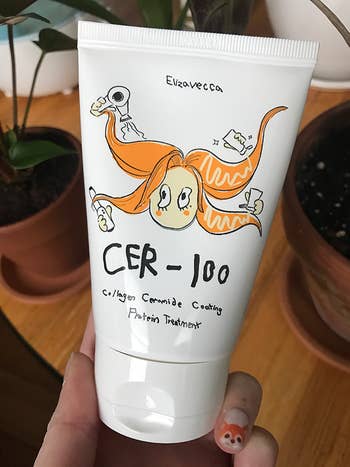
While beauty conglomerates are often quiet about the rise of "dupes," their actions speak volumes. Many major manufacturers have begun reformulating their lower-cost lines to incorporate the same trending ingredients—such as peptides, squalane, and ceramides—that were previously reserved for their "prestige" divisions.
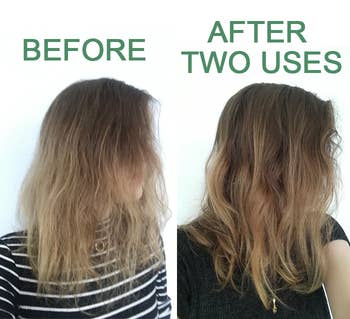
For the consumer, the implications are clear: the power dynamic has shifted. The modern shopper is empowered to demand more for their money. By prioritizing ingredients over branding, individuals can curate a high-performing vanity that addresses their skin’s needs without the financial burden of luxury markups.
Conclusion: A More Inclusive Future
The democratization of beauty is, at its heart, an inclusive movement. By providing high-quality, effective products at accessible price points, the industry is allowing more people to participate in self-care rituals that were once gated by high costs. Whether it is a $1 lipstick that matches a $30 designer shade or a $9 cleanser that respects the skin barrier, the message is the same: beauty is not a luxury—it is a personal choice that should be accessible to everyone, regardless of their budget.
As we look toward the future, the trend of transparency and value-based purchasing is likely to accelerate. The brands that will thrive in this new environment are those that prioritize the efficacy of their formulas, the sustainability of their practices, and the honesty of their marketing. In the end, the best product is the one that works for you—not the one with the highest price tag.
Related posts: