

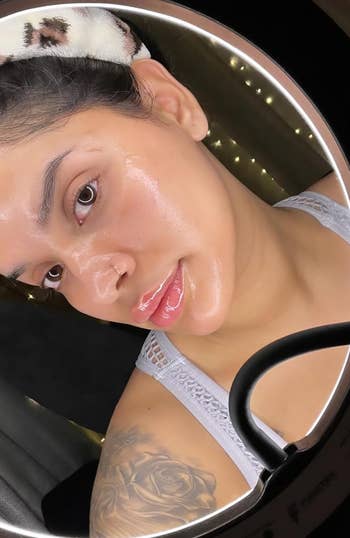
In the landscape of modern beauty, few movements have been as transformative as the rise of K-beauty. Once considered a niche interest for dedicated enthusiasts, Korean skincare has now firmly entrenched itself in the mainstream global market. By prioritizing long-term skin health, gentle yet effective ingredients, and the pursuit of a radiant, hydrated "glass skin" aesthetic, K-beauty brands have captured the attention of consumers across all demographics.
From innovative sunscreens that leave no white cast to multi-purpose balms that hydrate on the go, these products are not just fleeting trends—they are high-performance tools that have earned their place in the daily regimens of millions. This report explores some of the most highly regarded K-beauty essentials currently making waves on the global market.
The Foundations of a Radiant Routine
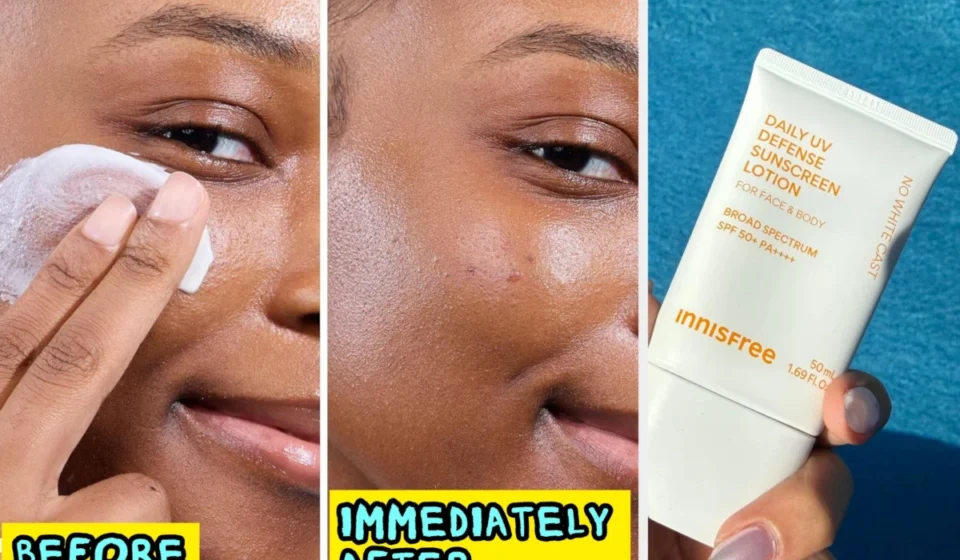
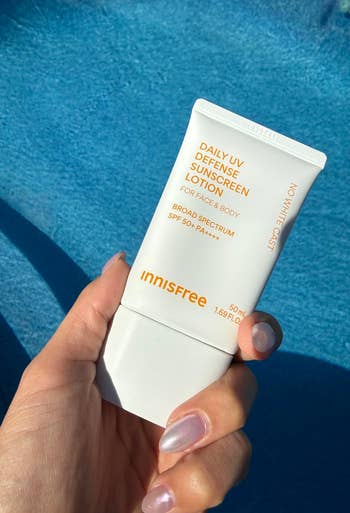
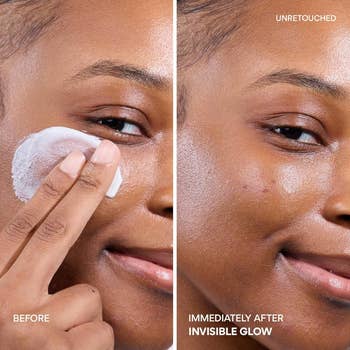
The cornerstone of any K-beauty routine is effective protection and cleansing. The Innisfree Daily UV Defense Sunscreen ($18+) has emerged as a "holy grail" for daily wear. Formulated with green tea for hydration, cica to soothe inflammation, and sunflower seed oil to nourish, it manages to provide SPF 50 protection while leaving a luminous finish without the dreaded white cast. Users consistently report that it layers perfectly under makeup, proving that sun protection doesn’t have to be heavy or chalky.
Complementing this, the Anua Pore-Clearing Cleansing Oil has become a staple for those practicing the "double cleansing" method. This technique, which involves using an oil-based cleanser followed by a water-based one, is designed to thoroughly purge pores of sebum and makeup residue. Enthusiasts note that despite its efficacy, the formula is gentle enough for those with acne-prone skin, successfully clearing blackheads without triggering new breakouts.
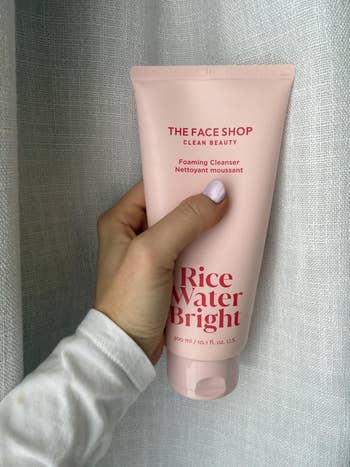
For those with highly sensitive skin, The Face Shop’s Rice Water Bright Foaming Cleanser ($11.99+) remains a gold standard. Infused with rice water, which is traditionally used in Asian skincare for its brightening properties, this cleanser produces a rich, dense lather that removes impurities without stripping the skin’s essential moisture barrier.
Targeted Treatments for Lasting Results
Beyond the basics, K-beauty is celebrated for its targeted treatment options that address specific concerns like texture, aging, and dullness.
The Meditherapy Retinal Skin Booster Serum ($19.99) represents a shift toward more potent, yet accessible, anti-aging solutions. By utilizing retinal—a more powerful relative of retinol—balanced with calming Centella asiatica, this serum allows users to reap the benefits of vitamin A with minimal irritation. Similarly, the Beauty of Joseon Eye Serum ($11.90+) has gained notoriety for its ability to brighten the under-eye area. With a potent blend of ginseng and retinal, it targets elasticity and fine lines, providing a luxurious experience at a fraction of the cost of luxury alternatives.

For hydration, the Torriden Hyaluronic Acid Serum ($20.25) has become a fan favorite for its ability to penetrate deeply and plump the skin. It is frequently cited as a "must-have" for anyone struggling with dullness or dehydration, particularly in changing climates.

Hair and Body: The Holistic Approach
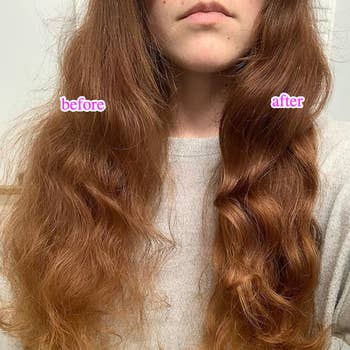
The K-beauty philosophy extends beyond the face. Hair health is treated with the same level of care as facial skincare. The Elizavecca CER-100 Collagen Protein Treatment ($6.99) has become legendary for its ability to repair fried, bleached, and damaged hair. Infused with protein extracts, this five-minute mask is a budget-friendly alternative to high-end salon treatments. For those battling frizz, the Mise-en-scène Perfect Serum ($18.99+)—a blend of seven nourishing oils including argan, coconut, and jojoba—provides a silky, weightless finish that keeps hair manageable for days.
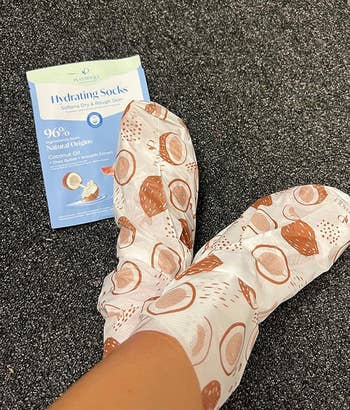
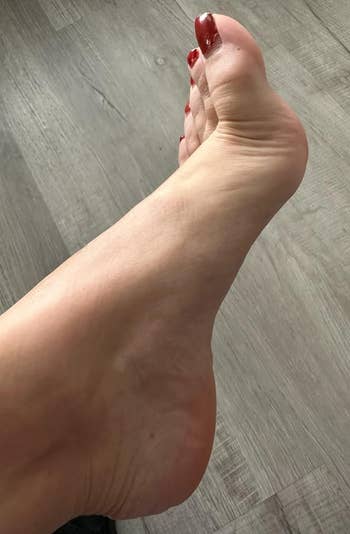
Foot care, often overlooked, is also addressed with precision. The moisturizing foot booties ($9.99) offer an immediate hydration solution for cracked heels, bypassing the week-long peeling process associated with traditional chemical foot masks.
The Intersection of Makeup and Skincare
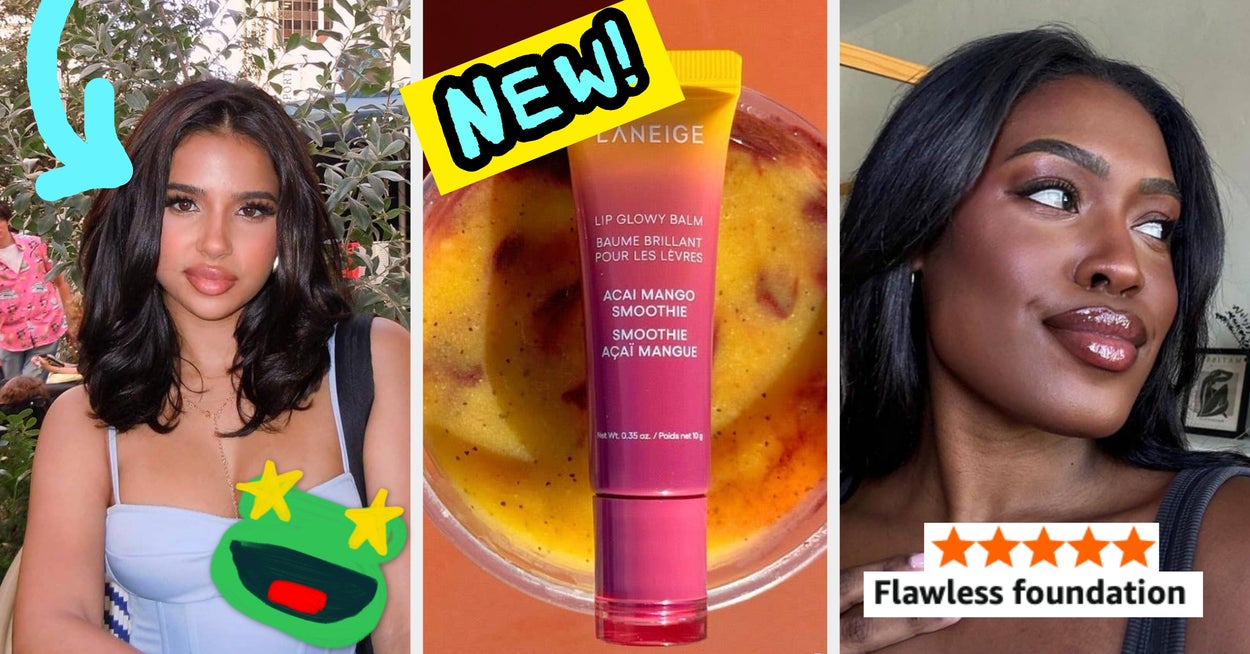
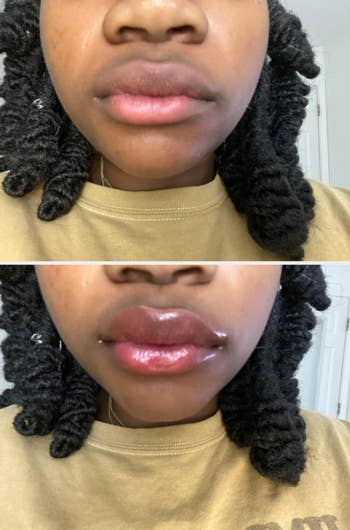
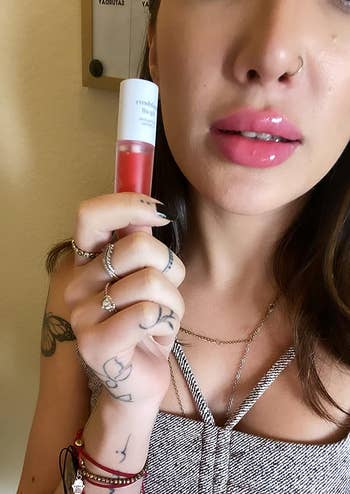
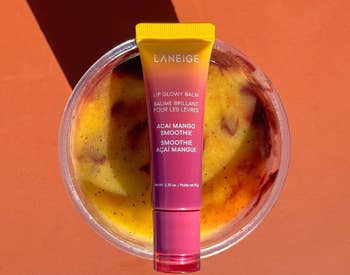
A key tenet of the Korean beauty philosophy is that makeup should enhance, not mask, the skin. This is evident in the popularity of hybrid products. The Nooni Tinted Appleberry Lip Oil ($9.99) and the Laneige Glowy Lip Balm ($19) offer high-shine, hydrated finishes that act as both a cosmetic pop of color and a nourishing treatment for dry, flaky lips.

Similarly, the TirTir Cushion Foundation ($18.75+) has gained massive traction on social media platforms like TikTok for its ability to provide buildable coverage that remains breathable. With 40 shades available and various finishes—from dewy to matte—it caters to a wide array of skin tones and types, further proving that Korean formulations are becoming increasingly inclusive.
Chronology of the K-Beauty Boom
- 2010s: The rise of the "10-step routine" introduces Western consumers to the concepts of essence, ampoules, and double cleansing.
- 2017: Brands like SeoulCeuticals begin to bridge the gap by combining Korean ingredient philosophy with US-based manufacturing.
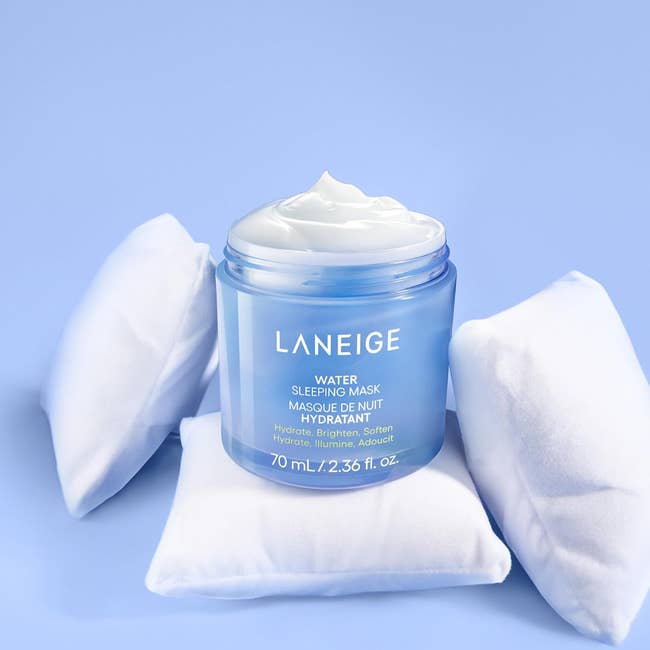
- 2020–2023: Social media platforms like TikTok accelerate the "viral product" cycle. Products like the Mixsoon Bean Essence and Laneige Water Sleeping Mask become staples due to real-time, user-generated demonstrations.
- 2024–Present: A shift toward "skinimalism" and barrier repair dominates, favoring multifunctional products like the Kahi Multi-Balm and barrier-focused creams from brands like Etude.
Supporting Data and User Feedback
The efficacy of these products is reflected in consistently high user satisfaction rates. Many of the aforementioned items, such as the Anua Niacinamide Serum ($16.20), are praised not just for their aesthetic results, but for their ability to improve skin barrier health. Reviewers often note that they have replaced expensive, high-end products with these more affordable, effective Korean alternatives.
The data suggests that transparency in ingredients—such as the clear labeling of percentages for active ingredients like niacinamide or centella—has empowered consumers to make more informed decisions about their skincare, leading to higher brand loyalty.
Official Perspectives and Brand Integrity
Brands like SeoulCeuticals highlight the importance of authenticity. By working with Korean consultants and sourcing ingredients directly from South Korea while maintaining production in state-of-the-art facilities, these brands ensure that the "K-beauty" label is not just a marketing gimmick but a commitment to quality.
Furthermore, the rise of "beginner-friendly" retinoids and exfoliants suggests that companies are paying closer attention to the potential for consumer misuse. By including soothing agents like Centella asiatica in stronger formulas, brands are mitigating the risks associated with potent actives, thereby fostering a safer user experience.
Implications for the Global Beauty Industry
The sustained success of these 34 products—and the thousands like them—signals a permanent shift in consumer expectations. The "glass skin" trend has forced global beauty conglomerates to pivot toward ingredients that provide hydration and skin-barrier support rather than just coverage.
As consumers become increasingly educated about skin health, the demand for transparency, efficacy, and affordability will continue to drive innovation. The K-beauty movement has demonstrated that beauty is not about covering up flaws but about nurturing the skin so that it can be its healthiest, most radiant self. Whether it is a $7 hair mask or a $68 enzyme peel, the underlying message is clear: intentional, well-researched skincare is no longer a luxury—it is an accessible standard.