Meetup’s Evolution: A Deep Dive into the 2026 Strategic Roadmap and the Future of Community Building

As the calendar turns toward 2026, the digital landscape of social connection is undergoing a significant metamorphosis. Meetup, the platform synonymous with grassroots organizing and real-world networking, has reached the conclusion of a pivotal 2025—a year defined by aggressive infrastructure overhauls and a design-centric philosophy. With the recent completion of a top-to-bottom mobile redesign, the company is pivoting toward a future focused on reducing friction for organizers and fostering deeper, more confident social interactions for its millions of users.
Main Facts: The Strategic Pivot
The core of Meetup’s strategy moving forward rests on three foundational pillars: the completion of a modern mobile experience, the simplification of the community-building process, and the cultivation of member confidence.
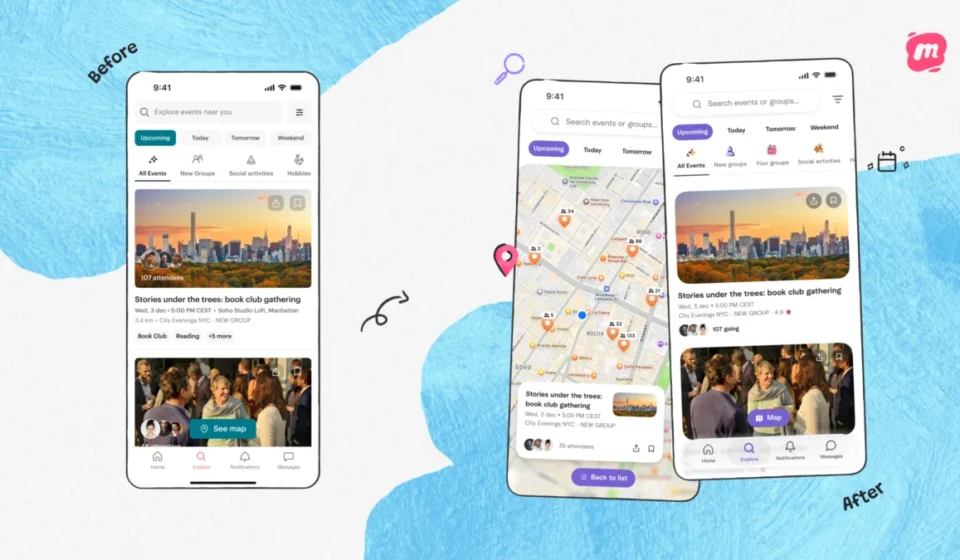
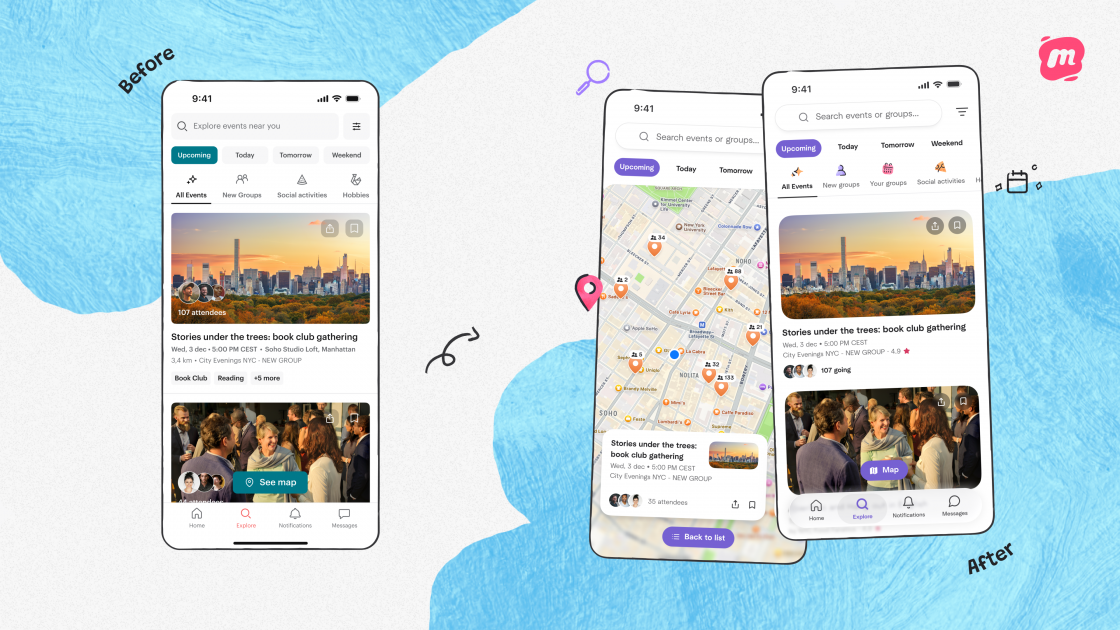
The most immediate milestone was the rollout of the refreshed mobile interface on December 18, 2025. This followed the web platform’s redesign earlier in October. These visual and functional changes were not merely aesthetic; they represent a fundamental commitment to a "human-first" interface that prioritizes accessibility and ease of use. Having stabilized the platform’s core, Meetup is now shifting its engineering resources toward long-term initiatives that aim to make the transition from a casual member to a community leader as seamless as possible.
A Chronology of Transformation: 2025 to 2026
The trajectory of Meetup’s development over the last twelve months reveals a deliberate, phased approach to product evolution.
Early 2025: Strengthening the Foundation
The first half of the year was dedicated to "reliability and efficiency." The engineering team rolled out essential features designed to streamline the experience for organizers, most notably:
- Public Group Reviews: Increasing transparency and social proof for potential attendees.
- Direct Review Responses: Empowering organizers to manage their group’s reputation and engage directly with feedback.
- Google Calendar Integration: A highly requested utility that automated event scheduling, reducing the administrative burden on event creators.
Late 2025: The Design Overhaul
In October, Meetup unveiled a comprehensive redesign for its web interface. The objective was to strip away digital clutter and emphasize the human element of the gatherings. By December 18, this redesign was finalized across the mobile ecosystem, ensuring that whether a user is accessing the platform via a smartphone or a desktop, the experience remains intuitive, modern, and inviting.
2026 and Beyond: The Growth Phase
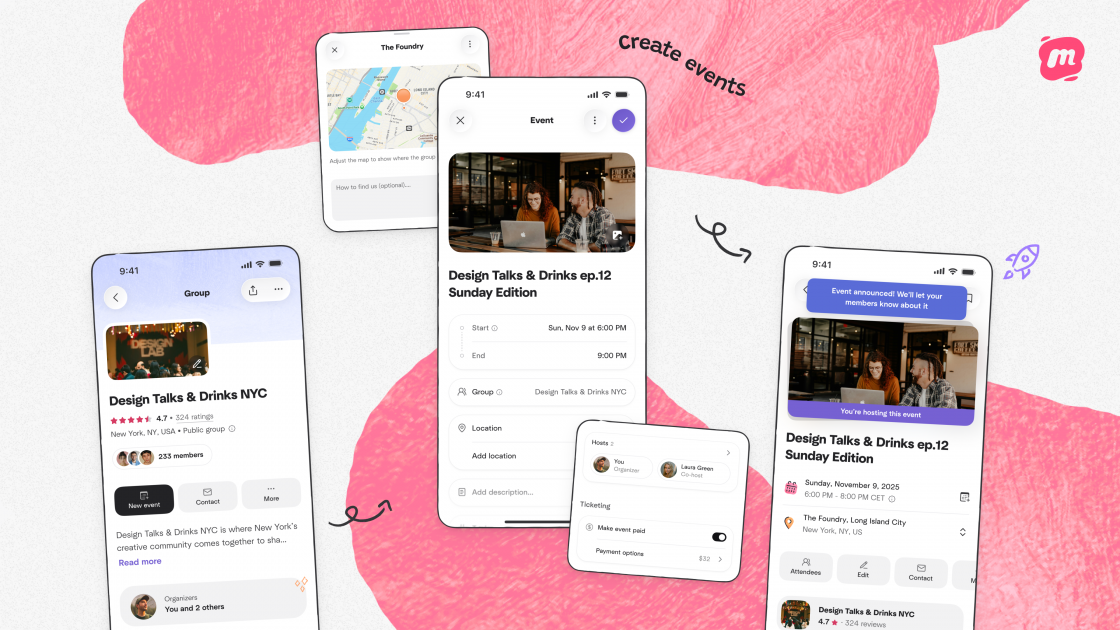
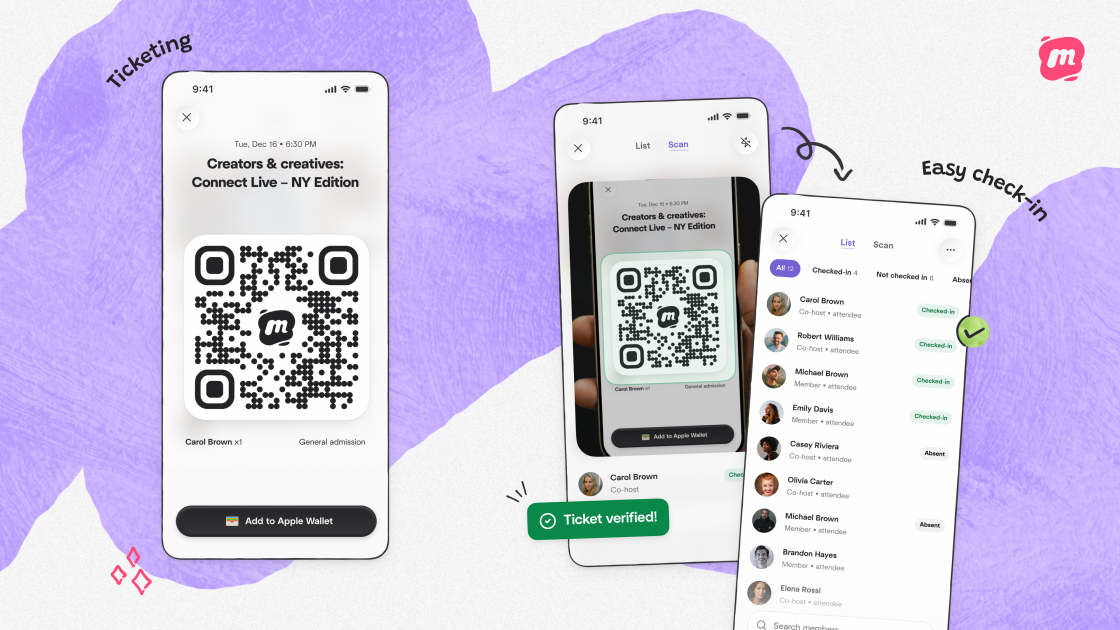
With the infrastructure modernized, the current roadmap—already underway—focuses on the "social mechanics" of the platform. This includes optimizing the "Meetup Starter" tier, enhancing ticketing functionality, and introducing sophisticated profile and reputation systems that encourage consistent, high-quality engagement.
Supporting Data: Why These Changes Matter
The necessity of these updates is backed by the unique behavioral patterns of the Meetup user base. Internal data from the company highlights a crucial statistic: 75% of all Meetup organizers began their journey as members.
This "Member-to-Organizer" pipeline is the engine of the platform’s growth. It signifies that Meetup is not just a discovery engine for events, but a talent incubator for community leaders. By reducing the technical and psychological barriers to creating a group, Meetup aims to expand its reach organically.
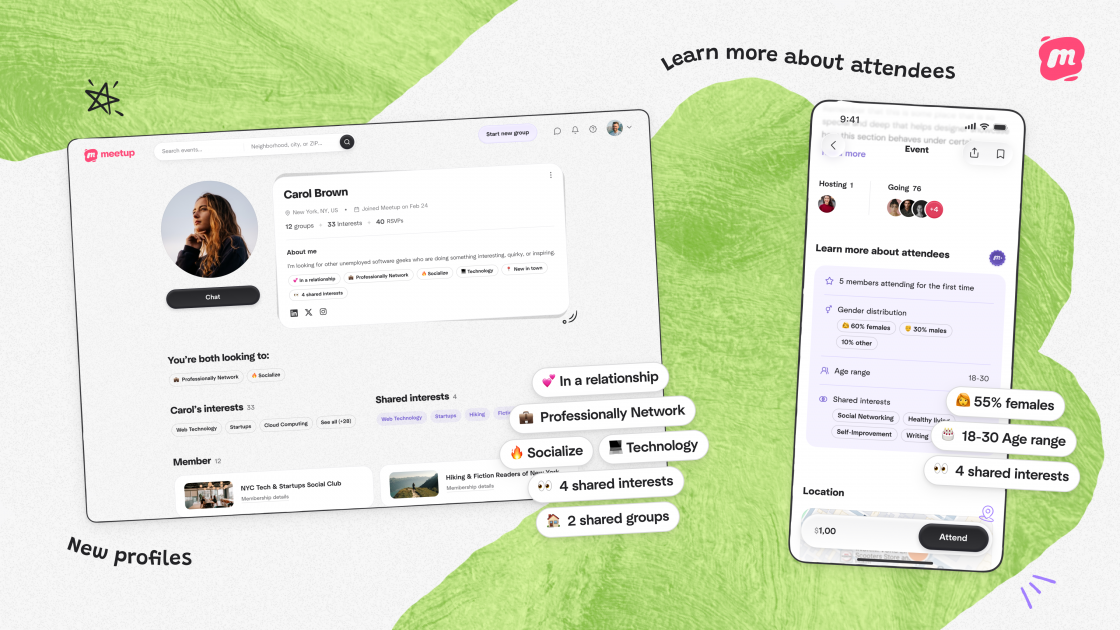
Furthermore, the focus on "confidence-building" is a response to a common pain point: the "first-time attendee" anxiety. Market research indicates that users are significantly more likely to attend an event if they can discern the composition of the group—such as age ranges, professional backgrounds, and shared interests—before they ever RSVP. The upcoming 2026 initiatives are specifically engineered to provide this context, thereby increasing RSVP conversion rates and reducing the "no-show" phenomenon that often plagues social event platforms.
Official Perspective: Leadership’s Vision
Chiara, representing the leadership team at Meetup, has framed these advancements as a commitment to the "moments that matter." In a recent reflection on the company’s progress, the focus was placed on the holistic experience of the user—before, during, and after an event.
"Our goal in 2025 was to give the platform a more inspiring and human feel, while keeping its core identity and functionality fully intact," the company noted in its year-end review. By finalizing the mobile design, the company believes it has cleared the path for deeper connection. The shift in 2026 will not just be about adding features, but about refining the quality of interaction. Leadership maintains that by listening closely to the organizer feedback loop, they can iterate on a platform that feels less like a utility and more like a community catalyst.
The Three Key Initiatives for 2026
The 2026 roadmap is anchored by three specific, highly anticipated development tracks:
1. Modernizing the Mobile Experience
The "delightful" mobile experience is not just a visual upgrade. It is an engineering overhaul that ensures high-speed, intuitive navigation. For a platform that relies on real-time event discovery, the responsiveness of the mobile app is a critical success factor. Users can expect improved navigation, faster load times, and a cleaner interface that prioritizes local events based on user intent.
2. Effortless Community Building
Meetup is aiming to lower the barrier to entry for new organizers. This involves:
- Streamlined Onboarding: Reducing the steps required to launch a group.
- Unified Management Tools: Ensuring that the "Meetup Starter" plan is scalable, allowing organizers to graduate to higher-tier features as their communities grow.
- Integrated Ticketing: A move to make monetization and event management seamless, allowing organizers to focus on the content of their events rather than the logistics of attendee tracking.
3. Greater Member Confidence
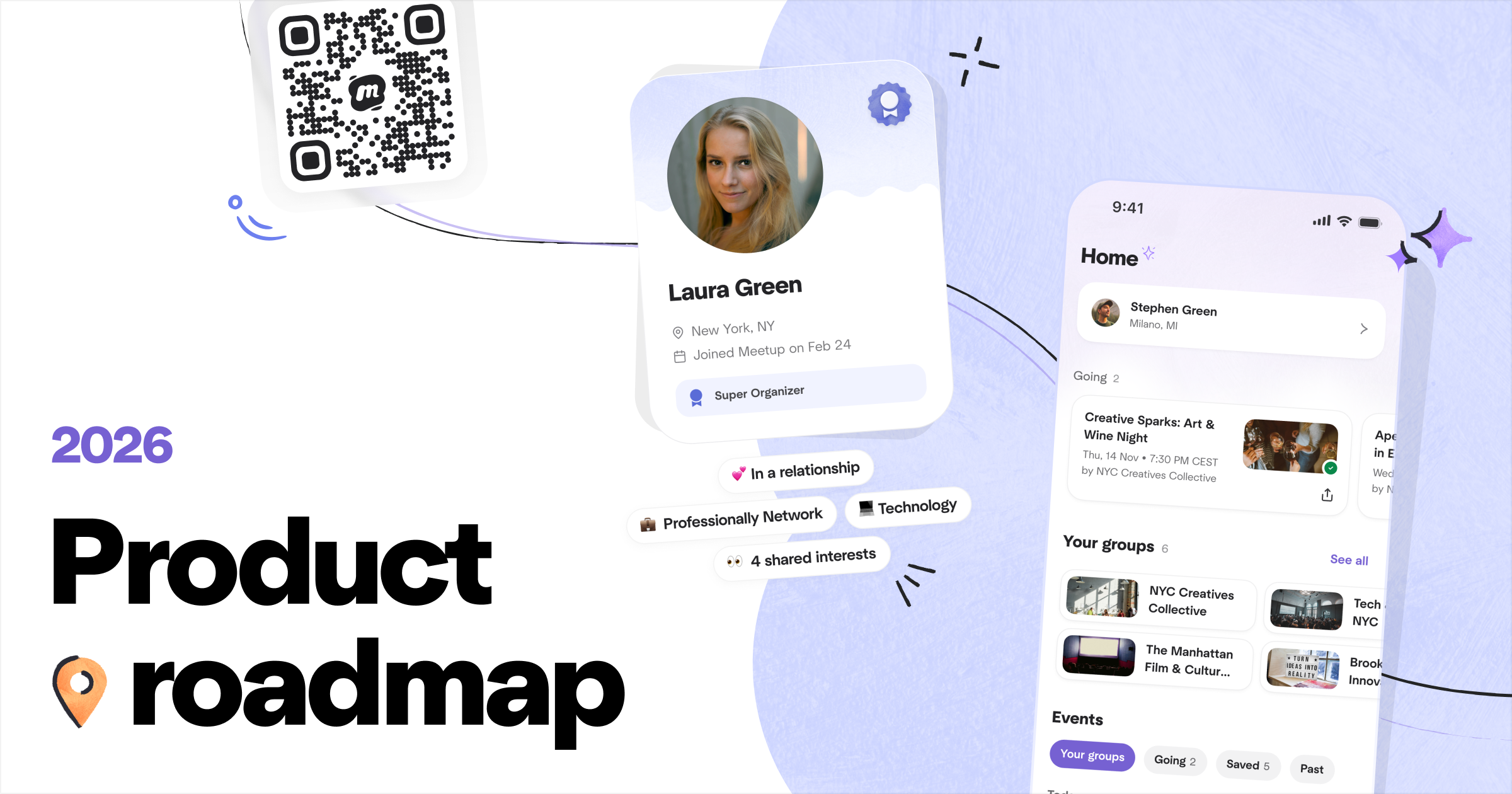
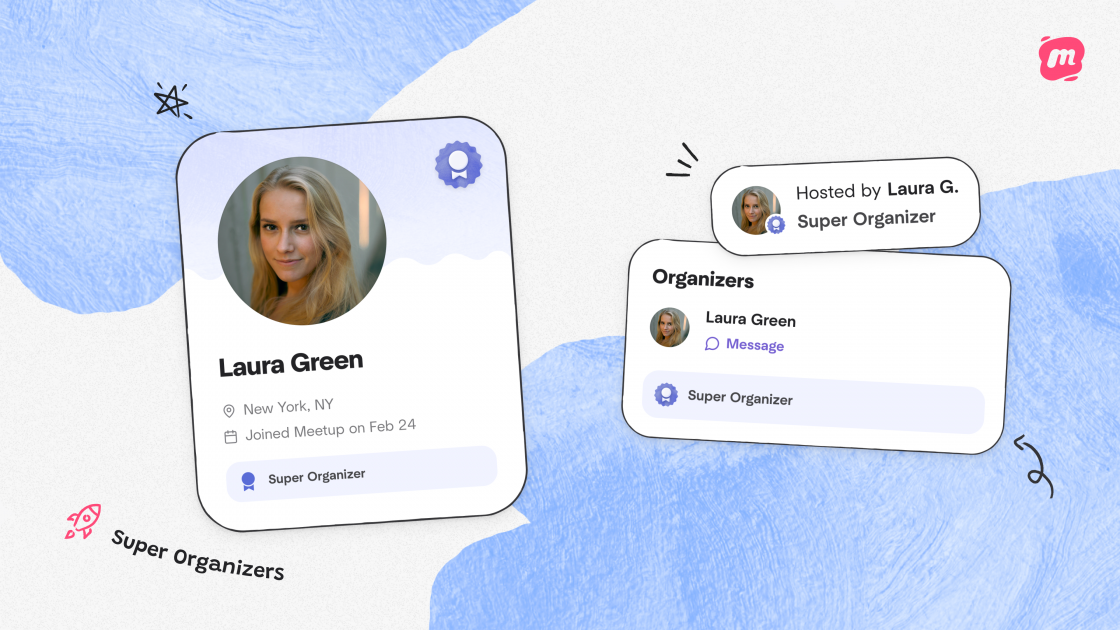
The final, and perhaps most vital, initiative involves humanizing the digital profiles on the platform. By providing more comprehensive, verified, and interest-aligned profile data, members can gauge the "vibe" of a group before showing up. This also includes the introduction of "Super Organizers"—a reputation-based system designed to highlight vetted, highly active, and reliable leaders. This builds trust within the ecosystem, turning anonymous digital RSVPs into genuine real-world connections.
Implications for the Future
The implications of this roadmap are clear: Meetup is moving away from being a generic event listing board toward becoming a sophisticated social-connection engine. By focusing on the "human" aspect of organizing, they are positioning themselves to capture a market that is increasingly seeking alternatives to impersonal, algorithm-heavy social networks.
As the platform matures into 2026, the success of these initiatives will be measured by two primary metrics: the retention rate of new organizers and the frequency of repeat event attendance among members. If the current trajectory holds, Meetup will succeed in its mission to make the world feel a little smaller, a little friendlier, and significantly more connected.
For the community of organizers and members who rely on Meetup to build their local networks, the message is one of continuity and ambition. The platform is not just changing its look; it is evolving its purpose to meet the demands of a post-digital-fatigue society that is hungrier than ever for authentic, face-to-face interaction. The transformation is well underway, and the foundation laid in 2025 sets a high bar for the innovations that are slated to define the coming year.