Experiential Evolution: How LEO Events and the University of Tennessee are Transforming Corporate Event Education

The global meetings and events industry has undergone a massive transformation over the last decade. Once viewed primarily through the lens of hospitality, tourism, or social planning, the sector has evolved into a highly strategic, multi-billion-dollar corporate communications vertical. Modern corporate events—ranging from massive brand activations to high-stakes B2B conferences—demand a sophisticated mix of experiential marketing, technical production, graphic design, and strategic storytelling.
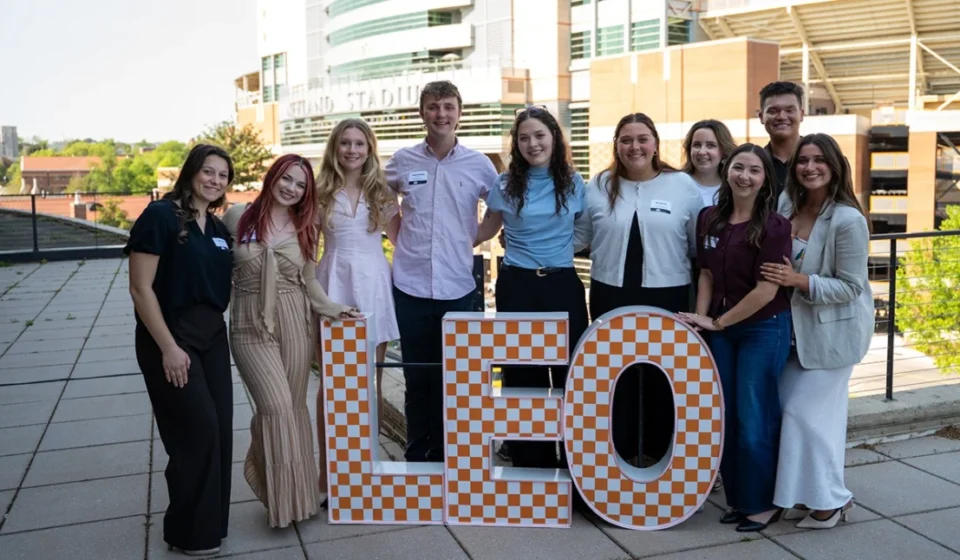
Despite this evolution, traditional higher education curricula have struggled to keep pace, often leaving communications and marketing students unaware of the lucrative career opportunities within live event production. To bridge this critical talent gap, global experiential agency LEO Events partnered with the University of Tennessee, Knoxville (UT) to launch the LEO Fellows program. This academic and professional hybrid initiative is designed to introduce communications students to the realities of corporate events and experiential production through immersive classroom instruction, rigorous practical exercises, and high-stakes onsite experiences.
Main Facts: Structuring the LEO Fellows Program
The LEO Fellows program represents a unique partnership model between a leading corporate events agency and a major public research university. Unlike traditional internship programs, which often relegate students to administrative tasks, the fellowship is structured as an intensive, year-long professional apprenticeship integrated with the university’s College of Communication and Information.
A Hybrid Educational Model
The program operates on a dual-track framework that blends classroom instruction with real-world field experience.
- On-Campus Labs: LEO Events executives travel to the UT Knoxville campus twice a year to conduct intensive, hands-on workshops. These labs simulate the fast-paced, high-stress environment of corporate agency work.
- Onsite Show Assignments: Each fellow is required to work on-site for at least two major corporate events during the academic year. These assignments are not mere site tours; students are deployed as active production, meeting, or event coordinators, working six- to seven-day stretches alongside industry veterans.
- Cross-Disciplinary Exposure: The curriculum introduces students to the diverse career paths within experiential production, including scriptwriting for corporate executives, scenic and graphic design, digital media integration, and technical stage management.
Targeting the Communications Blind Spot
The partnership specifically targets students within the College of Communication and Information. While hospitality and tourism programs have historically funneled graduates into hotel and venue management, LEO Events co-founder and principal Cindy Brewer identified a critical disconnect: communications majors possess the exact writing, storytelling, and design skills needed for high-level corporate production, yet they rarely consider the events industry as a viable career path. By framing corporate events as a form of live, experiential communication, the program redirects top-tier talent from traditional media, public relations, and advertising sectors into the experiential event space.
Chronology: From Academic Alumna to Industry Pipeline
The creation and expansion of the LEO Fellows program is the result of a multi-year effort driven by industry disruption and strategic alumni engagement.
[1991] Cindy Brewer graduates from UT Knoxville with a degree in Broadcasting.
  │
[2012] Brewer co-founded LEO Events, growing it into a major B2B experiential agency.
  │
[2020] The COVID-19 pandemic halts live events, forcing LEO to rethink talent acquisition.
  │
[2021] UT College of Communication Dean conducts alumni outreach; the LEO partnership is conceptualized.
  │
[2023] LEO Events conducts a successful trial run with UT students to test integration.
  │
[Fall 2024] The official LEO Fellows program launches its inaugural student cohort.
  │
[2025-2026] The second cohort enters the program, expanding field operations.
  │
[Sept 2026] Scheduled milestone: UT entrusts LEO Fellows to execute one of its largest historical events.
1991–2012: The Foundation
Cindy Brewer graduated from the University of Tennessee, Knoxville, in 1991 with a degree in broadcasting. Due to economic disruptions caused by the Gulf War, the traditional media job market was highly competitive and volatile. Brewer navigated an alternative career path through public relations and event marketing, which ultimately led to the co-founding of LEO Events in 2012. Over the next decade, the agency grew into a powerhouse, producing large-scale corporate meetings and experiential brand activations across the United States for prominent clients such as Walmart, AutoZone, and Hilton.
2020–2021: The Pandemic Catalyst and Alumni Outreach
The COVID-19 pandemic temporarily halted the live events industry, forcing agencies to pivot to virtual formats and, eventually, hybrid models. This industry-wide pause allowed LEO Events to re-evaluate its recruitment and talent development strategies. Historically, the agency preferred hiring experienced professionals who could immediately manage complex productions. However, the post-pandemic talent landscape prompted a shift toward cultivating entry-level talent from the ground up.
Around this time, a newly appointed dean at UT Knoxville’s College of Communication and Information initiated a listening tour with alumni business owners. During a conversation with Brewer, the gap between communications curricula and the experiential events industry became clear. Brewer noted that while students were highly skilled in writing, design, and digital media, professors rarely presented corporate event production as a viable, lucrative career path.
2023–2024: Trial, Launch, and Institutionalization
To test the viability of a formal partnership, LEO Events conducted a trial run with a select group of UT students in 2023. The trial proved highly successful, demonstrating that undergraduate students could seamlessly integrate into professional, fast-paced show environments.
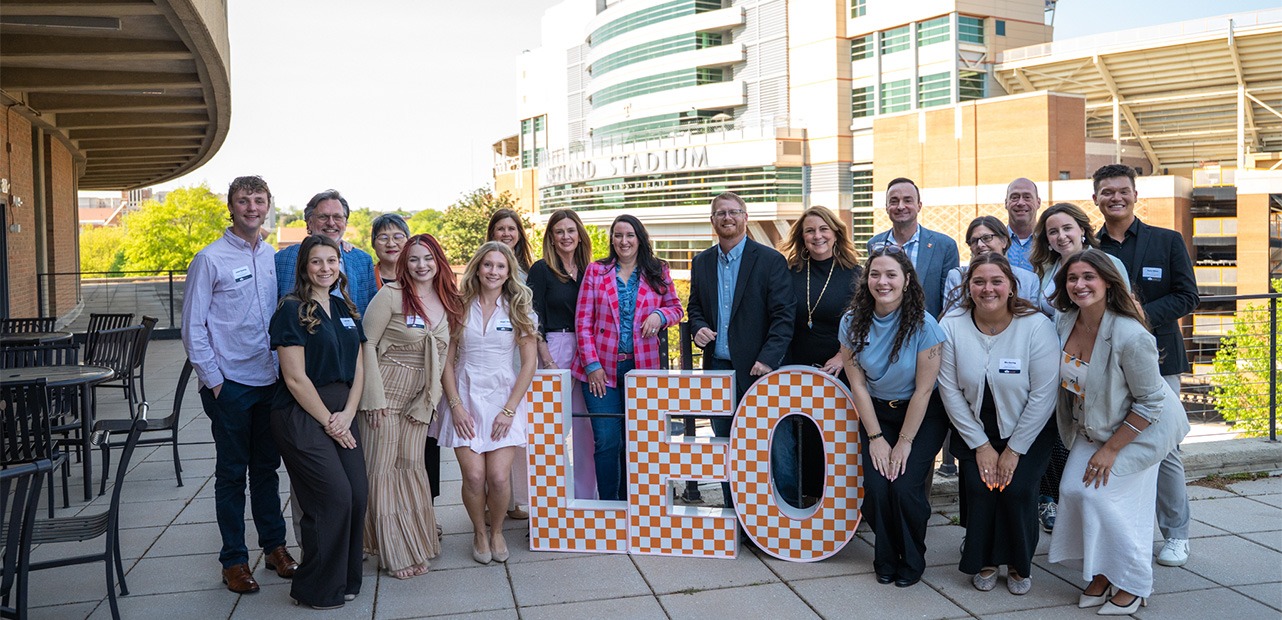
Following this proof of concept, the LEO Fellows program officially launched its inaugural cohort in the Fall of 2024. The program established a structured rhythm of campus visits, guest lectures, and onsite event deployments.
2025–2026: Scaling Up and Future Milestones
Now in its second year, the program has scaled its recruitment and academic footprint. Looking ahead to September 2026, the partnership will reach a major milestone: the University of Tennessee is scheduled to host one of the largest campus events in its history. Recognizing the capability of the students trained through the program, the university administration has formally requested that the LEO Fellows manage and execute the event under the direct supervision of LEO Events’ executive team.
Supporting Data: Measuring Program Impact and Student Outcomes
The success of the LEO Fellows program is backed by tangible recruitment metrics, curricular engagement data, and shifts in student career perceptions.
Recruitment and Employment Metrics
For a mid-sized agency, direct recruitment from academic partnerships is a key indicator of program viability. Through the combination of the LEO Fellows program, its associated apprenticeship program with UT, and its summer internship initiative, LEO Events hired six program graduates into full-time roles over a two-year period. This conversion rate highlights the program’s efficacy as a direct pipeline for industry-ready, entry-level talent.
| Program Initiative | Period | Full-Time Hires | Target Student Profile |
|---|---|---|---|
| LEO Fellows Program | 2-Year Window | 6 Hires (Combined) | UT Knoxville Communications Majors |
| Summer Internship Program | Annual | Included in above | Multi-university Outreach |
| UT Apprenticeship | Ongoing | Included in above | Local UT Knoxville Undergraduates |
Curricular Mechanics: The RFP Lab
One of the program’s most rigorous academic components is the Request for Proposal (RFP) simulation lab. This exercise provides quantitative and qualitative feedback to students on the business mechanics of corporate events:
- Team Structure: Twelve fellows are divided into two competing teams of six.
- The Challenge: Each team is issued a highly complex, fictional corporate RFP, requiring them to design an event concept, build a comprehensive budget, and outline technical production logistics.
- The Pitch: Teams present their proposals to LEO executives, who simulate a demanding client panel.
- Evaluation Criteria: Students are judged on budget compliance, creative execution, risk management, and their ability to handle real-time client objections (e.g., "How will you adjust your production values if we cut your budget by 20%?").
Diversification of Onsite Experiences
The program tracks student exposure across various event sectors to help them identify their specific professional niches. During their field deployments, fellows are exposed to a wide array of event formats, allowing them to compare and contrast different career paths:
                  ┌─────────────── LEO Fellows ───────────────┐
                  │                                           │
         ┌────────┴────────┐                         ┌────────┴────────┐
         ▼                 ▼                         ▼                 ▼
Corporate Meetings   Incentive Travel          Arena Shows       Public Activations
 (e.g., Hilton)    (e.g., Brand Retreats)   (e.g., Ryder Cup)    (e.g., CES 2024)
Official Responses: Perspectives from Agency Leadership and the Field
The reception of the LEO Fellows program highlights its mutual benefits for students, agency staff, and the broader event ecosystem.
Leadership Insights
Cindy Brewer emphasizes that the program has fundamentally changed how LEO Events views the capabilities of Gen Z and entry-level employees.
"Prior to the pandemic, we thought it would take longer to train someone than it would to hire an experienced professional who could immediately begin working. The pause created by the pandemic allowed us to reconsider what we were seeking in new talent. We realized there was immense value in reaching people at the ground level."
Brewer also notes that the program successfully reframes industry terminology for students, helping them connect their academic training to specialized roles:
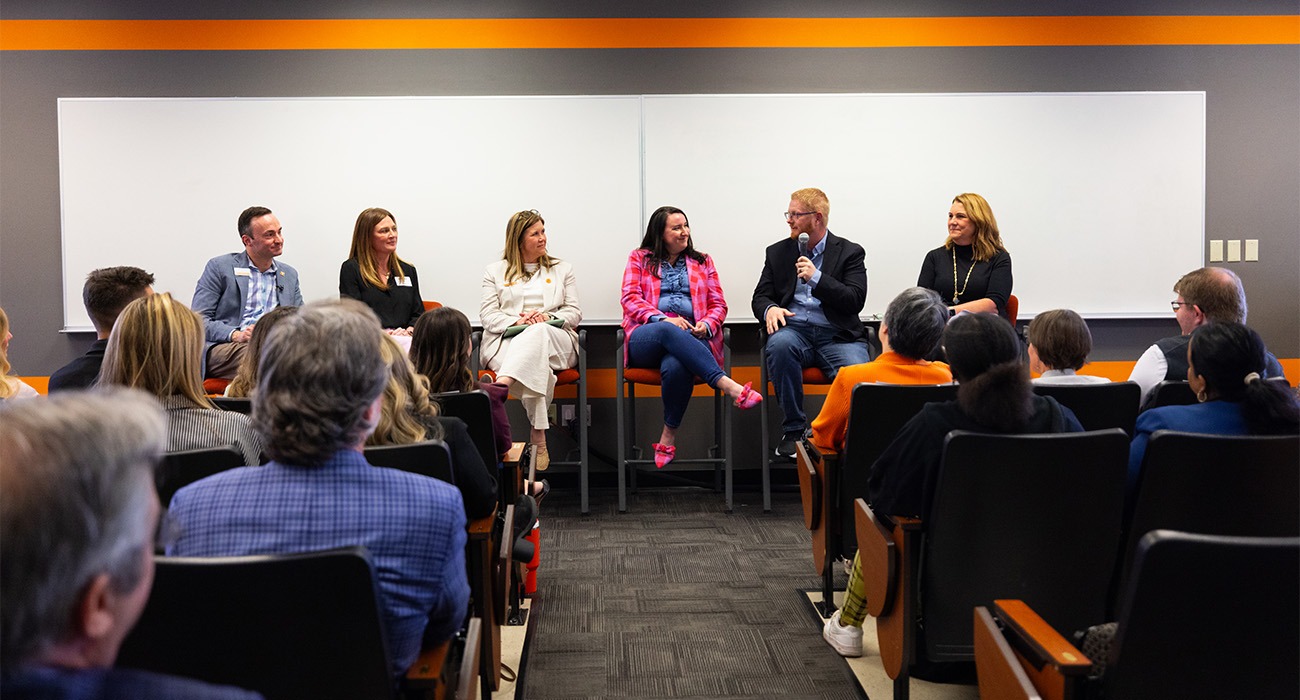
"Once we shifted the language and narrative at the University of Tennessee, we began seeing students use terms such as corporate events and corporate production. A student may be a great writer but not realize that scriptwriting for corporate meetings and events is a career. A graphic designer may not know that creating on-screen content for a brand or event agency can also be a lucrative profession."
Internal and External Reception
Initially, Brewer anticipated skepticism from seasoned production managers, freelancers, and technical vendors who might view undergraduate students as a liability on high-budget show sites. However, the feedback from the field was overwhelmingly positive.
Full-time technical directors, independent contractors, and client representatives praised the students’ professionalism, work ethic, and adaptability. According to Brewer, several of LEO’s external partners and vendors were so impressed by the fellows’ performance that they inquired about how to establish similar pipeline programs with their own alma maters, indicating a desire to replicate the model across the industry.
Implications: Redefining the Future Workforce of Experiential Production
The collaboration between LEO Events and the University of Tennessee, Knoxville, offers valuable insights for both higher education and the experiential marketing sector.
A Blueprint for University-Industry Partnerships
Traditional internships often fail because they lack structured, reciprocal integration between the classroom and the workplace. The LEO Fellows program offers a more effective blueprint:
- Curricular Alignment: The sponsoring company actively participates in classroom instruction, ensuring that academic theories align with current industry standards.
- High-Stakes Responsibility: Students are given genuine, professional responsibilities on-site, accelerating their professional maturity and boosting their confidence.
- Mutual Investment: The university gains a direct career pathway for its graduates, while the agency secures a reliable pipeline of pre-vetted, highly trained talent.
Elevating the Professional Status of Experiential Production
By positioning corporate events within the College of Communication and Information, the program helps elevate the academic and professional status of the industry. It reframes corporate event production not merely as a logistical service, but as a sophisticated communications discipline that requires strategic storytelling, media design, and brand stewardship. This shift is crucial for attracting top-tier talent who might otherwise overlook the field in favor of traditional advertising or public relations roles.
Preparing the Next Generation of Event Professionals
As the B2B live events industry continues to expand and incorporate advanced technologies like virtual reality, AI-driven personalization, and complex digital broadcasting, the demand for highly skilled, tech-savvy communications professionals will only grow.
Programs like the LEO Fellows ensure that the next generation of event professionals enters the workforce not as passive observers, but as experienced, strategic thinkers capable of managing the complex realities of modern experiential production from day one.