Beyond the Headlines: Dissecting the Reality of Overcrowding in Yosemite National Park

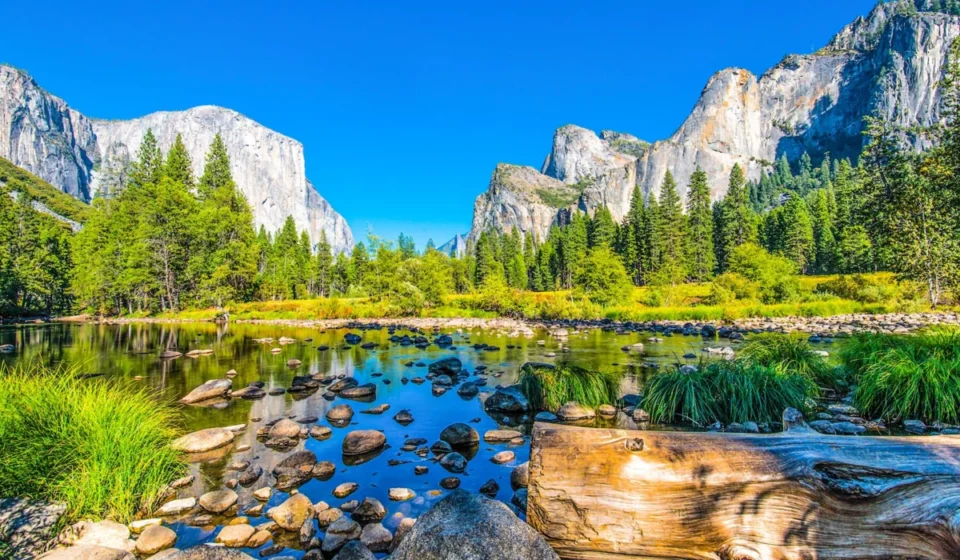
For decades, Yosemite National Park has served as the crown jewel of the American wilderness experience. As one of the most iconic landscapes in the world, its granite monoliths and towering sequoias draw millions of pilgrims annually. Recently, however, a narrative of “record-breaking overcrowding” has dominated national media, painting a picture of a park at its breaking point. But according to tourism officials in Mariposa County—one of the primary gateways to the park—the reality is far more nuanced. By analyzing visitor distribution, shifting travel behaviors, and the economic pulse of local businesses, it becomes clear that the “overcrowding crisis” is more of a media-driven perception than a sustained operational reality.
The Myth of the Summer Surge: A Data-Driven Rebuttal
The prevailing narrative suggests that Yosemite is suffering from an unsustainable, massive influx of visitors during the height of the summer. However, Jonathan Farrington, executive director of the Yosemite Mariposa County Tourism Bureau, argues that this perspective ignores the broader, more favorable distribution of foot traffic throughout the calendar year.
While it is true that the park remains a high-traffic destination, the data suggests that growth has been remarkably temperate. Park figures show a modest 4.5% increase in visitors during June, with year-to-date numbers rising by roughly 10% compared to the previous year. Farrington posits that this increase is not a concentrated summer "boom," but rather a byproduct of an unusually mild winter and spring.
“It’s important to look at the broader picture,” Farrington told Fodor’s. “Much of the year-to-date increase has occurred outside Yosemite’s traditional peak summer season.”
Due to a lack of significant snowfall, the National Park Service was able to open critical access points—including Tioga Road, Glacier Point Road, and the Mariposa Grove of Giant Sequoias—much earlier than is typical. By allowing the public to spread their visits across the late winter and spring months, the park successfully "de-congested" the high-summer period. The visitors who might have traditionally flocked to the valley in July were able to explore the high country in April and May, flattening the peak demand curve that has historically plagued the park’s infrastructure.
Chronology of Access: From Reservation Systems to Real-Time Management
To understand the current state of Yosemite, one must look at the evolution of its entry management policies. In recent years, the park experimented with a mandatory advance reservation system to control traffic flow. While the program was intended to curb overcrowding, it received mixed reviews from the public, with many complaining that the system added unnecessary bureaucratic friction to the spontaneous nature of wilderness travel.
In response to changing visitation patterns, the park has moved away from a blanket reservation requirement in favor of real-time monitoring. The National Park Service now encourages visitors to consult their dedicated website, which provides live updates on entrance wait times and parking availability.
This transition marks a shift in philosophy: rather than forcing the public to predict their travel months in advance, the park is empowering visitors to make informed, real-time decisions. Mariposa County officials note that while holiday weekends—such as Memorial Day, the Fourth of July, and Labor Day—remain peak periods for congestion, the vast majority of the year sees manageable traffic levels. The "overcrowding" often cited in headlines is frequently a snapshot of a single holiday afternoon, rather than an accurate representation of daily operations.
The Economic Paradox: Why Local Businesses Are Struggling
If the park were truly experiencing a record-shattering surge in attendance, one would expect local hospitality businesses in Mariposa County to be thriving. Instead, the narrative on the ground is one of decline.
Ron Halcrow, owner of the Yosemite Plaisance Bed & Breakfast, offers a sobering perspective that contradicts the media’s "overcrowding" trope. According to Halcrow, his business, which relies heavily on international travelers, has seen a stark downturn. "Last year, our occupancy for the year was 72% below our average occupancy of the previous ten years,” Halcrow noted.
This disparity highlights a crucial missing element in the national discussion: the disappearance of the international visitor. In a typical year, as many as 75% of Halcrow’s guests arrive from outside the United States. The current travel climate, marked by shifts in global economics and changing international tourism trends, has left a void that domestic road-trippers have not yet fully filled.
Furthermore, many lodging operators throughout Mariposa County report significant room inventory availability throughout the mid-summer period. In an unprecedented move for the peak season, several businesses are offering discounts to entice travelers—an extraordinary indicator that demand is not, in fact, outstripping supply.
Supporting Data: Yosemite’s Global Standing
To place the current situation in context, it is helpful to look at Yosemite’s position within the National Park System. In 2025, Yosemite welcomed approximately 4.2 million visitors, ranking it fifth in the nation, effectively tied with the Grand Canyon. It sits in the shadow of the Great Smoky Mountains, Zion, and Yellowstone in terms of raw volume.
Despite this high ranking, the "overcrowded" label often ignores the geography of the park itself. While the "banner attractions"—Yosemite Valley, Glacier Point, and the Mariposa Grove—experience high density, they represent only a fraction of the park’s total footprint. Approximately 95% of Yosemite is designated wilderness, protected from the reach of the average casual tourist. The challenge, therefore, is not a lack of space, but rather the concentration of visitors in specific corridors.
Mariposa County officials emphasize that two-thirds of the park’s annual visitation is compressed into a five-month window between May and September. However, the park is open year-round, and the potential for "shoulder-season" tourism is immense. From the thunderous, peak-flow waterfalls of spring to the golden hues of autumn, the park offers experiences that are largely ignored by the summer-centric tourist demographic.
Implications for the Future of Park Management
The implications of this disconnect between perception and reality are significant. If the public continues to believe that Yosemite is "too crowded" to visit, they may self-select out of the experience, inadvertently harming the local economy while leaving the park under-utilized during the quiet seasons.
For policymakers and tourism officials, the task ahead is twofold:
- Education: Shifting the visitor narrative toward the benefits of off-peak travel. By highlighting the accessibility of the park during the spring and fall, the National Park Service and local bureaus can continue to spread the visitor load, ensuring that the park’s fragile ecosystems are not over-taxed during the hottest, driest months.
- Infrastructure Advocacy: Moving the conversation from "too many people" to "smarter management." The success of real-time monitoring suggests that visitors are capable of managing their own schedules if given the right tools.
Conclusion: A Call for Balanced Perspective
The narrative of "record-breaking overcrowding" is a simplistic lens through which to view a complex, evolving ecosystem. While Yosemite remains one of the most beloved and popular destinations in the United States, it is not a park in crisis. It is a park in transition, navigating the challenges of a post-pandemic travel landscape where international arrivals are down, domestic travel habits are shifting, and the desire for wilderness experiences continues to grow.
By focusing on the facts—the data on visitor distribution, the economic reality of local lodging, and the availability of vast, uncrowded wilderness—we can reach a more balanced conclusion. Yosemite is open, accessible, and ready for visitors who are willing to look beyond the headlines and embrace the nuance of the park’s seasons. The "overcrowding" of the national media is a cautionary tale, but the reality for the thoughtful traveler is that the majesty of the Sierra Nevada remains as vast and inviting as ever.