Beyond Kentucky: Woodinville Whiskey Expands Its Elite Single-Barrel Program Nationwide

By Staff Reporter
July 24, 2026
For years, the pantheon of elite American whiskey was dominated almost exclusively by the rolling hills of Kentucky. Yet, in the quiet corners of the Pacific Northwest, a quiet revolution has been brewing—or, more accurately, distilling. Woodinville Whiskey, the Washington-based powerhouse that has long punched above its weight class, has officially announced a national rollout of its highly coveted single-barrel expressions. Previously relegated to the exclusive domain of retail partners and private whiskey clubs, these premium bottles are now stepping into the national spotlight, marking a significant milestone for the craft spirits industry.
The Evolution of a Washington Icon: Main Facts
Founded in 2010 by visionaries Brett Carlile and Orlin Sorensen, Woodinville Whiskey was built on a foundation of rigorous sourcing and uncompromising quality. Early in its journey, the distillery received the invaluable guidance of the late, legendary master distiller David Pickerell, whose influence helped shape the distillery’s commitment to traditional, time-intensive processes.
Despite being acquired by the luxury giant Moët Hennessy in 2017, Woodinville has managed to retain the soul and agility of a craft distillery. The core of their production process remains deeply rooted in the Pacific Northwest. The grain—a critical component of their distinct flavor profile—is sourced from the Omlin family farm in Quincy, Washington. Once distilled at their Woodinville facility, the spirit undergoes a unique maturation journey, traveling 200 miles to the drier, arid climate of central Washington. This specific microclimate is pivotal; the extreme temperature fluctuations between day and night in the high desert accelerate the interaction between the spirit and the new charred oak barrels, imbuing the whiskey with a depth of character rarely found in younger craft operations.
A Legacy in the Making: Chronological Development
To understand the significance of this month’s launch, one must look at the trajectory of the brand over the last decade and a half.
- 2010: Brett Carlile and Orlin Sorensen establish Woodinville Whiskey, focusing on grain-to-glass transparency.
- 2017: The distillery enters a new chapter as Moët Hennessy acquires the brand, providing the resources for long-term aging projects.
- 2024: A breakout year for the brand’s age-statement strategy, marked by the release of an 8-year-old bourbon.
- 2025: The momentum continues with the release of a 9-year-old expression, further cementing the distillery’s reputation for patient maturation.
- 2026 (Early): Woodinville pivots to a core range update, officially adding a six-year age statement to its standard labels.
- July 2026: The distillery moves its single-barrel program from private club exclusivity to a nationwide retail rollout, featuring seven-year-old expressions.
This steady climb in age statements is not merely a marketing tactic; it is a testament to the distillery’s foresight. By withholding stock for longer periods, Woodinville is demonstrating that they have moved past the "startup" phase and into an era of long-term maturation, putting them in direct competition with legacy distillers.
The Specs: Behind the Liquid
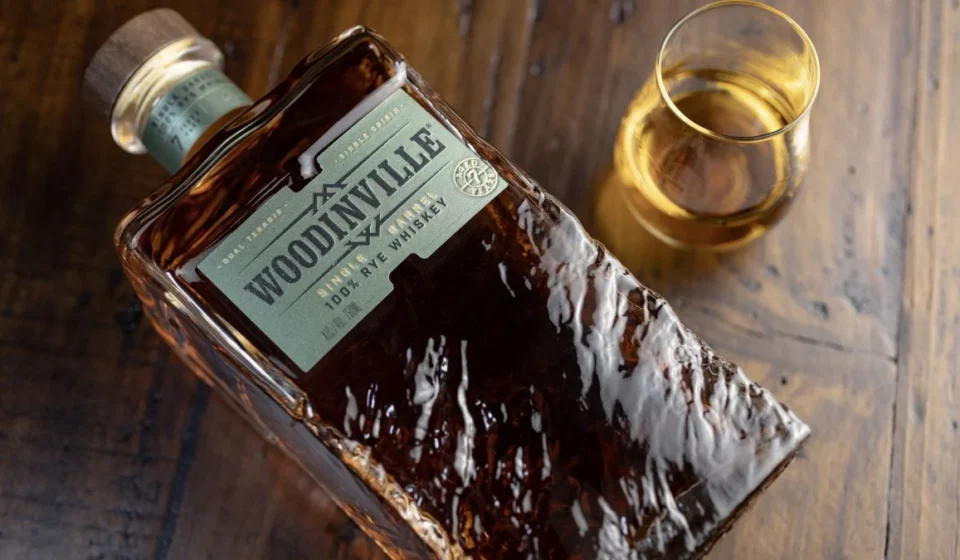
The new national offerings comprise the Woodinville Single Barrel Straight Bourbon and the Woodinville Single Barrel 100% Rye, both aged for a minimum of seven years. By extending the aging process by a full year compared to their core releases, the distillery has unlocked new tiers of complexity.
Sensory Profiles and Technical Data
While individual barrels will always exhibit nuances—the hallmark of any true single-barrel release—the distillery has established a consistent "house style."

- The Bourbon: Expect a robust backbone of toasted oak, layered with deep, sweet vanilla, caramel, and hints of dark cherry.
- The Rye: A 100% rye mashbill provides a spicy, muscular structure, balanced by notes of dried stone fruit, cinnamon, and a lingering herbal finish.
- Proofing: Unlike the watered-down versions often found in entry-level bottles, these are presented at cask strength. The distillery notes that proof points will typically range between 115 and 125.
- Accessibility: With a suggested retail price (SRP) of $70, the bottles occupy a competitive "sweet spot" in the premium market, offering high-proof, age-stated whiskey at a price point that undercuts many of the more inflated secondary-market collectors’ items.
Official Responses and Strategic Intent
"We really wanted to elevate our single barrel program," said co-founder and head distiller Brett Carlile in an official press release. "I personally taste hundreds of barrels and pick only the best ones for this offering to ensure they are something very special. All of my selections are a minimum of seven years old, which really adds a tremendous amount of depth and character to the whiskey."
This commitment to manual selection—where the distiller himself acts as the gatekeeper—is a response to the growing consumer demand for transparency and quality. In an era where "single barrel" is often used as a catch-all marketing term, Carlile is doubling down on the sensory experience, ensuring that the liquid in the bottle justifies the price tag.
Industry Implications: The Shift Toward Regional Powerhouses
The expansion of Woodinville’s single-barrel program has broader implications for the American whiskey landscape. For decades, the "Kentucky Straight" label was the only standard for quality. Woodinville, alongside a handful of other non-traditional distillers, is proving that climate, geography, and patience can produce world-class whiskey anywhere in the country.
The "Age Statement" Trend
The industry is currently witnessing a "race to age." As newer distilleries reach their first decade of operations, we are seeing a massive shift in market availability. Woodinville’s trajectory—moving from 6 to 7 to 8 and now 10-year-old releases—signals a maturation of the craft whiskey market as a whole. Consumers are no longer satisfied with young, craft spirits; they are demanding the sophisticated, mellowed profiles that only extended time in the barrel can provide.
Economic and Retail Impact
By moving these barrels into national retail, Woodinville is effectively disrupting the "whiskey club" model. While private picks have historically been a way to generate hype and exclusivity, mass-market availability allows the brand to scale its reputation. It forces retailers to make shelf space for high-end craft products that were once ignored in favor of the "Big Three" Kentucky distilleries.
Looking Ahead: The 10-Year Horizon
The news does not end with the seven-year-old releases. The distillery has confirmed that it will be releasing a 10-year-old expression later this year. This is a significant threshold. In the world of bourbon, reaching the 10-year mark is often considered the "gold standard" for flavor development, where the harshness of the alcohol has fully integrated with the sugars of the oak.
As Woodinville continues to refine its craft, the question is no longer whether they can compete with Kentucky, but rather how much of the market share they will capture. For the consumer, this is a golden age of options. The arrival of these bottles at local retailers is not just a product launch; it is a validation of the Pacific Northwest as a permanent fixture on the global whiskey map.
Whether you are a seasoned collector looking for the nuance of a 125-proof rye or a casual drinker seeking a high-quality bourbon for your home bar, the new Woodinville single-barrel program offers a rare combination of age, provenance, and accessibility. With the 10-year release on the horizon, one thing is certain: the team in Woodinville is just getting started.