From Intent to Impact: Maritz Elevates the Gold Standard for Sustainable Events

In the rapidly evolving landscape of global business travel and corporate gatherings, the definition of success is shifting. No longer is it enough to deliver seamless logistics and high-impact programming; modern event planners are increasingly tasked with balancing professional excellence with environmental stewardship. Maritz, a titan in the business events industry, has officially codified this shift, achieving the prestigious Bronze-level certification under the Events Industry Council’s (EIC) Sustainable Event Standards for its marquee events, Activate 2025 and Elevate 2026.
This milestone represents more than a badge of honor; it marks the culmination of a four-year strategic pivot aimed at fundamentally redefining how corporate events interact with the planet. By embedding rigorous sustainability frameworks into the very DNA of its event design, Maritz is setting a new benchmark for the industry, proving that environmental responsibility can—and should—coexist with high-touch, immersive attendee experiences.
The Chronology of a Green Transformation
The journey toward EIC certification began in 2021, a year defined by both global upheaval and a renewed focus on corporate accountability. Recognizing that the footprint of in-person events was a significant, yet often overlooked, component of its total environmental impact, Maritz initiated a comprehensive audit of its operational processes.
The initial phase involved data collection and baseline establishment. Rather than relying on broad industry estimates, the team began meticulously monitoring the carbon and waste footprint of its own gatherings. This data-driven approach allowed leadership to identify "hot spots"—areas where consumption was highest—and prioritize interventions that would yield the greatest environmental return.
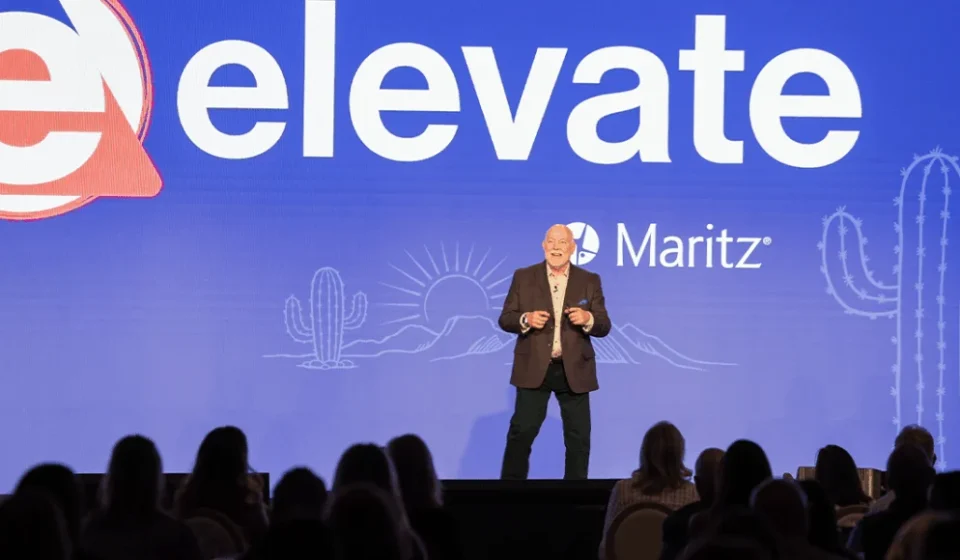
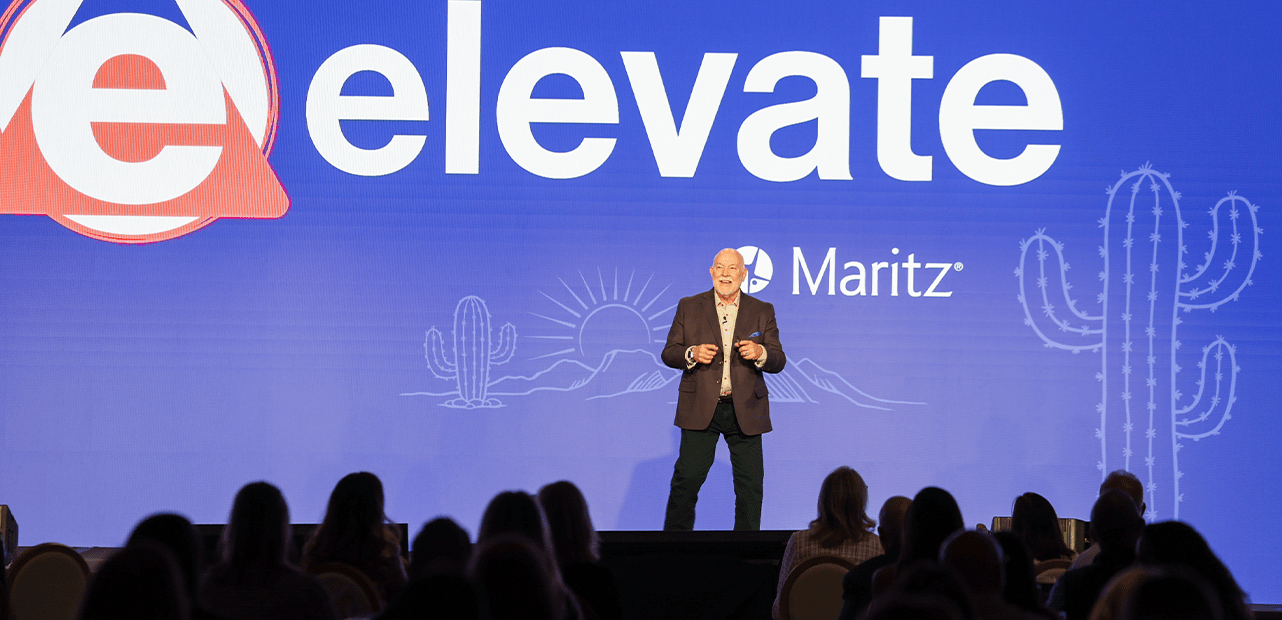
By 2025, these insights matured into actionable policies. Activate 2025 served as the proving ground for these new standards, demonstrating that the company’s internal sustainability guidelines were not just theoretical, but scalable. Following this success, the team applied these lessons to Elevate 2026, held at the Fairmont Scottsdale Princess in Arizona. Hosting more than 300 members, the event required adherence to 85 specific sustainability criteria items, ranging from energy usage and waste diversion to social impact and guest education. The successful certification of Elevate 2026 signaled that the “Maritz Sustainability Guide” was no longer a pilot program, but a permanent pillar of their event design architecture.
Data-Driven Decision Making: The Architecture of Efficiency
At the heart of the Maritz transformation lies a commitment to transparency and measurable outcomes. According to Bridget Switzer, Senior Director of the Design Studio at Maritz, the organization initially found that existing event data did not necessarily point to immediate crises, but rather highlighted opportunities for optimization.
"The data provided valuable insights that allowed us to make informed decisions and focus our efforts on where we could have the greatest impact," Switzer explains. A prime example of this was the use of transportation impact data. At an event held near their headquarters, Maritz provided attendees with detailed information regarding the carbon emissions associated with their travel choices—comparing flying, solo driving, and carpooling. By arming guests with this information, the organizers fostered a culture of shared responsibility, empowering attendees to make environmentally conscious decisions.
This reliance on data has extended to the physical components of the event itself. By meticulously tracking waste, the team discovered that signage and decor were significant contributors to landfill impact. Consequently, Maritz shifted its procurement philosophy. Today, the focus is on "intentionality"—avoiding unnecessary materials, leveraging existing venue digital displays, and prioritizing decor that is modular, reusable, or easily donated. What was once a source of single-use waste has become a community asset, with materials frequently donated to local schools and nonprofits following the conclusion of an event.
Official Perspectives: Bridging the Gap Between Plan and Practice
Achieving EIC certification is a rigorous process that demands alignment across multiple stakeholders, including venue staff, catering partners, and audiovisual contractors. Emma Davies, Maritz’s sustainability coordinator, emphasizes that the biggest hurdle was not the logistics themselves, but the need for foundational education.
"Sustainability was intentionally embedded into all aspects of planning, including every partner discussion and every banquet event order (BEO)," Davies notes. By integrating specific sustainability requirements directly into BEO language—such as mandates to avoid pre-poured beverages, utilize bulk service containers, and prohibit single-use plastics—Maritz eliminated ambiguity.
This proactive communication style is, according to the team, the "secret sauce" of their success. Many venues and suppliers possess the capacity for sustainable practices, but often lack the prompt to activate them. "We found that some of the most impactful sustainability efforts came from small conversations that uncovered opportunities we may have otherwise missed," says Davies. By establishing clear expectations at the outset, Maritz turned the certification process from a bureaucratic burden into a collaborative, efficient partnership.
Daniel Potter, Strategic Events Manager, echoes this sentiment, noting that the consistency of these practices has simplified life for everyone involved. "Because these expectations are now built into our standard processes, they are automatically included in event planning, reducing waste while improving consistency and efficiency for our teams and venue partners," Potter says.
Implications for the Future of Event Planning
The ripple effect of Maritz’s certification is perhaps the most significant long-term implication of their success. By training their internal planners through the hands-on experience of certified events, the organization is creating a workforce of sustainability strategists. These planners are now better equipped to guide their own clients through the complexities of carbon reduction without compromising the quality of the attendee experience.
The shift is a direct rebuttal to the long-standing misconception that sustainable events must be austere or less engaging. Instead, Maritz is demonstrating that sustainability can be a catalyst for innovation. Whether it is the intentionality behind food orders to minimize surplus, or the creative repurposing of event materials to benefit local communities, the "Maritz model" shows that corporate events can act as a force for good.
Furthermore, this approach provides a scalable blueprint for the wider industry. As corporate clients face increasing pressure from shareholders and the public to report on Scope 3 emissions—which include business travel and event-related waste—the expertise developed by Maritz becomes a high-value commodity. The firm is effectively shifting the market expectation: sustainability is no longer a "value-add" or a premium service; it is the new baseline for professional event management.
A Legacy of Collaboration
The success of Elevate 2026 was not achieved in a vacuum. It was the result of a cohesive ecosystem of partners committed to the same vision. From the venue support provided by the Fairmont Scottsdale Princess to the waste diversion efforts facilitated by Waste Not, the event underscored the power of local partnerships.
Key Project Contributors:
- Venue: Fairmont Scottsdale Princess
- Destination Partners: Experience Scottsdale, Visit Phoenix
- Destination Management: Hello! Arizona Destination Management, Southwest Conference Planners
- Design & Execution: PRA (Event Design), Heritage (Contractor), Encore (Audiovisual)
- Food & Sustainability: Artisan by Santa Barbara Catering, Waste Not (Food Rescue)
As Maritz continues to refine its sustainability framework, the industry watches with interest. By treating sustainability as an iterative, data-backed design challenge, the organization has proven that the path to a greener future for business events is not found in grand gestures alone, but in the meticulous, intentional, and collaborative refinement of the everyday event experience. For the corporate events sector, the message is clear: the era of "business as usual" has ended, and the era of "business as sustainable" has officially begun.