
In the competitive world of publishing, the cover art serves as the primary gateway to a story’s soul. When Armenia Edizioni commissioned an artist to design the debut fantasy novel for author RF Obsydios, the goal was clear: to capture the visceral, high-stakes tension of a classic epic fantasy through a modern digital lens. The resulting artwork is not merely a promotional asset; it is a masterclass in visual storytelling, balancing character design, environmental atmosphere, and historical grounding.
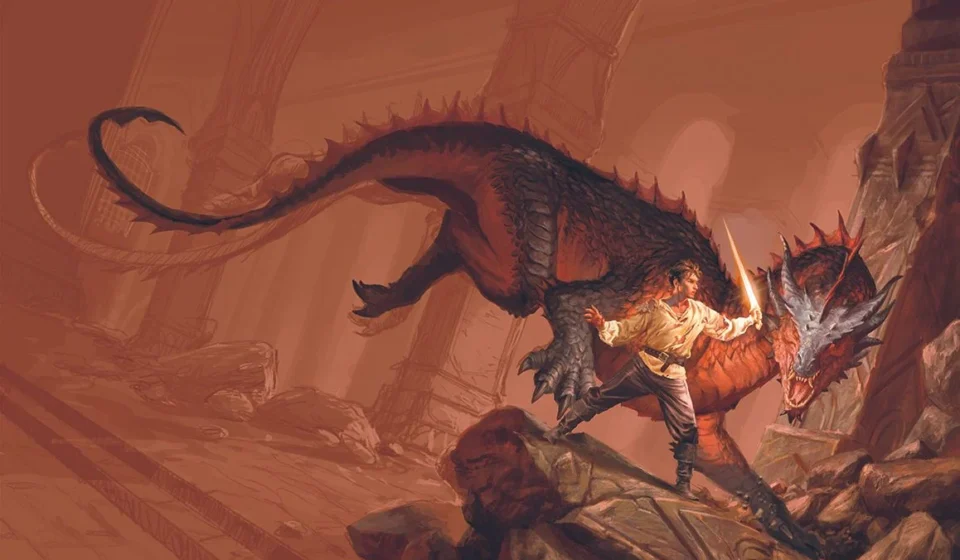
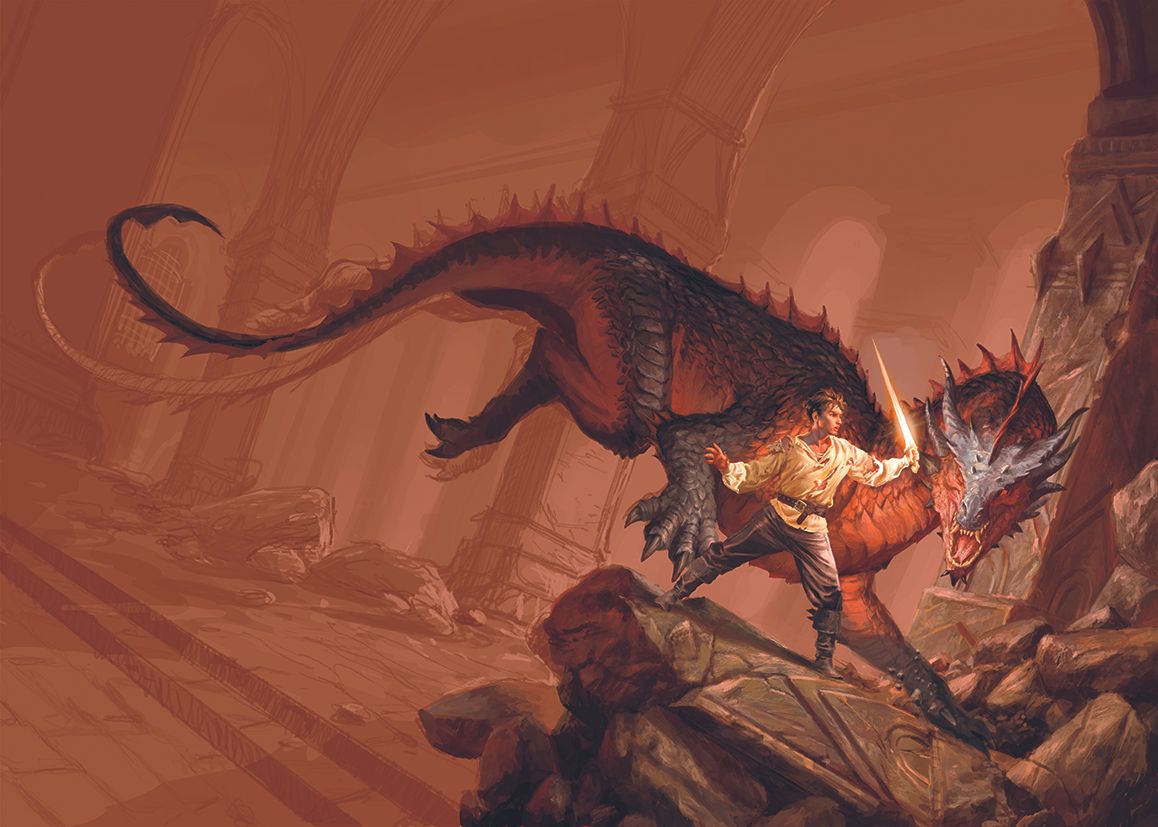
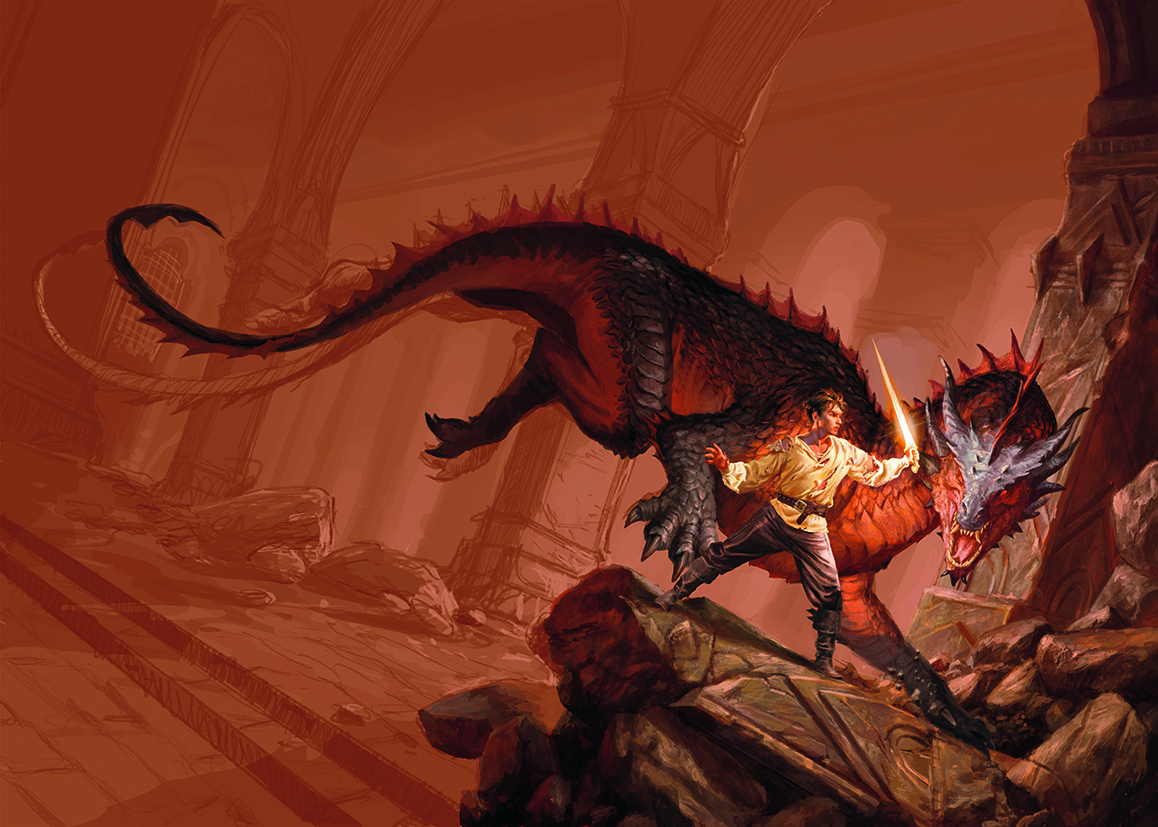
The project required a depiction of a scarred, battle-worn warrior standing defiant before a colossal, wingless dragon. Clad in remnants of tattered gear and brandishing a blade against a beast swathed in crimson and onyx scales, the protagonist is framed within the claustrophobic, imposing ruins of a forgotten fortress. This article explores the professional workflow, technical considerations, and creative philosophy that brought this vision to life.
The Foundations of Epic Fantasy Aesthetics
The artist’s approach was deeply informed by the genre’s legacy. Drawing inspiration from the masters of classic fantasy illustration, the design process relied on a warm, aggressive color palette. Reds and oranges were selected to dominate the composition, a choice inspired by the intense, gritty atmosphere of Joe Abercrombie’s The Devils.
The brief demanded a sense of scale and dread. By utilizing vaulted columns and debris from a past conflict, the artist sought to ground the viewer in a setting that felt lived-in and historically significant. For those looking to emulate this professional process, the baseline requirements include robust digital art software and a high-precision drawing tablet, which allow for the nuance required in professional-grade fantasy illustration.
A Chronological Breakdown of the Artistic Workflow
Professional illustration is rarely a linear process; it is an iterative journey of refinement. The creation of this cover followed a structured progression:
1. The Conceptual Sketch
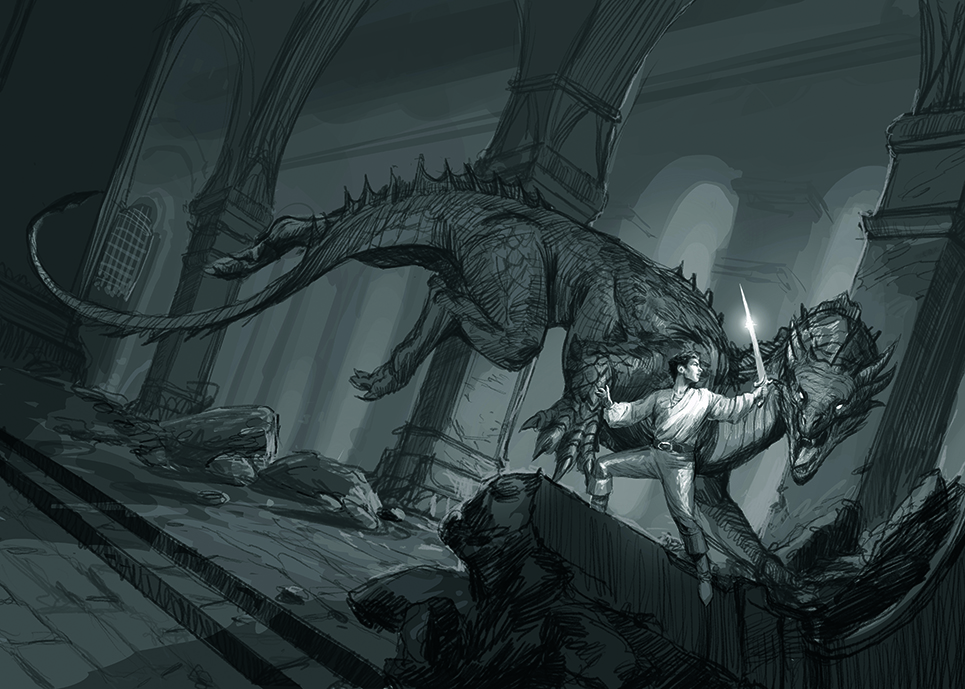
The artist emphasizes that efficiency in communication is paramount. By producing only one or two black-and-white sketches, the artist focuses on defining the composition, lighting, and volume before committing to color. This "value-first" approach ensures that the client understands the visual narrative and the direction of the scene without being distracted by color palette choices at an early stage.
2. Character Isolation and Development
The warrior was treated as a distinct entity. By painting the protagonist on a larger, separate canvas, the artist could dedicate maximum detail to the character’s anatomy, the textures of his torn clothing, and the expression of fatigue and determination. Only once the figure was fully realized was he resized and integrated into the broader composition. This isolation technique is a staple in high-end digital workflows, ensuring that the character remains the focal point regardless of the complexity of the surrounding environment.
3. Environmental Integration
With the character established, the focus shifted to the "stage"—the fortress ruins. The interaction between the warrior, the dragon, and the architectural elements was the next critical phase. The artist noted that establishing the scene as a whole is necessary to determine what "works" and what requires adjustment. By layering the dragon and the fortress structure simultaneously, the artist could ensure that the environmental perspective complemented the warrior’s stance.
4. Anatomy and Compositional Dynamics
A significant technical challenge was the dragon’s anatomy. The artist aimed for a sense of fluid dynamism in the beast’s hind legs, using the curves of the dragon’s body to naturally lead the viewer’s eye back to the warrior. This deliberate use of leading lines is a classic technique to prevent the viewer’s gaze from wandering, forcing an engagement with the central conflict of the piece.
5. Architectural Texture and Atmosphere
To convey the weight of the fortress, the artist focused on the tactile quality of the ruins. The fallen column in the foreground was a point of focus, utilizing "dry" brushes to mimic the rough, weathered texture of stone. The architectural style was heavily inspired by the crumbling, subterranean majesty of Moria, providing a sense of immense history and impending peril.
Technical Considerations: Angle and Reference
To heighten the drama, the artist employed a "tilted" or Dutch angle. In cinematic and illustrative terms, this technique is frequently used to signal unease, chaos, or a loss of equilibrium, perfectly suiting the narrative of a warrior facing an impossible threat.
Furthermore, the artist utilizes a practical approach to realism by maintaining a library of physical references. By collecting historical-style clothing and fabric scraps, the artist creates a mini-studio to study how light interacts with various textiles. This practice of "analog to digital" translation—taking photographs of real-world materials to inform digital brushes and lighting effects—is what elevates the final render from a flat image to a textured, believable world.

Professional Implications for Modern Illustrators
The success of this cover highlights the shifting requirements of the publishing industry. In an era where digital content is consumed rapidly, book covers must do more than simply look "pretty"; they must function as a hook that communicates the genre, the tone, and the stakes of the novel in a fraction of a second.
For aspiring artists, the takeaways from this project are clear:
- Prioritize Composition over Detail: Do not begin with fine details. Start with light, volume, and composition. If the composition doesn’t hold up in black and white, it will not work in color.
- Modular Workflow: Work on characters and environments in a way that allows for adjustment. The ability to resize, reposition, and re-layer elements is a fundamental advantage of the digital medium.
- Reference is Essential: Even in the realm of high fantasy, physical reference is the anchor of believability. Whether it is the fold of a cloak or the texture of weathered stone, basing art on physical reality provides a level of depth that pure imagination cannot replicate.
Industry Response and Future Trends
The collaboration between Armenia Edizioni and the artist represents a growing trend in the fantasy publishing sector: the return to "classical epic" aesthetics. While minimalist and abstract cover designs have seen popularity in recent years, the market for rich, narrative-driven, and highly detailed fantasy art remains robust.
Publishers are increasingly looking for artists who can synthesize the lessons of the past—the dramatic lighting of the Renaissance, the composition of the golden age of pulp illustration—with modern digital toolsets. The demand for this aesthetic suggests that readers are seeking a sense of wonder and epic scale, which can only be achieved through meticulous craftsmanship and a deep understanding of genre tropes.
As the industry continues to evolve, the integration of new technologies, such as advanced drawing tablets and high-resolution rendering software, will continue to push the boundaries of what is possible on a book cover. However, as this project demonstrates, the core principles of art—anatomy, composition, and the ability to tell a story through a single, static image—remain the most vital skills in an artist’s arsenal.
For those interested in exploring the tools used to create such works, the industry standard continues to be driven by high-performance tablets and sophisticated software suites. As seen in current market trends, investing in quality equipment remains the most significant step for any artist looking to transition from hobbyist work to professional, commission-based illustration.
This article originally appeared in ImagineFX. For those looking to master the art of digital fantasy painting, subscriptions to ImagineFX provide deep dives into the workflows of the world’s leading concept artists and illustrators. Stay tuned to Creative Bloq for further updates on the intersection of technology, art, and the evolving landscape of global publishing.