Breaking the Mold: Inside the Bold Animation Strategy for the Warrior Cats Adaptation

The long-awaited screen adaptation of Erin Hunter’s globally beloved Warrior Cats book series has reached a pivotal development milestone, offering fans and industry observers a rare, unfiltered look at the creative engine behind the project. While high-budget CG adaptations often lean toward the glossy, photorealistic aesthetics popularized by modern blockbuster franchises, the production team—led by studio Original Force and director Rodrigo Blaas—is taking a conspicuously different path.
By prioritizing expressive character silhouettes, exaggerated physical comedy, and a distinct "loose" visual language, the Warrior Cats team is challenging the industry standard of "generic CG perfection." This behind-the-scenes reveal provides more than just a glimpse of upcoming content; it outlines a philosophy that favors personality and movement over mere technical fidelity.
The Evolution of the Warrior Cats Visual Identity
For years, the Warrior Cats series has existed primarily in the imaginations of its readers. Translating such a dense, character-driven literary world into an animated medium requires a delicate balance: the characters must remain recognizable as felines, yet they must possess the emotional depth and range required for complex storytelling.
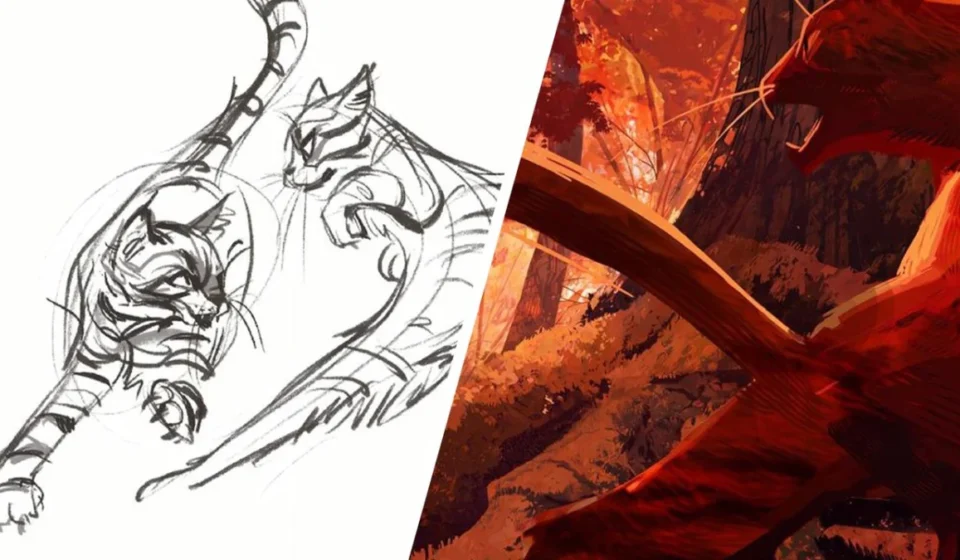
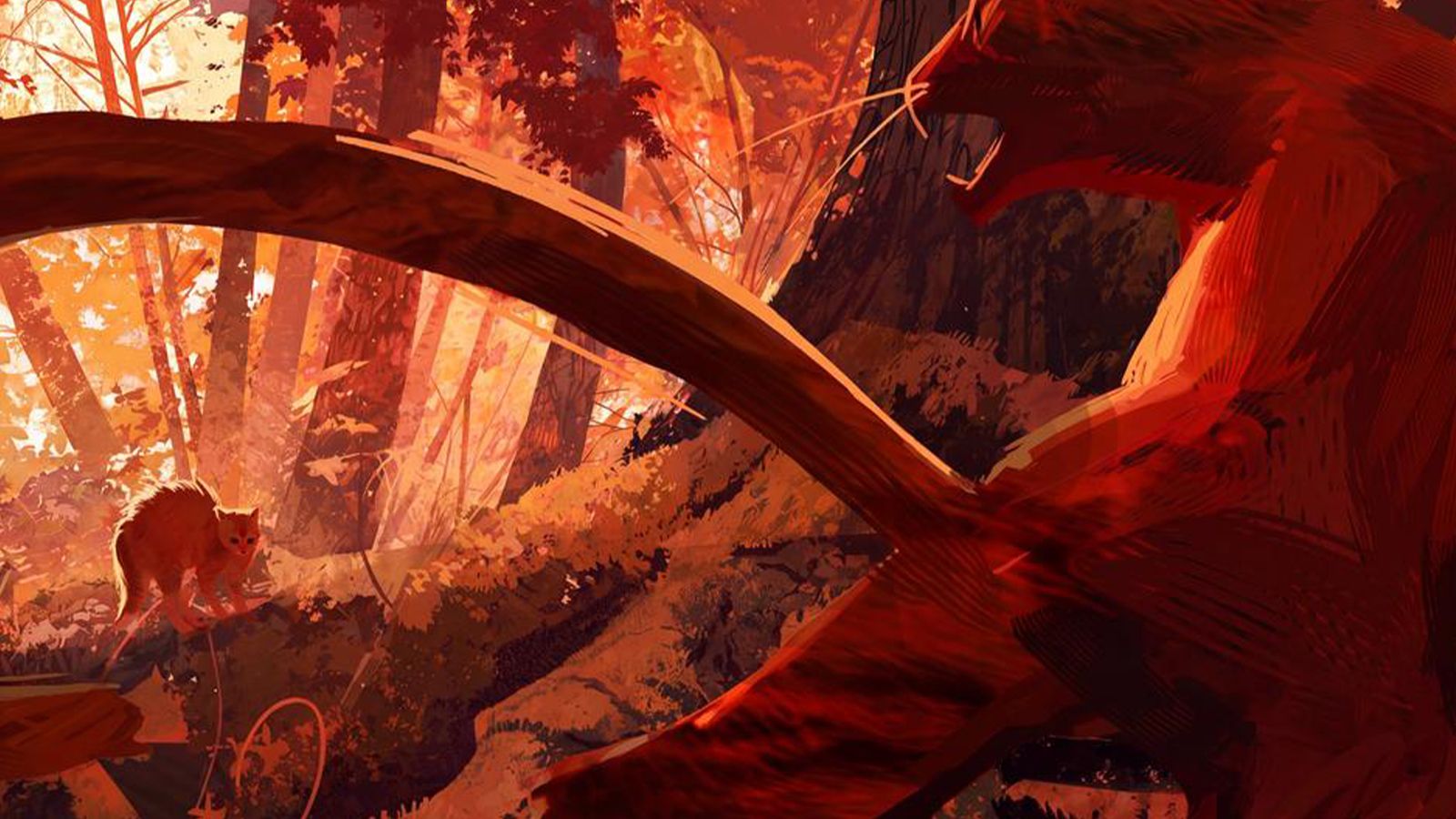
Original Force, the studio spearheading the production, recently released a suite of work-in-progress materials, including character design sheets, storyboard animatics, and early animation tests. The contrast between these materials and the current market trend—typified by the ultra-realistic fur textures and cinematic lighting seen in recent hits like Zootopia 2—is stark.
The studio’s decision to adopt a more stylized, elastic approach to feline anatomy suggests an intentional move to capture the "spirit" of the cats rather than just their biological likeness. This choice allows the animators to push the boundaries of expression, enabling the characters to convey complex emotions through body language, ear flicks, and posture, rather than relying solely on human-like facial expressions.
A Chronology of the Development Journey
The road to this animation style has been a calculated process of trial and error. The development lifecycle for such a massive adaptation can be broken down into three key phases:
1. Conceptualization and Anatomy Mapping
Early in the pre-production process, the team focused on establishing the "readability" of the feline cast. In a series where large clans of cats interact simultaneously, distinguishing between characters like Sandpaw, Rusty, and Graypaw is essential. Artists worked on refining unique silhouettes and color palettes, ensuring that even in the heat of a fast-paced action sequence, the viewer can identify who is who without needing dialogue.
2. The "Loose" Animation Prototype
Moving away from rigid, anatomy-accurate models, the team began experimenting with "squash and stretch" techniques. By analyzing how a cat moves in real life—their springy, fluid agility—the team began to exaggerate these traits. Storyboard work from the current production phase shows cats in dramatic, gravity-defying poses, which allow for a more dynamic narrative flow.
3. Scaling the Pipeline
With the project growing in scope, the challenge has shifted to operational consistency. Original Force has been codifying these creative decisions into a comprehensive visual language. By establishing clear rules on skeletal structure and camera language, the studio ensures that hundreds of creators across multiple departments can maintain the same aesthetic vision, preventing the "drift" that often plagues large-scale animation projects.
Supporting Data: Why Stylization Matters
In the landscape of modern 3D animation, the "Uncanny Valley" remains a persistent threat for productions featuring animals. When an animal is rendered too realistically, human-like expressions can look jarring or disturbing.
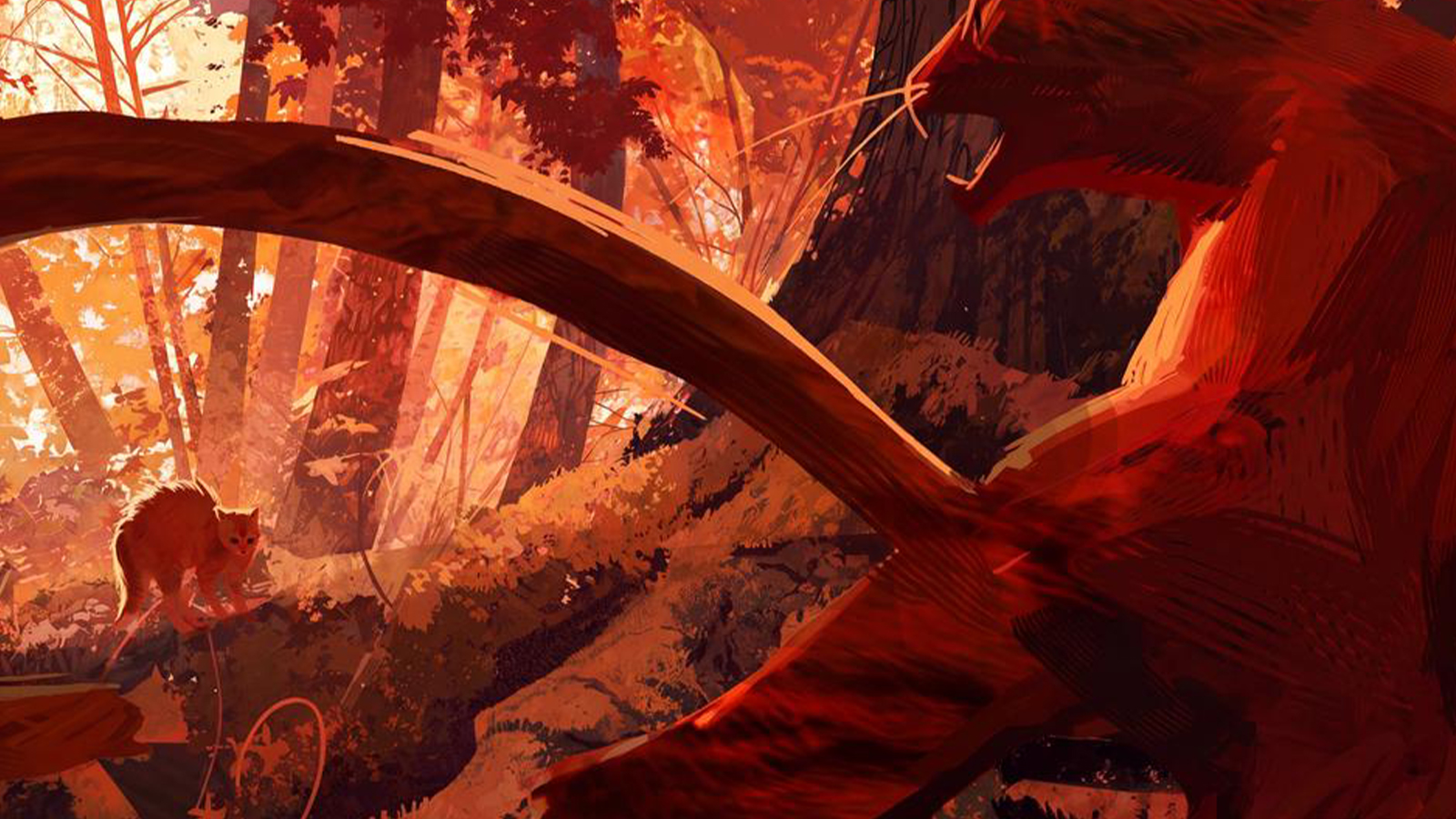
By opting for a stylized approach, the Warrior Cats team avoids this trap entirely. Data from recent animation experiments suggests that audiences are increasingly favoring "expressive" animation over "realistic" animation. Projects that lean into caricature and clear, readable silhouettes often foster a deeper emotional connection with the viewer.
Furthermore, the focus on "camera language" in the Warrior Cats production—ensuring the action remains coherent during fight scenes—is a strategic move to lower the cognitive load on the audience. By keeping the cats’ movements readable, the studio ensures that the narrative impact of their battles and interactions remains the primary focus.
Official Perspectives: The Philosophy of the Team
Director Rodrigo Blaas and the team at Original Force have been transparent about their goals. Their approach is rooted in the belief that the books’ success stems from the strong, distinct personalities of the cats.
"The trick is pushing those shapes without losing the feline character underneath," noted members of the production team during a recent briefing. The goal is to avoid turning the characters into "furry little humans." Instead, they are looking for a middle ground where a cat’s movement is a direct reflection of its personality. This is a design philosophy that echoes the "Gatto" project currently being explored by Pixar—an attempt to bring back an old-school animation tradition that values the art of the moving frame over the raw power of the rendering engine.
Implications for the Future of the Series
The implications of this artistic direction are significant for both the Warrior Cats brand and the wider animation industry.
For the Franchise
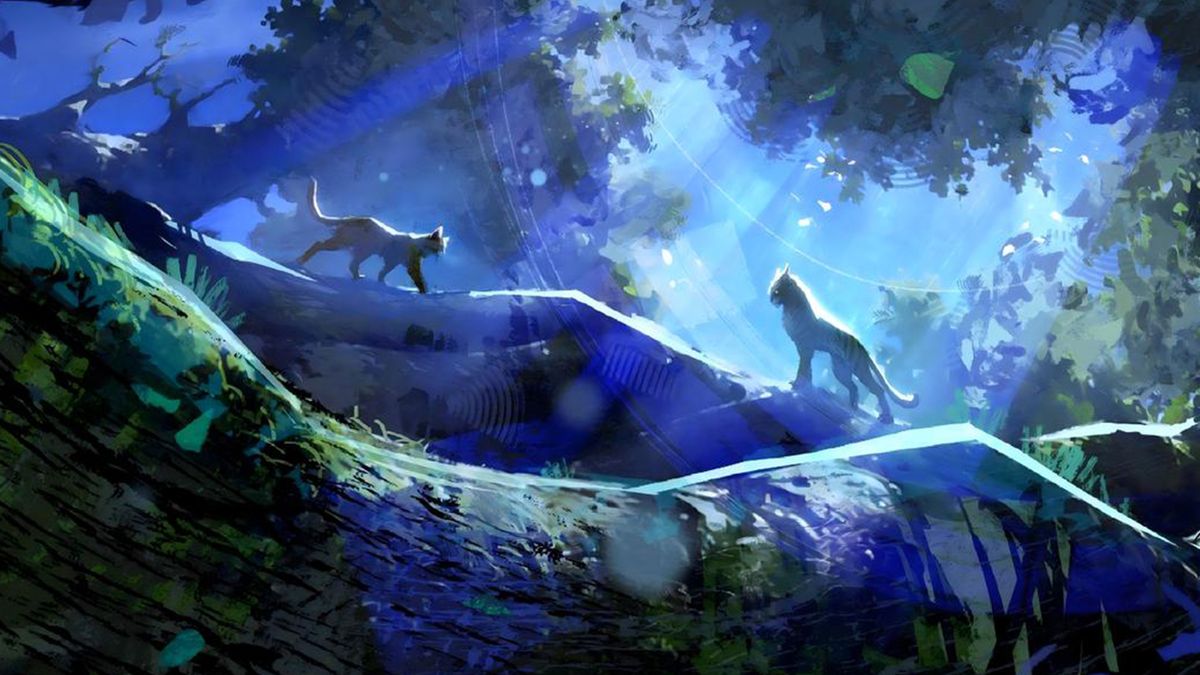
If the final product successfully retains the energy seen in the current concept art, Warrior Cats could set a new standard for how book-to-screen adaptations of animal fantasy are handled. By avoiding the "generic CG look," the series gains a unique visual identity that will make it instantly recognizable in an increasingly crowded streaming market. It creates a brand aesthetic that is distinct from the competition, positioning it as a work of art rather than a generic commodity.
For the Animation Industry
The industry is currently experiencing a "stylization renaissance." As audiences grow fatigued with the hyper-realistic aesthetic, studios are finding that embracing the medium’s potential for abstraction is more rewarding. Warrior Cats stands as a test case for whether a mid-to-large-budget production can maintain an artistic, "loose" look while still delivering the technical polish expected by modern audiences.
Conclusion: A Bold New Chapter
As production continues, the Warrior Cats team faces the monumental task of maintaining this level of creative integrity across thousands of shots. However, the early signs are promising. By prioritizing the "readability" of the action, the nuance of feline movement, and a design language that honors the source material’s focus on personality, the team has signaled that they are not just making a movie—they are crafting an experience.
For the fans who have followed the Warrior Cats saga for decades, the prospect of seeing their favorite characters brought to life with such careful attention to their unique physical traits is an exciting development. If the finished series manages to keep this "expressive energy" alive, it will likely be remembered not just as a successful adaptation, but as a landmark in the evolution of modern animated storytelling.
For now, the project remains a fascinating study in creative restraint and artistic ambition, serving as a reminder that in animation, the most effective tool is often not the most powerful computer, but the most creative choice.