The Soul of Silicon Valley: How San José’s Heritage Cuisine is Defining a City’s Identity

While the world often views San José through the lens of microchips, software patents, and the frenetic pace of Silicon Valley, a more profound narrative is bubbling in its kitchens. Beneath the high-tech veneer lies a city defined by a vibrant, global culinary tapestry. Here, the "American Dream" isn’t just measured in stock options; it is found in the precise ratio of spices in a grandmother’s mole, the perfect crunch of a hand-pressed falafel, and the aromatic steam of a long-simmered bowl of pho.
San José is a true melting pot where immigrant stories, family legacies, and global traditions collide to create some of the most compelling dining experiences in California. This article explores how these heritage-driven restaurants serve not just as places to eat, but as essential cultural anchors in an ever-evolving metropolis.
The Evolution of a Culinary Landscape: Main Facts
San José’s food scene is unique because of its organic, unforced integration of cultures. It is a city where a Mexican-American restaurateur might incorporate Asian fermentation techniques into an ancestral recipe, or where a Palestinian-owned drive-in has become a cornerstone of local American comfort food.
The primary driver of this phenomenon is the deep-seated desire to preserve heritage. For many of the city’s restaurateurs, the restaurant is a vessel for memory. Whether it is a response to the trauma of displacement or simply a tribute to a mother’s labor, these establishments provide a tangible connection to the past. By transforming domestic, "home-cooked" recipes into public offerings, these chefs have turned the act of cooking into a form of historical preservation.
A Chronological Tapestry: From 1947 to the Modern Day
The history of San José’s food culture is etched in time, reflecting the waves of migration that have shaped the city.
- 1947 – Bertucelli’s La Villa Delicatessen: Serving the Willow Glen neighborhood for over 75 years, this deli represents the bedrock of Italian-American heritage. It remains a testament to consistency and the power of simple, high-quality ingredients.
- 1966 – Falafel’s Drive-In: A revolutionary moment for local cuisine. Anton and Zahie Nijmeh, arriving from Ramla, bridged the gap between a classic American hamburger stand and Middle Eastern street food. They introduced the city to the falafel, effectively changing the local palate and proving that "comfort food" has no borders.
- The 1970s – The Taqueria Lorena Foundation: A longstanding family fast-food concept that laid the groundwork for modern Mexican culinary innovation in San José, eventually giving rise to the more experimental Acopio.
- The Modern Era: Today, places like Angkor Chef, Barya Kitchen, and Mommy’s Bánh Mì represent a new generation of owners—often children of immigrants—who are reclaiming their cultural identities through food as a way to process grief, celebrate legacy, and educate their community.
Supporting Data: The Ingredients of Excellence
What separates these establishments from mere commercial dining? The data—the raw materials and methodologies—tells the story:
The "No-Shortcut" Philosophy
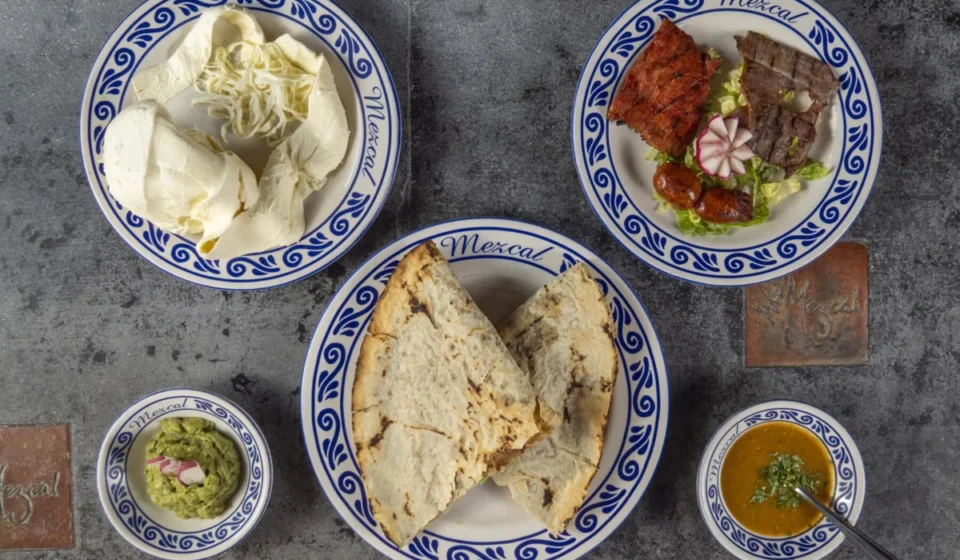
At Mezcal, owner Adolfo Gomez maintains a strict "no-microwave" policy. This is not an aesthetic choice, but a commitment to the integrity of Oaxacan tradition. Every mole and tlayuda is crafted from ingredients sourced from the same family farms in Mexico that have supplied their family for generations.
The Science of Memory
For Barya Kitchen, the replication of recipes—such as the perfect chicken adobo—is a form of existential preservation. When founder Rod Reyes lost his mother, he turned to the kitchen as a way to "keep her alive." This isn’t just cooking; it is an analytical process of matching flavor profiles, salinity, and acidity to match a sensory memory.

Cultural Education
Angkor Chef’s Channy Laux utilizes her background in biotech to bring a level of scientific precision to traditional Cambodian herbal dishes. By insisting on glass-jar packaging and sourcing specialty vegetables from local Southeast Asian farms, she ensures that the "first impression" of Cambodian cuisine for many locals is an authentic one.
Voices from the Kitchen: Official Responses and Reflections
The philosophy of these chefs is best captured in their own words, highlighting the emotional weight of their work.
On Grief and Cooking:
Rod Reyes of Barya Kitchen reflects on his journey: "I didn’t know how to grieve the loss [of my mother], but I was trying to share my mom’s cooking legacy." His success, validated by his own aunts and uncles, serves as a poignant reminder of the healing power of traditional food.
On Community and Stewardship:
Channy Laux of Angkor Chef views her restaurant as a historical monument. "The music we play is important to me because I wanted to have all of us… remember things that happened before the genocide." Her mission is to showcase a "sweeter side" of Cambodia, allowing the community to reclaim their narrative through taste.
On Business as a Craft:
Adolfo Gomez of Mezcal highlights the distinction between fast-food and heritage-food: "Everything is fast [in the modern world]. And we’re not trying to make things fast." His approach is a counter-cultural movement against the rapid, disconnected nature of contemporary Silicon Valley dining.
Implications: The Future of San José’s Identity
The implications of this heritage-based culinary model are significant for both the local economy and the city’s social fabric.
- Economic Resilience: By focusing on unique, family-owned heritage cuisines, these restaurants create a "culinary tourism" draw that distinguishes San José from other cities. These are not chain restaurants; they are destinations.
- Cultural Diplomacy: In a region as diverse as the Bay Area, these restaurants serve as bridges. When a patron bites into a bánh mì or a plate of ribs at Jackie’s Place, they are engaging in a cross-cultural dialogue. They are learning about the origins, struggles, and triumphs of their neighbors.
- The Preservation of the "Third Place": As physical spaces for community interaction continue to disappear in the digital age, these restaurants serve as essential "third places." Whether it is the camaraderie at Bertucelli’s or the community-minded atmosphere at Jackie’s Place—where other Black-owned businesses are uplifted—these venues foster a sense of belonging that cannot be digitized.
A Lasting Legacy
Ultimately, San José’s food scene is a living archive. When one dines at Pho Ha Noi or Petiscos, they are borrowing a memory from someone else—a grandmother’s secret sauce, a mother’s ratio of spices, or a father’s dream of building a business from a simple hamburger stand.
In a city defined by the future, these restaurants ensure that the past is never forgotten. They serve as a reminder that regardless of how far we travel or how much technology evolves, the most fundamental human need remains the same: to sit at a table, share a meal, and connect with the history that made us who we are today. For those visiting or living in San José, these tables are not just places to eat; they are the heart of the city’s soul.