The Timeless Appeal of the LAMY Safari: Why This Design Icon Remains the Gold Standard for Writers

In an era increasingly dominated by the rapid-fire tap of digital keyboards and the ephemeral nature of touchscreens, the act of putting ink to paper has undergone a significant cultural renaissance. Whether it is the meditative practice of morning journaling, the pursuit of a "digital detox," or the simple desire to add a tactile layer of intentionality to daily tasks, the fountain pen has re-emerged as a staple of the modern creative’s desk. Yet, for those wary of the exorbitant price tags often associated with luxury stationery—where pens can rival the cost of a high-end laptop—the search for a reliable entry point can be daunting.
Enter the LAMY Safari. Renowned for decades as the perfect intersection of German engineering, Bauhaus-inspired minimalism, and accessible pricing, this pen has become a global benchmark. Currently, for those looking to experience this design icon for themselves, there is a compelling reason to act: the LAMY Safari is currently available at Amazon for just $27.22, marking a significant reduction from its standard retail price.
A Legacy of Design: The Origins of the Safari
To understand why the LAMY Safari remains relevant in 2026, one must look back to its inception. The pen made its grand debut at the 1980 Frankfurt Fair, a time when the stationery market was largely dominated by staid, traditional designs aimed at corporate professionals. LAMY, a family-owned German company based in Heidelberg, decided to disrupt this landscape by targeting a younger, more dynamic audience.
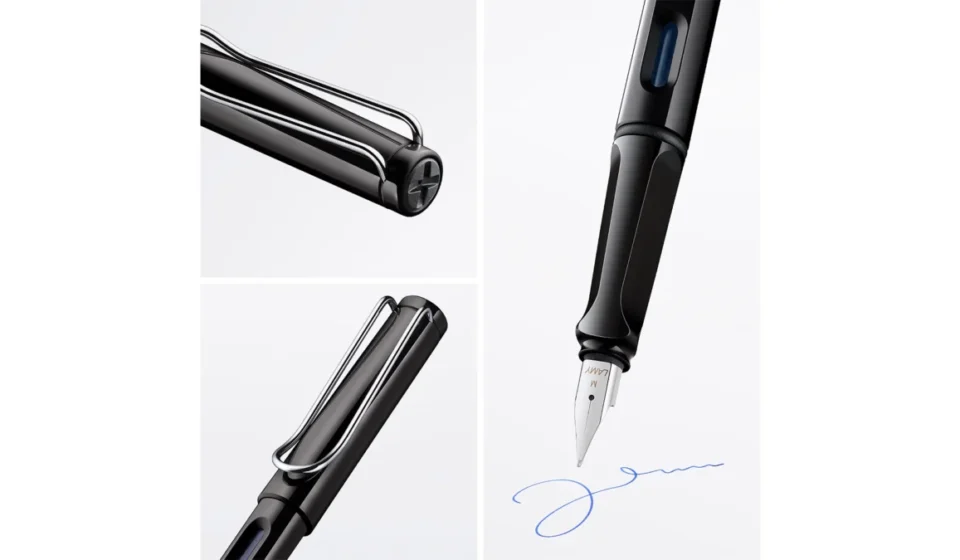
Developed in collaboration with designer Wolfgang Fabian and the visionary Bernt Spiegel, the Safari was not designed to be a "prestige" item kept in a velvet-lined display case. Instead, it was conceptualized as a tool for the classroom and the studio. Its design language was radical for the time: it utilized a rugged, high-impact ABS plastic—the same durable material famously used in the production of Lego bricks—and featured a distinct, utilitarian clip reminiscent of a paperclip. By stripping away the ornamental gold plating of traditional fountain pens and focusing on ergonomic function, LAMY created a pen that was as comfortable to use as it was resilient to the rigors of daily life.
Anatomy of an Icon: Why the Safari Persists
The longevity of the LAMY Safari is no accident. In a world of planned obsolescence, the Safari is built to last. Its success can be attributed to several core design pillars:
The Ergonomic Advantage
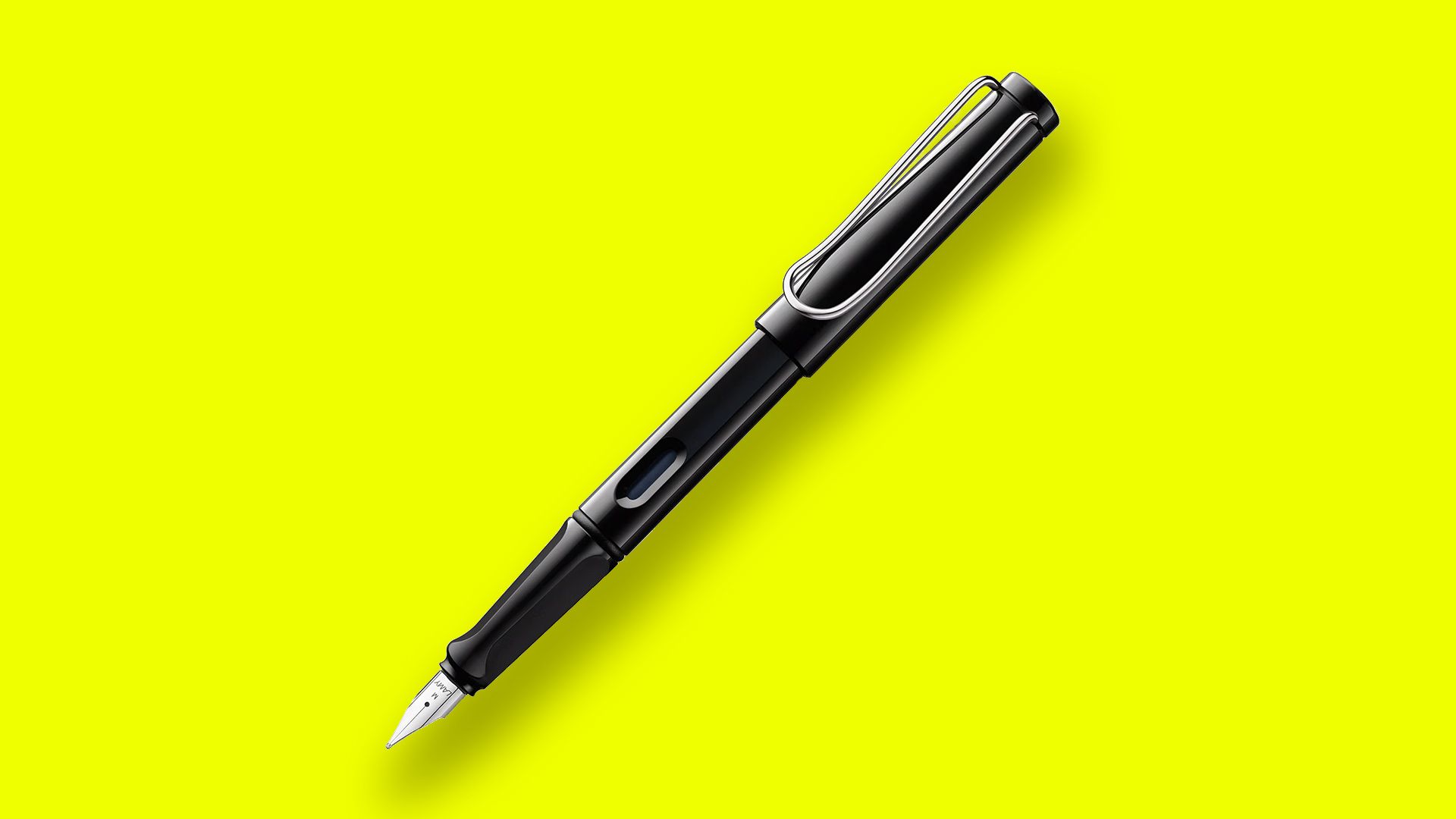
The most recognizable feature of the Safari is its molded, triangular grip section. While some may find it unconventional at first glance, this design is intentional. It forces a "tripod" grip—the scientifically recommended way to hold a writing instrument—which reduces hand fatigue during long writing sessions. For students, artists, and avid journalers who may spend hours drafting, this ergonomic foresight is invaluable.
The Durability Factor
The choice of ABS plastic was a stroke of genius. Unlike celluloid or precious resins, which can crack or scratch easily, the Safari’s body is virtually indestructible. It is designed to be tossed into a backpack, dropped on a classroom floor, or carried in a pocket without the user needing to worry about permanent damage. This ruggedness has cemented its status as the go-to "everyday carry" (EDC) pen.
Modular Customization
LAMY engineered the Safari to be a living tool. The stainless-steel nibs are easily swappable, allowing users to transition from an Extra-Fine (EF) nib for detailed sketching to a Broad (B) nib for expressive calligraphy in mere seconds. This modularity ensures that the pen grows with the user’s skill set, rather than becoming obsolete as their preferences evolve.
Supporting Data: The Fountain Pen Market in 2026
Market trends indicate that the "analog resurgence" is not merely a passing fad. Data from the stationery industry suggests a consistent 5–8% year-on-year growth in the sales of premium and entry-level fountain pens, driven largely by Gen Z and Millennial consumers seeking offline hobbies.
The Safari’s pricing strategy has been instrumental in its market dominance. While luxury brands like Montblanc, Tibaldi, or Visconti cater to the ultra-luxury segment—with prices frequently exceeding $800—the Safari occupies the vital "accessible luxury" tier. By keeping the price point accessible, LAMY has successfully lowered the barrier to entry for millions of users who might otherwise be intimidated by the fountain pen hobby.
Official Perspectives and Industry Reception
Design critics have long praised the Safari for its adherence to the Bauhaus principle of "form follows function." In interviews, representatives from LAMY have consistently emphasized that their goal is not to produce status symbols, but to provide "tools for the art of writing."
"The Safari was never meant to be a static object," noted a spokesperson for the brand. "It was meant to be a companion. The fact that it looks as modern today as it did in 1980 is a testament to the fact that good design does not age; it simply becomes more essential as the world around us becomes more cluttered."
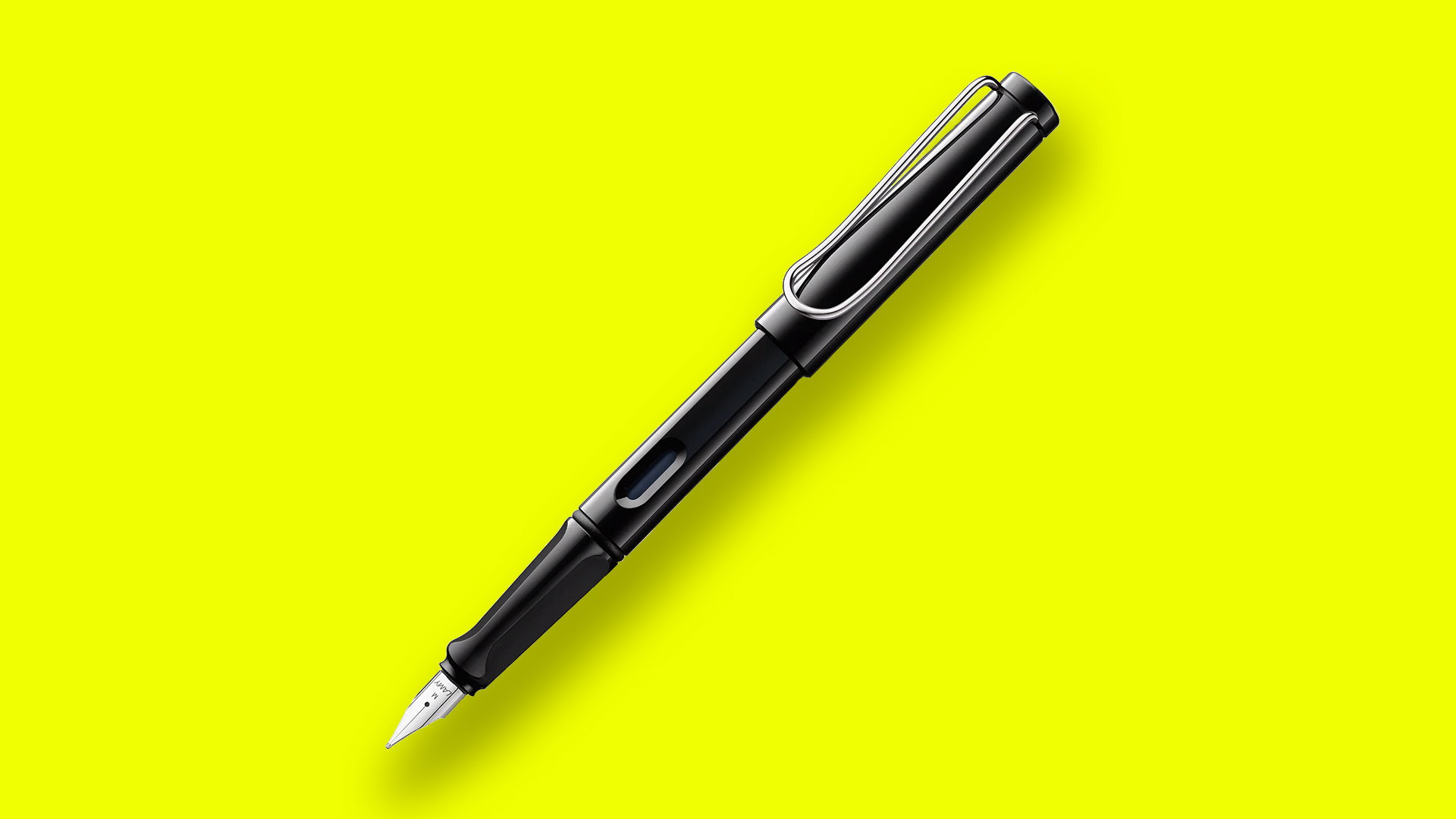
Design historians often highlight the pen in museum collections, including the Museum of Modern Art (MoMA) in New York, as a prime example of successful industrial design that democratizes quality. It is a rare instance where a product is simultaneously a tool for a primary school student and a cherished item for a professional illustrator.
Implications for the Modern Creative
Why should you consider adding a fountain pen to your workflow in 2026?
- Mindfulness: The act of writing with a fountain pen is inherently slower than typing. It requires the writer to be present, to watch the ink flow onto the page, and to engage with the physical texture of the paper. This creates a natural "friction" that can lead to better retention of ideas and a more thoughtful approach to brainstorming.
- Economic Efficiency: While the initial cost of a Safari is $27.22, the long-term savings are significant. Replacing cheap, plastic ballpoint pens that end up in landfills, a fountain pen can last for decades. By using bottled ink and a converter (a small device that allows the pen to draw ink from a bottle), the cost per page drops to a fraction of a cent.
- The Creative Edge: For artists and designers, the line variation provided by a fountain pen adds a layer of depth that a standard felt-tip pen cannot replicate. Whether sketching in a notebook or annotating architectural prints, the Safari provides a level of control and elegance that elevates the final output.
A Call to Action for the Analog Enthusiast
The current discount on the LAMY Safari is more than just a deal; it is an invitation to slow down. In a year defined by the relentless pace of technological advancement, reclaiming a small corner of your day for manual creation can be a transformative experience.
Whether you are a student looking for your first "proper" pen, a professional wanting to upgrade your desk setup, or a creative looking for a reliable tool for your sketches, the Safari stands alone. It is a design icon that has remained unchanged for nearly half a century because, quite simply, it never needed to change.
If you are ready to make the switch, the current pricing makes this the optimal moment to secure a piece of design history. At under $30, it is not just a purchase; it is an investment in your own process—a small, tangible, and incredibly stylish way to ensure that, in a digital world, your words still carry weight.
To explore more tools for your creative toolkit, including our comprehensive guides on the best sketchbooks, graphite pencils, and digital drawing tablets, visit our Buying Guides section.