
The Dual-Identity Powerhouse: Is the HP Omen Max 16 the Ultimate Tool for the Modern Creator?

In the evolving landscape of digital creation, the barrier between "work" and "play" has effectively dissolved. For the modern student, 3D artist, or game developer, the ideal machine is no longer a stark, utilitarian workstation, but a high-performance hybrid capable of shifting gears from rendering complex Unreal Engine 5 scenes to navigating the demanding physics of the latest AAA titles. The HP Omen Max 16 arrives at this intersection, promising to be the singular solution for those who refuse to compromise on either front.
But as the price tags on high-end hardware soar, a critical question emerges: is this level of raw power a necessary investment for a burgeoning professional, or a luxury trap for the debt-laden student?
The Anatomy of the Omen Max 16: A New Standard
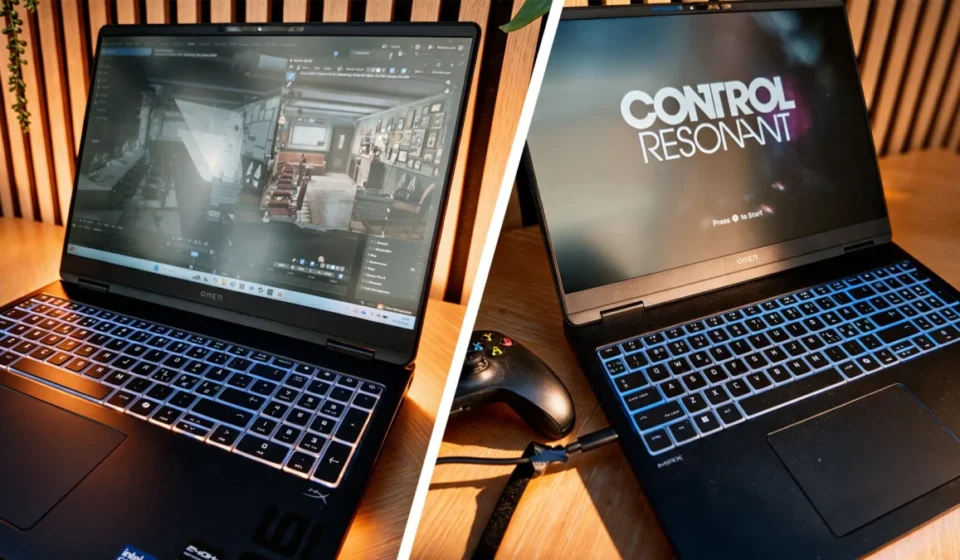
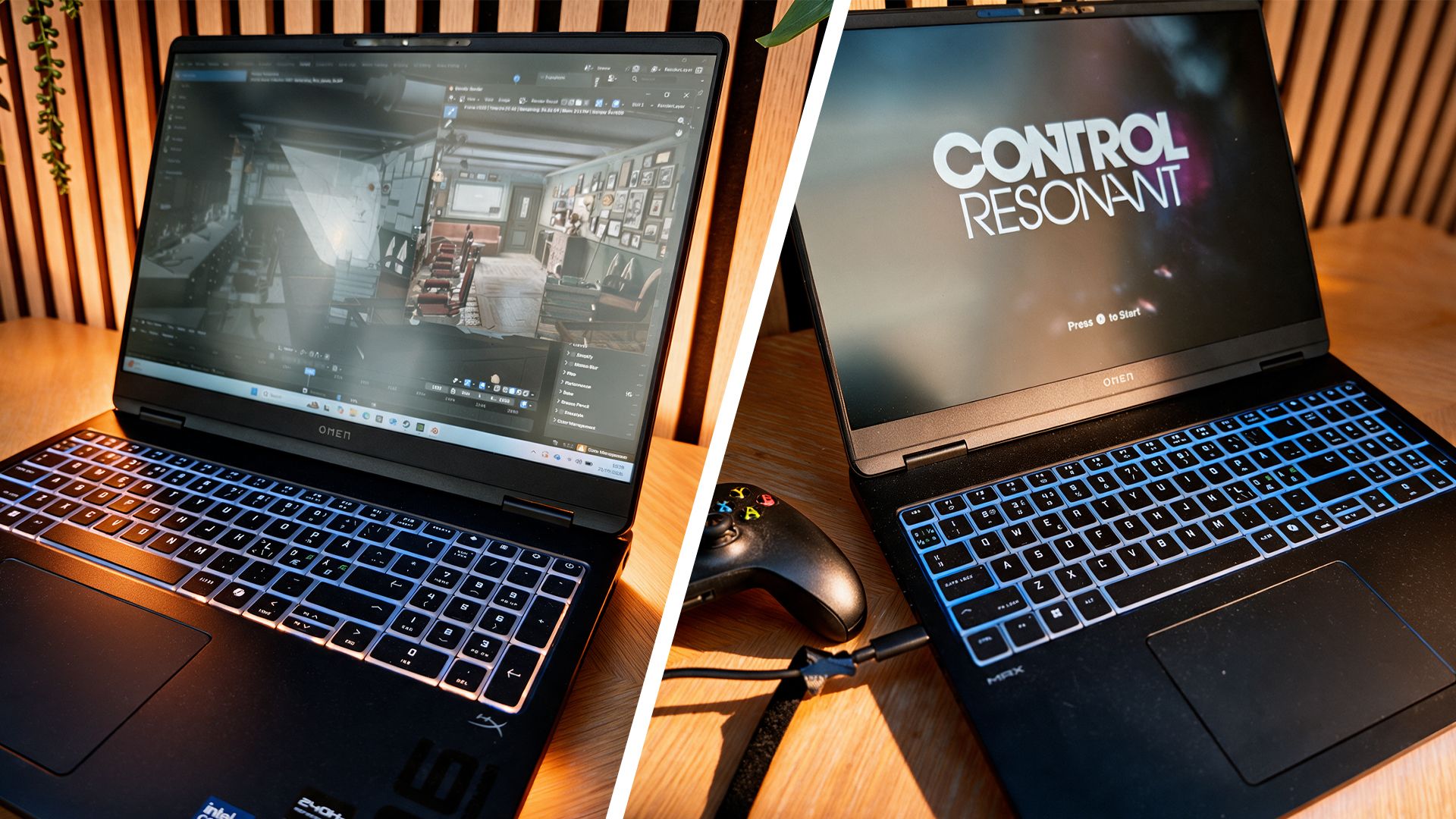
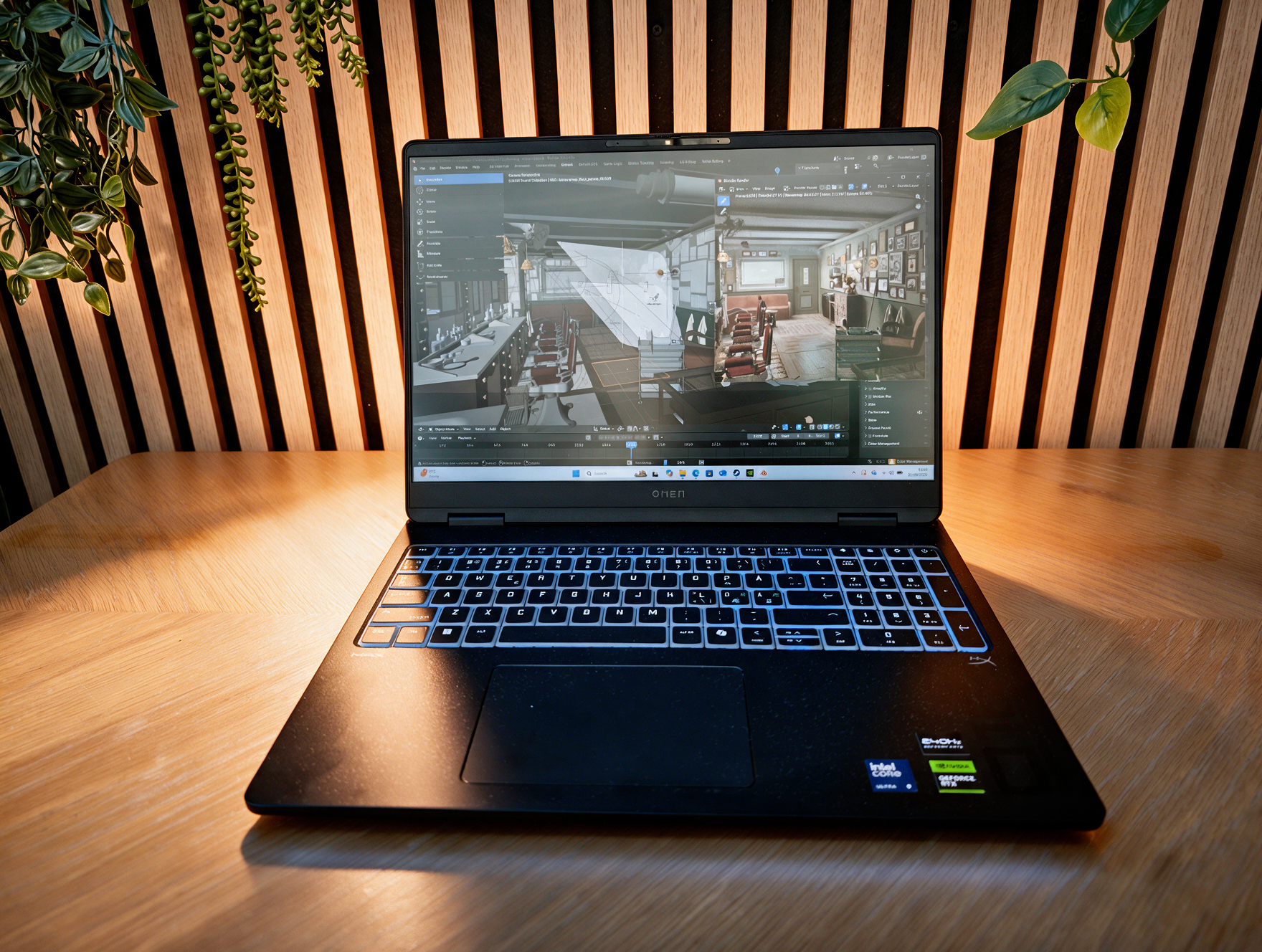
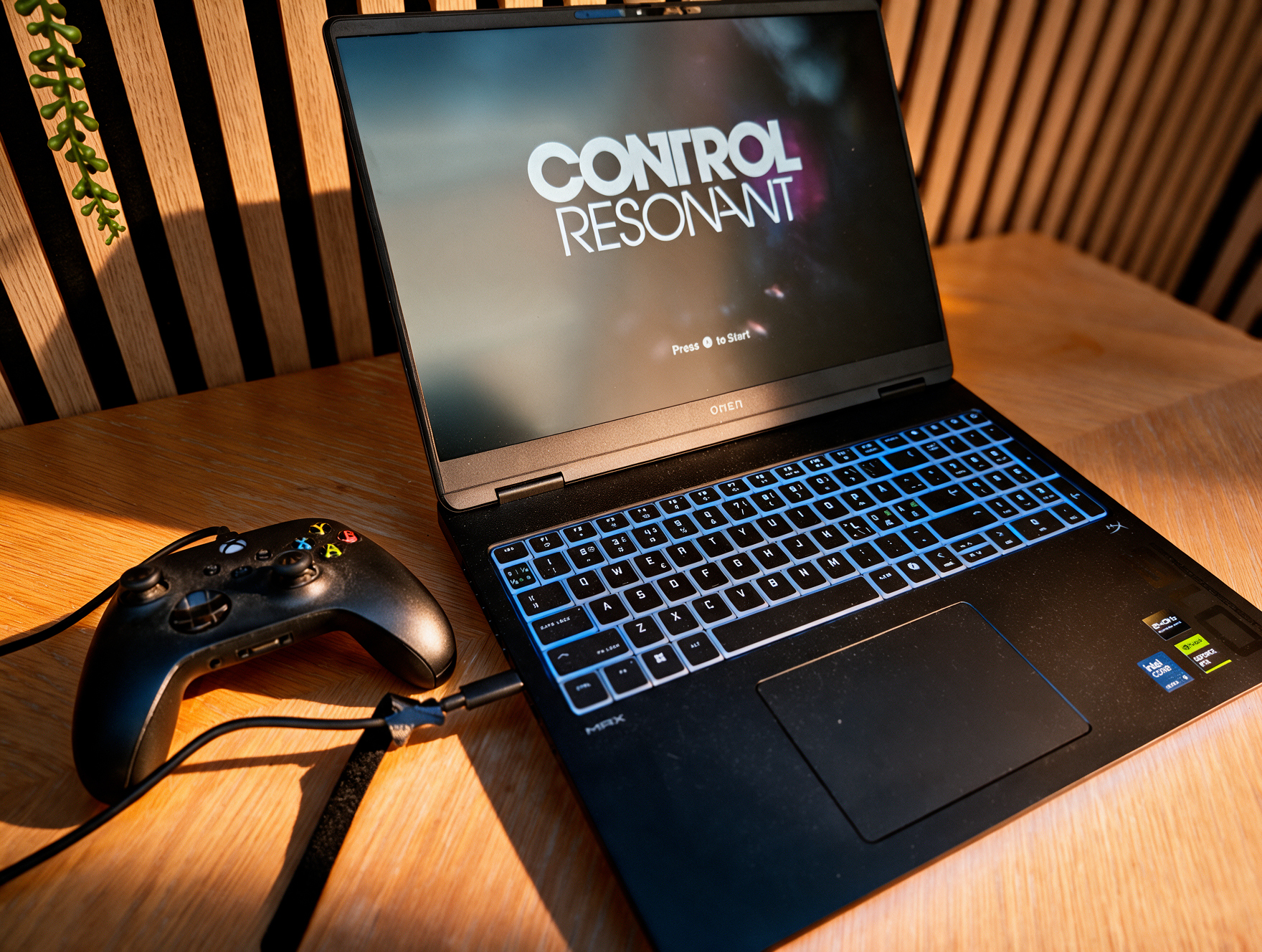
At first glance, the HP Omen Max 16 announces itself with the quintessential aesthetic of the gaming industry. Upon lifting the lid, the keyboard LEDs pulse with vibrant blues and purples, casting a glow that feels more at home in a high-end esports arena than a sterile design studio. However, this gamer-centric DNA is intentionally tempered; the chassis is refined enough to avoid looking out of place in a professional boardroom, provided the user toggles the RGB settings to a more subdued profile.
The true marvel, however, lies in its portability. Traditionally, a machine packing an NVIDIA GeForce RTX 5080 and an Intel Core Ultra 9 275HX processor would carry the physical weight of a desktop replacement—a "paving slab" that stays glued to a desk. The Omen Max 16 challenges this trope. While not as featherweight as a dedicated ultrabook, its chassis is surprisingly manageable, making it a viable candidate for the student who travels between lecture halls, coffee shops, and home workspaces.
The Convergence of Studio and Gaming
For years, NVIDIA has marketed its RTX series to two distinct cohorts: gamers seeking the cutting edge of frame generation and ray-traced lighting (DLSS 5), and creators relying on CUDA and OptiX for heavy-duty 3D rendering. The Omen Max 16 is one of the few devices that successfully bridges this gap in a practical, daily-use scenario.
The software implementation—allowing users to toggle between "Gamer Ready" and "Studio" drivers—is surprisingly seamless. This isn’t just a marketing bullet point; it represents a genuine shift in workflow. A user can spend the morning grinding through a complex Blender viewport, benefiting from the GPU’s 16GB of GDDR7 memory to handle massive texture sets without a stutter, and by evening, pivot the exact same machine into a high-fidelity gaming rig. For a generation of digital artists who view gaming not just as entertainment, but as a critical study of interactive design and technical execution, this fluidity is invaluable.
Chronology of a Powerhouse: Testing the Limits
To understand the efficacy of the Omen Max 16, one must look at how it handles the "work-play" cycle. In our testing, the machine was subjected to the following rigorous schedule:
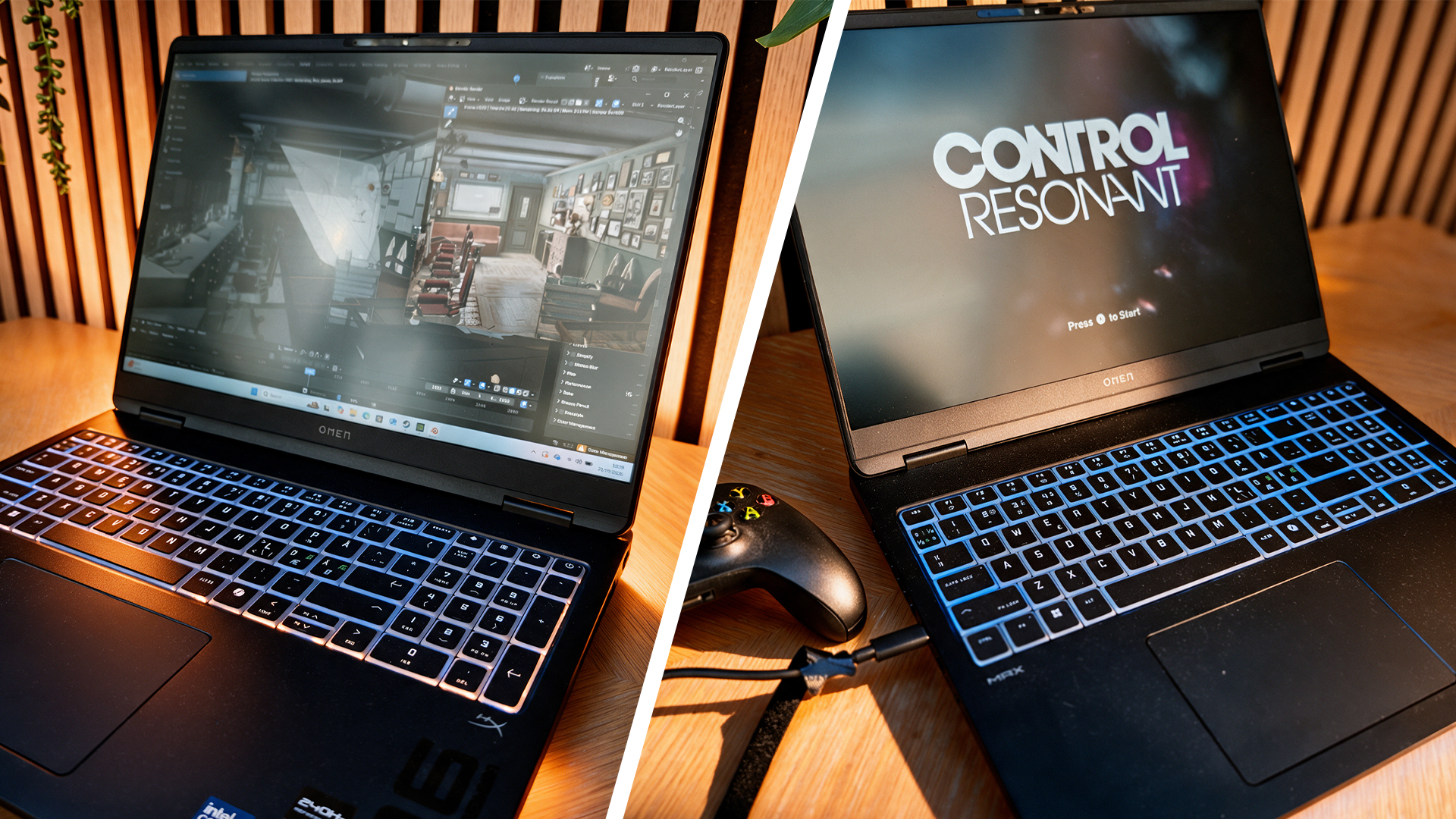
- Morning (The Creative Sprint): We opened several complex projects in Blender. Thanks to the 24-core Intel architecture and the 32GB of RAM, the hardware handled heavy-duty scene manipulation with ease. The 16GB of VRAM was the standout performer, preventing the dreaded "out of memory" crashes that plague lesser mobile workstations.
- Afternoon (The Workflow Integration): We transitioned to Unreal Engine 5. With Nanite-heavy scenes, the laptop showed zero latency, demonstrating that it is more than capable of handling the high-poly environments required by modern game development.
- Evening (The Stress Test): The day concluded with a deep dive into Control Resonant. With all graphical settings pushed to the maximum and ray tracing enabled, the Omen Max 16 maintained high, consistent framerates, confirming that the cooling solutions provided by HP are as robust as the silicon beneath the hood.
Supporting Data: The Value Proposition
When comparing the Omen Max 16 (priced at approximately £2,999, with frequent retail discounts bringing it closer to £2,600) against lower-specced alternatives like the standard Omen 16 (RTX 5060, ~£1,299), the decision becomes a matter of long-term strategy rather than immediate expenditure.
| Specification | Omen Max 16 (Top Tier) | Standard Omen 16 |
|---|---|---|
| GPU VRAM | 16GB GDDR7 | 8GB |
| RAM | 32GB | 16GB |
| Processor | Core Ultra 9 (24-core) | Ryzen (8-core) |
| Longevity | High (Future-proof) | Moderate (Entry-level) |
The core argument for the "Max" model is the "VRAM Ceiling." While RAM and SSD storage can be upgraded or expanded in most laptops, VRAM is soldered to the GPU. For an artist, hitting the VRAM limit is a hard wall—it dictates the complexity of the scene you can bake and the resolution of the textures you can use. By purchasing the high-end model, you are paying a premium today to avoid being functionally limited in your third or fourth year of study, right when your portfolio and showreel need to be at their most competitive.
Official Stance and Market Positioning
HP has positioned the Omen series to capture the growing demographic of "prosumers"—individuals who oscillate between high-level content creation and high-end consumption. The company’s focus on the Omen Max 16 reflects a broader industry trend where hardware is no longer categorized by "Professional" vs. "Gaming," but by "Performance Capacity."
While HP has not explicitly stated that this is a "student-first" machine, their marketing and current back-to-school promotional cycles suggest they are keenly aware that the modern digital art curriculum requires hardware that can run Unreal Engine 5, Unity, and Adobe Creative Suite simultaneously.
The Financial Implication: A Word of Caution
Despite the technical superiority of the Omen Max 16, there is a sobering reality regarding the cost. At nearly £3,000, this machine represents a significant financial commitment. The temptation for students to utilize "Buy Now, Pay Later" schemes is significant. With some retailers offering credit options at representative APRs of nearly 45%, the danger of financial overextension is real.
It is vital to note that a machine does not make an artist. Many brilliant creators have built their reputations on hardware that would be considered obsolete by today’s standards. If the acquisition of such a powerful device requires taking on high-interest debt, it is rarely the prudent choice. However, for those with the budget or the necessity to invest in a machine that will reliably serve as a professional workstation for the next four to five years, the Omen Max 16 offers a rare convergence of power and utility that is hard to match.
Conclusion: Is it the Right Choice?
The HP Omen Max 16 stands as a testament to the fact that we have reached a point where portable computing can finally match the demands of professional 3D work and high-end gaming. It is a machine that facilitates the workflow of a professional while offering the aesthetic and performance of a gaming flagship.
If you are a serious student or a professional who requires a high-ceiling for 3D rendering and game development, the Omen Max 16 is an investment in your own technical capacity. It provides the freedom to create, iterate, and experiment without the hardware acting as a bottleneck. Just remember: the LEDs can be turned off, but the necessity for responsible financial planning remains constant. Whether you choose the "Max" or a more modest variant, the key is ensuring that your hardware enables your vision, rather than dictating your debt.