The Rise of Whimsical Utility: A Journalistic Analysis of Consumer Shifts Toward Playful, Functional Design

In an era defined by economic uncertainty, digital fatigue, and the relentless hum of modern stress, consumer habits are undergoing a subtle yet profound transformation. A comprehensive review of retail data, viral market trends, and consumer feedback reveals a surging demand for products that bridge the gap between high-utility functionality and unabashed whimsy. No longer satisfied with sterile minimalism or purely utilitarian household goods, contemporary shoppers—particularly millennials and Generation Z—are increasingly investing in items that inject humor, nostalgia, and lightheartedness into daily routines.

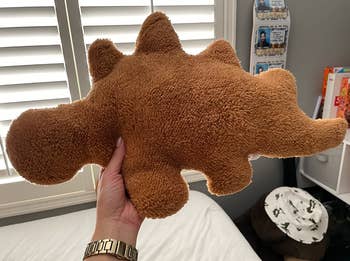
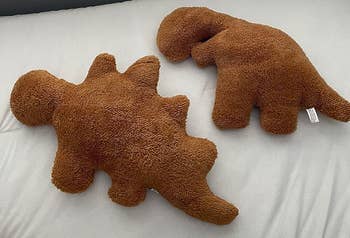
This multi-billion-dollar shift toward what retail analysts term "joyful practicality" is reshaping e-commerce platforms like Amazon and artisan marketplaces like Etsy. From dinosaur-shaped chicken nugget pillows to grim reaper tea infusers and flat, notebook-style water bottles, the market is responding to an overarching psychological need: consumers want their everyday objects to tell a story, spark a conversation, and provide emotional sanctuary.
Main Facts: The Anatomy of a Playful Retail Phenomenon
The current retail landscape is dominated by items that defy traditional categorization, merging practical engineering with unconventional, often eccentric aesthetics. Key data points highlight this movement:
- Affordability Meets Novelty: A significant portion of these viral consumer goods fall within an accessible price bracket, typically ranging from $5 to $35. This low barrier to entry encourages impulse purchasing driven by social media exposure on platforms like TikTok and Instagram.
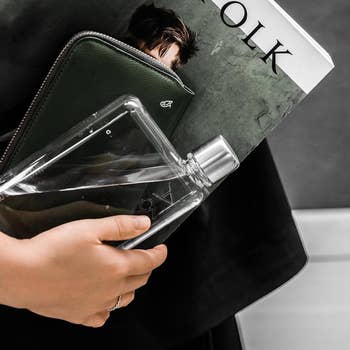
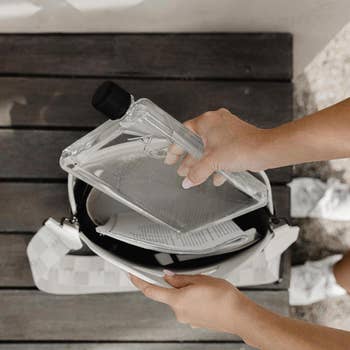
- The Ergonomic Reinvention: Far from being mere gag gifts, these products solve genuine logistical problems. Flat rectangular water bottles slide effortlessly into narrow purses; vertical salad pods prevent desk-lunch sogginess; and space-saving floral pill organizers transform necessary medical routines into cheerful vanity accessories.
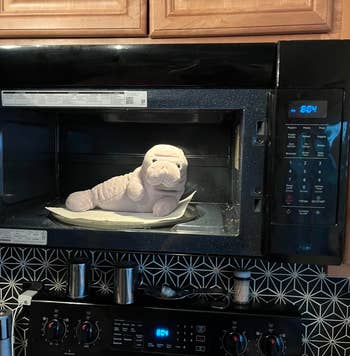
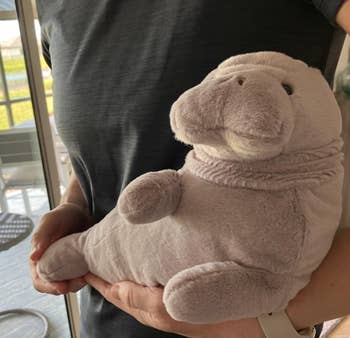
- Emotional Comfort Through Design: Products such as microwavable lavender-scented manatee plushies, color-guided breathing lamps, and slow-rising silicone desert rain frogs directly target rising stress levels, offering tactile and sensory relief wrapped in playful packaging.
- The Democratization of Craft: Platforms like Etsy are seeing massive demand for small-batch, whimsically customized items—such as bookshelf street genre signs, stained-glass-style acrylic bookmarks, and hand-painted miniature goose portraits—allowing consumers to hyper-personalize their living spaces.
Chronology: How "Whimsical Utility" Captured the Market
The evolution of this trend did not happen overnight. It represents a cumulative reaction to the past decade of design and global events.
1. The Post-Minimalist Awakening (2018–2020)
For years, the global design market was dominated by Scandinavian minimalism, neutral color palettes, and stark, monochromatic organization systems (popularized by figures like Marie Kondo). However, as remote work expanded and living spaces doubled as offices during the early 2020s, consumers began experiencing aesthetic fatigue. Neutral spaces that once felt calming began to feel sterile and isolating.
2. The TikTok-Driven Micro-Trend Era (2021–2023)
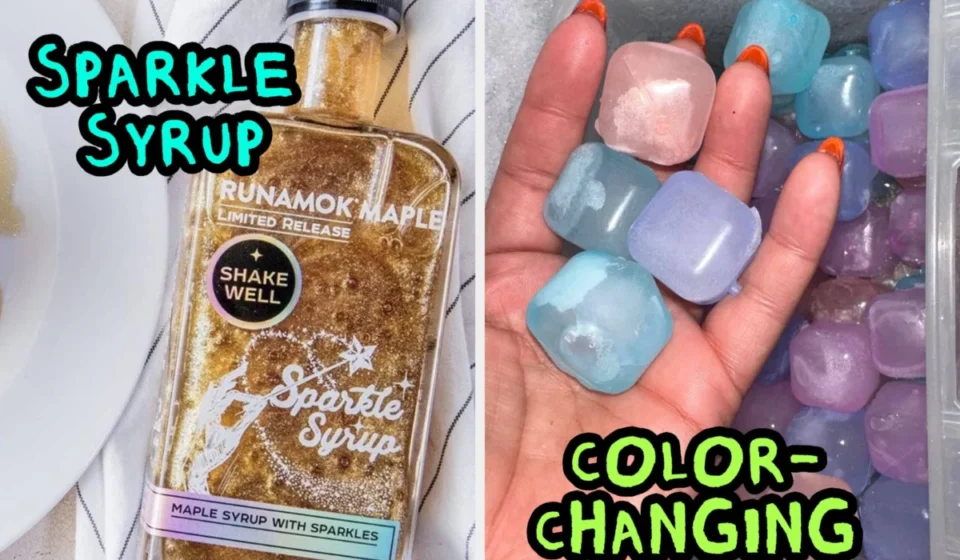
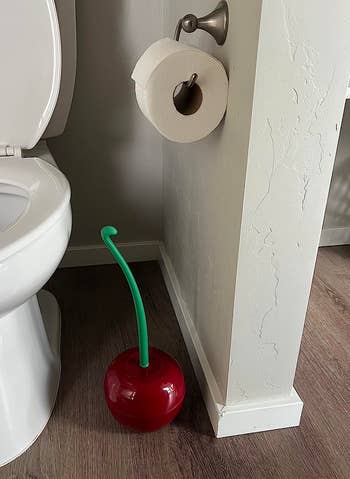
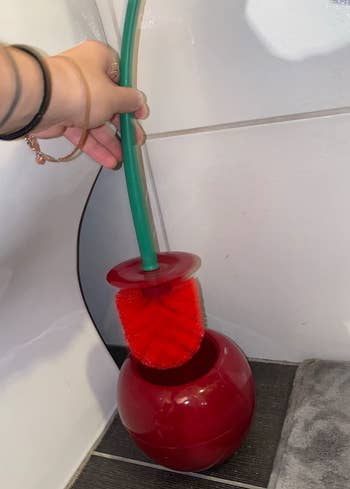
With the hyper-acceleration of short-form video algorithms, products with immediate visual punch found unprecedented organic reach. Items like color-changing reusable ice cubes, cherry-shaped toilet brushes, and glitter-infused Vermont maple syrup became overnight sensations. Consumers realized that sharing a video of a grim-reaper tea infuser or a sparkly breakfast provided community and shared amusement during challenging social climates.
3. The Current Paradigm: Functional Eccentricity (2024–Present)
Today, the market has matured past mere novelty items into "functional eccentricity." Consumers no longer want gimmicks that break after a single use; they demand high-grade materials—such as medical-grade silicone, double-wall vacuum insulation, and durable borosilicate glass—paired with wildly imaginative designs.
Supporting Data and Product Ecosystems
To understand the depth of this consumer shift, one must examine the specific categories driving engagement, customer retention, and high-volume satisfaction across major e-commerce platforms.
Hydration and On-the-Go Logistics
The hydration market, once saturated by heavy, monolithic stainless-steel tumblers, has bifurcated into two extreme, playful directions:
- The Micro Hydro Flask: Holding a mere 6.7 ounces, this scaled-down version of the iconic insulated bottle weighs next to nothing while maintaining double-wall vacuum insulation. Reviewers praise its ability to fit into tiny pockets and micro-backpacks while providing the undeniable psychological joy of owning a fully functional object in "baby form."
- The Flat Notebook Water Bottle: Designed to slip into the narrow spaces of designer handbags where traditional round bottles refuse to go, this BPA-free, leakproof vessel merges high-fashion aesthetics with everyday hydration.
Home Decor with a Plot Twist
Home decoration is experiencing a renaissance of humor and narrative.

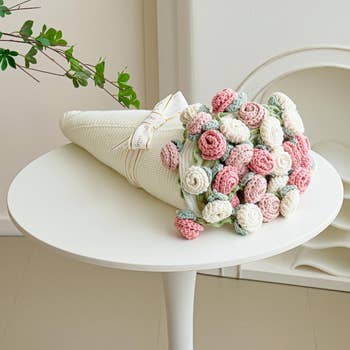
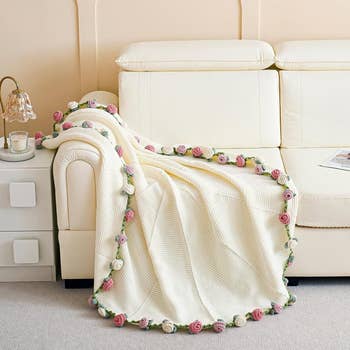
- The Crochet Blanket-Bouquet: Functioning as a pastel floral centerpiece when gathered and tied with a ribbon, it effortlessly unfolds into a warm, breathable throw blanket for the couch.
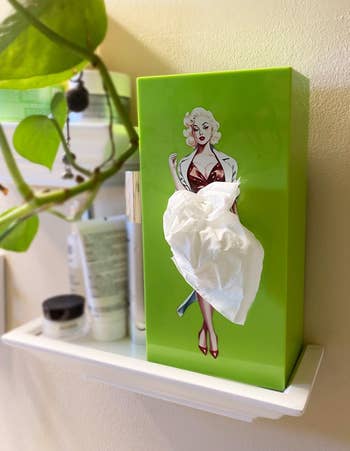
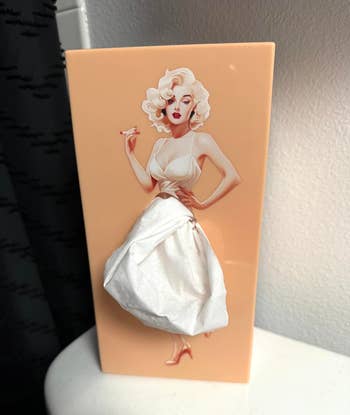
- The 3D Skirt Tissue Box: Featuring vintage pin-up illustrations where the extracted tissues form the ever-changing gowns of the depicted women, this item turns a mundane household necessity into an interactive art piece.
- Candle-Vase Inserts: Tiny glass inserts transform traditional seasonal taper candleholders into miniature floral arrangements, ensuring decor pieces earn their keep year-round.
Sensory Relief and Mental Health Aids
Stress reduction tools have evolved far beyond basic stress balls.
- Microwavable and Freezable Plushies: Flaxseed-filled, lavender-scented sea animals (such as manatees) provide targeted thermal therapy for muscle relief while doubling as comforting, tactile companions.
- Guided Breathing Lamps: Combining soft, squishy silicone cloud designs with 4-7-8 breathing rhythms, these devices use shifting color palettes to visually guide users through anxiety-reducing breathing exercises.
Official Responses and Industry Perspectives
Retail psychologists and platform analysts point to the concept of "micro-dosing joy" as the primary driver behind these purchase patterns.
"When consumers feel they have limited control over macroeconomic pressures, housing markets, or global events, they exercise control over their immediate micro-environment," explains a leading consumer behavior researcher. "Buying a $10 flower-shaped pill organizer or a grim reaper tea infuser isn’t about frivolous spending; it’s an intentional act of reclaiming joy and humor in spaces that are otherwise heavily administrative or stressful."
Furthermore, editorial teams vetting these products emphasize the shift toward service journalism and authentic curation. According to BuzzFeed Shopping’s publishing ethos, modern readers prioritize real, unfiltered feedback over glossy corporate advertising. Highlighting genuine customer reviews—such as an enthusiastic buyer noting that a sparkly syrup "bedazzled their taste buds" or that a cherry toilet brush garners unprompted compliments from dinner guests—establishes a transparent, community-driven retail ecosystem.
Implications: What This Trend Means for the Future of Retail
The embrace of playful, functional design carries significant implications for manufacturers, traditional brands, and small businesses alike.
1. The Death of the Boring Commodity
Brands that rely solely on functional utility are increasingly finding themselves outpaced by competitors who infuse personality into everyday items. A standard toilet brush or pillbox can no longer command loyalty based on utility alone; it must offer an emotional or aesthetic payoff.
2. The Empowerment of Niche Creators
Etsy artisans and independent designers specializing in quirky, hyper-specific decor—such as bookshelf street signs, hand-painted goose portraits, and sarcastic animal magnets—are proving that micro-niche aesthetics have sustainable commercial viability. Consumers are actively seeking alternatives to mass-produced fast-fashion decor, favoring items that reflect individual humor and personality.
3. Redefining Adulting
Perhaps the most profound cultural implication of this trend is the rewriting of "adulting." The popularity of items like star-shaped fridge magnets (offering the visual equivalent of a "nice job, champ" validation sticker) and miniature Bob Ross paint-by-numbers kits suggests that contemporary adults are rejecting rigid, joyless expectations of maturity. Instead, they are curating environments that honor play, self-compassion, and whimsical self-expression.
Conclusion
As the retail market continues to evolve, the intersection of high utility and playful design is here to stay. By proving that efficiency and humor are not mutually exclusive, these products offer a vital antidote to modern burnout. Whether it’s sipping iced tea past a floating skull, organizing medications in a rainbow flower, or letting a tiny ceramic grim reaper steep your afternoon brew, consumers have spoken: the future belongs to objects that make us smile.