The Crack in the Mount: How Viltrox’s Landmark Legal Victory Over Nikon Threatens Canon’s Closed Ecosystem

The global camera industry’s legal landscape has shifted dramatically, driven by a quiet but momentous courtroom battle in Beijing. For years, major legacy camera manufacturers have relied on strict intellectual property (IP) enforcement to maintain proprietary control over their mirrorless lens mounts. However, a watershed ruling earlier this year has upended that paradigm.
When the China National Intellectual Property Administration (CNIPA) ruled against Nikon in its patent infringement lawsuit against third-party lens manufacturer Viltrox, it did more than dismiss a single corporate grievance. It inadvertently established a legal precedent that strips away the invincibility of traditional mount patents, casting an immediate, long shadow over Canon and its fiercely guarded RF-mount system.
Main Facts: The Viltrox-Nikon Showdown
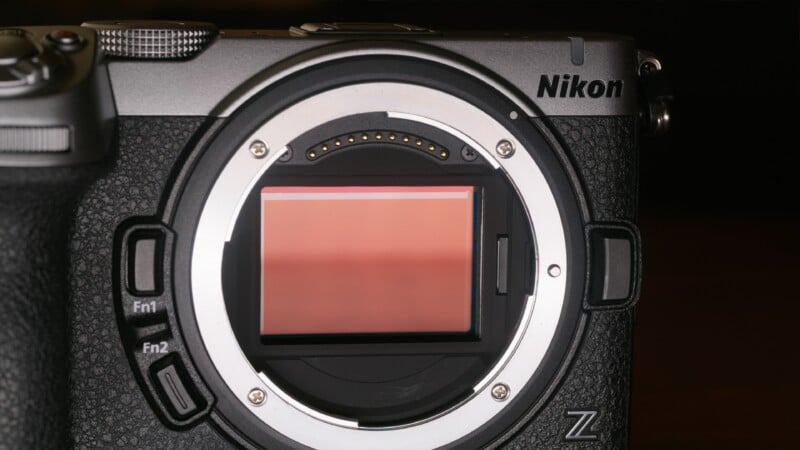
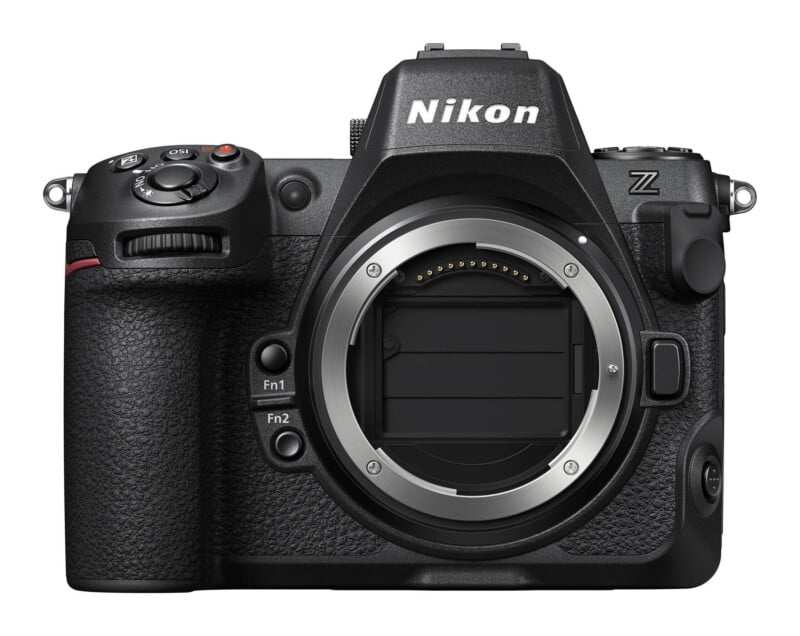
The core dispute centers on the legal validity of modern mirrorless lens mount designs. In January, Nikon initiated legal action in China against Shenzhen Jueying Technology Co., Ltd. (the parent company of Viltrox). Nikon alleged that Viltrox’s autofocus-enabled lenses infringed upon its proprietary Z-mount intellectual property, specifically seeking financial damages and mandatory royalties.
Instead of settling or retreating, Viltrox stood its ground. By the summer, the CNIPA delivered a stunning blow to the legacy giant: not only did it rule entirely in favor of Viltrox, denying Nikon any damages, but it also invalidated one of Nikon’s core Z-mount design patents.
The invalidated patent governed critical physical aspects of the Z-mount ecosystem, including:
- The exact dimensions and configurations of the physical bayonet tabs (lugs).
- The layout, spacing, and positioning of the electronic terminal pins.
- The overall physical interface bridging the lens to the camera body.
According to the CNIPA, Nikon’s design lacked the requisite "inventive step"—the Chinese legal equivalent to the U.S. standard of "non-obviousness." The administrative body concluded that making incremental adjustments to the length, angles, or pin placements of historical camera mounts (such as Nikon’s older F-mount) represents routine engineering iteration rather than a protectable, patentable technological breakthrough.
Consequently, Nikon lacks the legal teeth in China to block Viltrox or other domestic third-party manufacturers from producing and selling autofocus lenses for the Z-mount system.
Chronology of Events: From Cease-and-Desists to Courtrooms
To understand how the industry reached this critical juncture, it is essential to trace the escalation of tension between legacy camera brands and aggressive independent manufacturers:
- August 2022: Viltrox publicly announces it has suspended the production and distribution of autofocus-enabled Canon RF-mount lenses. The company cites direct legal threats and cease-and-desist demands issued by Canon.
- September 2022: Canon officially confirms its aggressive stance, publicly stating that Viltrox’s RF-mount products infringe upon its design and patent rights and demanding that the company halt all infringing activities. At this stage, Viltrox complies due to its smaller financial footprint and the implicit threat of costly litigation.
- January 2026: Escalating the defense of its ecosystem, Nikon shifts from threats to formal action, suing Viltrox in China over alleged Z-mount patent violations.
- Summer 2026: The CNIPA delivers its verdict. The court rules in favor of Viltrox and invalidates Nikon’s core Z-mount physical interface patent, fundamentally altering the power dynamic between camera developers and third-party lens builders.
Supporting Data and Legal Mechanics
While the legal battles are complex, the technical arguments underpinning them are straightforward. Informed by insights from an anonymous, established patent attorney, the core issue facing legacy manufacturers is the stagnation of mount innovation.
Camera lens mounts have fundamentally operated on the same mechanical principles for over half a century. When companies like Nikon and Canon transitioned from DSLR systems (F-mount and EF-mount) to mirrorless systems (Z-mount and RF-mount), they widened the throat diameter and shortened the flange focal distance to accommodate modern optics. However, patent courts are increasingly viewing these modifications as iterative engineering updates rather than foundational inventions.
Why China Matters: The Global Market Weight
It is vital to acknowledge that the CNIPA ruling is geographically limited to China. In regions like the United States, Europe, or Japan, Nikon and Canon still hold localized patents for their respective mounts. Theoretically, these companies could initiate lawsuits in Western jurisdictions to block the import of Viltrox lenses.
However, doing so carries astronomical risk. Legal experts note that if Nikon or Canon were to challenge third-party makers in U.S. or European courts, those foreign tribunals could arrive at the exact same conclusion regarding "inventive step" and prior art. A loss in a Western court would effectively shatter a manufacturer’s global IP fortress, invalidating their mount protections worldwide.
Furthermore, China represents the second-largest camera market in the world. Even if legacy brands successfully block imports in the West, losing legal control over the Chinese domestic market is an unacceptable financial casualty. Furthermore, physical import restrictions are notoriously porous; even when products face bans (such as the recent high-profile restriction of certain DJI devices in the U.S.), gray markets and alternative supply chains make consumer acquisition relatively frictionless.
Official Responses
Faced with a rapidly deteriorating legal monopoly, both Nikon and Canon have responded with measured, cautious diplomacy.
When approached by PetaPixel regarding the Chinese court ruling, Nikon offered a brief statement:
"Out of respect for the judicial system, we will refrain from providing further details at this time."
Viltrox, despite securing a monumental victory that fundamentally reshapes the optical industry, has chosen to remain remarkably restrained, declining to gloat or outline future product roadmaps aggressively:
"We truly appreciate your attention and support. However, at this moment, we don’t have any official information or updates that we are able to share regarding this topic. Regarding the questions about potential future implications or other mounts, we unfortunately don’t have any comments or information available at this time."
Meanwhile, Canon—the last bastion of a truly closed mirrorless mount via the RF system—maintains its characteristic corporate reserve. When questioned about the implications of the Viltrox-Nikon ruling on its own IP enforcement, Canon told PetaPixel:
"Canon does not comment on legal proceedings or the business activities of other companies. We remain focused on delivering innovative solutions to our customers while respecting intellectual property rights in every market where we operate."
Implications: Canon’s Conundrum and the Future of Closed Mounts
The million-dollar question now facing the industry is simple: If Nikon’s Z-mount patent has been legally compromised, what makes Canon’s RF-mount any different?
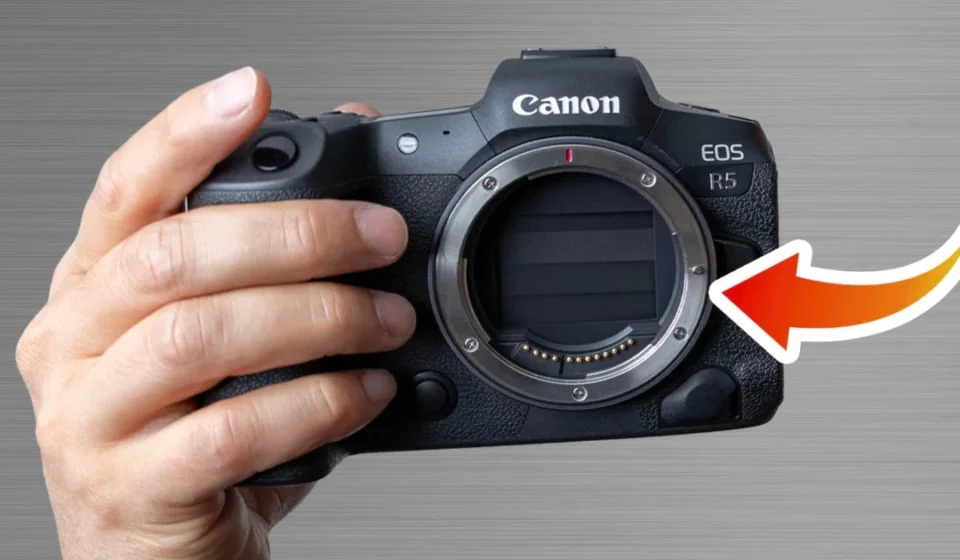
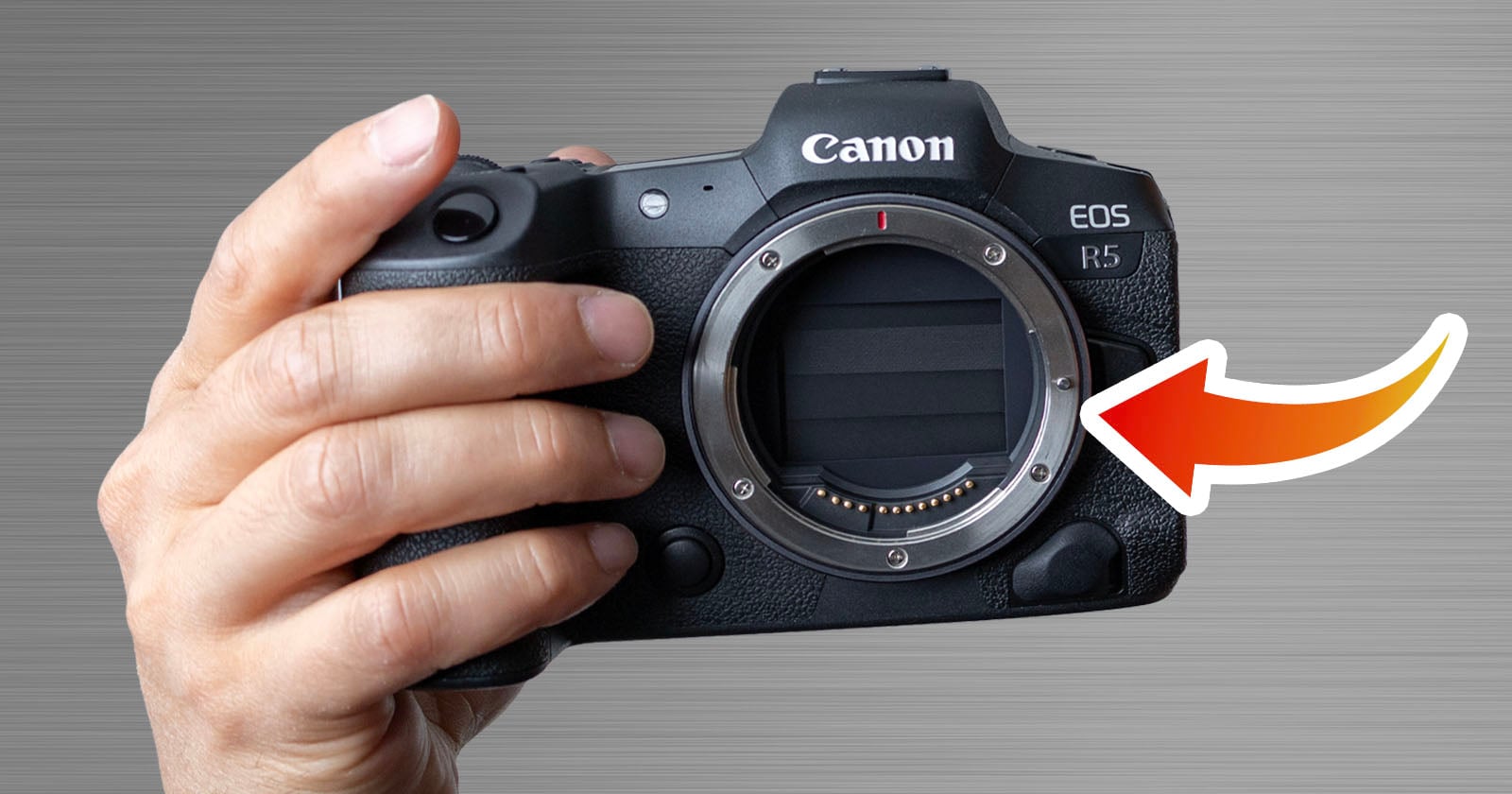
Canon’s legal fortifications mirror Nikon’s closely. Its portfolio protects three-tab bayonet geometries, 12-pin electronic terminal arrangements, and proprietary communication protocols governing autofocus, image stabilization, and the unique RF Control Ring. If Canon were to execute on its 2022 threats and actually sue Viltrox in a Chinese court today, the CNIPA would almost certainly apply the same "routine engineering" logic, leaving Canon’s patents similarly vulnerable.
Potential Industry Fallout
-
The Risk of Firmware Blockades:
Camera manufacturers might attempt to bypass the courtroom entirely, utilizing encrypted software protocols and firmware updates to "brick" or restrict unauthorized third-party lenses. However, this strategy carries severe consumer relations risks. When compatibility hiccups occurred during recent camera launches (such as Sony’s a7 V release window), consumers immediately turned hostile, accusing brands of anti-consumer software blocking—even when technical glitches were purely accidental. Furthermore, independent developers routinely crack these software barriers within days. -
The Multi-Pronged Litigation Strategy:
If Canon decides to take a stand, experts predict it will bypass a purely domestic Chinese challenge and instead launch simultaneous, overwhelming international lawsuits across the U.S., Europe, and Japan. The objective would not necessarily be to win on absolute legal merits, but to financially overwhelm Viltrox and force them into a negotiated licensing settlement. -
The Inevitable Opening of the RF Mount:
Should Chinese manufacturers test the waters and flood the market with unlicensed RF-mount autofocus lenses, Canon may be forced to concede the inevitable. Much like Sony’s highly successful E-mount licensing program—where third-party makers pay royalties or agree to minor performance caps (such as restricted burst shooting rates) in exchange for official documentation—Canon could be forced to open its ecosystem.
Notably, Japanese camera titans like Canon, Nikon, Sony, Sigma, and Tamron all sit on the board of the Camera & Imaging Products Association (CIPA). These legacy competitors prefer to protect Japanese-owned market share from international disruption. If independent Chinese manufacturers fundamentally break open the closed-mount ecosystem, a coordinated corporate pivot toward a unified licensing structure may become the only viable defense.
Conclusion
For the first time since the inception of the modern mirrorless generation, the balance of power has shifted. Third-party lens manufacturers are no longer small-scale operations vulnerable to casual legal intimidation; they possess the financial backing, engineering prowess, and legal resilience to challenge legacy giants head-on.
Whether Canon chooses to litigate, negotiate, or adapt, one reality is clear: the era of the impenetrable, entirely closed camera mount is drawing to a close.
Related posts: