Comments Off on The Magic of Mystery in Photography: Why What You Hide Matters More Than What You Show
In an era defined by hyper-resolution, instant sharing, and algorithmic optimization, contemporary photography faces an unprecedented paradox. Technology has made it easier than ever to document every square inch of the physical world with absolute clarity. Yet, in our pursuit of total transparency, we may have sacrificed the very element that gives visual art its enduring power: mystery.
Renowned nature and wildlife photographer Richard Bernabe addresses this paradigm shift head-on in his essay, "The Magic of Mystery," featured in the latest edition of Photography Destinations Magazine, published by Muench Workshops. According to Bernabe, withholding information from the viewer is not a compositional failure, but a deliberate, highly sophisticated artistic choice. By leaving elements unseen, suggested, or ambiguous, photographers can transform literal documentation into evocative art that lingers in the viewer’s consciousness long after the screen has gone dark.
Main Facts: The Anatomy of Visual Incompleteness
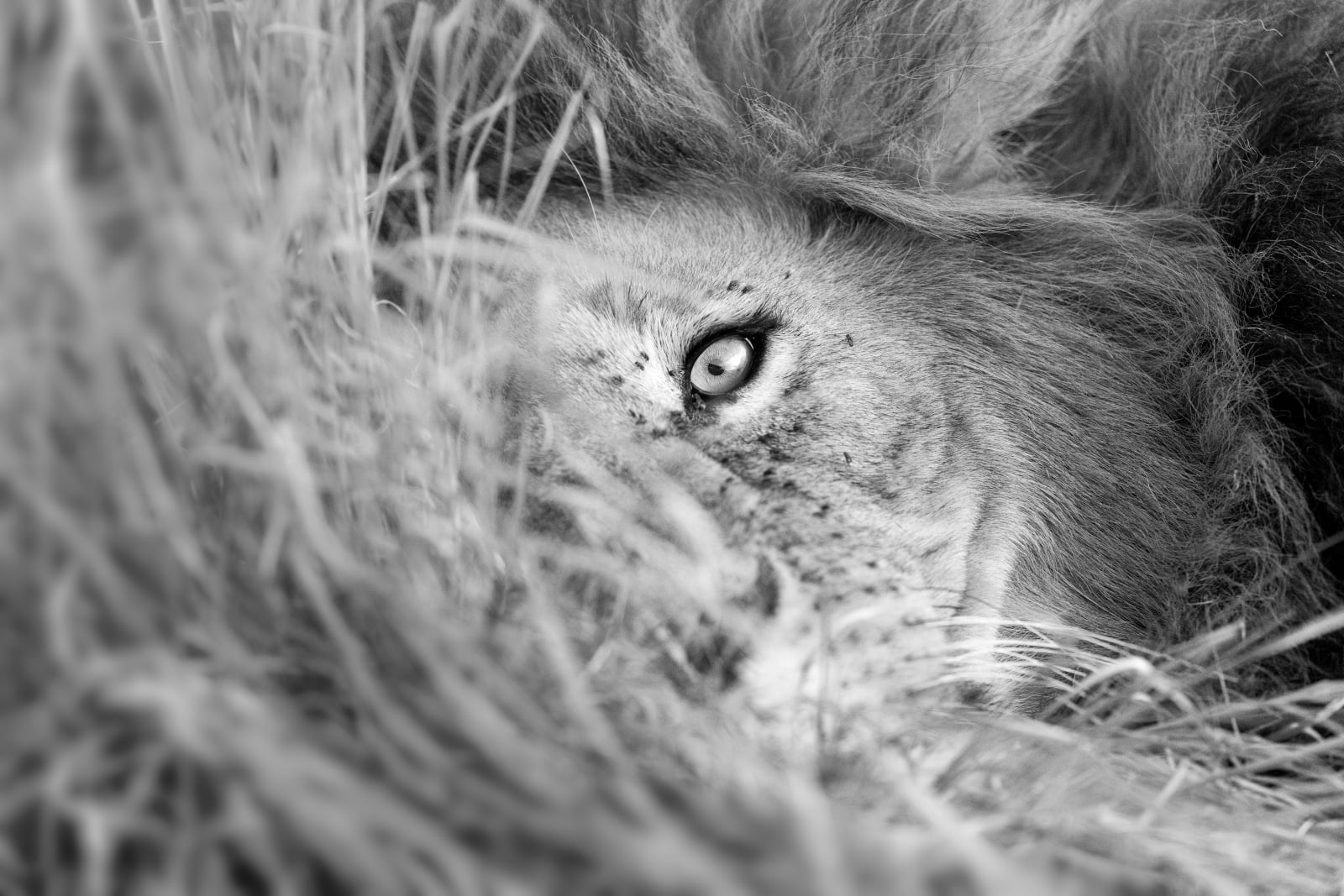
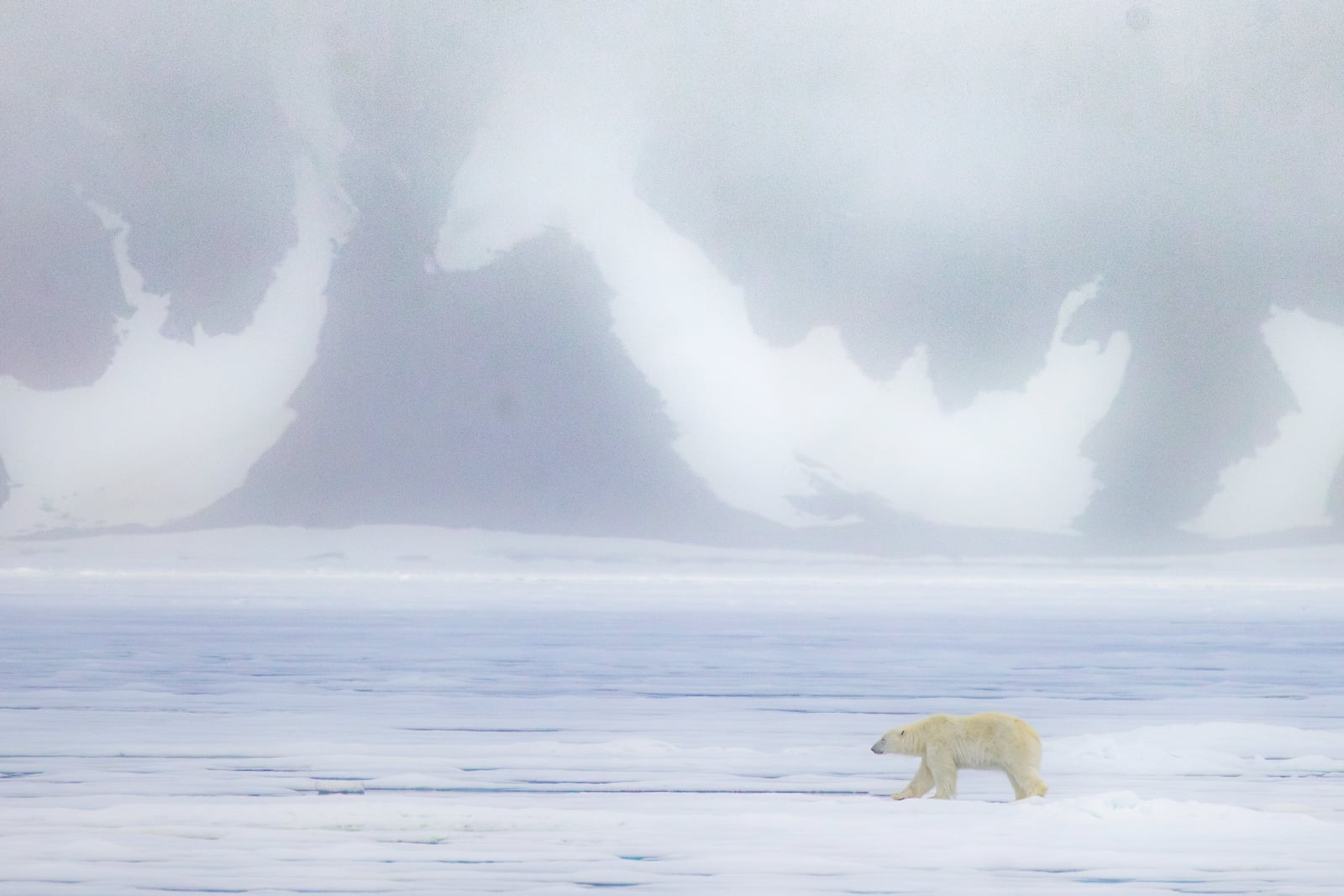
At its core, Bernabe’s thesis challenges the modern impulse toward oversharing. Human psychology is hardwired to seek closure; when we encounter an incomplete pattern—such as an animal’s face partially obscured by foliage, a trail vanishing over a horizon, or a heavy silhouette swallowed by fog—our cognitive gears immediately begin to turn.
The Cognitive Tension: Unlike fully realized images that satisfy our immediate curiosity and are subsequently forgotten, mysterious images compel the viewer to linger, lean in, and mentally construct their own narratives.
Cross-Disciplinary Precedents: The reliance on the unseen is hardly unique to photography. Literature has long championed this approach, from Ernest Hemingway’s "iceberg theory"—where the deeper meaning remains submerged beneath the surface—to the enduring ambiguity of the Mona Lisa’s smile. Similarly, musical compositions rely on strategic pauses and unresolved chords, while cinema uses scarce monster reveals (as seen in Jaws) to heighten psychological impact.
The Antidote to AI: In the modern landscape, artificial intelligence excels at generating technically flawless, hyper-detailed images that demand zero imagination. Bernabe argues that embracing mystery acts as a form of artistic defiance, serving as an undeniable signature of human consciousness and intentionality.
Chronology and Evolution: From Documentation to Suggestion
The philosophical transition from pure visual documentation to suggestive artistry has evolved alongside the maturation of photography as a fine art medium.
The Early Era: In the nascent days of photography, the medium was primarily viewed as a scientific tool for recording reality with mechanical precision. Every detail had to be sharp, exposed correctly, and fully accounted for.
The Modern Shift: As pictorialism and modernism took root, masters of the craft began experimenting with shadow, grain, and abstraction. Henri Cartier-Bresson introduced the world to the "decisive moment"—a concept that frequently succeeded not by explaining a scene, but by capturing a fraction of time pregnant with unanswered questions about what happened just before and what would happen next.
The Digital and AI Age: Today, the pendulum has swung aggressively toward hyper-clarity. High ISO performance, massive megapixels, and automated AI enhancement strive to banish shadows and eliminate noise. Bernabe’s current exploration serves as a timely historical correction, urging contemporary photographers to step backward into the shadows and reclaim the power of omission.
Supporting Data and Technical Execution: Crafting the Unseen
Achieving effective mystery is not merely about taking a poorly exposed or blurry photo; it requires precise technical execution and a mastery of compositional tools. Bernabe’s field notes from his expeditions across the globe illustrate how technical parameters are manipulated to obscure reality and stimulate imagination.
1. Controlling the Light and Shadows
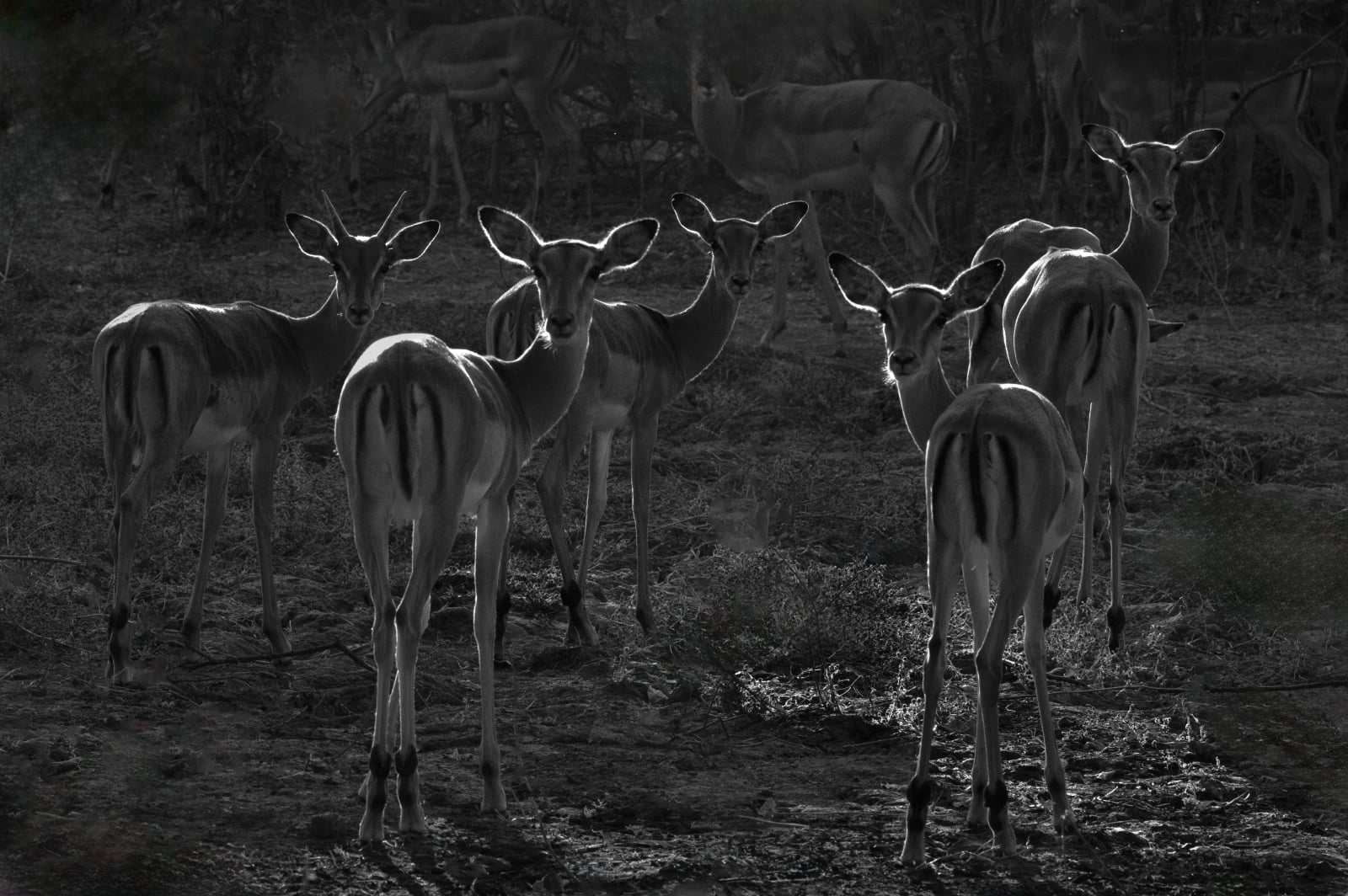
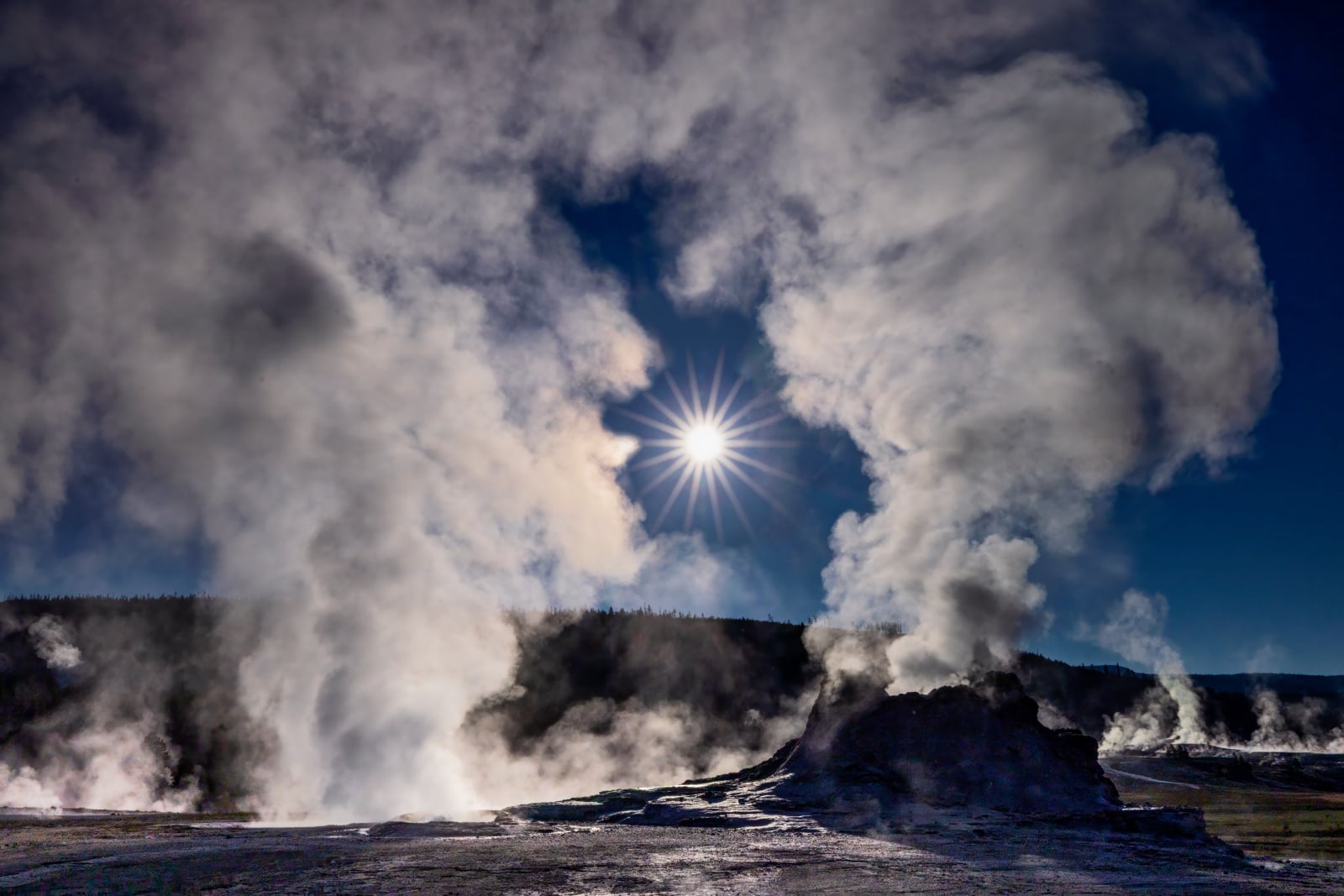
Mystery frequently resides in darkness rather than glaring illumination. By utilizing backlighting, subjects are reduced to powerful silhouettes that preserve form while concealing intricate surface details.
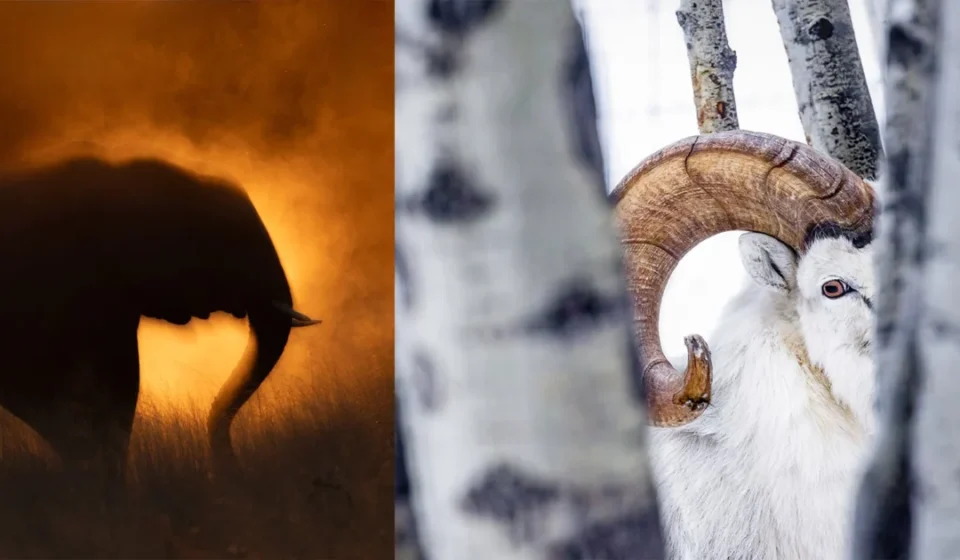
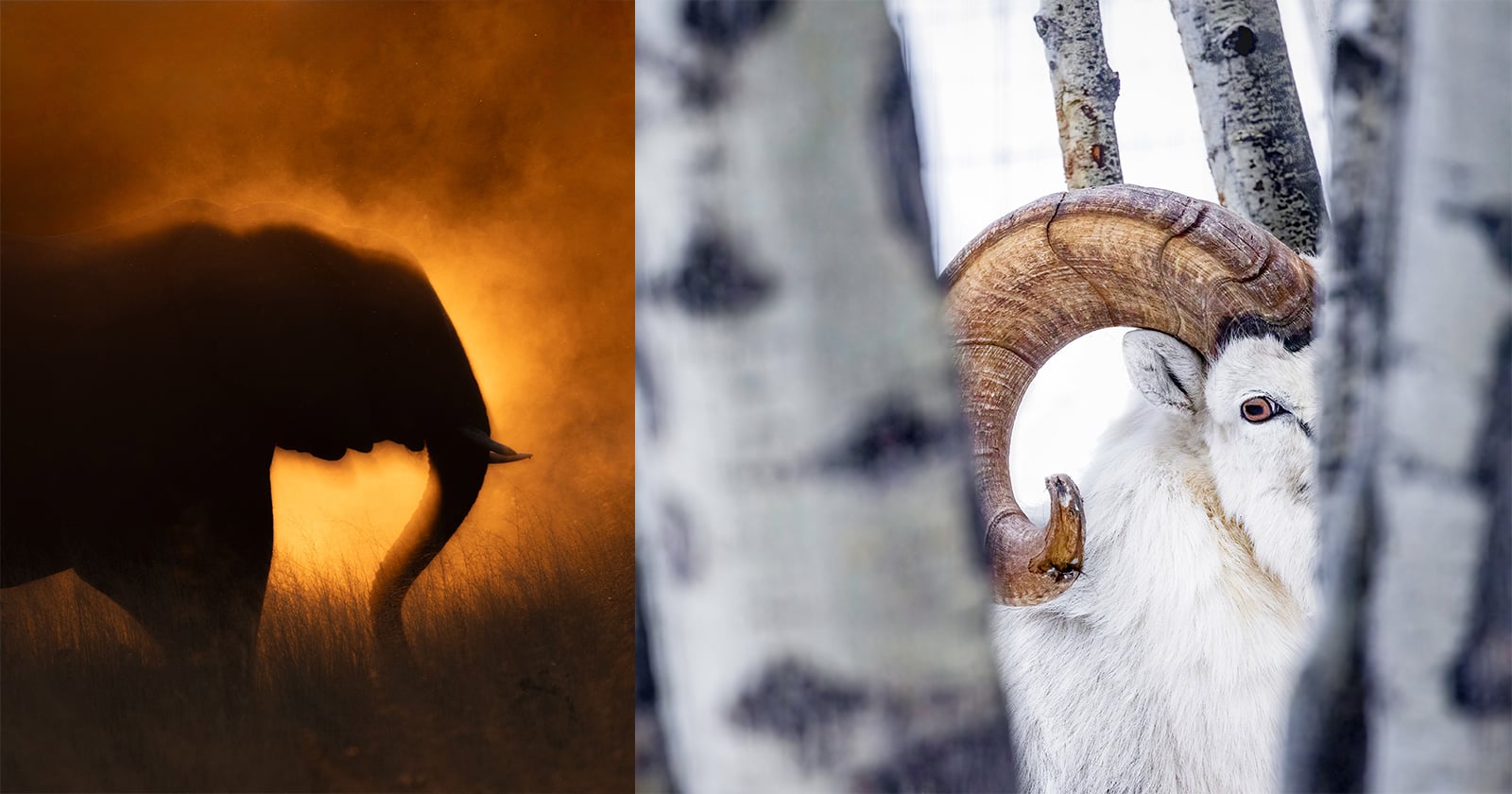
Example: In the Okavango Delta of Botswana, Bernabe captured an elephant walking through a dust cloud kicked up by its herd (Shot at 1/1000, f/5.6, ISO 500 at 300mm). Reduced to shape, movement, and atmospheric haze, the animal becomes an embodiment of raw wilderness rather than a literal zoological specimen.
2. Strategic Omission and Foreground Elements
Using natural elements—such as dense foliage, towering trees, or weather phenomena—as physical barriers forces the viewer to search the frame.
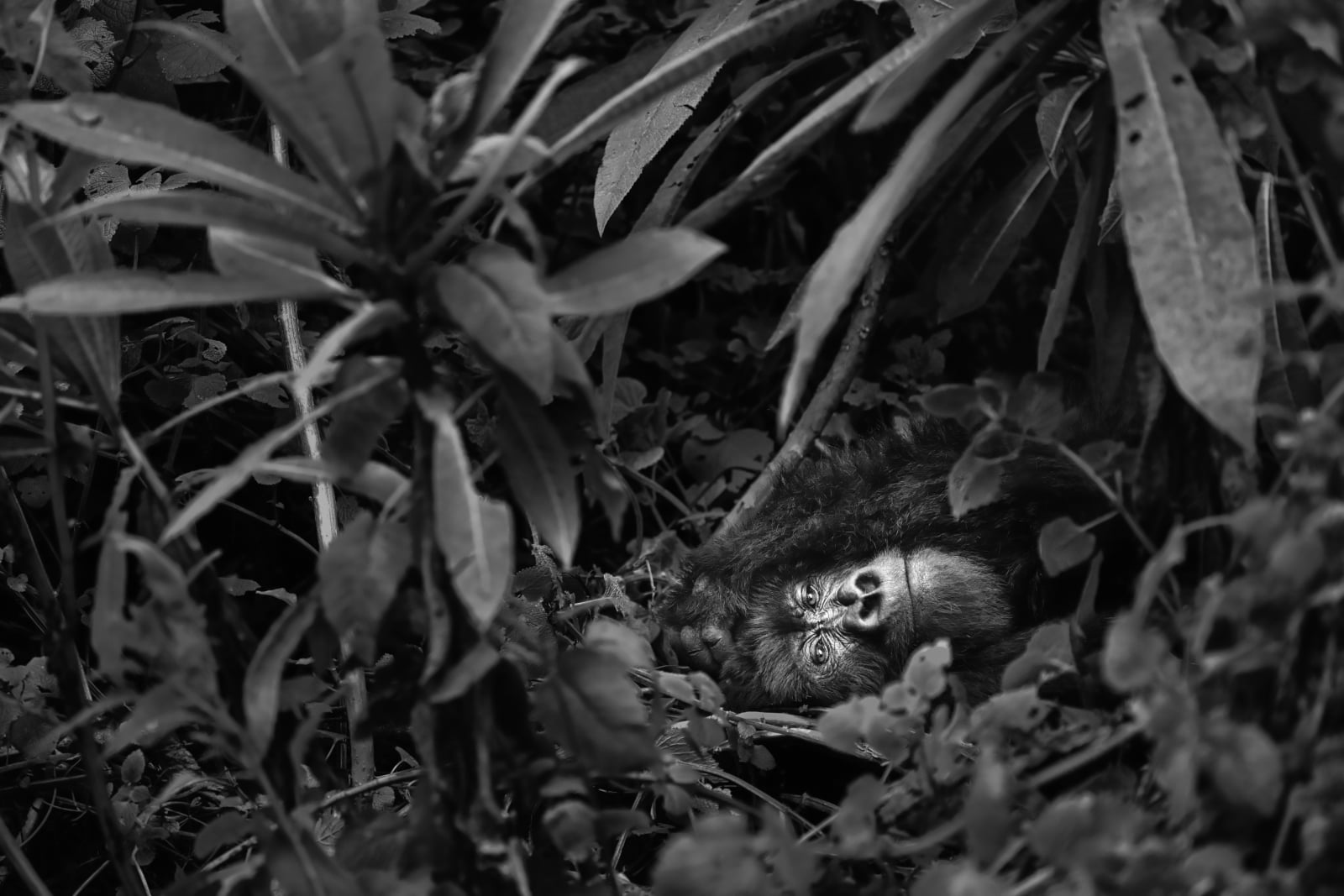
Example: In Volcanoes National Park, Rwanda, a mountain gorilla rests peacefully on the forest floor, heavily obscured by dense vegetation (Shot at 1/800, f/5, ISO 1600 at 214mm).
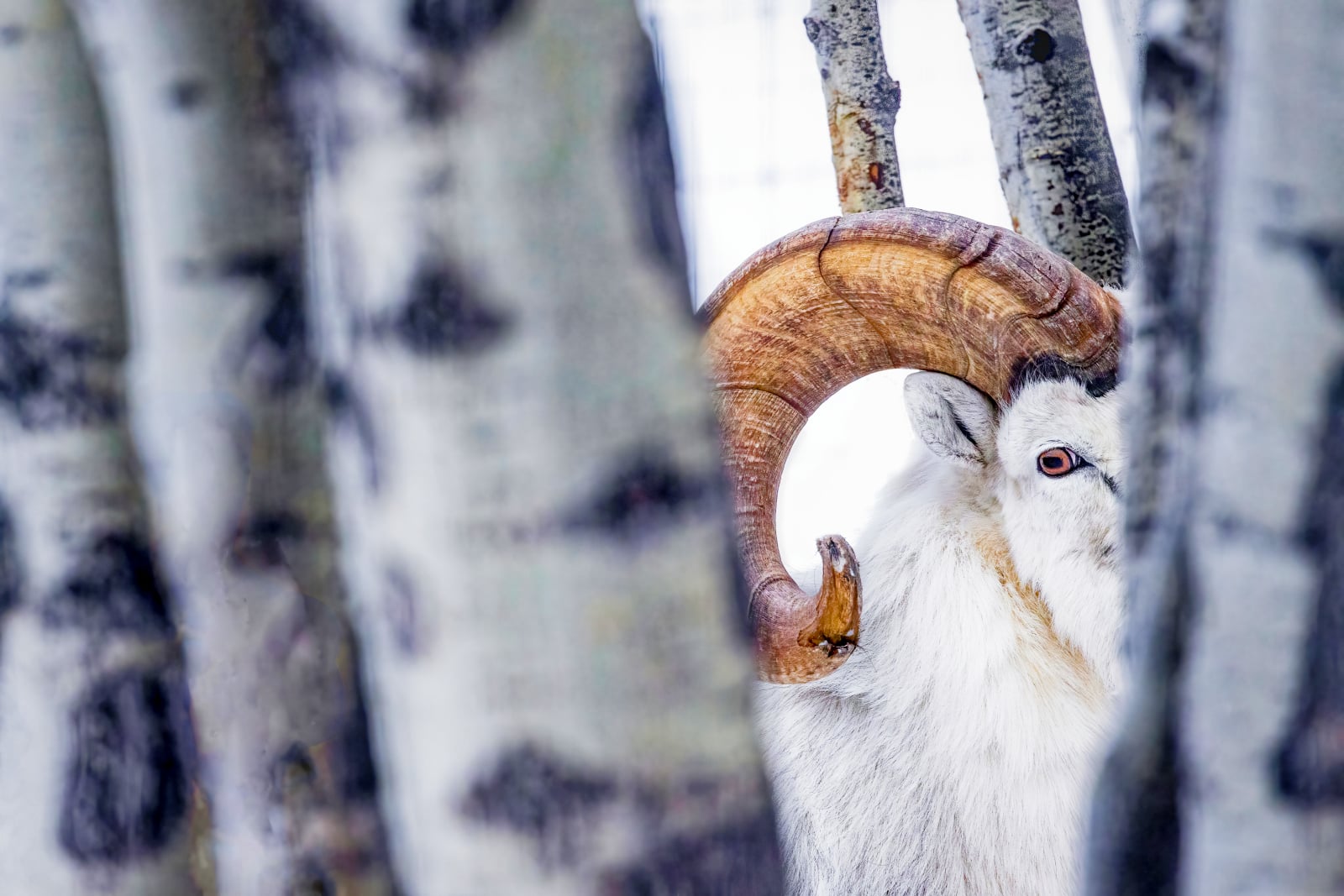
Example: In the Yukon Territory, Canada, a Dall sheep ram peers through a wintry aspen grove (Shot at 1/1250, f/7.1, ISO 2500 at 451mm). The foreground branches simultaneously reveal and conceal the animal, creating visual tension.
3. Shutter Speed and Abstraction
Long exposures can transform chaotic reality into impressionistic visions, bridging the gap between the physical world and the imagination.
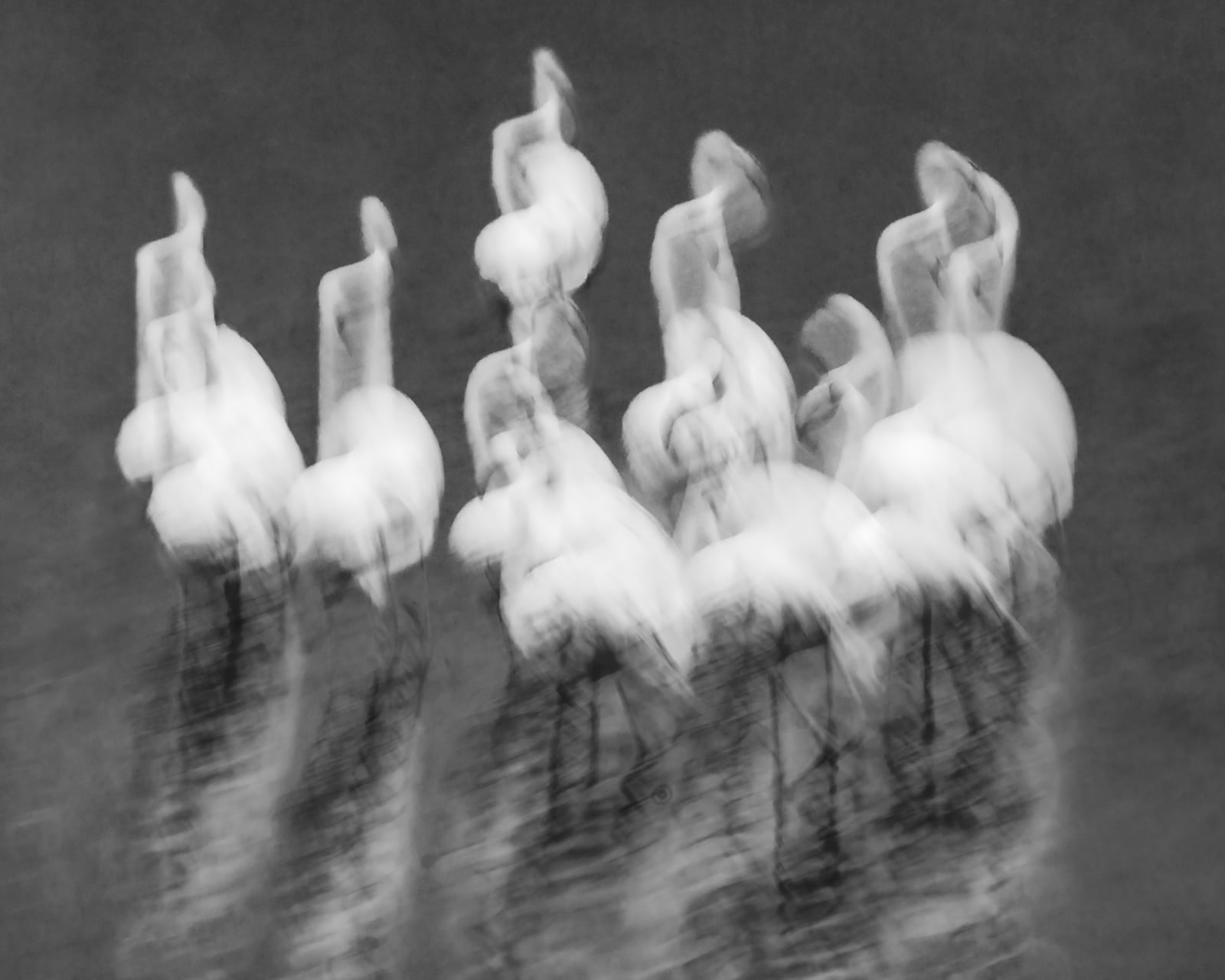
Example: Greater flamingos in Walvis Bay, Namibia, were photographed using a slow shutter speed (Shot at 1/5, f/13, ISO 100 at 472mm), turning their physical motion into ghostly, ambiguous art forms.
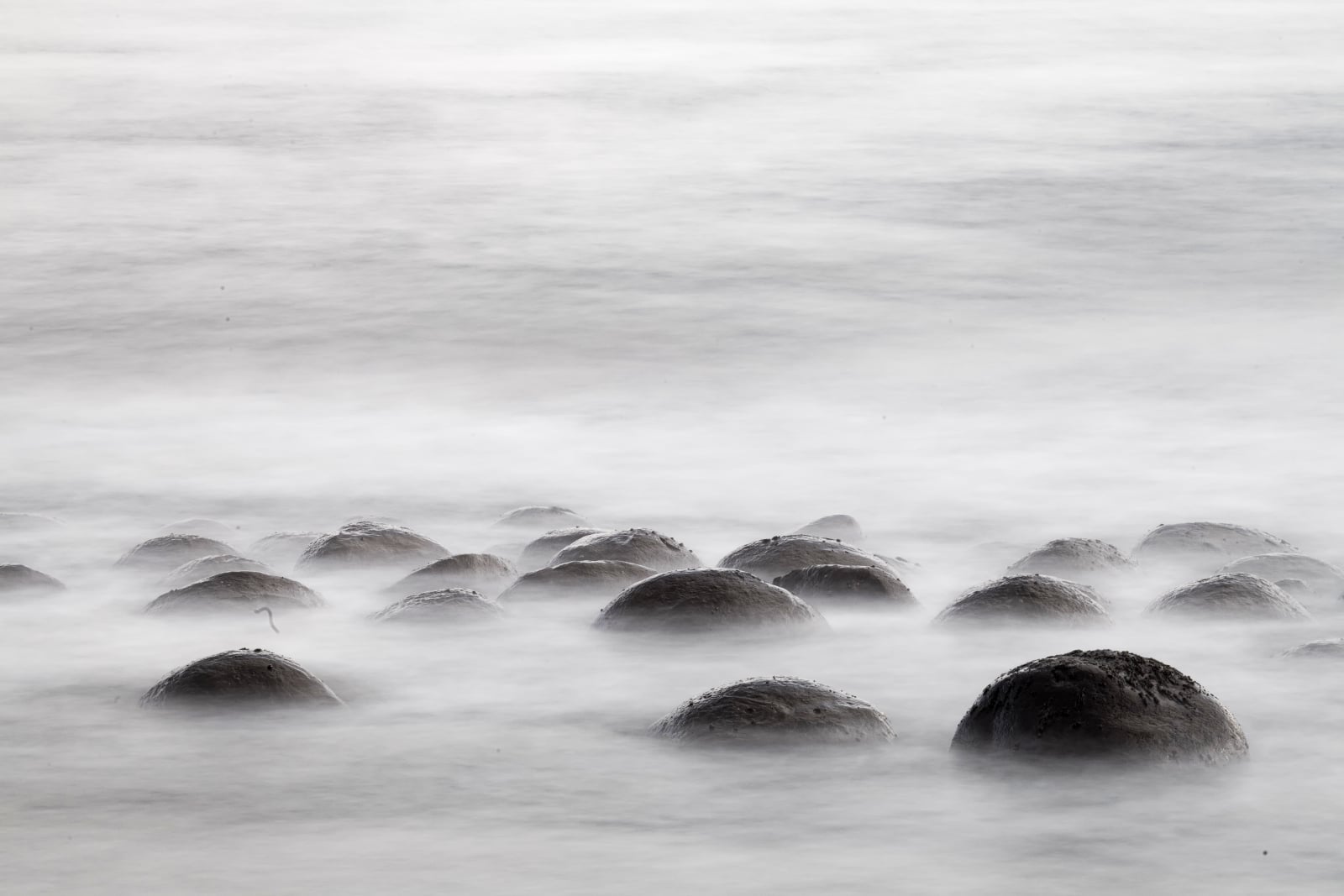
Example: A 30-second exposure at Bowling Ball Beach, California (f/20, ISO 160 at 180mm), turned turbulent water into a mystical, fog-like expanse.
4. Suggestion Over Display
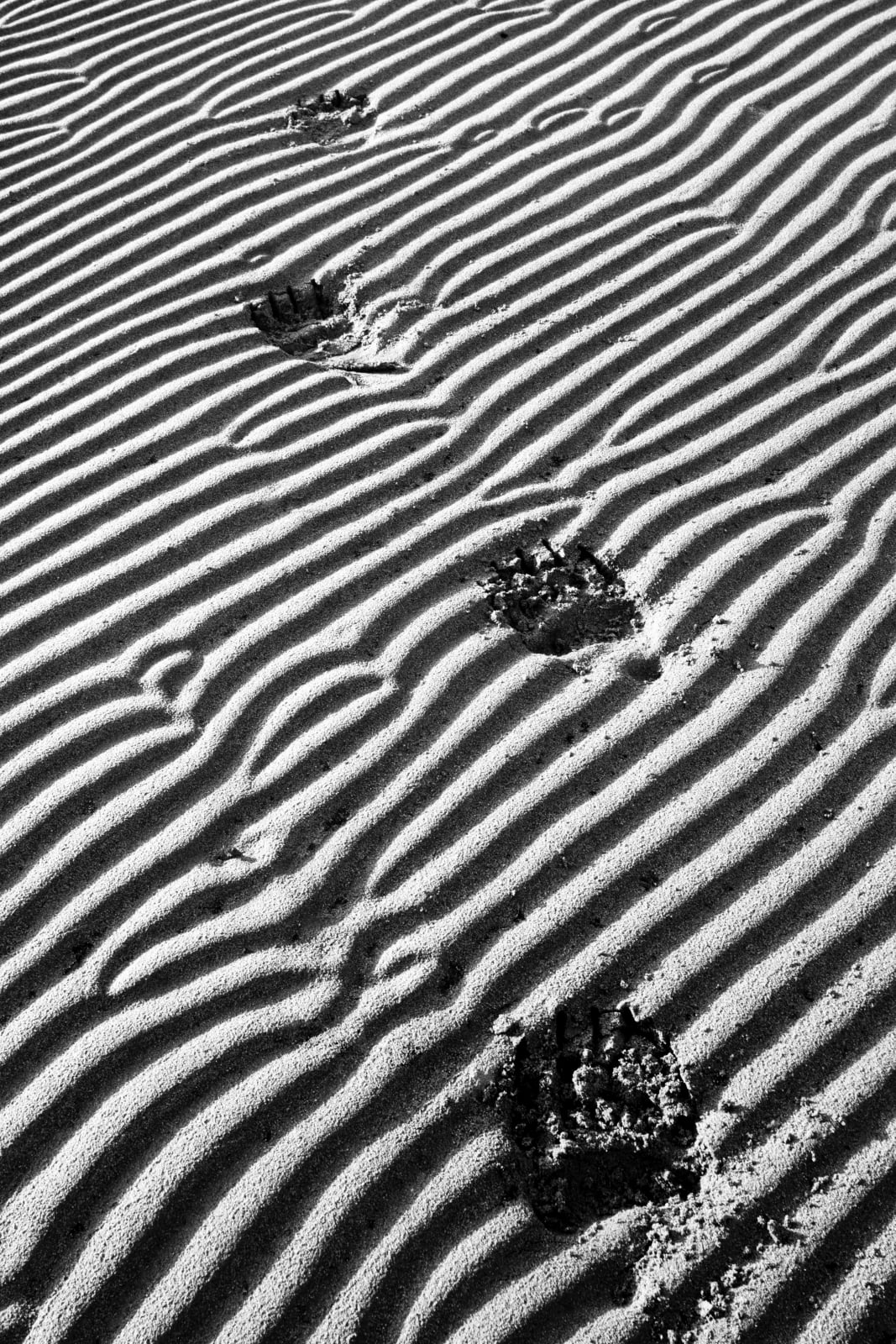
Sometimes, the subject does not need to appear in the frame at all. Brown bear tracks on a sandbar in Lake Clark National Park, Alaska (Shot at 1/4, f/22, ISO 200 at 40mm), imply movement, presence, and an ongoing story that stretches far beyond the borders of the photograph.
Official Perspectives and Industry Insights
The discourse surrounding Bernabe’s essay highlights a vital distinction that every visual storyteller must master: the difference between mystery and confusion.
"Confusion repels; mystery invites. Mystery is orderly; confusion is chaos. Confusion creates barriers, while mystery offers breadcrumbs for viewers to follow their curiosity." — Richard Bernabe
Industry experts and photography educators emphasize that confusion stems from sloppy composition, unmotivated lighting, or poor technical choices that alienate the audience. Mystery, on the other hand, is an intentional design. It provides just enough structural and visual data to hook the viewer’s interest while deliberately withholding enough context to activate their personal imagination and emotional reservoir.
Through initiatives like Photography Destinations Magazine, Muench Workshops continues to champion this philosophy, encouraging photographers to look beyond the literal subject matter and consider the emotional resonance of their compositions. (Photographers interested in diving deeper into these field lessons can request a free print copy of the magazine directly through the Muench Workshops platform).
Implications for the Future of Visual Art
As we navigate a visual ecosystem saturated with computer-generated imagery and real-time documentation, the implications of Bernabe’s artistic manifesto are profound.
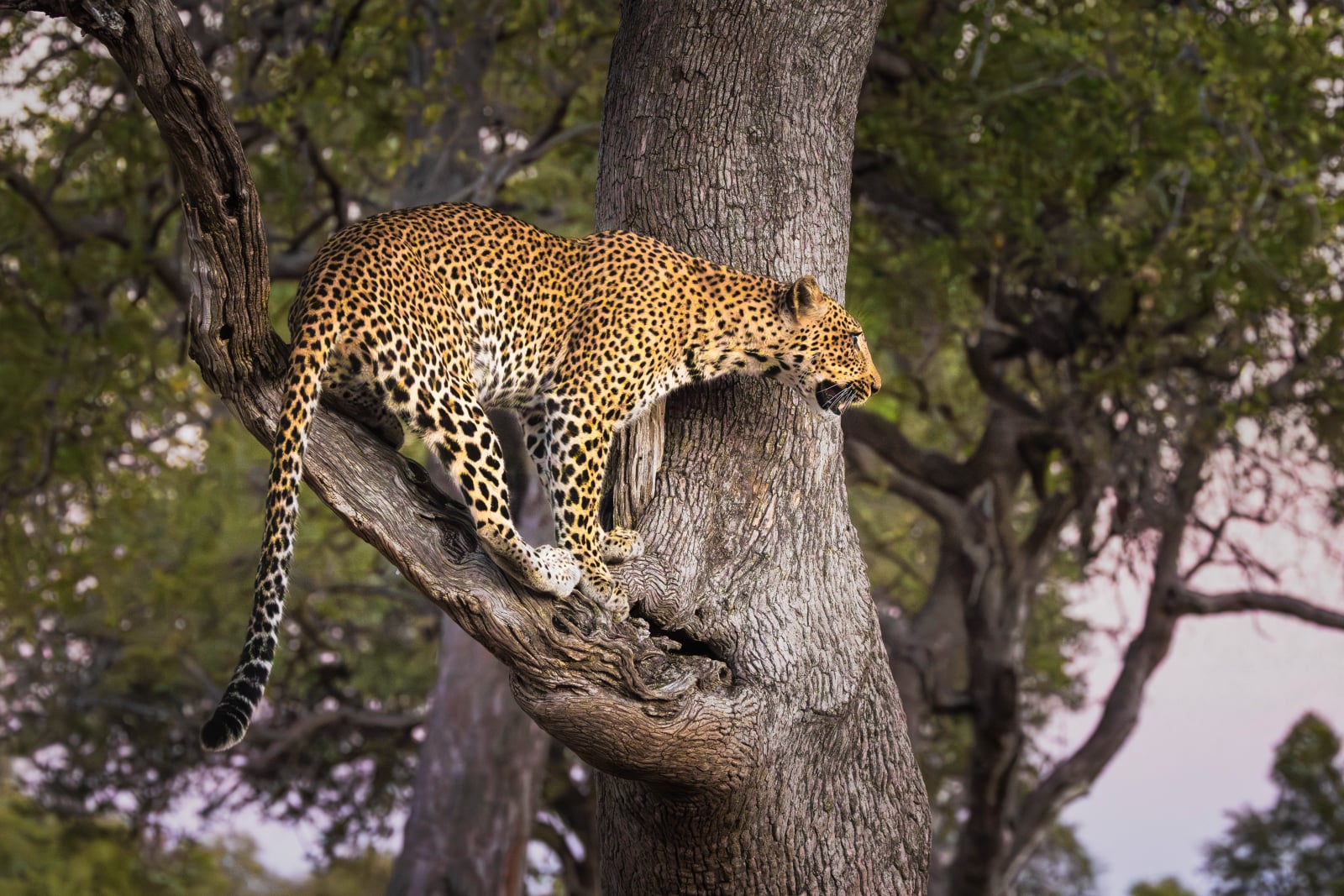
The Revaluation of the Viewer: When a photograph embraces ambiguity—such as a leopard staring intensely just outside the frame (Zambia, Shot at 1/640, f/6.3, ISO 6400 at 135mm)—the viewer ceases to be a passive consumer. They are elevated to the status of a co-creator, bringing their own individual fears, desires, and experiences to the interpretation of the work.
Honoring the Limits of Art: Ultimately, embracing mystery is an acknowledgment of humility. The natural world and human experience are inherently complex, untamed, and ultimately unknowable in their entirety. By reflecting this reality through deliberate concealment, photographers elevate their craft from mere commercial documentation to timeless art.
In a world demanding immediate answers, the camera lens remains one of our most potent instruments for asking better questions.