Fall Style and Seasonal Commerce: How Autumn Aesthetics Drive Digital Retail and Lifestyle Media

By Senior Lifestyle & Consumer Trends Desk
Published: October 2023
1. Main Facts: The Autumn Shift in Digital Retail
As the calendar turns toward the final quarter of the year, a predictable yet powerful economic and cultural phenomenon takes hold across the Northern Hemisphere: the total embrace of autumn. Defined colloquially in digital spaces as the arrival of "plaid blazer and pumpkin chai body lotion o’clock," this seasonal transition is far more than a fleeting aesthetic preference. It represents a massive, synchronized shift in consumer behavior, digital content creation, and retail commerce.
The intersection of lifestyle journalism, social media curation, and e-commerce has transformed the autumn season into one of the most lucrative periods for digital publishers and direct-to-consumer brands alike. From targeted affiliate marketing campaigns to editorial roundups celebrating the tactile comforts of cooler weather, the autumn transition highlights how modern retail relies on emotional resonance and seasonal storytelling.
Key elements driving this seasonal surge include:
- The Wardrobe Transition: The immediate pivot from lightweight summer fabrics to structured outerwear, notably plaid blazers, knitwear, and layering essentials.
- Sensory Marketing: A surge in demand for autumnal home fragrances, specialty beverages (such as pumpkin chai and spiced apple profiles), and cozy personal care items.
- Affiliate Ecosystems: The pivotal role played by digital publishers—ranging from major legacy outlets to dedicated shopping desks at platforms like BuzzFeed—in curating, reviewing, and monetizing seasonal goods through affiliate links.
2. Chronology: The Evolution of Autumn as a Retail Phenomenon
To understand how the "cozy season" became a cornerstone of modern digital commerce, it is necessary to examine how autumn marketing has evolved over the past two decades.
Early 2000s: The Traditional Retail Shift
Historically, the transition into autumn meant a physical shift in department store windows. Retailers rolled out back-to-school campaigns in August, followed quickly by heavier apparel and holiday-prep displays in October. Media coverage during this era was largely print-driven, focusing on seasonal fashion weeks and traditional home-decor magazines that advised readers on how to "winterize" their living spaces.
The 2010s: The Rise of Social Curation and the "Pumpkin Spice" Economy
With the advent of platforms like Pinterest and Instagram, the visual curation of autumn accelerated dramatically. The introduction of seasonal specialty beverages by major coffee chains—most notably the cultural footprint left by pumpkin-flavored beverages—created a tangible cultural marker for the start of fall. Digital media quickly adapted, publishing listicles and photo galleries dedicated to "fall aesthetics," which laid the groundwork for modern lifestyle blogging.
The Late 2010s to Present: Shoppable Media and Algorithmic Integration
Today, the barrier between inspiration and purchase has been virtually eliminated. Platforms like TikTok, Instagram Shopping, and curated shopping desks within digital publishers have transformed seasonal mood boards into instant transactions. Editorial content is now deeply integrated with affiliate monetization models, allowing readers to transition seamlessly from reading about a "chic plaid blazer" to purchasing one with a single click. This era is characterized by micro-trends, rapid-fire social commerce, and influencer-led lifestyle branding that normalizes year-round anticipation for autumn.
3. Supporting Data: The Economic Impact of the Fall Season
The cultural obsession with autumn translates directly into measurable economic momentum. Retail data consistently demonstrates that consumers are willing to invest heavily in seasonal comfort, apparel, and home goods.
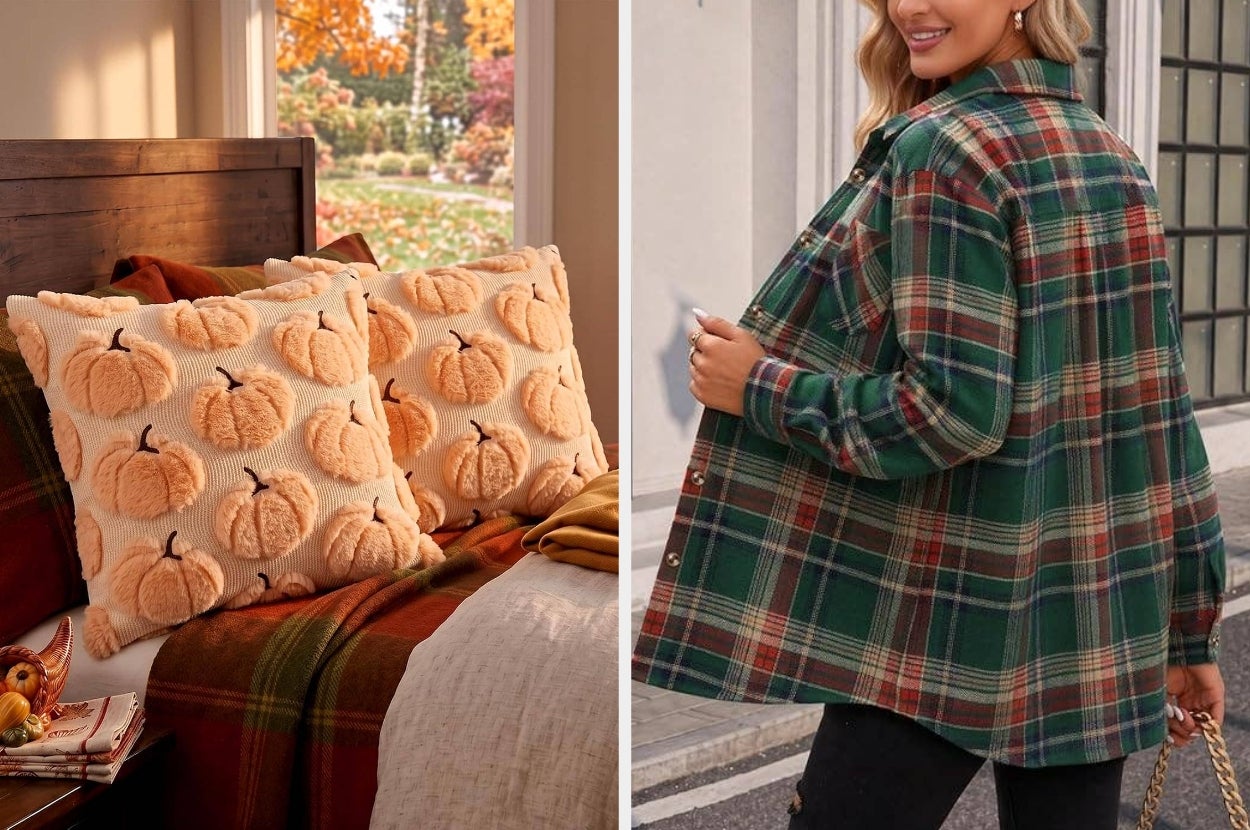
- Apparel and Layering Growth: According to retail analytics firms, consumer spending on outerwear and transitional tailoring (such as blazers, trench coats, and cardigans) experiences a quarter-over-quarter spike of between 25% and 40% as average temperatures drop in September and October.
- The Home and Personal Care Boom: The global market for seasonal home fragrances—including candles, diffusers, and body lotions featuring spiced, woody, or gourmand notes—accounts for a significant percentage of fourth-quarter beauty and home-care sales. Brands specializing in seasonal sensory products frequently report their highest quarterly revenues during this window.
- Affiliate Marketing Yields: For digital publishing networks, lifestyle and shopping content drives a substantial portion of annual referral revenue. Articles categorized under "TikTok made me buy it," fashion roundups, and personal care recommendations often see conversion rate peaks during seasonal transitions, as consumers actively seek guidance on how to update their routines.
4. Official Responses and Industry Perspectives
Retail executives, retail analysts, and digital media professionals have increasingly spoken on the strategic importance of aligning content and commerce with seasonal psychographics.
The Retailer Perspective
Major fast-fashion and direct-to-consumer (DTC) brands report that launching autumn collections early is essential to capturing consumer intent. "Consumers no longer wait for the weather to actually turn cold before they begin shopping for fall," notes Sarah Jenkins, a retail strategist specializing in apparel trends. "The desire for seasonal transition is psychological. People want to buy into an identity—whether that is the professional sophistication of a structured blazer or the comforting self-care routine of a spiced body lotion—weeks before they actually need to wear or use the items."
The Digital Media and Affiliate Perspective
Senior shopping writers and lifestyle editors emphasize that trust and curation are the primary drivers of successful seasonal commerce. Editorial teams curate products not merely to sell, but to help readers navigate an overwhelming marketplace of trends.
Industry standards require transparency regarding affiliate relationships—noting that publishers may collect a share of sales or other compensation from links on editorial pages. Far from diminishing consumer trust, transparent curation has proven to be a vital service, guiding shoppers toward durable, high-quality items amidst the noise of fast-moving social media trends.
5. Implications: What the Seasonal Retail Shift Means for Consumers and Media
The continuous commercialization and cultural celebration of autumn carry several notable implications for both the retail industry and the modern consumer.
For Digital Publishers and Content Creators
The heavy reliance on seasonal shopping content underscores the shifting revenue models of digital media. As traditional display advertising faces ongoing market pressures, commerce content and affiliate partnerships have become foundational to the economic survival of lifestyle journalism. Publications must balance authentic editorial curation with commercial viability, ensuring that product recommendations genuinely serve the reader’s lifestyle needs.
For Consumer Behavior and Sustainability
While the anticipation of fall brings joy and a sense of routine to millions, it also feeds into cycles of fast consumption. The rapid turnover of micro-trends—encouraged by algorithmic feeds and viral shopping videos—can drive unnecessary purchasing. In response, a growing segment of lifestyle journalists and conscious consumers are advocating for "capsule wardrobes" and mindful purchasing habits, encouraging shoppers to invest in versatile, timeless pieces (such as a classic tailored plaid blazer) rather than chasing short-lived novelties.
Looking Ahead
As autumn continues to occupy a prized space in the cultural calendar, its economic and psychological influence shows no signs of waning. Whether driven by the comforting nostalgia of seasonal scents or the sharp, professional silhouette of fall tailoring, the transition into cooler months remains a masterclass in how modern retail, media, and human emotion successfully intersect.
Related posts: