Fueling Hope: Global Partners Bolsters Greater Boston Food Bank Amidst Escalating Economic Strain

Main Facts: A Strategic Lifeline
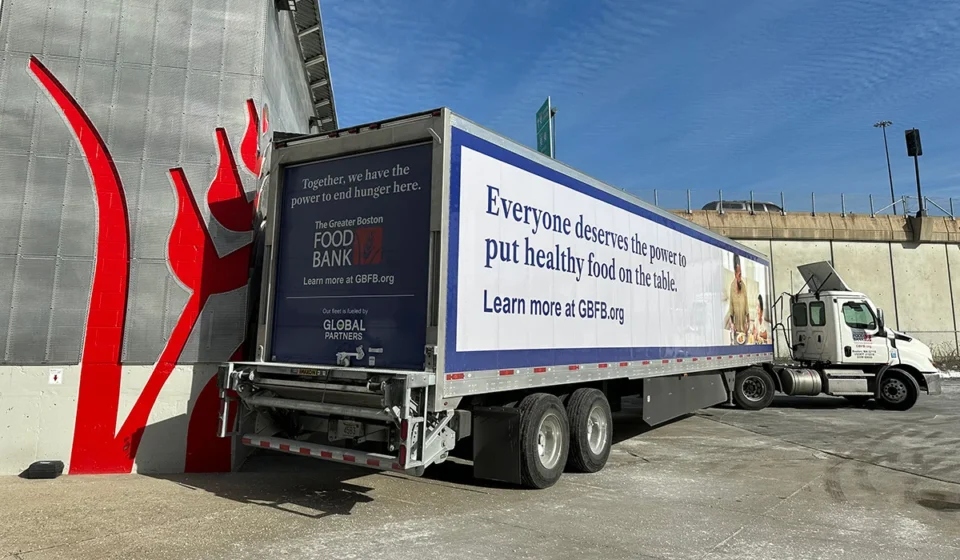
In a significant demonstration of corporate social responsibility, Global Partners LP has announced a critical $50,000 increase in its financial commitment to the Greater Boston Food Bank (GBFB). As the organization’s "Official Fuel Sponsor," Global Partners is stepping in to provide a vital buffer against the volatile energy market, ensuring that the GBFB’s fleet of eight heavy-duty delivery trucks remains operational.
This infusion of capital is designed to mitigate the impact of a 30% year-over-year surge in diesel costs, a spike that threatened to divert funds away from the food bank’s primary mission: the procurement and distribution of nutritious food to a network of 600 partner pantries and meal programs across Eastern Massachusetts. By offsetting these operational expenses, Global Partners is effectively safeguarding the supply chain that connects regional warehouses to the families who need them most.
Chronology of the Crisis: From Stability to Escalation
The economic landscape in Massachusetts has shifted dramatically over the past several years, creating a "perfect storm" for food insecurity.
- 2019 (The Baseline): Pre-pandemic reporting indicated that 19% of Massachusetts households faced some level of food insecurity. At the time, the GBFB operated a stable, predictable delivery schedule to its network partners.
- 2020–2022 (The Pandemic Disruption): Global supply chains faced unprecedented pressure, and the demand for emergency food assistance skyrocketed as unemployment rates fluctuated and local businesses shuttered.
- 2023 (The Price Surge): The national energy market saw record-breaking gas and diesel prices. The GBFB, which relies on a fleet of trucks to transport millions of pounds of food, began to feel the direct impact of high fuel costs on its bottom line.
- 2025 (The Current Crisis): According to the GBFB’s comprehensive study, Massachusetts Food Access Report: Hunger on the Rise, the rate of food insecurity has more than doubled since 2019, reaching a staggering 40% of households.
- September 2024 (The Breaking Point): National fuel prices reached record highs, with the average gallon of gasoline settling at $4.33 for the month—50 cents higher than the previous record set in 2023. This environment prompted Global Partners to authorize the $50,000 emergency contribution to sustain the GBFB’s logistical capabilities.
Supporting Data: The Convergence of Hunger and High Costs
The necessity for this donation is rooted in cold, hard data. The intersection of rising energy costs and the increased demand for nutrition assistance creates a difficult equation for non-profits.
The Logistics Burden
The GBFB’s fleet of eight trucks is the heartbeat of its operation. As food insecurity has spiked, so has the demand for deliveries. The food bank has been forced to add more routes to reach an increasing number of families. When this expansion of service is layered over a 30% increase in diesel prices, the financial strain becomes unsustainable without corporate intervention.
The Macroeconomic Environment
Data provided by AAA and the Energy Information Administration (EIA) paints a bleak picture for logistics-dependent organizations. While the national average for a gallon of regular gas saw a minor reprieve—dropping seven cents to $4.41 recently—prices remain historically high for this time of year.
Furthermore, the domestic energy supply remains under pressure. Recent EIA data shows that gasoline demand dropped from 8.84 million barrels per day to 8.68 million, while domestic supply decreased from 206 million to 204.4 million barrels. As West Texas Intermediate (WTI) crude oil continues to trade in the $90-per-barrel range, the volatility in the energy sector suggests that organizations like the GBFB will continue to operate in a high-cost environment for the foreseeable future.
Official Responses: Aligning Corporate DNA with Community Need
The Perspective of Global Partners
For Eric Slifka, president and CEO of Global Partners, the donation is more than a line-item expense; it is a core component of the company’s identity.
"We are committed to keeping communities growing, moving and thriving, and this donation to The Greater Boston Food Bank is a reflection of that commitment," Slifka stated. He emphasized that the company views itself as a "good neighbor," noting that philanthropy is "in our DNA." By stepping up to support the logistics of hunger relief, Global Partners is ensuring that its core business—fuel—is used to facilitate the movement of essential goods rather than simply being an obstacle to their distribution.
The Perspective of the Greater Boston Food Bank
O’Neil Outar, Chief Advancement Officer at the GBFB, expressed profound gratitude for the partnership, highlighting the tangible relief it provides.
"We are incredibly thankful for Global Partners’ timely donation," Outar said. "It will help us fuel our delivery trucks and put more money towards purchasing healthy food to serve our communities in need." Outar noted that the organization is seeing a "financial pinch" across the board: families are struggling with home heating costs, higher grocery bills, and increased gas prices for their own vehicles. In this climate, having a reliable partner to cover the "hidden" costs of distribution allows the food bank to focus its resources where they are most effective: on the dinner plates of Massachusetts residents.
Implications: A New Model for Community Resilience
The partnership between Global Partners and the GBFB serves as a blueprint for how corporate entities can address the structural challenges of the modern economy.
Addressing the "Hidden" Costs of Hunger
Often, philanthropic donations are focused on the end product—the food itself. However, the logistical reality of feeding 40% of a state’s population requires massive infrastructure. If a food bank cannot afford to put fuel in its trucks, the food remains stuck in the warehouse, regardless of how many donations have been collected. By targeting the logistics of the problem, Global Partners has identified a critical bottleneck and cleared it.
The Persistence of Economic Headwinds
The implications of this situation extend beyond the immediate benefit to the GBFB. It highlights the vulnerability of the entire charitable sector to energy price fluctuations. As federal nutrition programs face potential cuts and household expenses remain elevated, the reliance on private-public partnerships will likely increase.
Looking Toward the Future
The 2026 study by the GBFB, Hunger on the Rise, suggests that the current level of food insecurity is not a temporary anomaly but a persistent trend. Moving forward, the resilience of the hunger-relief network will depend on:
- Supply Chain Efficiency: Continued investment in fuel-efficient logistics.
- Corporate Sustainability: Companies like Global Partners integrating charitable contributions into their standard operational budgeting to provide long-term stability for non-profits.
- Policy Advocacy: Using the data collected by organizations like the GBFB to advocate for better federal support, thereby reducing the burden on private donors.
Ultimately, the $50,000 contribution is a vital act of relief, but it also signals a deeper shift in how the corporate sector interacts with the social safety net. As energy prices continue to dictate the rhythm of the economy, the ability of organizations like the Greater Boston Food Bank to keep their trucks on the road will remain a defining measure of the region’s collective resilience. By acting as the "Official Fuel Sponsor," Global Partners has ensured that even when the road gets expensive, the journey toward food security for Massachusetts families will continue.