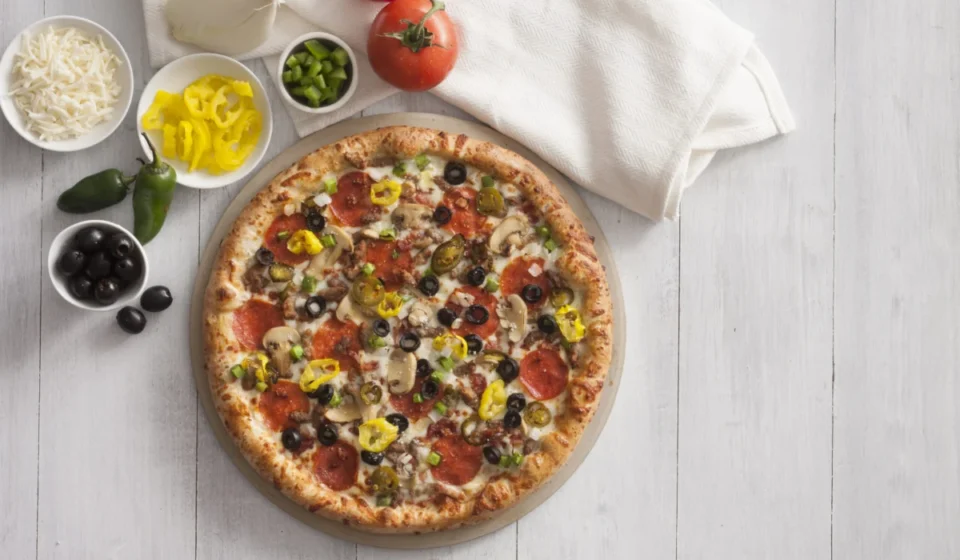
The Gratitude Economy: How Hunt Brothers Pizza Built a 35-Year Partnership Model on Simplicity

In the hyper-competitive landscape of the convenience store industry, where margins on traditional staples like fuel and tobacco are increasingly compressed, the battle for customer loyalty is being won in the kitchen. For over three decades, Hunt Brothers Pizza has carved out a unique position as a cornerstone of American convenience retail. With more than 11,000 locations nationwide, the brand has achieved a scale that would suggest a corporate-heavy, top-down strategy. Yet, the company maintains that its true "secret sauce" is not a proprietary dough recipe or a complex supply chain—it is a culture of gratitude rooted in the understanding that the operator is the true engine of success.
The Foundation: A Partnership Built on Respect
At its core, the Hunt Brothers Pizza model is a testament to the idea that a B2B relationship is only as strong as the human connection supporting it. Independent convenience store operators often face a relentless barrage of challenges: 70-hour work weeks, volatile labor markets, shifting vendor pricing, and the constant pressure to diversify revenue streams.
Bryan Meng, Chief Culture Officer at Hunt Brothers Pizza, notes that the company’s evolution over the past 35 years has been driven by a single, guiding realization: the company does not exist to dictate, but to assist.
"There was an opportunity to really help c-store operators," Meng explains. "Convenience stores need a simple, consistent program that allows them to serve their customers during all dayparts with high-quality products. Our goal has never been to add to the operator’s list of burdens; it’s to lighten it."
This philosophy of "lightening the load" is why the company has resisted the urge to complicate its program with excessive SKU requirements or high-maintenance infrastructure. Instead, it offers a predictable, turnkey system that turns a standard convenience store into a local foodservice destination.
Chronology: Three Decades of Refinement
The journey of Hunt Brothers Pizza began with a fundamental question: How can a small business owner generate high-margin revenue without becoming a full-time restaurant operator?
- The Early Years (Formative Growth): In the early stages, the focus was on establishing the logistical framework. The goal was to build an equipment package that was modular and adaptable, capable of fitting into spaces as small as 59 square feet. This allowed store owners to integrate a pizzeria without sacrificing significant retail floor space.
- The Middle Era (Operational Standardization): As the footprint expanded, the company shifted toward creating a predictable ROI model. This involved stabilizing pricing structures so that operators wouldn’t be blindsided by weekly fluctuations. By offering a consistent, reliable cost-per-unit, Hunt Brothers allowed operators to focus on local growth rather than margin management.
- The Modern Era (Service-Led Success): Today, the brand is defined by its "account-manager" model. Unlike traditional wholesale relationships that operate on a transactional basis, Hunt Brothers representatives function as partners. They handle inventory replenishment, provide ongoing staff training, and act as boots-on-the-ground support during store openings and peak seasons.
The Economics of Simplicity
One of the primary reasons operators choose the Hunt Brothers program is the clarity of its financial performance. In an era of economic uncertainty, "predictability" is a currency as valuable as capital.
"Owners needed a program with a quick return on investment, and clear profit margins they always could rely on," Meng says. "Operators pay the same price every week, and they don’t have to guess what they’re making."
This focus on the bottom line is why the company is famously selective about what it adds to its portfolio. If a marketing campaign, a new piece of equipment, or a product line doesn’t directly contribute to the operator’s profitability or ease of use, it is discarded. This "less is more" approach ensures that the program remains lean, agile, and effective for a diverse range of store sizes—from rural mom-and-pop shops to larger, regional retail hubs.
Supporting Data: Why Foodservice Matters
The shift toward "foodservice-led" convenience stores is not merely a trend; it is a defensive strategy for the industry. As electric vehicles and fuel-efficient cars threaten the traditional gas-and-go model, convenience stores are pivoting to become "destination retailers."
- Diversification: With traditional margins on gasoline and cigarettes under constant pressure, fresh food acts as a buffer. High-margin prepared foods, such as pizza, offer a way to increase the average transaction value.
- Customer Retention: A store that offers a consistent, high-quality lunch or dinner option gains a "habitual customer." When a customer enters a store for a slice of pizza, they are significantly more likely to purchase additional items, increasing the overall basket size.
- Community Impact: As Meng points out, "If a store can be a foodservice destination in the community, it can really make a difference. We try to remember that every store we serve is somebody’s livelihood."
Official Responses and Strategic Philosophy
The culture at Hunt Brothers Pizza is intentionally human-centric. By positioning itself as a partner rather than a vendor, the company creates a feedback loop that has fueled its 35-year lifespan.
When asked about the secret to their growth, leadership consistently points to the operators themselves. The company’s success is not measured in the number of corporate offices or executive mandates, but in the success of the individual store down the road.
"We work with operators of all sizes and across all types of store environments, each with their own unique needs and ways of doing business," Meng explains. "No matter the setup, our goal is to provide the same level of service and support while making foodservice as simple and successful as possible for every operator."
This creates a high level of trust. When a company’s success is directly tied to the success of its partners, the incentives align. If an operator struggles, the account manager is there to help with training or marketing; if an operator thrives, the company grows alongside them.
The Tactical Execution: The "Customized" Approach
While the program is simple, it is not "one-size-fits-all." The initial setup involves a custom equipment package designed around the store’s specific layout and traffic flow. By minimizing the footprint required, Hunt Brothers ensures that it can be implemented in almost any existing retail environment without requiring major renovations.
The weekly support structure is equally critical. By taking on the burdens of inventory management and staff training, the company allows the store owner to focus on what they do best: managing their business and serving their community. This hands-on, high-touch support is the differentiator that keeps the relationship healthy over decades.
Implications for the Future of Convenience Retail
As the convenience industry continues to evolve, the lessons from the Hunt Brothers Pizza model are becoming increasingly relevant. The future of retail is not just about logistics and supply chains; it is about providing solutions that empower the local operator.
For prospective partners, the takeaway is clear: success in foodservice is not about adopting the most complex technology or the most expensive equipment. It is about choosing a partner that understands the realities of the retail floor.
The "gratitude" mentioned by the Hunt Brothers team is more than just a corporate buzzword—it is a tactical business strategy. By treating operators with the respect and support they deserve, the company has built a sustainable, scalable, and remarkably resilient ecosystem.
"We don’t succeed unless they succeed," Meng concludes. In a business world often characterized by short-term gains and transactional relationships, that commitment to long-term, mutual prosperity remains the most effective recipe for success.
For operators looking to integrate a high-margin, low-complexity foodservice program, the model offered by Hunt Brothers Pizza provides a blueprint for stability. It is a reminder that in an increasingly automated and digital world, the most successful business relationships are still built on the foundation of human partnership.
To learn more about how to partner with a brand that puts the operator first, visit the Hunt Brothers Pizza partner portal.