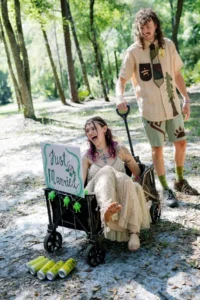
Beyond the Noise: How Alana and Alex Redefined the Modern Wedding in Joshua Tree

In an era where the wedding industry often feels dominated by elaborate guest lists, rigid schedules, and the mounting pressure of “Pinterest-perfect” aesthetics, a growing movement of couples is choosing to opt-out entirely. For Alana and Alex, a Los Angeles-based couple who recently tied the knot, the traditional wedding industrial complex offered nothing that appealed to their values. Instead, they chose to strip away the artifice, focusing entirely on intimacy, culinary enjoyment, and the stark, serene beauty of the California desert.
Their story is not one of compromise, but of deliberate subtraction. By choosing to skip the ceremony, the reception, and the expectation of performance, they turned their wedding into a radical act of self-care and authentic connection.

The Core Philosophy: Simplicity as a Statement
For many, the word “elopement” still carries the antiquated connotation of a rushed, secret, or shameful event. However, as Alana and Alex demonstrate, the modern elopement is often the most intentional form of marriage celebration.
“Our wedding was 100% an elopement, just the two of us in the desert, and that’s it,” Alana shared. “We spent a few days in Joshua Tree, just chilling and enjoying the moment. We’re obsessed with this place.”

Their decision was rooted in a lifestyle philosophy of avoiding unnecessary stress. While modern couples often spend months—if not years—navigating the complexities of venue booking, guest list management, and vendor logistics, Alana and Alex chose to bypass the industry machine. There was no decor to coordinate, no seating chart to agonize over, and no timeline to manage. Their only “planning” involved booking a villa, stocking it with high-quality wine, and preparing for a series of meals crafted by Alex, an accomplished home cook.
A Chronology of the Day: From Paperwork to Private Solitude
The transition from legal union to celebratory getaway was seamless, reflecting the couple’s desire for an uncomplicated life.

- The Legal Formalities: The couple handled the bureaucratic requirements in Los Angeles, signing the necessary documents in a straightforward, ceremony-free process. This allowed them to treat the legal aspect of their marriage as a private administrative step rather than a performative public ritual.
- The Journey East: Leaving the bustle of Los Angeles behind, they drove toward the high desert. The shift from the urban sprawl to the quiet, rugged landscape of Joshua Tree served as a symbolic separation from the pressures of their daily routines.
- Settling In: Upon arrival at their rented villa, the structure of the next few days was defined by leisure. Without the pressure of a traditional reception, the couple spent their time cooking, listening to music, and enjoying the solitude of the desert at sunset.
- The Creative Collaboration: Andrew and Roma from Arrakis Films joined the couple for a single day of documentation. Unlike traditional wedding photographers who often rely on overly staged “posed” moments, this team was chosen specifically for their anti-cliché approach.
Challenging the Industry Norms: A Critique of "Cheesy" Tradition
A significant portion of the modern wedding experience is built around what the industry terms “hero shots”—the intimate nose-to-nose portraits or the classic “under-the-veil” photography. For Alana and Alex, these tropes were exactly what they wanted to avoid.
“They were on the exact same wavelength as us from the very beginning,” Alana said of the film team. “They shoot differently, bring total style, and can’t stand cheesy bullshit like nose-to-nose or under-the-veil photos as we do.”
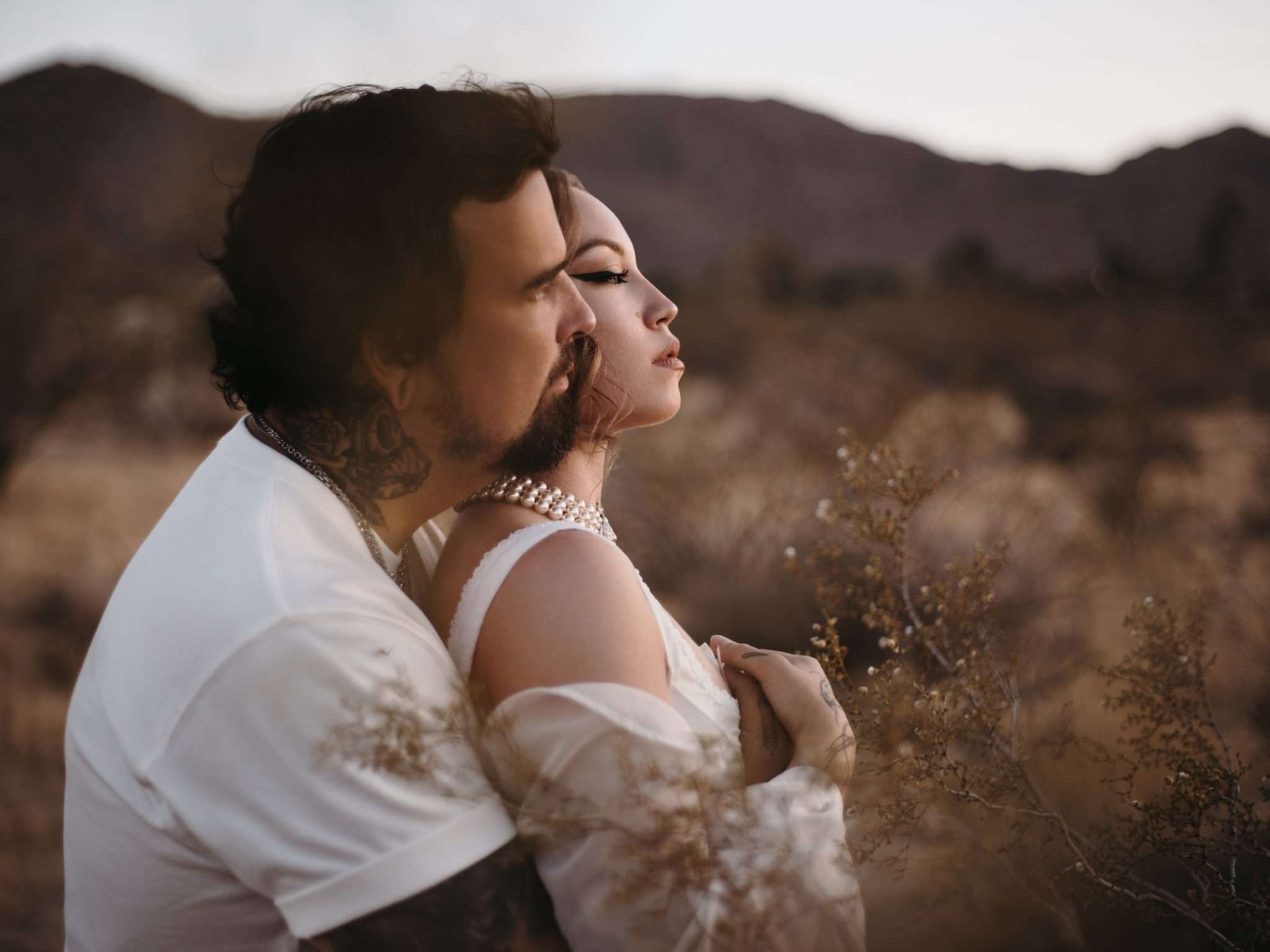
This rejection of standardized wedding imagery highlights a broader shift among younger generations who view the conventional wedding aesthetic as performative rather than personal. By hiring professionals who prioritized a documentary, editorial style over traditional wedding portraiture, the couple ensured their photos would reflect their actual personalities rather than a manufactured version of a “bride and groom.”
Supporting Data: The Rising Trend of Micro-Weddings and Elopements
The path taken by Alana and Alex is part of a measurable shift in the wedding industry. Post-pandemic data from the wedding and events sector indicates that couples are increasingly prioritizing “quality over quantity.”
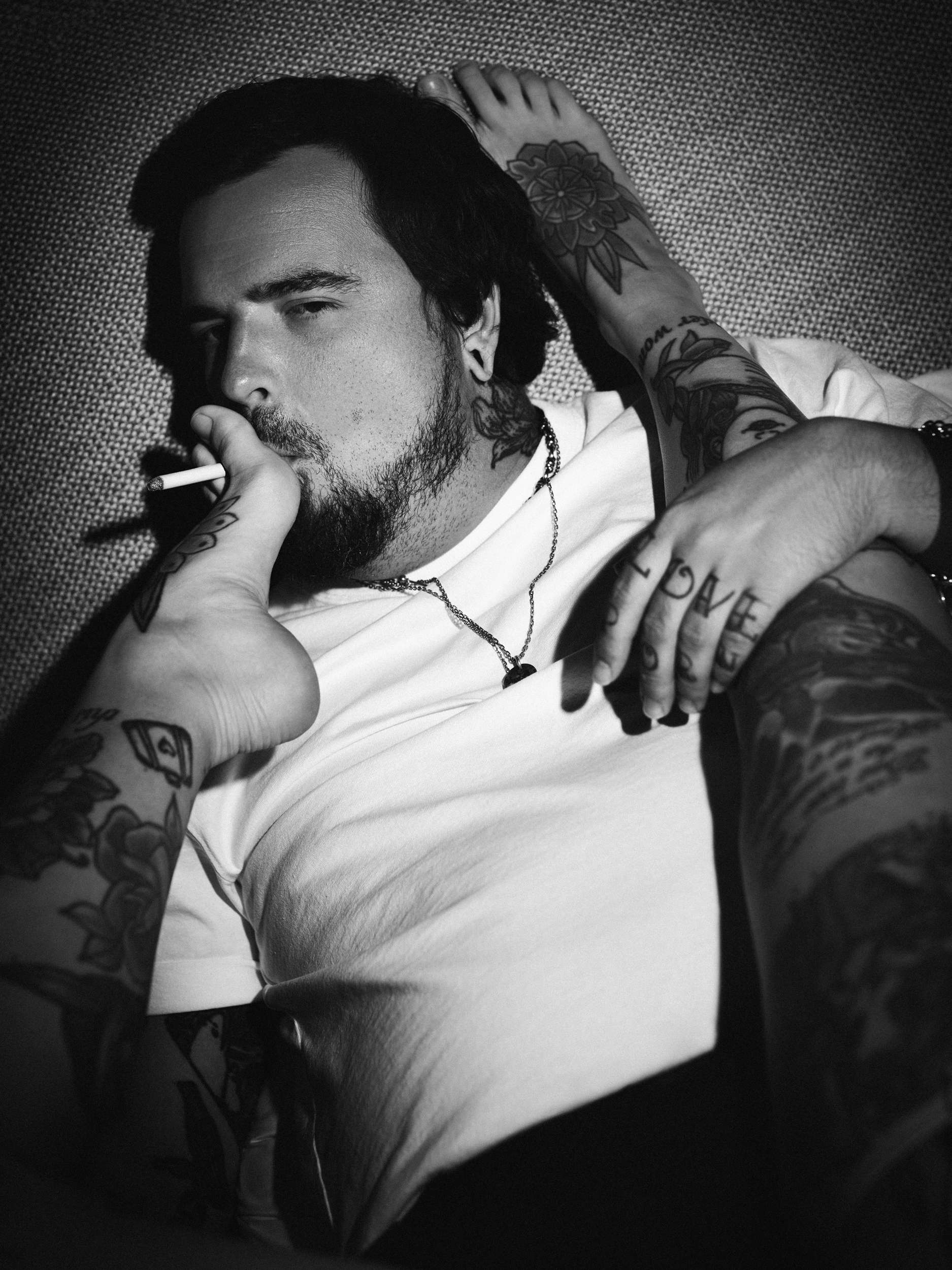
According to industry reports, the average cost of a traditional wedding in the United States has continued to climb, often exceeding $30,000. This financial burden is frequently the primary driver for couples to re-evaluate the utility of a large-scale event. By contrast, the “micro-wedding” or “destination elopement” model allows couples to redirect that capital toward high-end experiences—such as fine dining, luxury lodging, or, as Alana emphasized, hiring top-tier creative talent to document the day.
Alana’s advice to others echoes this sentiment: “It’s better to spend money on a cool photographer/videographer than to cheap out and end up with trashy wedding content. Take my word for it!”

Implications for the Future of Marriage Celebrations
The success of this private Joshua Tree elopement carries several implications for the future of the wedding industry:
1. The Death of the "One-Size-Fits-All" Wedding
The traditional “big white wedding” is no longer the default cultural expectation. As couples continue to move toward values-based spending, the industry will likely see a split: high-end, bespoke experiences for those who want a grand celebration, and a massive influx of boutique, adventure-focused packages for those who want to minimize the footprint of their wedding day.

2. The Power of Personal Autonomy
Alana’s advice regarding external pressure is perhaps the most critical takeaway for future couples: “You don’t need to be afraid of doing things differently, you don’t need to look back at anyone or listen to anyone else’s opinion. Do what you want and how you want. This is your day and it’s only for you.”
This sentiment represents a reclamation of the wedding day from the stakeholders—parents, social media followers, and societal norms—and a return to the couple themselves. It acknowledges that the wedding is a celebration of a relationship, not a public service event.

3. The Professionalization of "Anti-Wedding" Photography
As more couples reject traditional aesthetics, the demand for photographers who can capture “raw,” “candid,” and “cool” imagery is skyrocketing. The success of teams like Arrakis Films proves that there is a lucrative market for vendors who are willing to reject the standard “cheesy” playbook in favor of a more artistic, narrative-driven approach.
Conclusion: A Blueprint for Intention
Alana and Alex did not just “skip” their wedding; they curated an experience that aligned perfectly with their personalities. By stripping away the expectations of family, friends, and the wedding industry at large, they were able to create a memory that was entirely their own.

In the desert silence of Joshua Tree, surrounded by nothing more than good food, music, and each other, they proved that a wedding’s value is not measured by the number of guests or the complexity of the décor. Its value is measured by the degree to which it honors the people at the center of it.
For those feeling the weight of societal expectations, Alana and Alex’s story serves as both a permission slip and a blueprint. It is a reminder that the most significant day of one’s life doesn’t need a stage; it just needs the right people, a clear vision, and the courage to say "no" to everything that doesn’t feel like home.