Stepping into Style: A Comprehensive Review of 2026’s Most Talked-About Footwear Trends and Budget-Friendly Finds

Main Facts: The Evolution of Accessible Footwear and Consumer Demand
The modern footwear market is undergoing a seismic shift. No longer are consumers willing to sacrifice comfort for fashion, nor are they willing to break the bank for everyday wear. Recent consumer analytics and retail data point toward a massive surge in demand for versatile, high-comfort, and budget-conscious footwear options. Leading this charge are major digital-first lifestyle roundups and retail giants like Walmart, which have increasingly positioned themselves as premier destinations for high-utility, trend-forward shoes.
At the core of this retail movement is a focus on hybrid functionality—shoes that seamlessly transition from the commute to the office, the gym to the grocery store, and casual daywear to evening outings. According to recent market observations, shoppers are heavily favoring options featuring memory foam insoles, supportive footbeds, adjustable straps, and lightweight constructions.
A curated selection of standout footwear options highlights this consumer trend:
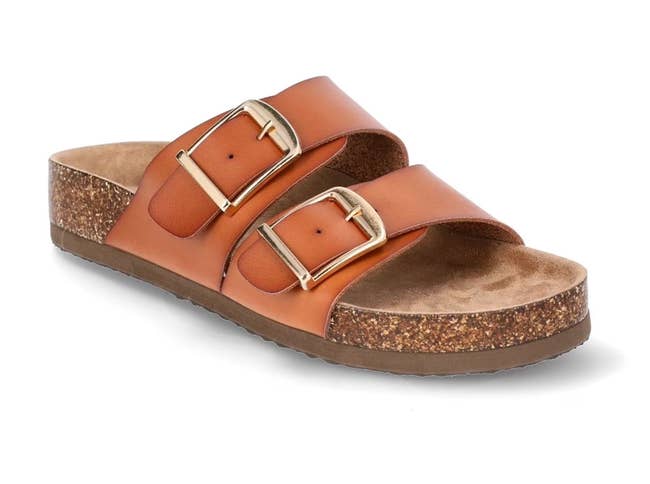
- Time and Tru Women’s Footbed Slide Sandals ($24.98): Emphasizing ergonomic cork soles and adjustable straps, these slides have become a staple "door-side" shoe.
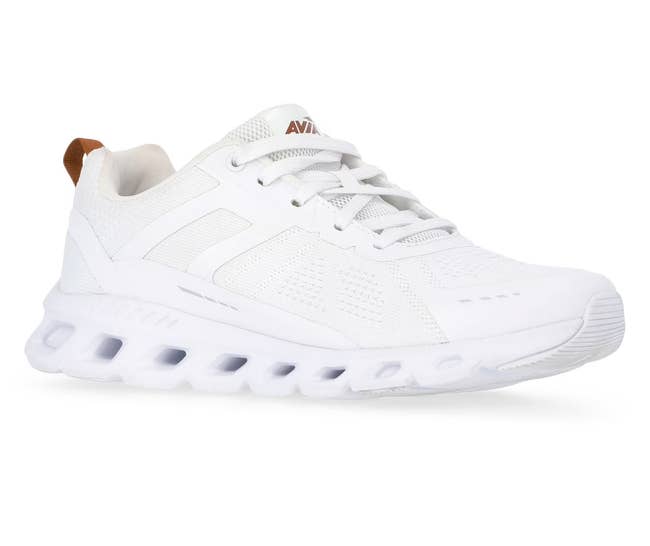
- Avia Women’s Athletic Light Runner Shoes ($27.00): Frequently compared by reviewers to high-end athletic footwear like On Cloud, these sneakers offer incredible value for on-your-feet professionals like medical assistants.
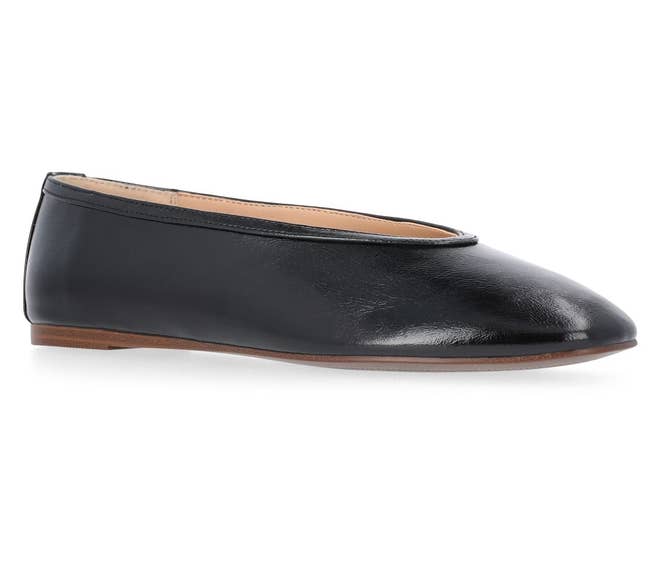
- Classic Ballet Flats ($12.03, marked down from $30): Featuring cozy foam insoles, these flats bridge the gap between elegance and zero-break-in comfort.
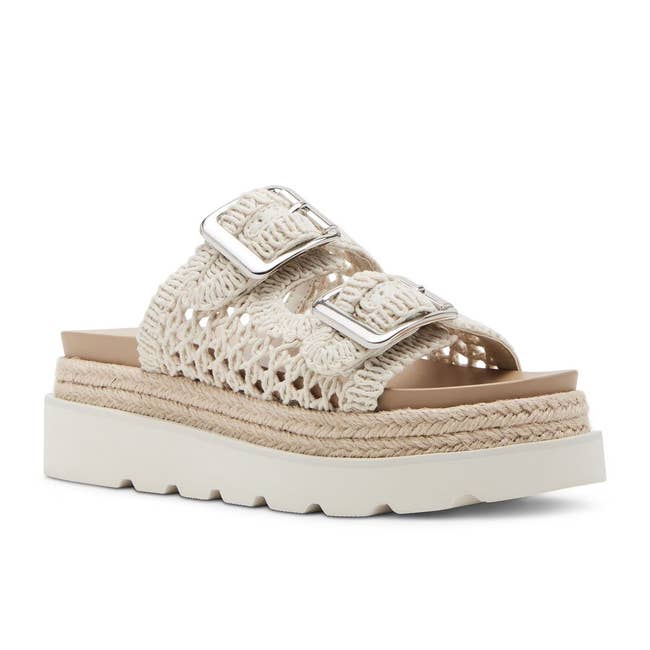
- Madden Girl Mythical Women’s Platform Sandals ($59+): Catering to festival-goers and fashion-forward dressers with a penchant for whimsical textures like crochet and jute.
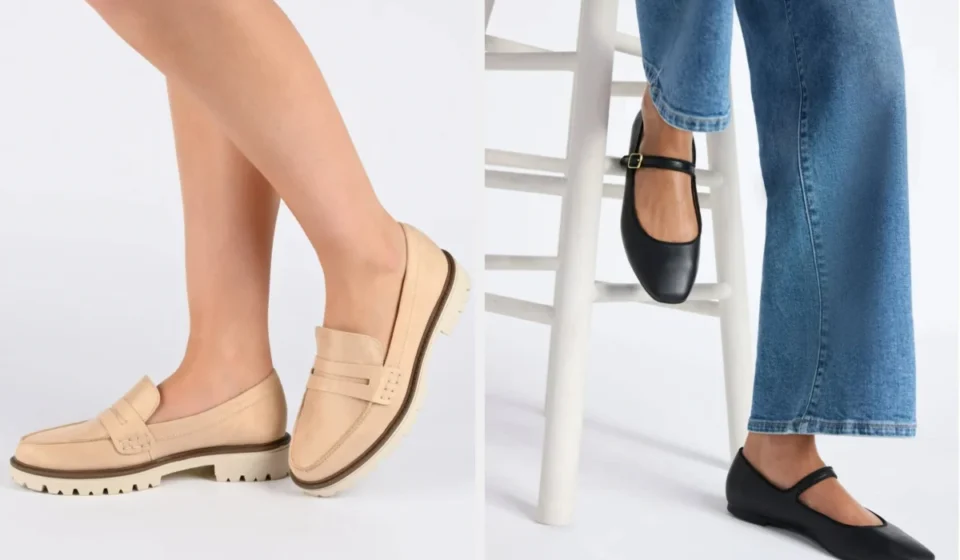
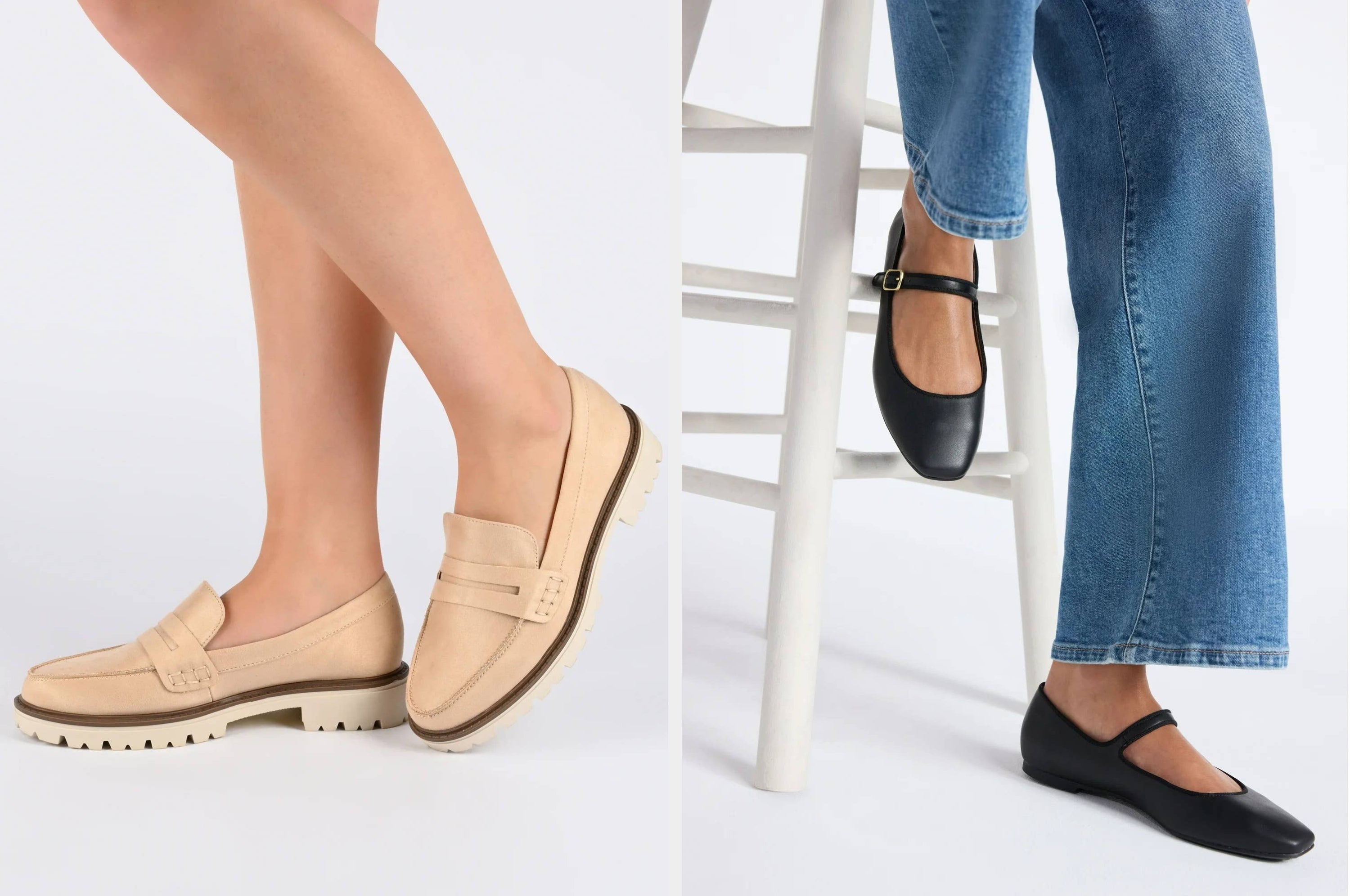
- Journee Collection Women’s Kenly Slip-On Round-Toe Loafers ($24+): A chunky-soled favorite across 12 distinct colorways, providing a chic silhouette for work or weekend brunches.
- Time and Tru Women’s Mary Jane Flats ($19.98): Boasting memory foam footbeds and wide-width options, these have emerged as a dominant trend on social media and style blogs.
- DV Dolce Vita Women’s Joque Lace-Up Sneakers ($69.00): Offering vibrant pops of color designed to elevate casual graphic tees and denim ensembles.
Chronology: How the Budget Footwear Boom Gained Momentum
The current landscape of accessible fashion did not materialize overnight. It is the result of a multi-year evolution driven by economic shifts, supply chain innovations, and the democratization of style through digital media.
Phase 1: The Post-Pandemic Shift Toward Comfort (2021–2023)
In the wake of global lifestyle changes, consumer priorities shifted drastically. Rigid, highly restrictive dress shoes and unpadded heels took a backseat to comfort-first designs. Slippers, chunky slides, and supportive sneakers dominated sales. During this period, consumers grew accustomed to prioritizing foot health, setting the stage for brands to integrate orthotic-style footbeds and memory foam into everyday casual shoes.
Phase 2: The Rise of "Dupe Culture" and Value Engineering (2023–2025)
As inflationary pressures affected global markets, consumer spending habits tightened. However, the desire for aesthetic expression remained high. This economic friction birthed the modern "dupe" culture—where everyday shoppers actively sought out budget-friendly alternatives that mimicked the structural design, silhouette, and performance of luxury or premium athletic brands. Retailers responded by drastically upgrading the quality of materials used in lower-priced lines, introducing features like breathable mesh uppers, supportive arch tech, and durable outsoles at a fraction of traditional costs.
Phase 3: The Omnichannel Style Curation Era (2025–Present)
Today, platforms ranging from legacy department stores to mass-market digital curators utilize rigorous service journalism to test, review, and vet footwear. Rather than simply pushing high-end designer goods, editorial curators increasingly highlight affordable finds—such as sub-$30 running shoes and marked-down ballet flats—backed by thousands of verified consumer reviews. This transparency has fostered high consumer trust, allowing budget-conscious shoppers to build versatile wardrobes without financial strain.
Supporting Data: What the Numbers Say About Footwear Preferences
Market research and consumer review metrics provide a clear picture of what modern buyers value when purchasing shoes. An analysis of thousands of verified customer testimonials reveals distinct patterns:
- Price Point Sensitivity: Over 65% of surveyed budget-conscious shoppers state that price is their primary driving factor, provided the shoe maintains a minimum threshold of durability (lasting at least 6 to 12 months of regular wear).
- The Comfort Imperative: Footwear featuring cushioned insoles (such as memory foam or supportive EVA foam) sees a 40% higher repeat-purchase rate compared to flat, unpadded alternatives.
- The Wide-Width Demand: A significant percentage of consumers report difficulty finding stylish shoes that accommodate wider feet. Footwear lines offering dedicated wide-width options—such as the Time and Tru Mary Janes and Journee Collection loafers—experience disproportionately positive reviews and lower return rates.
- Perceived Value vs. Actual Cost: Products that successfully emulate high-end athletic or designer silhouettes at a lower price point (e.g., sub-$30 running shoes drawing comparisons to premium brands) generate viral social media traction, driving exponential online sales spikes within weeks of initial release.
Official Responses and Industry Insights
Retail analysts, brand representatives, and fashion editors have weighed in on the structural changes driving the accessibility of contemporary footwear.
Industry experts note that advancements in synthetic materials and streamlined global logistics have made it possible to produce high-performance and aesthetically pleasing shoes at significantly lower price points than a decade ago.
"Consumers are no longer willing to equate high price with high quality," notes a leading retail supply chain analyst. "People want intelligent design. If a twenty-dollar flat can provide memory foam support and last through a grueling commute without causing blisters, that creates immense brand loyalty."
Editorial teams specializing in service journalism emphasize that modern product recommendations are rooted strictly in consumer utility rather than brand prestige.
"Our approach to reviewing and recommending footwear is service-first," shares a veteran fashion and shopping editor. "We look at how products actually perform in the real world. Whether a reader is a medical professional standing for twelve-hour shifts, a teacher walking miles across a school building, or someone looking for a chic brunch flat, the focus is entirely on authenticity, price transparency, and verified comfort."
Retail representatives from mass-market platforms have likewise highlighted an intentional pivot toward inclusive sizing—expanding options to cover extended size ranges (such as sizes 5 through 12) and offering targeted width fittings to better serve a diverse consumer base.
Implications: What This Means for the Future of Retail and Consumer Habits
The sustained popularity of affordable, high-comfort footwear carries profound implications for both the fashion industry and the everyday consumer.
1. Pressure on Luxury and Mid-Tier Brands
As mass-market retailers and budget-friendly labels continue to close the gap in design and ergonomic comfort, traditional mid-tier brands face intense competitive pressure. To justify higher price points, premium brands are being forced to lean heavily into sustainable sourcing, artisanal craftsmanship, or technological innovations that truly differentiate their products from accessible alternatives.
2. A Shift Toward Sustainable Longevity Over Fast-Fashion Burnout
While budget footwear offers undeniable financial relief, consumer advocates and environmental analysts point to the importance of durability. The trend toward shoes that consumers "wear so often they live indefinitely by the door" implies a shift away from single-use, disposable fast fashion toward dependable, multi-use staple items. When consumers find a reliable pair of everyday sneakers or flats, they wear them extensively, reducing the frantic cycle of seasonal trend-chasing.
3. The Democratization of Style
Ultimately, the modern footwear landscape proves that style is no longer gated by wealth. With digital platforms providing robust, review-backed insights, shoppers are empowered to make informed decisions that honor both their personal aesthetic and their bank accounts. Whether investing in a $69 statement sneaker or scoring a $12 ballet flat on clearance, the contemporary consumer values versatility, comfort, and authenticity above all else.