The Rise of the "High-Maintenance for Low-Maintenance" Beauty Movement: How DIY At-Home Routines Are Reshaping Personal Care

Main Facts
In recent years, a counter-intuitive philosophy has taken over social media platforms like TikTok and Instagram: the embrace of "high-maintenance" beauty rituals explicitly designed to secure a perpetually "low-maintenance" daily existence. Moving far beyond fleeting internet fads, this approach combines advanced skincare, semi-permanent hair styling, precise body grooming, and at-home cosmetic treatments. The core premise is simple: invest significant time, specialized tools, or upfront effort during a dedicated self-care session—such as a Sunday reset—so that mornings require virtually zero heavy lifting.

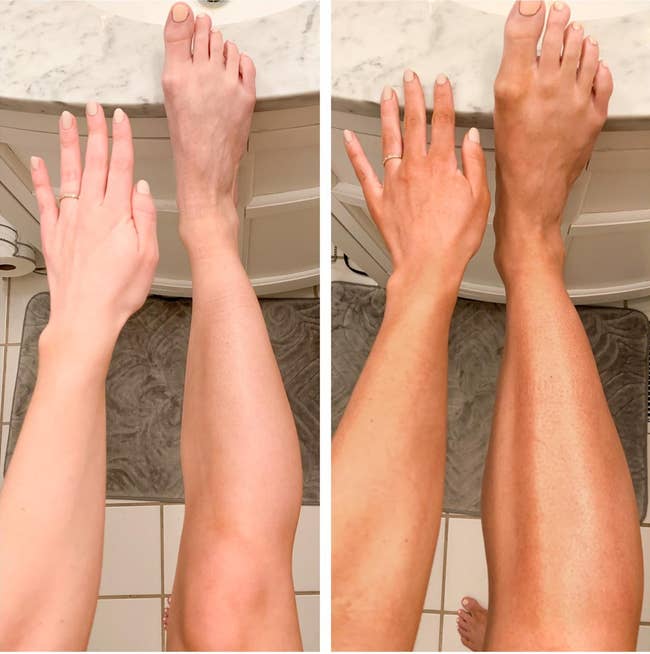
Rather than spending 45 minutes daily curling hair, applying liquid contour, or fighting stubborn frizz, consumers are turning to long-wear items like self-tanning mousses used for facial contouring, heatless hair-curling ribbons, Korean lash-lifting kits, and professional-grade exfoliating mitts. These innovations allow individuals to bypass frequent, costly salon visits while achieving professional results at home. Consequently, a vast market of targeted DIY tools—ranging from $5 dermaplaning razors to $169 red light therapy wands—has emerged, allowing consumers to stretch the lifespan of their grooming routines anywhere from several days to several weeks.
Chronology
- The Salon Era of Convenience (Pre-2020): High-end grooming was traditionally outsourced. Consumers regularly booked professional lash lifts, microdermabrasion, brow mapping, and chemical hair treatments, accepting high recurring costs as the price of maintaining a polished aesthetic.
- The Pandemic Shift and TikTok Acceleration (2020–2022): Widespread salon closures during the COVID-19 pandemic forced consumers indoors, sparking an explosion of at-home beauty experimentation. Creators on TikTok began viral-testing professional techniques, adapting methods like facial contouring with self-tanner, micro-needling, and DIY lash extensions.
- The Direct-to-Consumer Innovation Boom (2022–2023): Brands rushed to fill the gap by commercializing professional-grade components for home use. Products like peel-off long-wear lip stains, heatless satin curling rods, and Korean microdermabrasion mitts gained massive traction, offering salon-tier longevity without the recurring price tag.
- The Current "Low-Effort Morning" Movement (2024–Present): The trend has matured into a mainstream economic and lifestyle philosophy. Today, shoppers actively seek out items that slash their morning prep times down to minutes, prioritizing efficiency, multi-use formulations, and extended results over quick fixes that fade by midday.
Supporting Data
The shift toward high-maintenance preparation for low-maintenance routines is heavily supported by product efficiency metrics and consumer testimonials:
- Longevity and Time-Saving:
- Self-tanning mousses applied to the face and body can eliminate daily makeup application and sustain a sun-kissed bronze for 8 to 10 days.
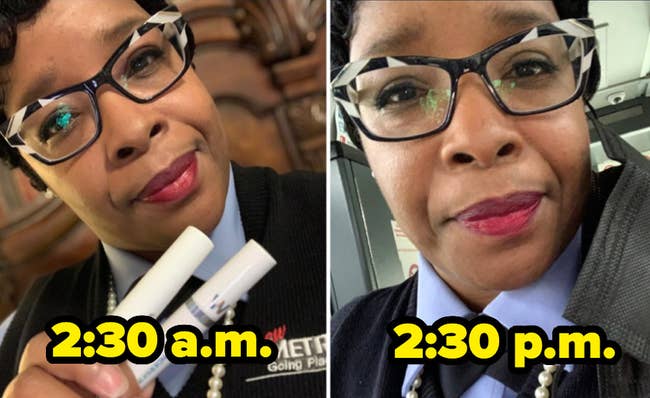
- Wonderskin long-lasting lip stains remain intact for up to 12 hours, surviving eating, drinking, and face masks without smudging.
- At-home Korean lash-lifting kits provide dramatic, curled lashes lasting 4 to 6 weeks, liberating users from daily eyelash curlers and falsies.
- Elongating curling gels and heatless curling ribbons preserve defined, frizz-free ringlets for 4 to 7 days between wash days.
- Cost Efficiency vs. Professional Services:
- At-home dermaplaning tools ($5.50 for a multi-pack) replicate clinical procedures that typically cost between $100 and $250 per dermatologist visit.
- Cirepil blue wax pots ($23.99) and Korean microdermabrasion mitts ($9.49+) drastically reduce weekly salon waxing and spa exfoliating expenses.
- Gel nail polish starter kits ($23.99) and Londontown nail concealers ($17+) provide chip-resistant manicures lasting 10 to 14 days, saving consumers hundreds of dollars annually on salon visits.
Official Responses and Expert Insights
Industry insiders and beauty authorities have weighed in on why this trend resonates so deeply with modern consumers seeking efficiency and value.

- The Service Journalism Perspective from BuzzFeed Shopping:
Editors emphasize that modern beauty curation must focus on practical utility over glossy marketing. By vetting products through real-world testing—such as testing the wire-core Kitsch heatless curler or evaluating Londontown nail concealers for stained nails—shopping editors aim to cut through fake discounts and provide transparent guidance. The goal is to highlight items that genuinely reduce daily friction while accommodating diverse budgets and personal needs. - Dermatological and Esthetician Endorsements:
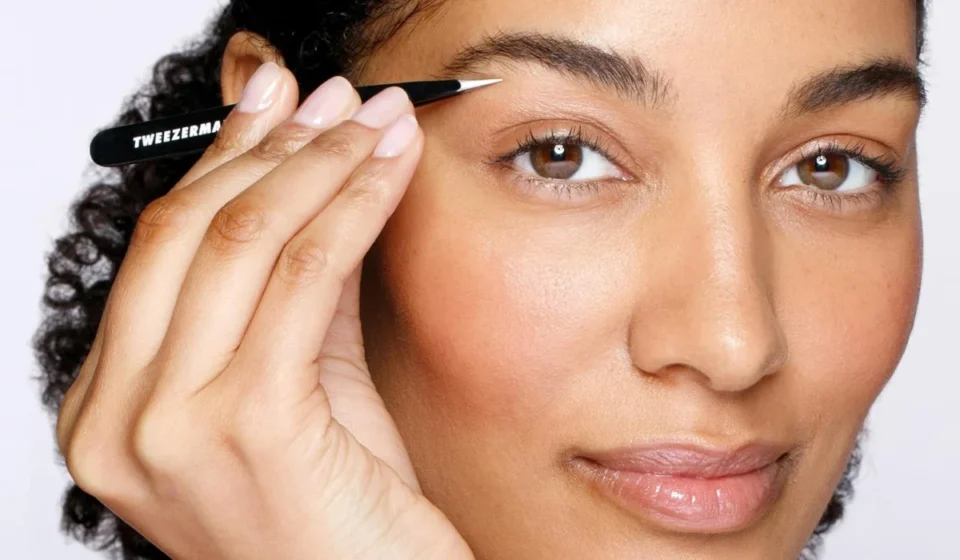
Professionals note that when executed with proper instruction, at-home tools can yield clinical-grade results. Brow artists have praised pigmented mapping strings for delivering the precision required for long-lasting shaping and tinting. Similarly, medical resources like the Cleveland Clinic validate the underlying science of technologies like LED light therapy, which—when integrated into consumer-grade devices like the Solawave wand—help reduce localized inflammation and improve product absorption.
Implications
The widespread adoption of high-maintenance prep habits has far-reaching implications for both the beauty industry and everyday consumer behavior:
- Economic Shift Away from Traditional Salons: As consumers master professional techniques—such as lash lifts, dermaplaning, and gel manicures—at home, traditional service-based businesses face increasing pressure to justify their premium pricing through unique luxury experiences rather than basic maintenance services.
- Democratization of Advanced Skincare and Grooming: High-tech innovations once restricted to specialized clinics (such as microcurrent therapy, red light treatments, and professional brow mapping) are now accessible to budget-conscious shoppers, leveling the playing field for self-care.
- Redefining Daily Time Management: By front-loading grooming efforts into weekly or bi-weekly maintenance windows, busy professionals and parents reclaim valuable morning hours. This psychological shift—trading daily stress for scheduled, intentional self-care routines—reflects a broader cultural demand for efficiency, mental clarity, and sustainable personal upkeep.