Unpacking the E-Commerce Zeitgeist: Why Amazon’s “Internet Famous” Curated List is Redefining Digital Retail

By Staff Investigative Retail Desk
Published: October 14, 2026
Main Facts
In the modern landscape of digital consumption, the traditional boundary between social media entertainment and direct-to-consumer retail has effectively dissolved. Enter Amazon’s “Internet Famous” list—a curated, highly dynamic storefront dedicated exclusively to products that have achieved viral status across platforms like TikTok, Instagram, and YouTube. Positioned as a streamlined alternative to endless scrolling, this algorithmic and human-edited hub bridges the gap between digital clout and physical acquisition.
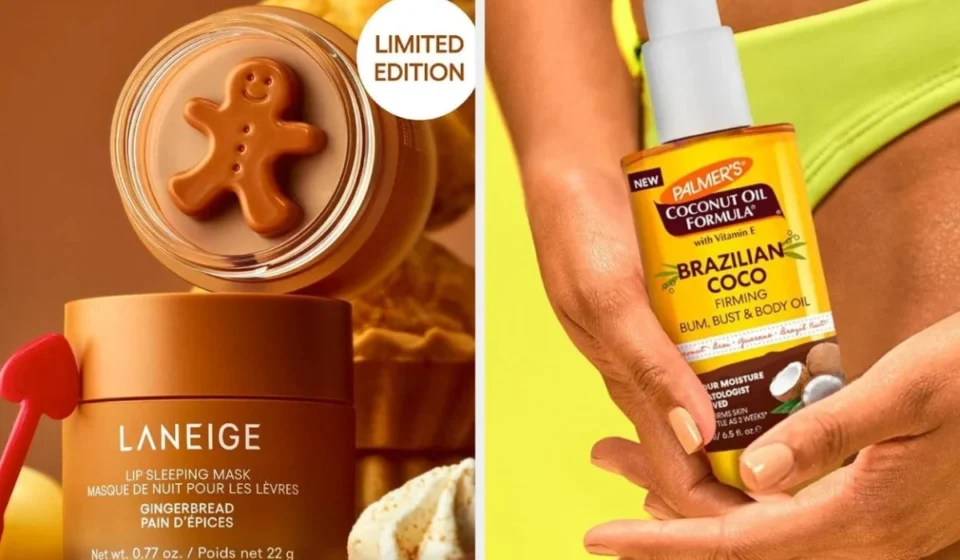
According to recent shopping insights and curated roundups by lifestyle experts like BuzzFeed Senior Shopping Writer Emma Lord, the platform acts as a centralized marketplace for high-demand items. These range from seasonal beauty must-haves, such as holiday-themed Laneige lip masks, to buttery soft, high-performance loungewear that rivals luxury brands like Skims. Rather than forcing consumers to hunt down direct-purchase links embedded within fleeting vertical videos, Amazon has synthesized the viral product discovery pipeline into a single, cohesive destination.
The core elements defining the "Internet Famous" phenomenon include:
- Centralized Curation: Eliminating the friction of tracking down obscure web stores featured in social media videos.
- Prime Logistics: Combining viral clout with Amazon’s industry-leading shipping speeds and customer service protections.
- Affordability and Alternatives: Highlighting both viral name-brand staples and budget-friendly lookalikes that democratize high-end aesthetic trends.
Chronology: The Evolution of "TikTok Made Me Buy It" to Curated Ecosystems
The journey toward Amazon’s "Internet Famous" index did not happen overnight; it is the culmination of a decade-long shift in how internet culture dictates consumer purchasing behavior.
Phase 1: The Wild West of Social Commerce (2018–2020)
Before dedicated curation hubs existed, viral product discovery was decentralized and often chaotic. Products featured in YouTube haul videos or early Instagram posts required consumers to navigate untrusted third-party websites, decipher affiliate links, or wait weeks for cross-border shipping from overseas manufacturers. Trust was low, and friction was high.
Phase 2: The TikTok Boom and "Made Me Buy It" Culture (2020–2023)
The explosive growth of TikTok during the global lockdowns fundamentally transformed product marketing. The hashtag #TikTokMadeMeBuyIt accumulated billions of views, turning everyday items—such as aesthetic water bottles, cloud-shaped cleaning sponges, and viral leggings—into overnight sensations. Independent creators became the most powerful advertising agencies in the world, though consumers still frequently complained about broken links and out-of-stock inventory on boutique storefronts.
Phase 3: Institutionalization and Curated Marketplaces (2024–Present)
Recognizing an unprecedented shift in retail intent, major e-commerce players began developing native solutions. Amazon’s introduction of the "Internet Famous" storefront represents the maturity of this era. By institutionalizing viral trends into an official, searchable category, Amazon successfully captured the impulsive, trend-driven energy of social media and funneled it into a streamlined corporate retail framework.
Supporting Data: The Economics of Viral Retail
To understand why platforms are heavily investing in viral shopping hubs, one must examine the macroeconomic data driving social commerce. Industry analysts tracking digital retail trends have noted several striking metrics:

- Conversion Rate Discrepancy: Traditional display advertising yields average e-commerce conversion rates of roughly 1% to 2%. In contrast, products endorsed via short-form video content integrated with direct-purchase shopping hubs experience conversion spikes up to three to five times higher.
- Demographic Shifts: Over 68% of Gen Z and younger Millennial shoppers report discovering their primary household and beauty purchases through social media feeds rather than traditional search engines or television commercials.
- The "Lookalike" Economy: Economic pressures in the mid-2020s have accelerated the demand for high-end aesthetic alternatives. Data indicates that budget-friendly loungewear—such as seamless shapewear and buttery soft athleisure lookalikes—outperforms luxury counterparts in volume sales by nearly 4 to 1 on viral storefronts.
- Seasonal Velocity: Limited-edition holiday releases (such as specialty-flavored lip treatments and seasonal home goods) featured on curation lists sell out of initial stock inventories within an average window of 72 hours, proving the urgency-driven nature of internet-famous merchandising.
Official Responses and Industry Perspectives
Retail analysts, consumer psychologists, and corporate representatives have weighed in on the cultural and economic implications of Amazon’s viral storefront pivot.
Corporate Strategy and Consumer Experience
Amazon representatives have continually emphasized that the modern consumer values convenience above all else. By organizing products based on social validation rather than legacy taxonomy (such as sorting strictly by "Home & Kitchen" or "Beauty & Personal Care"), the platform mirrors the way contemporary users actually think about shopping.
"Consumers no longer shop by department; they shop by lifestyle, aesthetic, and cultural moment," notes a senior retail strategist. "The ‘Internet Famous’ list acknowledges that a cleaning gadget and a viral lip mask belong in the same psychological basket because they occupy the same space in digital culture."
Creator Economy Reactions
Content creators and digital shopping writers have expressed a mix of validation and adaptation. While affiliate marketing has long been a staple of digital media publishing, the presence of an organized hub simplifies the reader journey. Instead of fielding hundreds of direct messages asking, "Where did you get that?" creators and curators can point audiences directly to a reliable, centralized inventory list that guarantees product availability and fast shipping.
Implications: The Future of Digital Retail and Consumer Culture
The normalization of hubs like Amazon’s "Internet Famous" list carries profound implications for the future of retail, manufacturing, and digital media.
1. The Acceleration of Micro-Trends
When viral products are instantly backed by robust supply chains and two-day shipping, the lifecycle of a trend accelerates dramatically. Items can explode in popularity on a Tuesday and be delivered to millions of doorsteps by Thursday. However, this velocity also risks faster consumer fatigue and increased waste if items turn out to be fleeting novelties rather than durable goods.
2. The Democratization of Aesthetics
High-end fashion and beauty brands have historically maintained strict gatekeeping over their designs and luxury status symbols. The aggressive market for high-quality lookalikes—frequently highlighted on these curated lists—democratizes trends, allowing budget-conscious consumers to participate in high-fashion aesthetics without incurring prohibitive costs. This shifts the competitive pressure onto luxury labels to justify premium pricing beyond mere brand prestige.
3. The Blur Between Entertainment and E-Commerce
As shopping interfaces increasingly adopt the fast-paced, visually driven aesthetics of social media feeds, the barrier between consuming media and spending money vanishes entirely. For digital media companies, affiliate partnerships embedded within these lists remain a vital revenue stream, ensuring that curation itself becomes a primary form of modern journalism.
Ultimately, Amazon’s "Internet Famous" index is more than just a clever marketing gimmick; it is a structural evolution in retail. By marrying the organic chaos of internet culture with the frictionless machine of global e-commerce, it sets a new standard for how the modern world discovers, desires, and acquires goods.