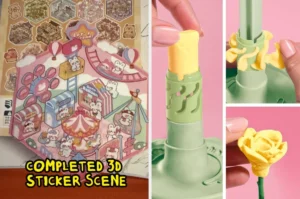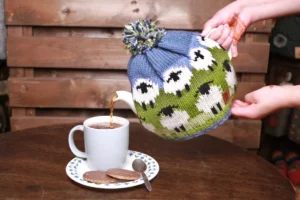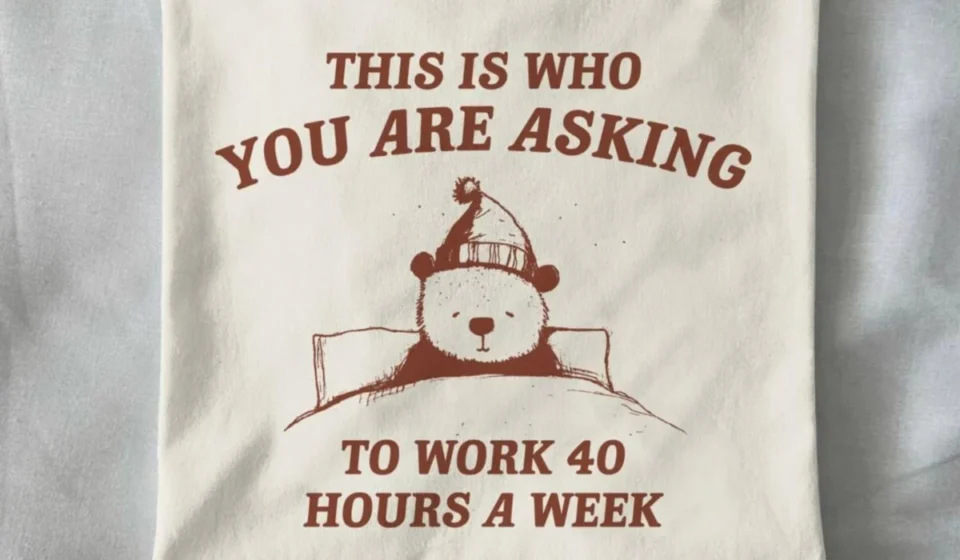

In the modern landscape of digital commerce, online shopping has evolved far beyond traditional utility. Consumers are no longer seeking sheer functional efficiency; instead, they are investing in what industry analysts term "dopamine decor," whimsical novelty items, and lifestyle-driven micro-luxuries designed to curate an aesthetic personal environment.
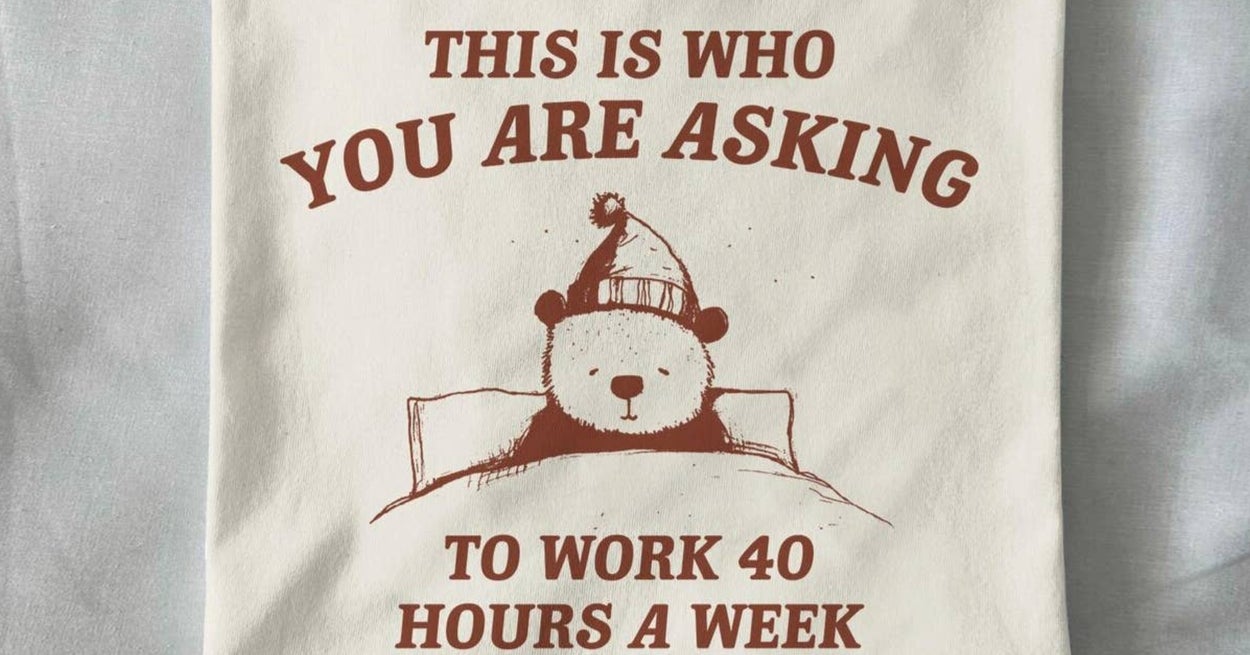
A recent trend analysis of viral consumer products highlights a cultural pivot toward items that blend humor, nostalgia, and hyper-specific subcultural trends—ranging from vintage-inspired kitchenware to squishable, character-driven home accessories. This report examines the driving forces behind this e-commerce phenomenon, charting the emergence of these viral products, analyzing consumer data and reviews, exploring the impact on independent creators, and assessing the broader economic and psychological implications of this retail shift.

Chronology of a Viral Trend: From TikTok Discovery to Cart-Checkout
The trajectory of viral consumer goods typically follows a distinct digital lifecycle, shifting from niche maker platforms to mainstream algorithmic feeds.

- Phase One: Ideation and Independent Creation. Many of these products originate as small-batch items on creator-centric marketplaces like Etsy or through specialized independent brands like Frolic Creations, Ototo, or Printed Weird. Makers utilize platforms like TikTok and Instagram Reels to showcase quirky design concepts—such as a strawberry-scented jelly frog soap or a sardine-tin cosmetic bag.
- Phase Two: Algorithmic Amplification. As early adopters purchase and review these items, user-generated content sparks organic virality. Short-form videos capturing unboxing reactions, product ASMR (such as the squishing of jelly soaps or the motion of miniature inflatable desk mascots), and aesthetic room tours drive massive surges in traffic.
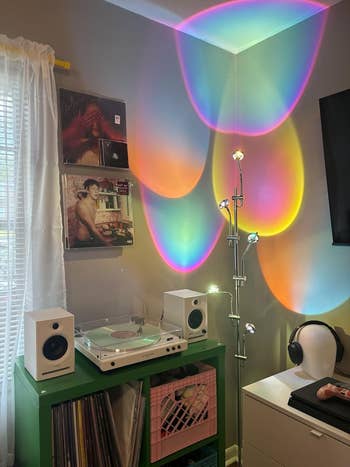
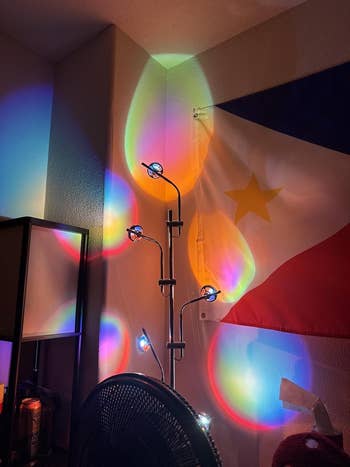
- Phase Three: Mainstream Adoption and Retail Scaling. High-performing items frequently transition from small-batch production to major e-commerce fulfillment networks like Amazon, where mass-market availability meets surging consumer demand. Products like the halo projector lamp, the tomato-shaped accent light, and "Bold and Brash" pop-culture throw blankets transition from internet novelties to household staples.
- Phase Four: Community Validation and Review Loops. The lifecycle solidifies as thousands of buyers leave detailed reviews, establishing a communal culture around playful consumption, gift-giving, and home personalization.
Supporting Data: Product Categories and Consumer Preferences
To better understand what drives contemporary online shoppers, a cross-section of top-performing viral products reveals clear thematic preferences across home decor, self-care, and desk accessories.

1. Whimsical Home Upgrades and "Dopamine Decor"
- Flower Toilet Gel Stamps ($14.99): Combining daily cleaning utility with cottagecore aesthetics, these stamp kits release continuous aromas (lemon, rose, jasmine) across 60 applications. Reviewers frequently cite the initial joy of decorating their bathrooms as a primary selling point.
- Tomato Accent Lights ($26.90): Positioned as an accessible alternative to high-end boutique lighting, this remote-controlled statement piece has captured the coffee-table decor market.
- Crochet Bouquet Blankets ($39.99): Merging the coquette aesthetic with functional comfort, these blankets fold into realistic floral bouquets, offering high visual impact for living spaces.
2. Nostalgic Tech and Desk Companions
- Mini Inflatable Tube Men ($8.86): A staple of modern cubicle culture, offering desktop motivation and comedic relief for office workers.
- Tamagotchi Re-releases ($19.99+): Tapping directly into 90s and Y2K nostalgia, these updated virtual pets provide tactile comfort and retro escapism for adults navigating high-stress work environments.
- Emotional Support Nugget Plushies ($16.97): Part of a broader wave of food-themed comfort plushies, these items serve as tactile stress-relief tools for commuters and desk workers alike.
3. Kitchen Novelties with Personality
- Crocodile Veggie Choppers ($29.99): Transforming mundane meal prep into an interactive experience, these functional kitchen tools combine playful character design with practical multi-attachment utility.
- Pickle Wine Stoppers ($18.85): Catering to the burgeoning "pickle girl" subculture, this item provides an airtight seal while introducing humor to dinner parties.
- SAYSO Espresso Martini Teabags ($15.69): Innovating the home-bartending category, these instant cocktail tea bags allow consumers to bypass complex mixology in favor of a simplified, steep-and-pour format.
Official Responses and Market Perspectives
Industry observers and independent creators have weighed in on why these specific product categories resonate so strongly in the current economic climate.

Market researchers note that consumers are increasingly turning to low-stakes purchases—often under $40—as a form of accessible self-care. Rather than making major financial investments, shoppers are utilizing small, highly visual home goods to radically shift the mood of their personal spaces.
Furthermore, platform data underscores the vital role played by independent creators. Small businesses such as Frolic Creations (known for jelly soaps) and Crazy Dog Tshirts (creators of viral novelty sticker packs) benefit directly from digital discovery algorithms, which level the playing field against legacy retail giants.
According to customer feedback aggregates, buyers value transparency, tactile satisfaction, and emotional resonance. As one reviewer of the viral emotional support plushies noted: "They are so nice to squeeze or just keep on your lap… the love for stuffies never goes away." This sentiment is echoed across product lines, where utility is consistently secondary to emotional connection and aesthetic charm.

Implications: The Shift Toward Playful Consumerism
The sustained popularity of whimsical, design-forward micro-products carries several key implications for the future of retail:

- The Rise of Shopper-Led Marketing: Traditional advertising models are increasingly giving way to peer-to-peer recommendations. When consumers post videos of themselves organizing bobby pins inside a sardine-tin cosmetic bag or testing out a halo projector lamp, they act as voluntary brand ambassadors.
- Mental Health and "Cozy Gaming/Living": The popularity of items like the color-changing cloud breathing lamp, stress-relief coloring books, and cozy video games like Disney Dreamlight Valley points to a collective cultural need for decompression. Consumers are actively designing environments that mitigate burnout and promote low-stress relaxation.
- The Democratization of Design: High-end interior design trends—such as artisanal ceramics, statement lighting, and curated tablescapes—are being rapidly democratized. Products like the Lenox Spice Village sugar and creamer set ($60) and affordable designer-dupe lamps allow broader demographics to participate in luxury aesthetics without prohibitive price tags.
Ultimately, today’s digital marketplace proves that consumers are craving joy, humor, and personalization. Whether through a tiny dancing tube man on a desk or a flower-stamped toilet bowl, modern retail is proving that even the most mundane aspects of daily life can be reimagined through the lens of fun.