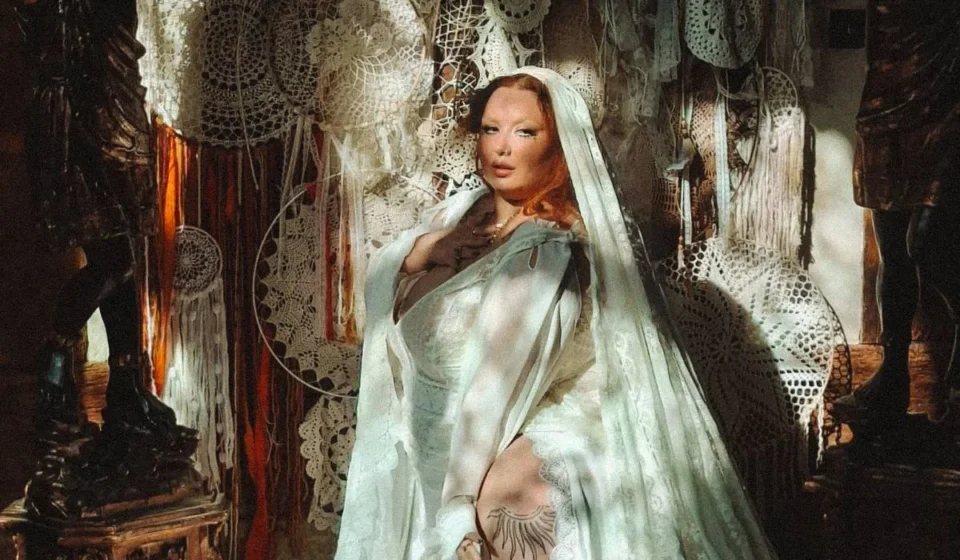

The wedding industry is, in many respects, an engine of fantasy. It sells the promise of the "perfect day," curated to the minutest detail. Yet, for a significant portion of the population, that fantasy is structurally denied at the very first hurdle: the bridal boutique. Despite the outward appearance of progress, the industry remains deeply rooted in systemic fatphobia, creating a exclusionary environment that prioritizes a narrow, outdated standard of beauty over the diverse realities of modern brides.
The Reality of the "Sample Size" Crisis
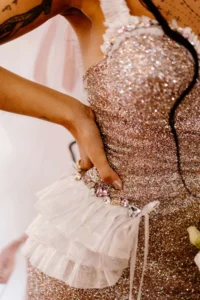
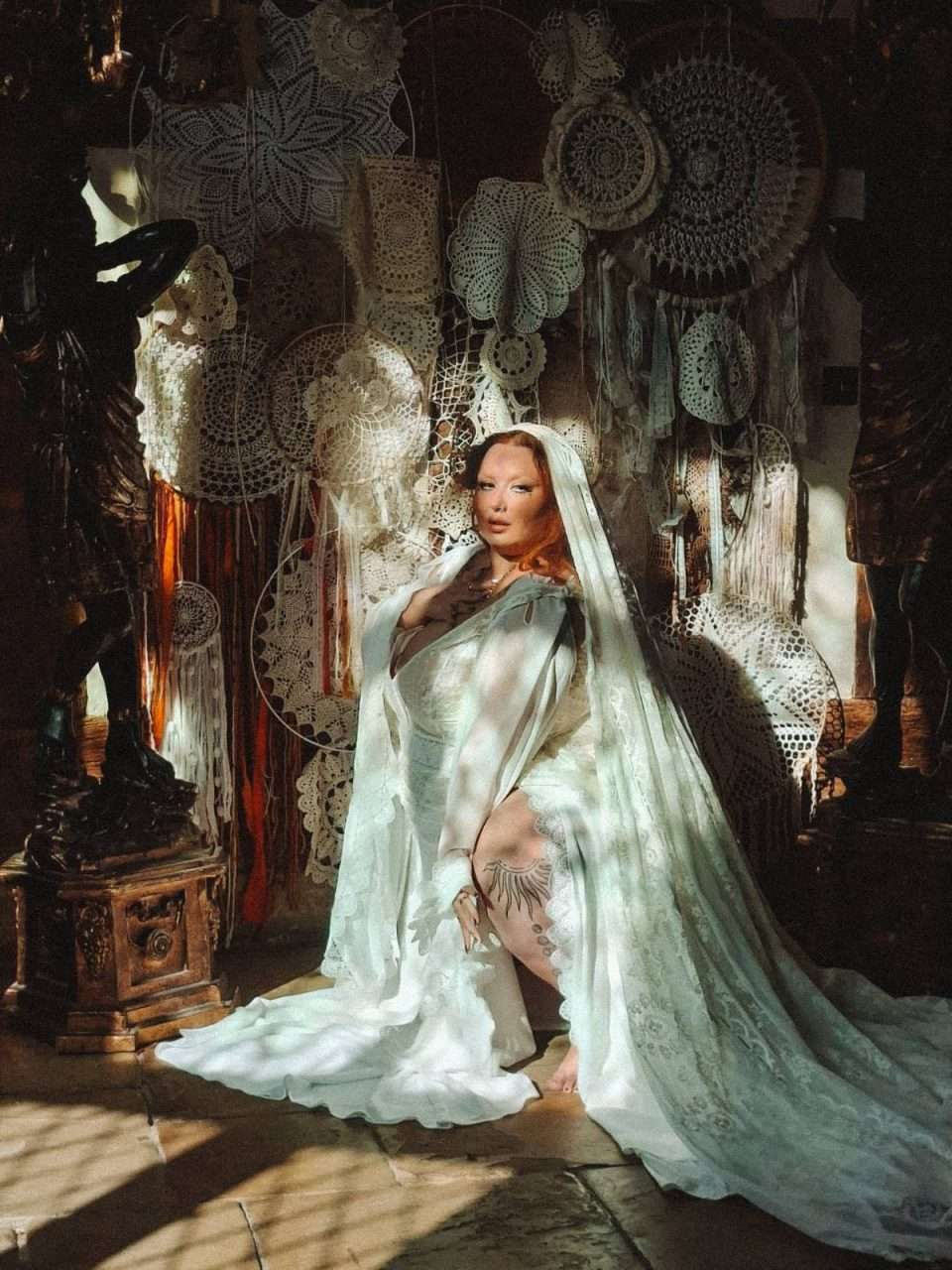
The issue is not merely one of hurt feelings or social exclusion; it is a fundamental failure of retail infrastructure. Recently, during a professional styling session for a high-end editorial shoot, the industry’s limitations were laid bare. The model, a stunning individual wearing a UK size 26, was the embodiment of the aesthetic we aimed to capture. However, the process of securing garments that would actually fit her was an exhaustive, demoralizing gauntlet.
Many designers and boutiques offer a standard, dismissive response: "We can make our dresses in any size." While technically true, this is a disingenuous solution. It requires the bride to commit to a purchase—often costing thousands of pounds—based on a sketch or a smaller sample, effectively forcing them to buy a "pig in a poke." To expect a bride to invest in a bespoke garment without the fundamental right to see how a specific cut, fabric, or silhouette interacts with their own body is an abdication of professional responsibility.
A Chronology of Exclusion and Slow Progress
Historically, bridal sizing has been anchored to mid-century measurements, a relic that has refused to evolve alongside the general population. For decades, the "sample size" in most boutiques hovered between a UK 8 and 12.
- The Early 2000s: The "sample size" was effectively the only size. If a bride did not fit into the sample, she was largely ignored or directed to a handful of specialty retailers that often lacked the fashion-forward designs of mainstream boutiques.
- The Mid-2010s: As the body positivity movement gained momentum, a slow shift occurred. Many mainstream retailers began extending their sample ranges to a UK 18 or 20. While a marked improvement, this still left millions of brides—particularly those over a size 22—marginalized.
- The Current Landscape: Today, we are seeing a "two-tier" system. There is the mainstream market, which continues to treat plus-size options as an afterthought, and a growing, vibrant sector of independent designers and specialized boutiques that are actively dismantling these barriers.
Supporting Data and the Economic Argument
The resistance to stocking larger samples is often framed as a logistical necessity. Boutique owners frequently cite the high cost of wholesale samples, the limited floor space, and the strain on small business profit margins. While these are valid operational concerns, they do not excuse the systemic exclusion of a massive market segment.
The "size 20 ceiling" remains the industry’s most significant barrier. When a stylist or a bride approaches a designer, the feedback is often identical: "If she were a size 20, we would love to help." This response highlights a lack of imagination and a refusal to invest in the infrastructure necessary to serve a diverse clientele.
However, the tide is turning, driven by businesses that recognize the human and economic necessity of inclusivity. Designers who offer samples up to size 46 are not just providing a service; they are capturing a market that has been historically ignored and is eager for representation.
Official Perspectives: The Advocates for Change
The boutiques leading the charge toward true inclusivity are doing so by centering the bride’s experience from the moment they walk through the door.
Rosie Red Corsetry & Couture, Oxfordshire
Rosie Red represents a shift toward bespoke, supportive design. Rather than relying on mass-produced samples, the boutique focuses on a cotton toile fitting process. "As a bespoke designer, I work a little bit differently," she explains. "I make sure that I cover a really broad spectrum so that all of my brides can try on and feel what a real corset feels like. Honestly, if I didn’t have something that would fit, I would whip something up especially."
Rebecca James Bridal, Belfast
Formerly known as Curvy Chic Bridal, this boutique is a case study in how to do it right. By specializing in inclusive sizing (UK 14–46), they have removed the "up-sized" stigma, ensuring that every garment is engineered with the proportions of a larger body in mind.
The Silver Sixpence, Saltburn-by-the-Sea
With a sample range of UK 12–40, The Silver Sixpence operates on the principle that choice should be universal. By prioritizing structure and support, they ensure that the shopping experience is not a compromise, but a celebration.
Implications for the Future of Bridal
The implications of this ongoing struggle are profound. When a bride enters a store and finds that nothing fits, the message sent is that their body is "the problem" rather than the industry’s inventory. This is a psychological weight that no bride should have to carry on their wedding journey.
Moving Beyond the "Curvy" Label
The industry must eventually move toward a model where "plus-size" is not a separate category, but an integrated part of the standard collection. The goal should not be to have a "plus-size store" and a "regular store," but for every boutique to offer a comprehensive range of sizes that allows for genuine, autonomous choice.
The Role of Technology and Customization
As we look to the future, technology—such as 3D body scanning and more sophisticated digital pattern-making—could allow for better fit and faster production. However, technology cannot replace the sensory experience of trying on a gown. The tactile, emotional connection to the dress is what the industry is actually selling, and that must be made accessible to everyone.
A Directory of Progress: Boutiques Leading the Way
For those navigating this landscape, the following establishments have demonstrated a commitment to providing actual samples for larger bodies:
- Rebel Wedding Emporium (Birmingham): Pushing boundaries with unconventional styles (UK 10–28).
- Lucy Can’t Dance (Essex): Known for vibrant, handmade pieces with samples up to UK 30.
- Coven & Court (Greater Manchester): An emerging player focused on alternative bridal styles (UK 8–32).
- Lush Curve Bridal (Surrey): Dedicated to the "curve" market, offering transparency on their website regarding sample availability (UK 16–30).
- Velvet Queen (Portsmouth): An impressive collection of over 100 gowns (UK 6–28).
- Angelica Bridal Curve (London): A dedicated, professional space for the modern, mid-to-plus-size bride (UK 16–28).
- Kate’s Bridal Room (Lancashire): A traditional approach with an inclusive range (UK 14–36).
- Distinctive Bridal (Shrewsbury): Specializing in off-the-rail sales for immediate gratification (UK 16–30).
- wed2b (UK-wide): A national option for those seeking accessible, off-the-rail availability (UK 6–30).
- Della Curva (Los Angeles): A powerhouse in the US market for plus-size brides (US 16–34).
- Bombshell Bridal Boutique (Michigan): A veteran of the industry, founded on the principle of ending the "disappointing experience" (US 14–40).
Conclusion: The Responsibility of the Industry
The bridal industry has spent too long resting on the laurels of tradition, using "business constraints" as a shield against necessary evolution. Fatphobia is not a static element of retail; it is a choice made by those who refuse to adapt their business models.
True luxury in bridal is not defined by the price tag or the designer label; it is defined by the ability to offer every bride the dignity of a beautiful, well-fitting gown. Until the rest of the industry follows the lead of these inclusive boutiques, the search for the perfect dress will remain a fight for many. It is time for the wedding industry to stop burying its head in the sand and start designing for the people who actually exist, rather than the ghosts of outdated beauty standards.