Alimentation Couche-Tard Bolsters North American Footprint with Strategic Irving Oil Asset Acquisition

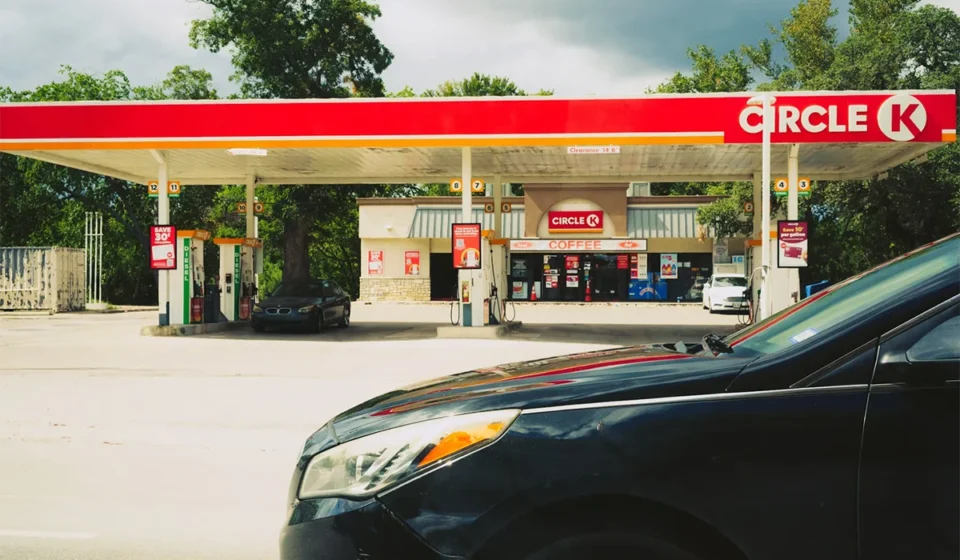
In a move that underscores its aggressive growth strategy and operational consolidation, global convenience store giant Alimentation Couche-Tard Inc. has announced a definitive agreement to acquire a portfolio of retail and cardlock assets from Irving Oil. This transaction marks a significant tightening of the relationship between the two energy and retail entities, allowing the parent company of Circle K to cement its dominance in the Canadian market, particularly within Québec and Ontario.
The acquisition comes at a pivotal moment for the Laval, Quebec-based company, which has been reporting robust financial health even as it navigates the shifting currents of the global retail landscape. By integrating these specific Irving Oil assets, Couche-Tard is not merely adding locations to its ledger; it is optimizing its supply chain and refining its retail footprint in markets where it already possesses deep operational expertise.
The Scope of the Transaction: Consolidating the Network
The agreement between Couche-Tard and Irving Oil is a strategic refinement of existing arrangements. Rather than entering entirely new territories, Couche-Tard is opting to formalize its control over assets it has already been managing under previous collaborative frameworks.
Asset Breakdown
The transaction is multifaceted, encompassing a mix of retail storefronts and specialized commercial fueling infrastructure:
- Retail Sites: The deal includes 50 retail locations currently operated under the "Québec Alliance" between Irving Oil and Couche-Tard. Additionally, two retail sites in Ontario—specifically in the municipalities of Pembroke and Cornwall—that were already under Couche-Tard’s operational umbrella will now be fully integrated into the corporate portfolio.
- Fuel Supply Agreements: The acquisition extends to the fuel supply rights for 71 retail sites already owned and operated by Couche-Tard throughout Québec, streamlining the company’s supply chain logistics.
- Cardlock Facilities: The deal includes 18 cardlock sites—16 in Québec and two in Ontario. These sites are essential for commercial fleets, and their integration allows Couche-Tard to better serve the logistical needs of its industrial and commercial client base.
For the company, these assets represent a "known quantity." Because these sites were already being managed by the retailer, the integration process is expected to be seamless, requiring minimal disruption to the existing customer experience.
Chronology of Expansion and Strategic Alignment
Couche-Tard’s current acquisition strategy is the result of a long-term, deliberate climb toward global convenience leadership.
From Local Roots to Global Dominance
Founded in 1980, the company has grown from a single store in Laval to a behemoth operating in 27 countries and territories, with a network exceeding 17,200 stores. This growth has not been accidental; it has been characterized by a "Core + More" strategic roadmap.
- The Foundation: For decades, the company focused on aggressive domestic expansion and international acquisitions, including the landmark purchase of the Circle K brand, which became its primary global identity.
- The Partnership Era: The relationship with Irving Oil has been a long-standing fixture in Eastern Canada. By transitioning from a partnership/alliance model to direct ownership of these assets, Couche-Tard is moving toward a more vertically integrated model.
- The Recent Pivot: The fiscal year 2027 has seen a shift toward high-impact acquisitions. In early September 2024, the company announced its intent to acquire Żabka Group, Poland’s largest convenience retailer. With over 13,000 stores across Poland and Romania, this pending acquisition signifies a major push into the European market, signaling that Couche-Tard is moving beyond its North American stronghold.
Financial Performance: A Pillar of Growth
The decision to acquire the Irving Oil assets is supported by a strong financial foundation. In its most recent quarterly reports, Couche-Tard demonstrated an impressive ability to grow earnings despite broader economic pressures, including inflation and shifting consumer fuel demand.
Key Financial Indicators (Q1 Fiscal 2027)
- Net Earnings: The company reported net earnings of $828.5 million, a substantial increase from the $782.5 million reported in the same quarter of the previous year.
- Revenue Growth: Total merchandise and service revenue hit $4.9 billion, marking a 4.1% increase.
- Same-Store Merchandise Sales: This metric remains a key performance indicator (KPI) for the company. The U.S. market saw a 1.7% increase, while Europe and other regions saw a 1.2% uptick. Canada’s same-store merchandise revenue remained stable, reflecting a resilient, if plateaued, consumer base.
- Transportation Fuel Volumes: The story here is more nuanced. Fuel volumes decreased by 1.6% in the U.S. and 4.3% in Europe, likely reflecting the impact of fuel-efficient vehicles and changing travel habits. However, Canada bucked the trend with a 1.1% increase, proving the continued relevance of physical fuel retail in the Canadian market—a key driver for the acquisition of the Irving sites.
Leadership Perspective and Corporate Strategy
The leadership at Couche-Tard, led by President and CEO Alex Miller, has maintained a focus on operational excellence. The company’s "Core + More" strategy aims to balance the traditional convenience store experience with digital transformation, food service innovation, and optimized supply chains.
Official Statements
Stéphane Trudel, Senior Vice President of Operations, emphasized the strategic logic of the Irving Oil acquisition: "This agreement builds on our longstanding relationship with Irving Oil and our experience operating these locations. These are markets and customers we know well. The transaction would support our continued investment in the everyday convenience experience we offer our customers."
Filipe Da Silva, the Chief Financial Officer, provided further context regarding the company’s broader financial health: "The first quarter demonstrates the balance we are achieving across the business, delivering adjusted EBITDA growth of 10.5% and adjusted diluted earnings per share growth of 15.4%, while maintaining normalized expense growth well below inflation."
Implications: What This Means for the Future
The integration of the Irving Oil sites is more than just a real estate transaction; it is a signal of how Couche-Tard intends to compete in an increasingly digital and automated retail future.
Operational Efficiency
By taking full control of the fuel supply for 71 additional sites, Couche-Tard gains greater control over its margins. In the volatile fuel market, vertical integration is a powerful tool to hedge against price fluctuations and supply chain disruptions.
Market Positioning in Canada
With competition from other major fuel retailers and grocery chains moving into the "convenience" space, Couche-Tard is choosing to double down on its home turf. By consolidating these assets in Québec and Ontario, the company creates a denser, more defensible network that provides better brand visibility and a more uniform customer experience.
Preparing for the Energy Transition
The inclusion of cardlock sites—which serve professional trucking fleets—indicates that Couche-Tard is not abandoning the commercial fueling sector, even as it pivots toward more consumer-focused "fresh food" and "convenience" initiatives. The company is betting that while passenger vehicle fuel volumes may face pressure, the commercial transport sector will continue to rely on robust, well-placed fueling infrastructure for the foreseeable future.
The Path to 2027
As the company moves through fiscal 2027, the dual strategy of "growth through acquisition" and "growth through operational optimization" remains clear. The pending acquisition of Żabka Group will likely consume much of the firm’s focus in the coming year, but the Irving Oil deal ensures that its North American foundation remains unshakable.
By maintaining expense growth below the rate of inflation while simultaneously driving traffic through food and beverage initiatives, Couche-Tard has positioned itself as one of the most resilient retail organizations globally. Investors and industry analysts will likely continue to watch the company for signs of further consolidation, particularly as it seeks to integrate its massive European expansion into its existing, high-performing corporate structure.
In summary, the acquisition of Irving Oil’s retail and cardlock assets is a calculated, low-risk, and high-reward maneuver that strengthens the company’s regional grip, stabilizes its supply chain, and provides a clear signal that Couche-Tard is operating from a position of profound financial and strategic strength.