The Art of the "Little Treat": How Independent Artisans and Direct-to-Consumer Marketplaces Are Redefining Micro-Retail

GLOBAL RETAIL & CONSUMER TRENDS — In a macroeconomic landscape dominated by inflation, shifting labor markets, and the omnipresent grind of modern productivity culture, consumers are quietly staging a rebellion. It is not manifested in grand protests or massive lifestyle overhauls, but rather in a phenomenon known across digital consumer culture simply as the "little treat."

Whether it is a $7 ceramic dishwasher magnet, a $12 enamel pin conversion kit, or a whimsical mint-scented frog soap that spikes your serotonin before the morning commute, these micro-purchases have become the cornerstone of contemporary self-care. Behind this trend lies a massive shift in retail: a surging consumer preference for independent makers, hyper-niche designs, and small-batch craftsmanship over mass-market homogeneity.
Main Facts: The Rise of the Micro-Luxury Economy
The appetite for small, delightful, yet functional goods points to a larger structural evolution in e-commerce. Platforms like Etsy, independent digital storefronts, and specialized artisan cooperatives are outperforming big-box monoliths in capturing consumer discretionary spending for low-to-mid-tier items.
- The Psychology of the Micro-Treat: Behavioral economists note that when major life milestones—such as homeownership or luxury vacations—feel financially out of reach due to broader economic pressures, consumers pivot to "small indulgences." These low-cost items offer immediate dopamine hits without long-term financial guilt.
- The Craftsperson Renaissance: Small businesses are leveraging advanced, accessible manufacturing techniques—such as desktop 3D printing, custom ceramics, and bespoke textile design—to produce items that solve hyper-specific household or lifestyle annoyances.
- Functional Whimsy: The market rewards utility wrapped in humor and aesthetic irony. Products that bridge the gap between solving a mundane problem (like tracking plant moisture or securing liner socks) and delivering a visual punchline are driving viral e-commerce engagement.
Chronology: From Pandemic Isolation to the Curated Everyday
- 2020–2021 (The Nesting Era): Forced indoors by global lockdowns, consumers first began hyper-focusing on their immediate surroundings. Home decor, organization tools, and comfort items surged in demand as people sought to optimize small living spaces.
- 2022–2023 (The Return to Offices and Public Spaces): As hybrid work models solidified, the focus shifted from pure home isolation to transitional lifestyle goods—items that bridged the gap between home comfort and public expression, such as desk accessories, custom pins, and portable productivity tools.
- 2024–Present (The "Little Treat" Cultural Wave): The normalization of micro-luxuries solidified into digital folklore. Social media algorithms began aggressively championing hyper-specific products—ranging from 3D-printed warehouse cart caddies to interactive fidget-skincare "picky pads." Consumers began viewing everyday administration not as a chore, but as an opportunity for aesthetic curation.
Supporting Data: What Shoppers Are Buying and Why
An analysis of top-performing independent items reveals a fascinating cross-section of consumer desires, spanning humor, efficiency, and tactile satisfaction.
1. Elevating the Mundane Workspace
- 3D-Printed Cubicle Wall Planters ($12+): Designed by studios like Quail Prints Co., these magnetic and hanging planters allow workers to introduce greenery directly onto office dividers, softening the stark reality of corporate cubicles.
- Space-Saving Standing Desks ($475): For remote workers managing tight square footage in urban studio apartments, compact vertical drafting and standing desks (such as those by Savannah-based Orbit) have democratized ergonomic health without requiring dedicated home-office real estate.
- Whimsical Desk Organization: Items like the La Casita pen holder—a miniature building replica that nods to pop-culture milestones—prove that office supplies no longer need to be beige.
2. Kitchen & Household Irony
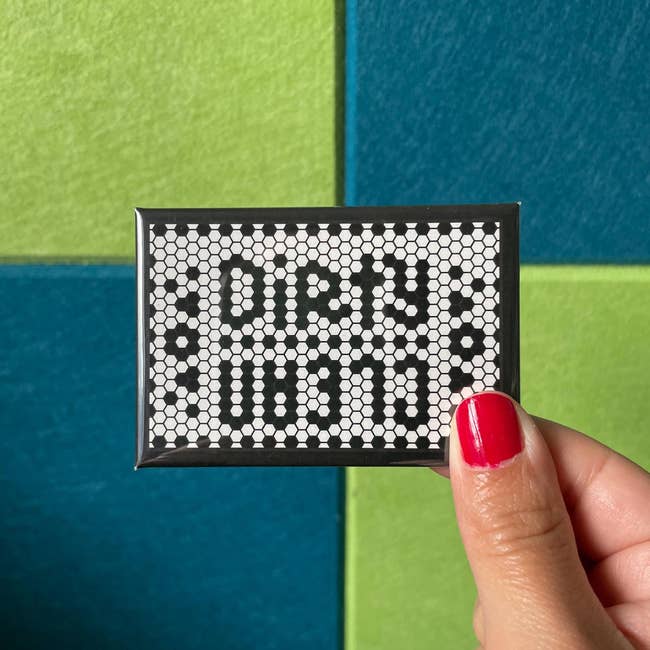
- The "Dirty/Clean" Dishwasher Magnet ($7): Created by graphic designer KC of Little Kerning House, this bistro-tile-inspired magnet solves domestic communication breakdowns while replacing industrial eyesores with high design.
- The Costco Shopping Cart Caddy ($19.99): A viral 3D-printed marvel from Lowcountry Custom Creations designed to securely hold a warehouse-store hot dog and beverage while navigating bulk aisles.
- Ceramic Olive Doorknobs ($15+): Tapping into the cultural obsession with dirty martinis, Kolos Ceramics offers hand-crafted hardware that lets homeowners turn functional doors into statements of culinary personality.
3. Tactile and Sensory Self-Care
- The "I Spy" Picky Pad ($20): Manufactured by Comer Craft Co., these silicone-based sensory tools feature hidden resin trinkets, providing a satisfying, safe outlet for fidgety fingers and skin-picking compulsions—particularly praised within the neurodivergent community.
- Jelly Frog Soap ($16): Frolic Creations’ mint-scented, jiggling amphibian soap has turned basic handwashing into a viral serotonin booster praised for family bonding and bathroom levity.
- Hidey Socks ($17+): These hybrid liner socks feature integrated, Swarovski-crystal-studded ankle straps that eliminate the age-old frustration of flats swallowing your socks while adding an unexpected touch of evening glamor to daytime footwear.
Official Responses and Maker Perspectives
The success of these micro-retail ecosystems relies heavily on the human element behind the digital storefront. Unlike automated dropshipping operations, these brands are anchored by individual artisans, many of whom transitioned from corporate careers to pursue tactile arts.
Cielle Song, founder of Tennessee-based textile studio Cièlle Home—known for its exquisite box-pleat colorblock lampshades ($134+)—left a high-flying career in finance at Goldman Sachs to pivot into self-taught textile design. Her story reflects a broader trend among modern creators: trading institutional predictability for creative autonomy.
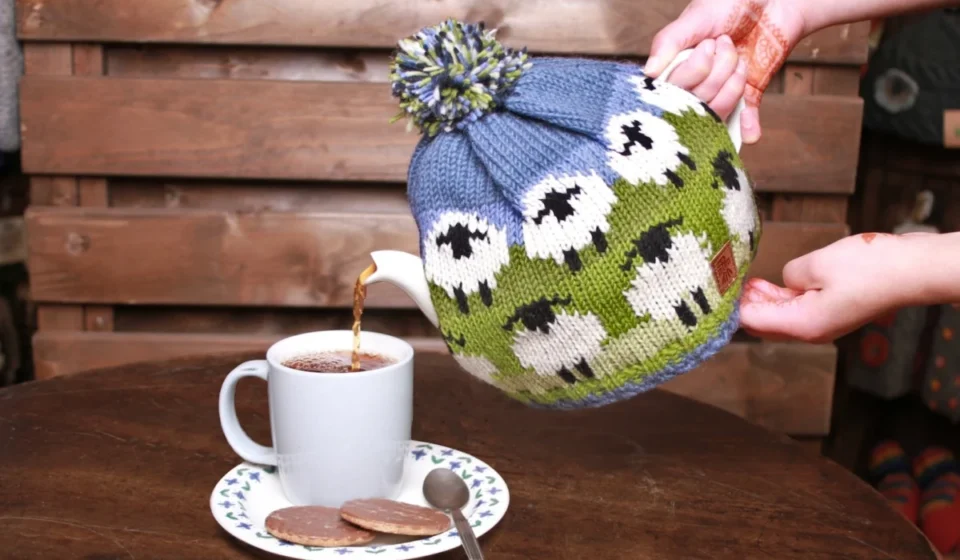
Similarly, brands like Pachamama Woolies, which crafts fleece-lined wool tea cozies shaped like flocks of sheep ($39.78), emphasize ethical supply chains, fair-trade practices in Nepal, and profit-sharing models that donate to children’s charities. Consumer data indicates that modern buyers are increasingly willing to pay a premium when product transparency and social responsibility accompany whimsical design.
Implications: The Future of Independent Retail
The flourishing market for niche, independent goods carries profound implications for the broader retail landscape:

- The Death of Generic Mass-Market Appeal: As manufacturing technology—such as multi-color 3D printing and on-demand textile printing—becomes more accessible, consumers are actively rejecting mass-produced, uniform home goods in favor of items with narrative depth and distinct personality.
- Mental Health and Micro-Retail: The integration of sensory tools, fidget items, and whimsical home goods into everyday spending highlights a therapeutic dimension of shopping. Retail is no longer just about acquiring utility; it is about self-soothing in an over-stimulated world.
- The Sustainability of Slow Fashion and Crafts: While fast-fashion giants face increasing scrutiny over waste and environmental degradation, small-batch makers on platforms like Etsy are championing durable, repairable, and multi-functional alternatives—proving that small items can carry big cultural weight.
Ultimately, whether you are securing your cardigan with a faux-pearl closure, tracking your reading goals with a miniature wooden bookmark, or monitoring your houseplants with a ceramic "soil-mate" worm, the message is clear: the modern consumer values joy, utility, and individuality, one small treat at a time.