Navigating the Future: NATO Marks 25 Years of Advocacy and Industry Evolution in Washington, D.C.

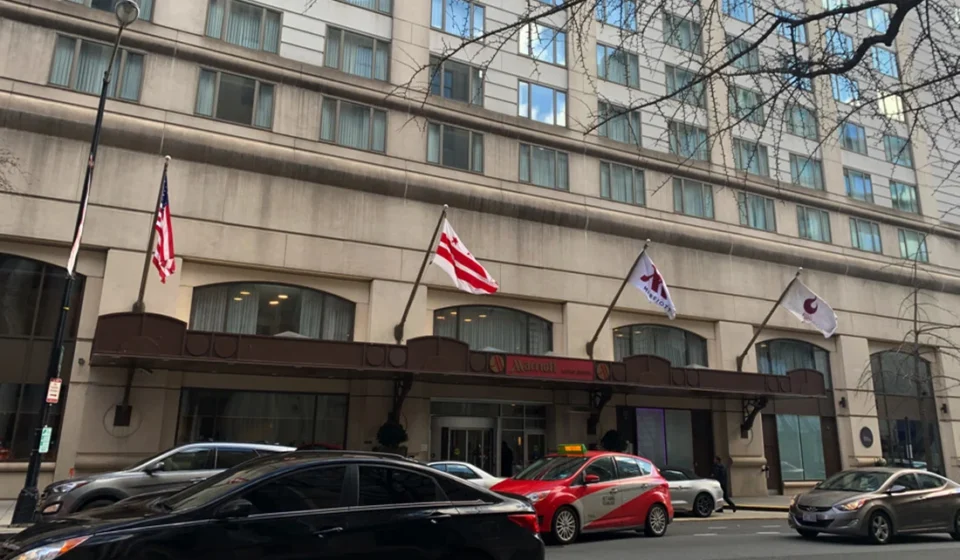
In a pivotal gathering that underscored the shifting landscape of the American tobacco and nicotine sector, industry stakeholders descended upon Washington, D.C., in late September. The occasion served a dual purpose: a milestone celebration of the National Association of Tobacco Outlets’ (NATO) 25th anniversary and a high-stakes legislative conference aimed at navigating an increasingly complex regulatory and political environment.
As the industry faces a transition marked by rapid technological innovation and evolving federal oversight, the conference—NATO’s first-ever dedicated legislative summit—brought together over 150 retailers, wholesalers, manufacturers, and association partners. The event was not merely a retrospective on a quarter-century of advocacy; it was a forward-looking strategy session designed to align industry interests with the current trajectory of the U.S. Food and Drug Administration (FDA) and the broader political climate.
The Evolution of Advocacy: A Chronology of NATO’s Impact
Established in 2001, NATO emerged at a time when the tobacco retail landscape was bracing for seismic shifts in legislation and public perception. The organization was conceived as a necessary counterweight to the mounting pressure on traditional tobacco retailers, providing a unified, professionalized voice to advocate for the interests of brick-and-mortar storefronts.
For two and a half decades, NATO’s mission has remained remarkably consistent even as the products themselves have fundamentally changed. The organization has centered its efforts on three core pillars: promoting responsible retailing, ensuring legal adult consumer access, and defending the viability of the tobacco and nicotine categories against overreaching mandates.
A Legacy of Representation
Throughout its 25-year history, NATO has transitioned from a niche advocacy group into a sophisticated legislative powerhouse. In the early 2000s, the focus was largely on the survival of traditional tobacco categories amidst increasing state-level tax threats. By the 2010s, as the rise of electronic nicotine delivery systems (ENDS) began to disrupt the marketplace, NATO pivoted to become a vital resource for retailers struggling to interpret and comply with the complex FDA deeming regulations.
This year’s conference served to honor the individuals who built the foundation of this advocacy. From the board members who navigated the early regulatory scrutiny of the Master Settlement Agreement era to the current leaders addressing the intricacies of the Premarket Tobacco Product Application (PMTA) process, the anniversary was a testament to the collective effort of a decentralized industry finding its voice in the nation’s capital.
Regulatory Outlook: A Collaborative Shift at the FDA
Perhaps the most significant development of the conference was the keynote address by Dr. Bret Koplow, Director of the FDA’s Center for Tobacco Products (CTP). His presence signaled a marked change in tone, moving away from the purely adversarial relationship that has historically defined the FDA-industry dynamic.
The CTP’s New Mandate
Dr. Koplow outlined a vision for the CTP that prioritizes efficiency and clarity—a welcome message for retailers who have long felt overwhelmed by the bureaucracy of product authorization. Central to his remarks were three critical takeaways:
- Accelerated PMTA Reviews: Acknowledging the backlog that has frustrated manufacturers and retailers alike, the CTP is working toward a more efficient review process for PMTAs. This is intended to bring compliant, science-backed products to market faster, thereby reducing the prevalence of illicit, unreviewed products.
- Harm Reduction Integration: For the first time in years, the language emanating from the CTP suggests a formal recognition of tobacco harm reduction (THR). By framing regulation as a tool that supports the migration of consumers from combustible cigarettes to lower-risk alternatives, the FDA is signaling a more pragmatic approach to public health.
- Regulatory Clarity and Support: Dr. Koplow emphasized that the FDA is actively developing resources specifically for retailers. The goal is to ensure that small business owners, who are often the frontline of enforcement, have the tools, guidance, and educational materials necessary to maintain compliance without the fear of arbitrary punitive action.
"The FDA works to its mission to regulate the industry that recognizes tobacco harm reduction and provides clarity and resources for retailers," Koplow stated. This collaborative pivot is expected to reduce the friction that has historically hampered the legal marketplace.
Supporting Data: The Retail Landscape in Flux
To understand the stakes of the current regulatory environment, the conference featured a deep-dive analysis by MSA Inc. leaders Paul Grubbs and Ajay Yadigiri. Their data presentation painted a vivid picture of a retail sector currently experiencing a "great transition."
Market Segmentation and Projections
The MSA data highlighted the diverging fortunes of traditional and modern nicotine categories:
- Combustible Decline: Cigarette volumes continue to contract, showing a year-over-year decline of approximately 6%. This trend remains consistent with long-term consumer shifts away from combustible tobacco.
- The Rise of Modern Oral: In stark contrast, the modern oral nicotine category—specifically nicotine pouches—is undergoing an explosive growth phase. Projections shared by MSA suggest that this segment is on track to achieve double-digit growth by 2026.
- Retailer Implications: The data indicates that retailers who successfully pivot their shelf space toward these high-growth, modern nicotine categories are better positioned to offset the volume losses in traditional cigarettes.
This data underscores the critical nature of the current legislative battle. If the regulatory path for modern oral nicotine products remains clear, retailers have a viable future. If, however, regulatory roadblocks continue to stifle innovation, the industry faces an existential threat to its growth potential.
The Political Landscape: Advocacy Beyond the FDA
While the FDA provides the rules, Congress and the Executive Branch set the stage. Former U.S. Senator Richard Burr (R-N.C.) provided the keynote perspective on the necessity of "smarter" regulation. Burr, a long-time advocate for a balanced approach to tobacco policy, discussed the work of the Coalition for Smarter Regulation of Nicotine.
A Legislative Roadmap
Burr expressed measured optimism regarding the new leadership at the FDA CTP. He noted that the recent authorizations of specific products and the public commitment to revamping the PMTA process are indicators that the agency is beginning to listen to evidence-based arguments rather than purely political pressures.
The conference also featured a non-partisan preview of the upcoming midterm elections. Political strategists David Avella (representing the Republican viewpoint) and Meghan Hays (representing the Democratic perspective) debated the potential outcomes of the congressional and state-level races. Their insights helped attendees understand how local election results in key swing states could impact state-level tax policies, flavor bans, and minimum age-to-purchase laws—all of which remain the most immediate threats to retail operations.
Implications: The Road Ahead
The September conference was more than a celebration of longevity; it was a strategic mobilization. As Tom Kessler, NATO board president and owner of Tom’s Super Shop, noted, "The 25th anniversary is more than a celebration of longevity; it is a recognition of the collective efforts of the retailers, wholesalers, manufacturers, and leaders who have shaped the association since its inception."
Strategic Priorities for the Next Decade
As NATO enters its next chapter, the association has identified three primary areas of focus that will dictate its policy agenda:
- Ensuring Competitive Parity: NATO is doubling down on its efforts to ensure that the regulatory environment does not favor large-scale manufacturers at the expense of independent retailers. This includes advocating for fair-tax policies that do not disproportionately punish small businesses.
- Defending Responsible Retail: A core tenet of NATO’s future strategy is the continued promotion of "responsible retailing." By providing retailers with the resources to prevent youth access, NATO aims to preempt the aggressive state-level legislation that often stems from concerns over underage usage.
- Unified Industry Voice: The success of the first legislative conference has confirmed that there is a massive appetite for direct engagement between the industry and federal regulators. NATO intends to institutionalize this conference, creating a permanent, annual venue for the industry to present its concerns to the FDA and Congress in a structured, professional manner.
Conclusion: A Turning Point
The 25th-anniversary milestone marks a turning point for NATO. The industry is moving away from a posture of purely defensive advocacy toward a more proactive, evidence-based partnership with regulatory bodies.
The signals from the FDA, the data from market analysts, and the engagement from political veterans all point to a singular reality: the tobacco and nicotine industry is evolving. For the retailers who remain at the heart of this sector, the message from the D.C. summit was clear. By embracing the shift toward harm reduction, staying strictly compliant with federal standards, and maintaining a unified legislative voice, the industry can secure a stable and profitable future in a marketplace that looks vastly different than the one that existed 25 years ago.
As NATO continues to serve as the industry’s vanguard, the focus remains on the foundational promise made in 2001: protecting the right of legal adult consumers to access the products of their choice while ensuring that the retail community remains a respected, responsible, and essential part of the American economy.