The Rise of the At-Home Maker Economy: Why Millions Are Trading Doomscrolling for Hands-On Craft Kits

In an era dominated by digital saturation, algorithmic feeds, and relentless screen fatigue, a quiet rebellion is taking place on kitchen tables and living room floors across the globe. Consumers are increasingly turning away from passive entertainment and embracing the tactile, slow-paced world of DIY crafts, artisanal home-brewing, and analog puzzle-solving.

Driven by a cultural yearning for tangible accomplishments and stress-relief mechanisms, the at-home "maker economy" has exploded. From brewing bespoke hard cider in nine days to constructing miniature book nooks, modern consumers are proving that they are more than willing to trade their evening doomscrolling for the deeply satisfying, albeit sometimes messy, experience of creating something with their own hands.

Main Facts: The Shift Toward Tangible Hobbies
The modern consumer landscape is experiencing a profound shift away from fast-paced digital consumption and toward offline, creative pursuits. Market research highlights a surging demand for adult craft kits, beginner-friendly fermentation sets, and immersive logic-based puzzle books.

Key drivers behind this movement include:
- The Antidote to Screen Fatigue: With average daily screen times soaring, adults are actively seeking hobbies that engage physical motor skills and offer a break from blue light.
- Low Barrier to Entry: Modern kits—ranging from $8 watercolor books to $40 pottery wheels—eliminate the intimidation factor, allowing novices to dive into complex hobbies without investing hundreds of dollars in professional equipment.
- The "Micro-Achievement" Effect: In a working world where long-term projects can span months or years, crafting offers quick wins: a completed batch of pickles in 24 hours, a hand-painted mug after a single baking cycle, or a finished crochet plant in a weekend.
Chronology: How the Maker Trend Evolved
The resurgence of hands-on home hobbies did not happen overnight. Its timeline reflects a collective cultural fatigue with hyper-digitization:
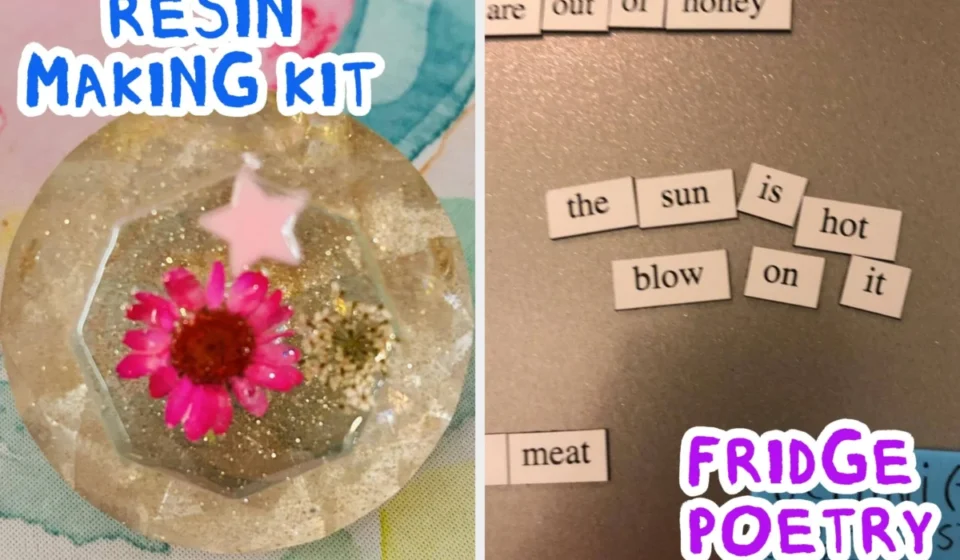
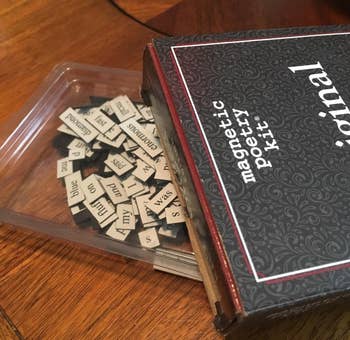
- 1993: The launch of the original Magnetic Poetry kit lays the groundwork for casual, fridge-based literary expression, proving that adults crave low-stakes creative outlets.
- The Late 2010s: Adult coloring books and guided journals like Wreck This Journal gain massive traction, breaking down the perfectionism barrier and encouraging people to make purposeful messes.
- 2020–2021 (The Pandemic Pivot): Lockdowns force millions indoors, sparking a massive boom in sourdough baking, fermentation, and home crafting as people look for productive ways to pass the time.
- 2022–Present (The Social Media Amplification): Platforms like TikTok catapult specific analog trends—such as miniature book nooks, reverse coloring books, and tactile brain games like Kanoodle—into viral sensations, bridging the gap between digital culture and physical creation.
Supporting Data and Market Insights
The commercial viability of the at-home maker market is underlined by robust consumer engagement and glowing reviews across e-commerce platforms.
- Culinary DIY: Kits like the Brewsy Hard Cider kit ($29.99) and Fermentaholics Pickling Starter Kit ($16.99) allow users to bypass commercial production, yielding high-rated results in days. Reviewers frequently note that these kits provide the satisfaction of historical trades—like tavern-keeping or pickling—without requiring advanced culinary degrees.
- Artistic Accessibility: Products like Kendra Norton’s Through the Seasons Reverse Coloring Book ($8.29) and Crayola Air Dry Clay ($11.24) democratize art. By providing pre-printed watercolor backgrounds or massive quantities of moldable medium at low price points, they disarm the "blank page syndrome" that stops many adults from pursuing art.
- Mindful Puzzles: Complex yet accessible logic challenges, such as the Murdle series ($12.48) and the viral Kanoodle brain game ($19.97), prove that consumers want cognitive stimulation that feels like play rather than work.
Official Insights: The Psychology of Crafting
Mental health professionals and industry insiders point out that manual hobbies offer distinct neurological benefits that digital pastimes cannot replicate.

According to community feedback from platforms vetted by consumer advocacy and shopping journalism teams (such as BuzzFeed Shopping), crafting serves as an effective mechanism for processing anxiety and overcoming perfectionism.

"The activities vary from sewing pages to freezing and piercing paper," notes one reviewer of Wreck This Journal, emphasizing how physical destruction and creation in a low-stakes environment helps quiet an overstimulated mind. Similarly, educators and musicians reviewing products like the 17-key kalimba ($25.99) highlight that tactile instruments offer immediate auditory rewards, lowering the intimidation threshold associated with traditional instruments like the guitar.

Implications: What This Means for the Future of Leisure
As consumers continue to reevaluate how they spend their leisure time, the implications for retail, mental health, and manufacturing are significant.

1. The Death of Perfectionism in Art
Traditional fine arts often carry an exclusionary barrier of entry, demanding rigorous training and expensive materials. The rise of "reverse" mediums, air-dry clays, and paint-by-number kits signals a cultural shift toward process over product. People are no longer striving solely to hang a masterpiece in a gallery; they are crafting for the meditative, therapeutic value of the act itself.

2. Micro-Businesses and Niche Kits
The boom has been a massive boon for small businesses—such as Brewsy, Back To The Roots, and Fermentaholics—that specialize in specialized, app-enabled, or highly packaged kits. By removing the guesswork of sourcing individual ingredients or professional tools, these businesses have unlocked a massive demographic of consumers who want to try everything from mushroom cultivation to artisanal cheese-making in their own kitchens.

3. A Redefinition of "Productivity"
In a society obsessed with hustle culture, crafting reclaims leisure as a non-monetized, deeply personal endeavor. Whether it is building a miniature book nook for a bookshelf, soldering an insect hotel for the garden, or engineering a structurally questionable pottery trinket dish, the modern maker economy proves that human beings will always seek the irreplaceable joy of making something real.
Related posts: