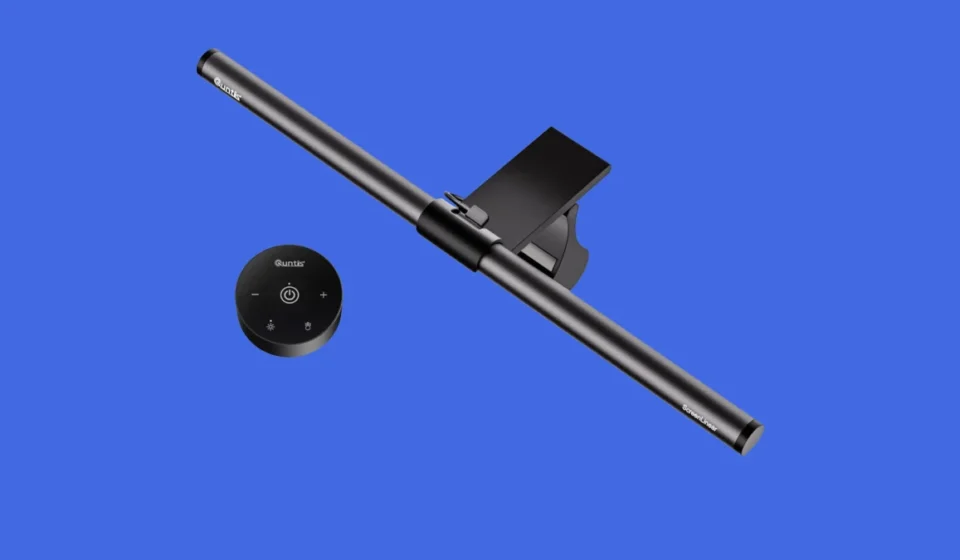
Illuminating Productivity: Why the Quntis Monitor Light is the Home Office Upgrade You Need

As the seasons shift and the daylight hours in the Northern Hemisphere begin their steady decline, millions of remote workers are finding themselves grappling with the seasonal malaise of the "dark desk." Working from home, once a dream of flexibility and comfort, can quickly become a slog when your primary workspace is illuminated only by the harsh, blue-tinted glare of a computer monitor.
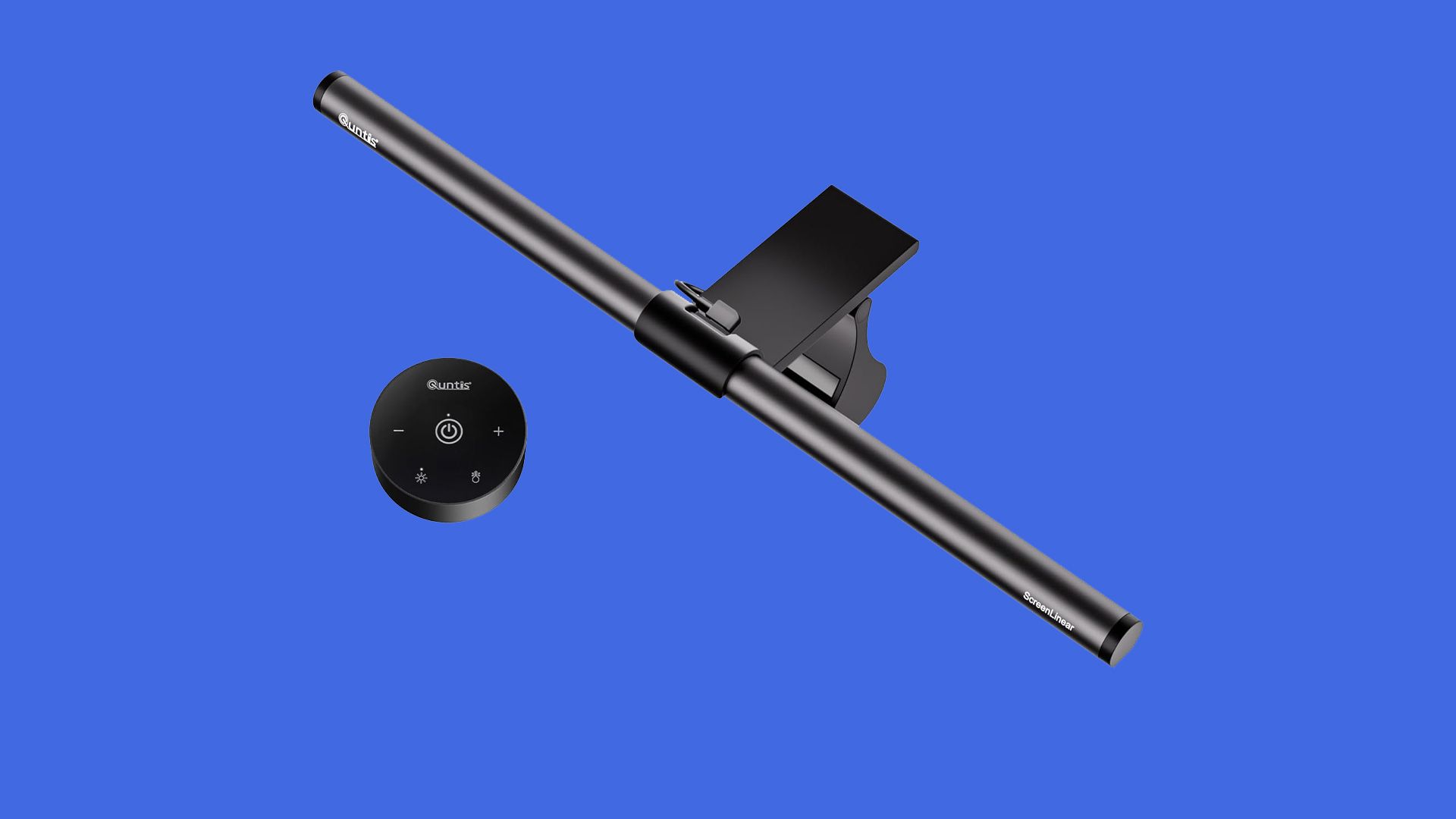
However, a simple yet transformative piece of technology—the monitor light bar—is gaining traction as an essential ergonomic tool. Among the frontrunners in this space is the Quntis Monitor Light, a device that has recently seen a significant price reduction, bringing its professional-grade utility to an accessible $33 price point on Amazon. This article explores why this specific accessory is more than just a desk ornament; it is a vital component for long-term ocular health and sustained creative productivity.
The Main Facts: Enhancing Your Workspace Ergonomics
At its core, a monitor light bar is a specialized task lamp designed to sit atop your display. Unlike a traditional desk lamp, which often creates distracting glare on screen surfaces or consumes valuable desk real estate, a monitor light bar is engineered to project a focused, asymmetrical beam of light.
The Quntis model is specifically designed to eliminate "screen glare"—the reflective nuisance that occurs when ambient light hits your monitor. By casting light downward onto the desk surface and away from the screen, it provides adequate illumination for documents, keyboards, and peripheral tasks without interfering with your digital workflow.
Key Technical Advantages:
- Reduced Ocular Strain: By minimizing the contrast ratio between the bright screen and a dark room, the light bar helps prevent "digital eye strain."
- Ergonomic Footprint: It utilizes the existing space on top of your monitor, freeing up desk surface area.
- Color Temperature Control: Most modern iterations, including this Quntis model, allow users to toggle between cool, energizing light for morning productivity and warmer, softer light for late-night sessions.
For professionals spending eight to ten hours a day at a desk, these small adjustments in lighting quality are not merely aesthetic; they are physiological necessities that mitigate headaches and fatigue.
Chronology: The Evolution of Workspace Lighting
To understand the sudden rise in popularity of monitor light bars, we must look at the evolution of the modern office.
The Pre-Pandemic Era: For decades, office lighting was standardized. Fluorescent overhead lights were the norm, designed to provide uniform illumination for large, open-plan spaces. While efficient, these lights were often criticized for being "sterile" and contributing to a lack of individual control.
The Remote Work Revolution (2020–2022): When the global pandemic forced the workforce home, many employees found themselves working at kitchen tables, makeshift desks, or dark corners of bedrooms. The lack of proper lighting became a primary complaint. During this period, the "monitor light bar" category moved from a niche accessory used by high-end video editors to a mainstream consumer product.
The Current Landscape (2023–Present): Today, we are in a phase of optimization. Workers are no longer just trying to survive the work-from-home experience; they are looking to upgrade their setups for long-term comfort. The Quntis Monitor Light represents this shift—offering premium features at a competitive price point, effectively democratizing ergonomic lighting for the average remote worker.
Supporting Data: The Science of Light and Mood
The correlation between lighting and cognitive performance is well-documented in occupational psychology. According to various lighting studies, the spectral power distribution of our light sources impacts our circadian rhythm and our focus levels.
The Impact on Eye Fatigue
When a room is dark but the monitor is bright, the human eye must constantly adjust its pupil size to accommodate the extreme difference in luminosity. This is known as "flicker-induced fatigue" and high-contrast strain. By using a light bar to create a "balanced zone" of illumination, the contrast ratio is significantly reduced. Data suggests that users who implement task-specific lighting report a 30% reduction in end-of-day eye strain compared to those working in unlit environments.
The Psychological Component
The concept of "Seasonal Affective Disorder" (SAD) is well-understood, but even for those who do not suffer from clinical SAD, the "winter blues" are exacerbated by low-light conditions. Increasing the ambient light in one’s workspace has been shown to improve mood and alertness. By providing a warm, adjustable light source, the Quntis monitor light creates a "cocoon of focus" that can make the transition to dark winter evenings significantly more manageable.
Official Perspectives and Professional Standards
While Quntis is a popular consumer brand, the underlying technology follows standards set by global ergonomic organizations. Ergonomists generally recommend that workspace lighting should be adjustable to account for the time of day and the specific task at hand.
Industry experts emphasize that "the best light is the one that you can control." This is why features such as the dimmable brightness and variable color temperature found in the Quntis light are so highly regarded.
In response to the growing demand for home office upgrades, manufacturers have pivoted toward "human-centric lighting." This philosophy posits that lighting should mimic the natural progression of the sun—cooler in the morning to promote cortisol production (alertness) and warmer in the evening to promote melatonin production (relaxation). The Quntis light, with its remote-control functionality, allows users to bridge this gap, ensuring their home office environment supports their biological clock rather than fighting it.
Implications: Why This $33 Deal Matters
The $33 price point for the Quntis monitor light is not just a bargain; it is a disruption of the "ergonomic tax." Historically, high-quality ergonomic accessories—be it chairs, standing desks, or lighting—have been priced at a premium, often making them inaccessible to students, freelancers, or entry-level employees.
The Democratization of Comfort
When a professional-grade tool becomes available for the price of a takeout meal, it changes the barrier to entry. For many, this $33 investment will be their first foray into proper desk ergonomics. Once a user experiences the reduction in eye strain and the improvement in mood associated with proper task lighting, they are more likely to invest in other ergonomic improvements, such as better seating or keyboard posture.
Long-Term Health Implications
The cumulative effect of working in a poor environment is significant. Chronic eye strain, neck pain from leaning toward the screen to see better, and the mental fatigue of working in a dark room all contribute to "burnout." By addressing the lighting aspect of the workspace, workers are taking a proactive step toward career longevity.
Conclusion: A Small Investment with Large Returns
The Quntis Monitor Light serves as a poignant reminder that the most impactful upgrades to our workspace are often the most subtle. We spend thousands on high-resolution monitors, powerful PCs, and expensive chairs, yet we often neglect the one factor that dictates how we perceive those tools: light.
As we head into the darker months of the year, the value of a well-lit desk cannot be overstated. Whether you are a creative professional editing high-definition video, a developer grinding through lines of code, or a student finishing a late-night thesis, the ability to control your environment is paramount.
With the Quntis monitor light currently available at an exceptional price, there has never been a better time to invest in your own comfort. By reducing eye fatigue and creating a more inviting atmosphere, you aren’t just buying a lamp—you are investing in your productivity, your health, and your ability to thrive in a digital-first world.
Beyond the Quntis: If this model doesn’t fit your specific setup or aesthetic, the market for monitor light bars is robust. From high-end options with automated sensors to minimalist designs that prioritize aesthetics, there is a solution for every desk. However, regardless of the brand you choose, the transition to monitor-based lighting is one of the most effective upgrades you can make for your professional setup this year.