A New Era of Connection: Meetup’s 2026 Roadmap and the Evolution of Digital Community

As the calendar turns toward 2026, Meetup, the world’s largest platform for finding and building local communities, is emerging from a year of profound structural and aesthetic change. The platform, which has long served as the digital bridge to in-person social interaction, is pivoting from a utility-focused service into a more intuitive, human-centric ecosystem. With a successful redesign of its web and mobile interfaces now complete, the company is signaling a shift toward deeper, more meaningful engagement for its millions of organizers and members.
Main Facts: A Pivot Toward Intuitive Connection
The core of Meetup’s recent progress—and its strategic vision for the coming year—is rooted in the belief that digital friction is the enemy of real-world connection. Throughout 2025, the platform implemented a series of high-impact updates designed to stabilize the user experience. These included the rollout of public group reviews, direct-response capabilities for organizers, and seamless integration with Google Calendar, ensuring that event management is no longer a logistical burden.
Following the December 18, 2025, launch of the redesigned mobile experience, the platform has officially moved into its next phase of development. The 2026 roadmap is anchored by three critical pillars:
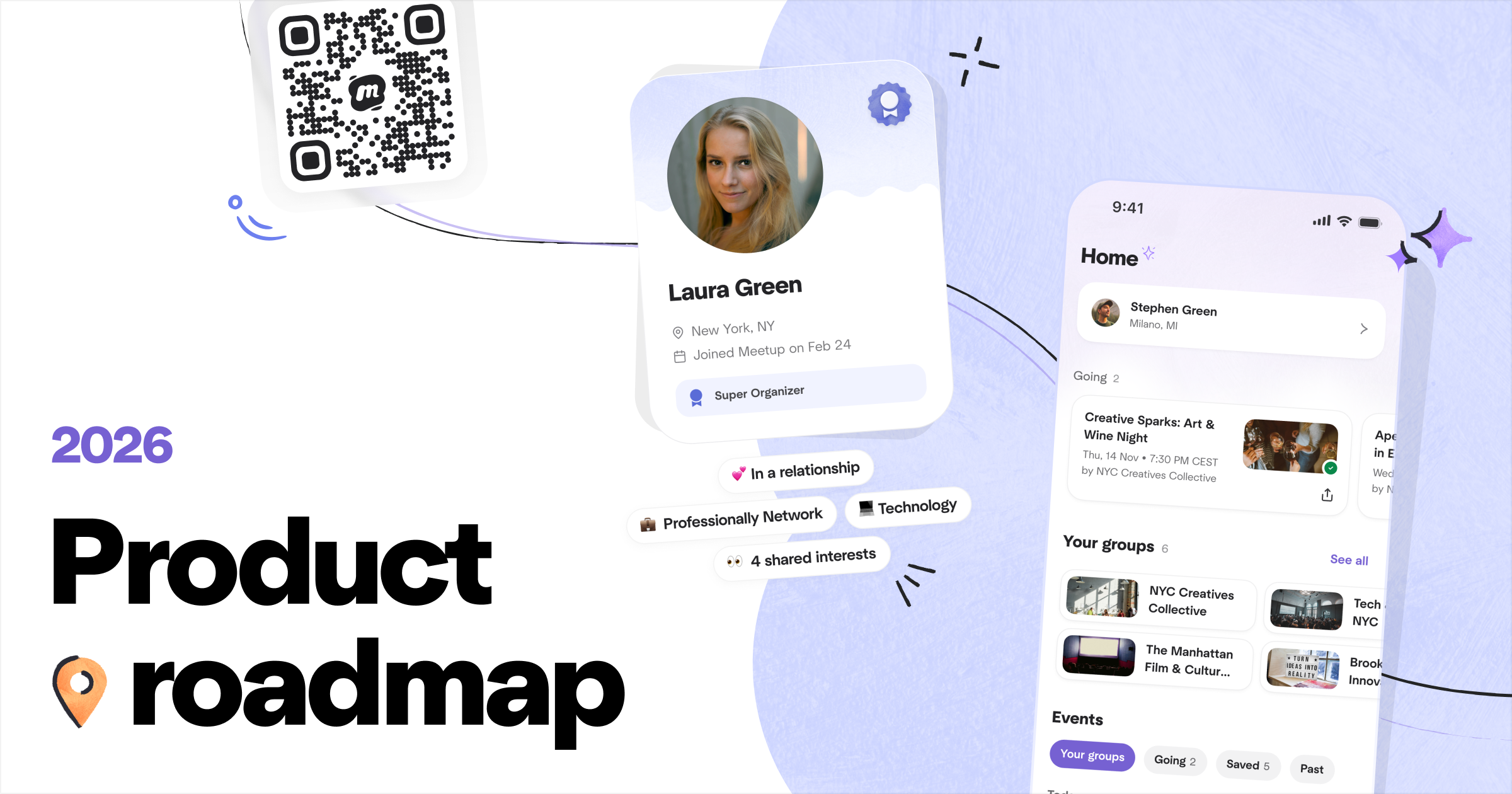
- Modernizing the Interface: Completing the transition to a more inspiring and human-centric design language.
- Effortless Community Building: Streamlining the transition for members to become organizers.
- Building Social Confidence: Providing tools that allow members to show up to events with a sense of familiarity and security.
Chronology of Change: From Utility to Experience
The evolution of Meetup over the last twelve months has been deliberate and data-driven. The journey began with the recognition that while the platform was functionally sound, it lacked the modern, "delightful" interface that users have come to expect from contemporary social technology.
The 2025 Foundation
The first half of 2025 was defined by "reliability and efficiency." By addressing the technical debt and adding essential feedback loops—such as the public review system—Meetup gave organizers the data they needed to improve their groups and members the confidence to join them. This was not merely a cosmetic update; it was a foundational shift to build trust within the community.
The October-December Design Sprint
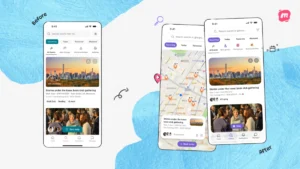
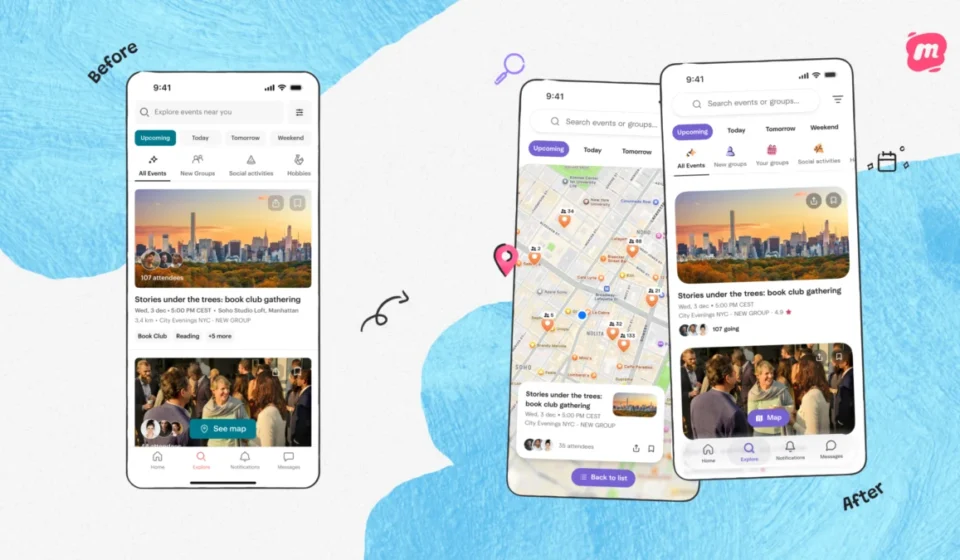
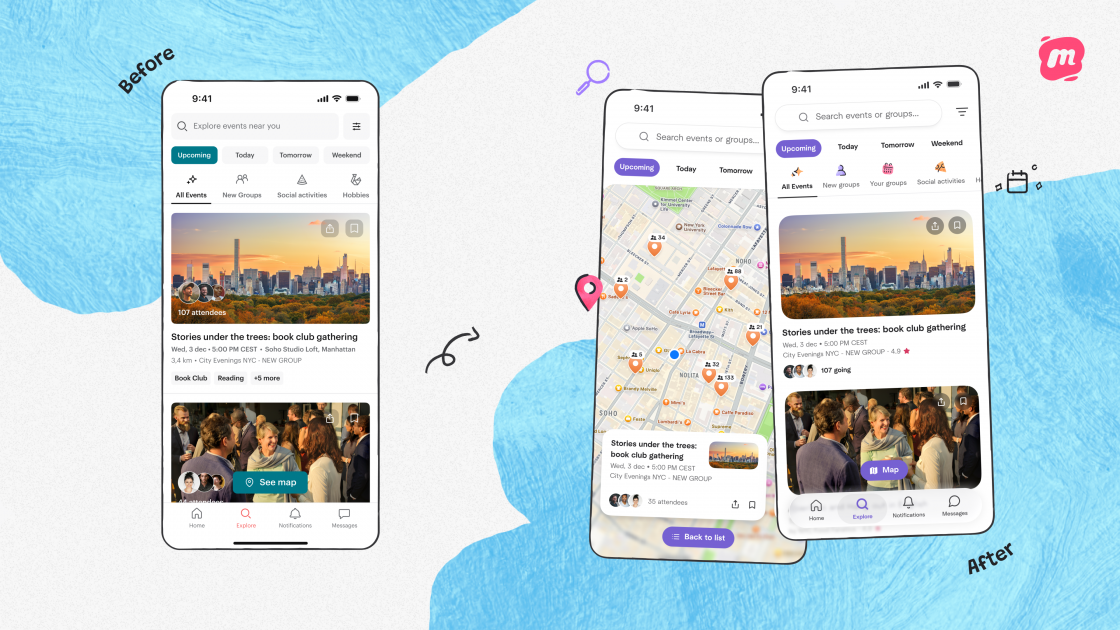
In October 2025, the company launched a complete overhaul of the Meetup Web experience. The redesign moved away from dense, utilitarian layouts toward a more visually immersive, clean, and welcoming aesthetic. By mid-December, this design language was fully integrated into the mobile app, providing a unified, cross-platform experience that feels cohesive whether the user is browsing on a desktop or on the go.
The 2026 Horizon
With the "infrastructure" phase complete, the focus for the first quarter of 2026 and beyond is on the human element. The company is currently in the development phase for features that simplify the "member-to-organizer" pipeline, a critical metric for the platform’s long-term sustainability.
Supporting Data: Why Community Growth Matters
The urgency of Meetup’s current roadmap is supported by internal usage data. A key statistic driving the 2026 strategy is the fact that 75% of Meetup organizers began their journey as members. This organic cycle of participation—where a member attends an event, finds value, and eventually decides to host their own—is the engine of the platform’s growth.
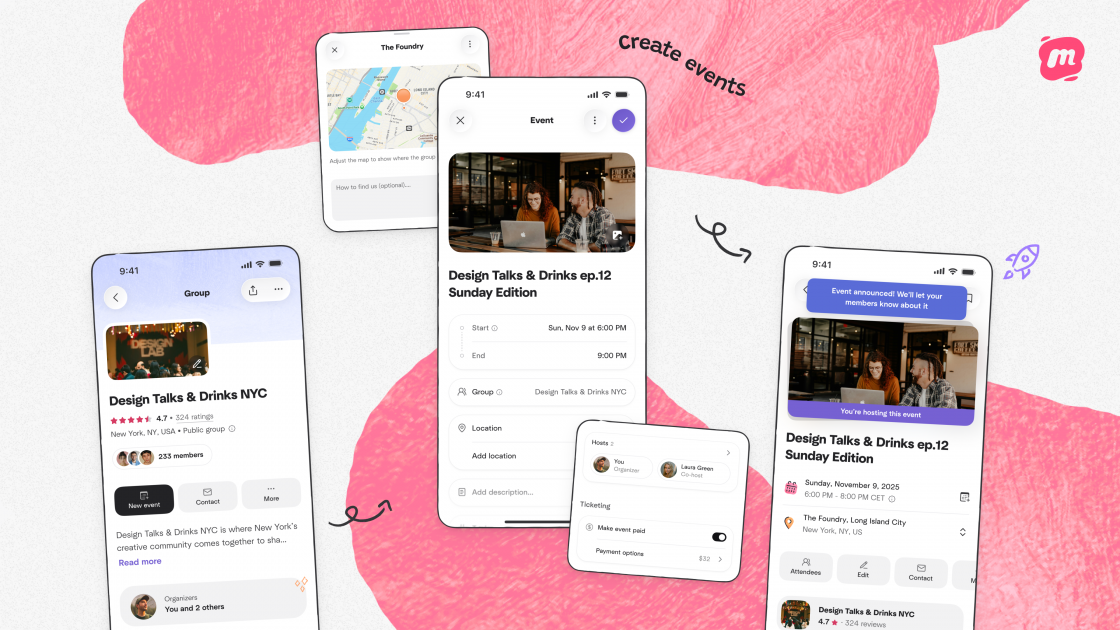
By introducing "Meetup Starter," a free tier designed to remove the financial and administrative barriers to entry, the company has effectively widened the funnel for new organizers. In 2026, the company intends to double down on this growth by making the transition from participant to leader as frictionless as possible. Data suggests that when members are empowered with intuitive tools, the longevity of their communities increases by nearly 30%, as they spend less time managing logistics and more time fostering social bonds.
Official Response: The Vision of Leadership
In a statement reflecting on the year’s progress, the leadership team at Meetup emphasized that the platform is not just about the event, but the "moments that matter" before and after the gathering.
"Our goal was to give the platform a more inspiring and human feel, while keeping its core identity and functionality fully intact," notes the company’s internal communications. "As we head into 2026, our early focus will be on improving the moments that matter most across the entire Meetup experience—before, during, and after an event. We are listening to our organizers and members to decide what to focus on next, ensuring we explore new ways to help people feel more connected."
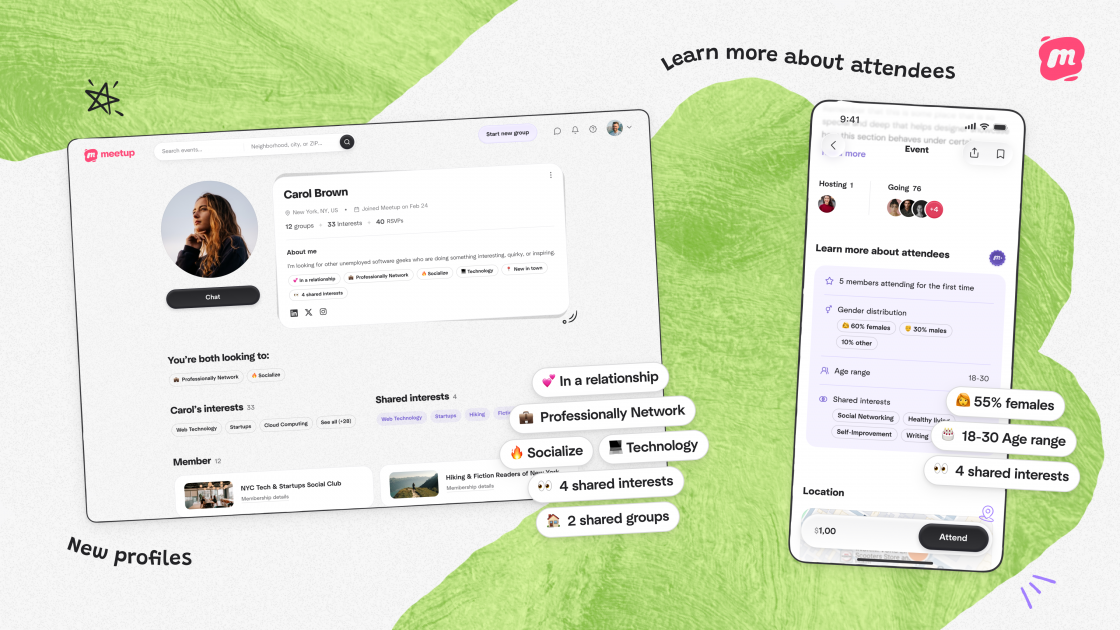
The emphasis here is on "social confidence." The company acknowledges that for many, the prospect of attending a new event can be daunting. By providing richer profile information, better insights into group demographics, and clearer expectations of what to expect at a gathering, Meetup aims to lower the "barrier to entry" for shy or first-time members.
Implications: A More Human-Centric Social Web
The broader implications of Meetup’s 2026 roadmap suggest a significant trend in the social media landscape: the retreat from global, algorithm-driven feeds toward local, interest-based, and human-led gatherings.
1. The Death of Digital Isolation
By focusing on the "local" and the "in-person," Meetup is positioning itself as an antidote to the "doom-scrolling" culture that has permeated other social networks. The move to make community building "effortless" implies that the company wants to turn every neighborhood into a potential social hub, effectively decentralizing the social media experience.
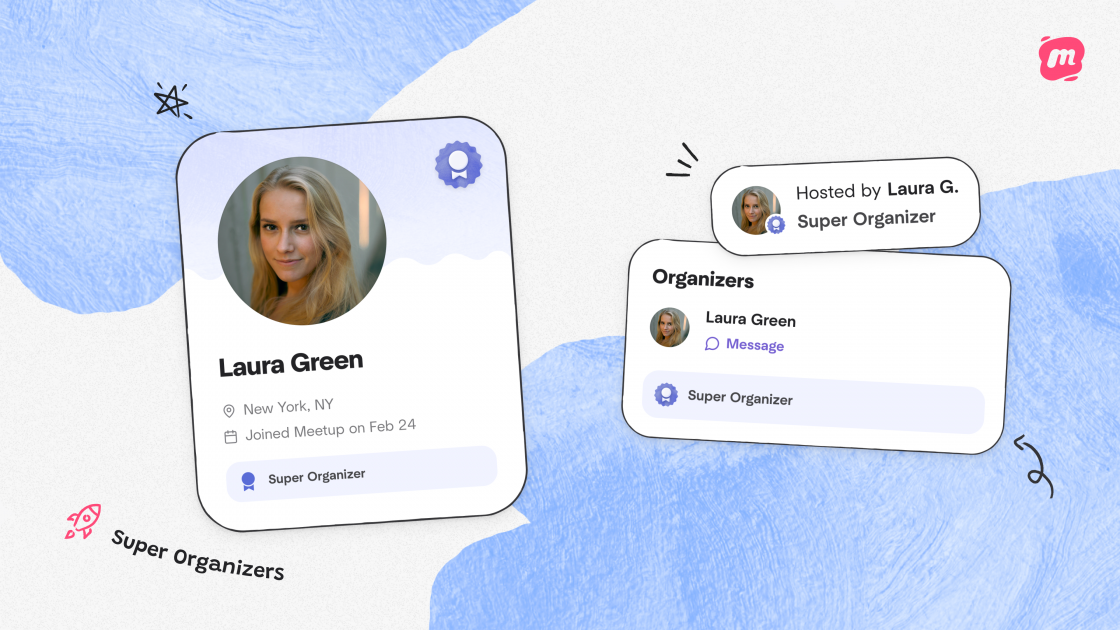
2. Empowering the "Super Organizer"
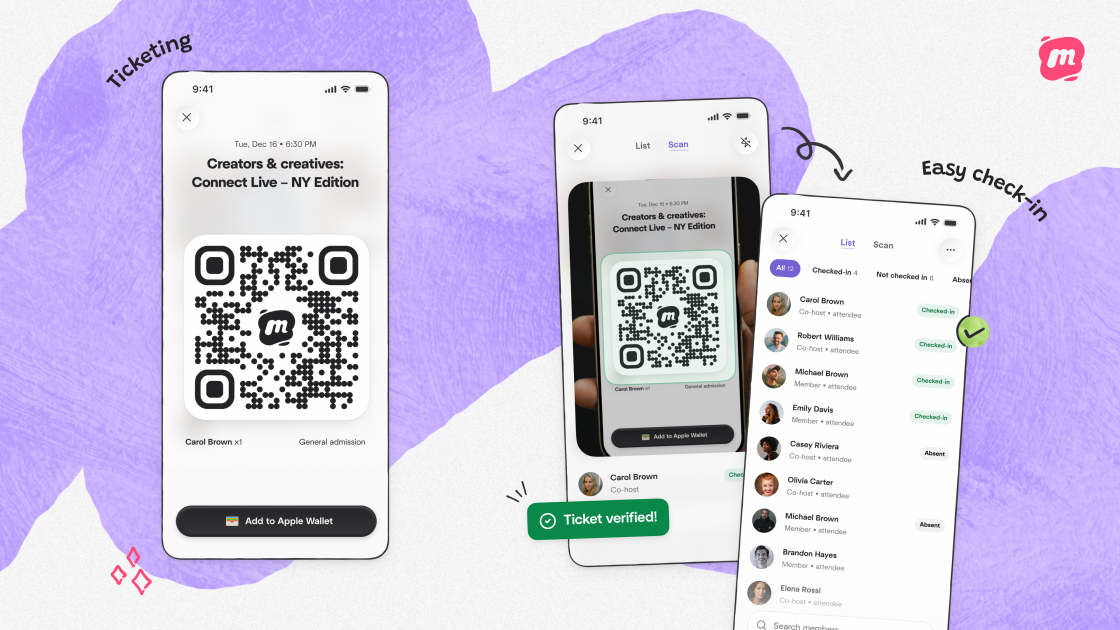
The upcoming initiatives, which include advanced tools for power-users, suggest that Meetup is moving to treat its organizers as "small business owners." By providing them with better ticketing, scheduling, and communication tools, the platform is essentially providing the infrastructure for a "creator economy" focused on real-world events.
3. Safety and Trust
The push for greater profile transparency and improved review systems carries significant implications for community safety. By allowing members to know who they are meeting—what their backgrounds are, what interests they share, and how they have been vetted by the community—Meetup is attempting to solve the "stranger danger" problem that has historically inhibited the growth of offline social networks.
Conclusion: Shaping the Future of Connection
As we move into 2026, the mandate for Meetup is clear: to synthesize the speed and ease of digital technology with the warmth and necessity of human interaction. The transition from a simple event-discovery tool to a comprehensive community-building platform is ambitious, but the groundwork laid in 2025 provides a stable foundation for this growth.
The success of these initiatives will ultimately depend on how well the platform balances the "modern" aesthetic with the "human" touch. If the company can succeed in making the transition from member to organizer seamless, it will likely secure its position as the dominant force in the global movement toward real-world connection.
For the millions of users currently browsing the platform, the message is one of optimism: the digital tools of 2026 are being built to ensure that when you log off and step out the door, the community you find is exactly what you were looking for. As Meetup continues to iterate, the focus remains on the individual, the event, and the enduring human need to belong.