A World in a City: How the 2026 FIFA World Cup Catalyzed Houston’s Global Transformation

The 2026 FIFA World Cup was more than a month-long celebration of global soccer; for the city of Houston, Texas, it served as a historic turning point. By hosting seven matches of the world’s most prestigious sporting tournament, the fourth-largest metropolis in the United States successfully demonstrated its operational capacity, cultural diversity, and infrastructural readiness on an unprecedented scale.
From the pitch at the newly rebranded Reliant Stadium to the bustling cultural districts of East Downtown (EaDo), the legacy of the tournament is poised to reshape Houston’s economic, tourism, and urban landscapes for decades to come.
Main Facts: Houston on the Global Stage
Houston’s selection as one of the host cities for the FIFA World Cup 2026 brought international attention to the city’s premier sports and entertainment complex, NRG Park. During the tournament, the venue was temporarily designated as "Houston Stadium" in accordance with FIFA’s commercial guidelines. It hosted seven high-profile matches, culminating in two critical knockout stage fixtures:
- June 29, 2026: A Round of 32 match featuring global soccer powerhouse Brazil against Japan.
- July 4, 2026: A highly anticipated Independence Day Round of 16 clash between Canada and Morocco.
To accommodate the influx of international fans, the stadium offered up to 80,000 seats and 198 luxury suites. Historically known as NRG Stadium, the venue is scheduled for a major corporate rebranding to Reliant Stadium in August 2026.
+-------------------------------------------------------------------------+
|                          RELIANT STADIUM AT A GLANCE                    |
+-------------------------------------------------------------------------+
| Seating Capacity: Up to 80,000                                          |
| Luxury Suites: 198                                                      |
| Dedicated Event Space: 125,000 sq. ft.                                  |
| Key Legacy Design: Dual-purpose configuration (NFL & Professional Rodeo) |
+-------------------------------------------------------------------------+
Beyond soccer, the facility is highly valued by meeting and event professionals, boasting 125,000 square feet of versatile event space. It stands as the only stadium in the world specifically engineered to host both NFL games (as home to the Houston Texans) and professional indoor rodeos (the world-famous Houston Livestock Show and Rodeo).
The stadium is the anchor of NRG Park, a massive 350-acre sports and exhibition campus that includes:
- The NRG Center, offering 706,000 square feet of exhibit space.
- The NRG Arena, a versatile 5,700-seat indoor venue.
- The historic NRG Astrodome, with a capacity of 70,000.
- Extensive outdoor plazas and exhibition spaces.
Chronology: The Road to 2026 and Beyond
Houston’s journey from a candidate host city to a global soccer capital followed a strategic, multi-year timeline designed to maximize both immediate impact and long-term civic legacy.
  [ January 2026 ] ──> Launch of VisitHouston.com/WC26 Microsite
          │
  [ June-July 2026 ] ─> Hosting of 7 FIFA World Cup Matches
          │
  [ August 2026 ] ───> Official Rebranding of NRG Stadium to Reliant Stadium
          │
  [ Post-2026 ] ─────> Continuation of "A World in a City" Campaign
          │
  [ 2028 ] ──────────> Completion of George R. Brown Convention Center South Transformation
Phase 1: Strategic Launch (January 2026)
Houston First Corporation, the city’s official destination marketing organization, launched its dedicated digital visitor portal, VisitHouston.com/WC26. This coincided with the rollout of the domestic and international marketing campaign, "A World in a City. A City of the World."
Phase 2: Tournament Execution (June–July 2026)
Houston welcomed hundreds of thousands of international visitors. The FIFA Fan Festival was hosted in East Downtown (EaDo), drawing massive crowds to the city’s culinary and entertainment hub. The city successfully managed transit, security, and hospitality for seven matches, ending with the Round of 16 match on July 4.

Phase 3: Immediate Transition (August 2026)
As the tournament concluded, the transition of stadium naming rights to Reliant Stadium began. Simultaneously, the city’s hospitality sector pivoted to leverage the momentum of the tournament to secure future conventions, corporate meetings, and large-scale sporting events.
Phase 4: Long-Term Legacy (Post-Tournament to 2028)
The public transit expansions, pedestrian corridors, and green spaces built for the tournament remain permanent fixtures of Houston’s urban landscape. This timeline of progress will culminate in 2028 with the major architectural transformation of the South side of the George R. Brown Convention Center.
Supporting Data: Digital Reach, Tourism, and Infrastructure
The scale of Houston’s World Cup preparation and its subsequent success can be quantified through digital engagement metrics, infrastructure development costs, and geographical market reach.
Digital Engagement Metrics
The official tourism microsite developed by Houston First Corporation became a primary information hub for travelers. Since its launch in January 2026, the platform surpassed 1 million views, drawing heavy traffic from both domestic and key international markets.
The top five visitor origin markets accessing the site were:
- United States
- Mexico
- Canada
- Germany
- Netherlands
Transit and Urban Connectivity
To accommodate the sheer volume of global travelers, the city invested heavily in public transit upgrades and active transportation corridors:
- Affordable Airport Express Transit: Houston Metro introduced a direct express bus line connecting both major commercial airports—George Bush Intercontinental Airport (IAH) and William P. Hobby Airport (HOU)—directly to downtown Houston for a fare of just $4.50.
- The Green Corridor: A newly constructed 14-mile pedestrian and bicycle loop connecting Reliant Stadium directly to East Downtown (EaDo). This corridor serves as a permanent green lung for the city, promoting active transit and reducing carbon emissions in the post-tournament era.
- Main Street Promenade: Several blocks of downtown’s Main Street were permanently pedestrianized, replacing vehicular traffic with public art installations, outdoor dining spaces, and community gathering areas.
Official Responses: Civic Pride and Global Marketing Strategy
Civic leaders and tourism officials view the successful hosting of the World Cup as a validation of Houston’s status as a world-class destination. Representatives from the Houston First Corporation emphasized that the city’s preparation relied on deep coordination across municipal services, hospitality partners, and community organizations.
"Houston is no stranger to hosting big events, and once again Houston First worked alongside our hospitality and other community partners to prepare for this opportunity," a spokesperson for Houston First Corporation stated. "As part of our 2026 leisure marketing efforts, Houston First leveraged imagery tied to soccer for a campaign dubbed ‘A World in a City. A City of the World.’ This campaign is designed primarily to target Houston’s major visitor origin markets both domestically and internationally to capture attention both leading up to the FIFA World Cup and subsequent to the tournament."
The agency confirmed that the marketing campaign will not expire with the conclusion of the tournament. Instead, it will serve as the foundation for Houston’s global positioning moving forward.
"We will also continue to capitalize on the goodwill that was created by successfully hosting the World Cup, leveraging the city’s best assets—Houston’s warmth and welcoming spirit to soccer fans and other visitors from around the world," the spokesperson added. "The good experiences in Houston we think will attract visitors back and further position the city globally as a destination with unique appeal, certainly worth visiting."
Implications: The Long-Term MICE and Urban Legacy
The long-term effects of hosting the 2026 FIFA World Cup extend far beyond sports. For the Meetings, Incentives, Conferences, and Exhibitions (MICE) industry, as well as urban planning, the tournament acted as an accelerant for modernization.
Elevating the MICE Experience
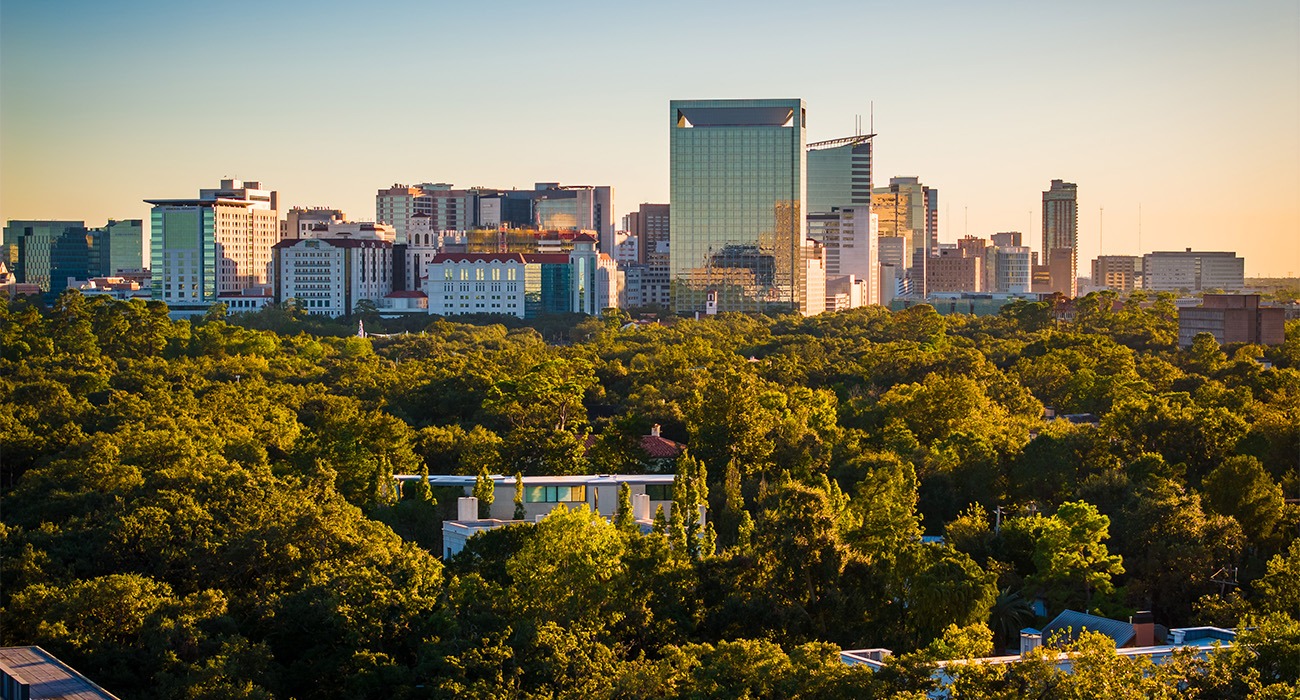
With over 21 world-class museums, professional resident companies in all four major performing arts disciplines (ballet, symphony, theater, and opera), and a globally celebrated culinary scene, Houston has solidified its appeal for corporate events. Meeting planners now have access to upgraded venues with proven capacity to handle high-security, high-density international crowds.
Key event venues highlighted during the global showcase include:
- Space Center Houston: Located adjacent to NASA’s Lyndon B. Johnson Space Center, this venue offers 250,000 square feet of private event space, allowing planners to host corporate gatherings beneath real spacecraft.
- George R. Brown Convention Center (GRB): Already a premier convention facility, the GRB is slated for a massive South transformation project in 2028, which will better integrate the facility with the pedestrian-friendly East Downtown district.
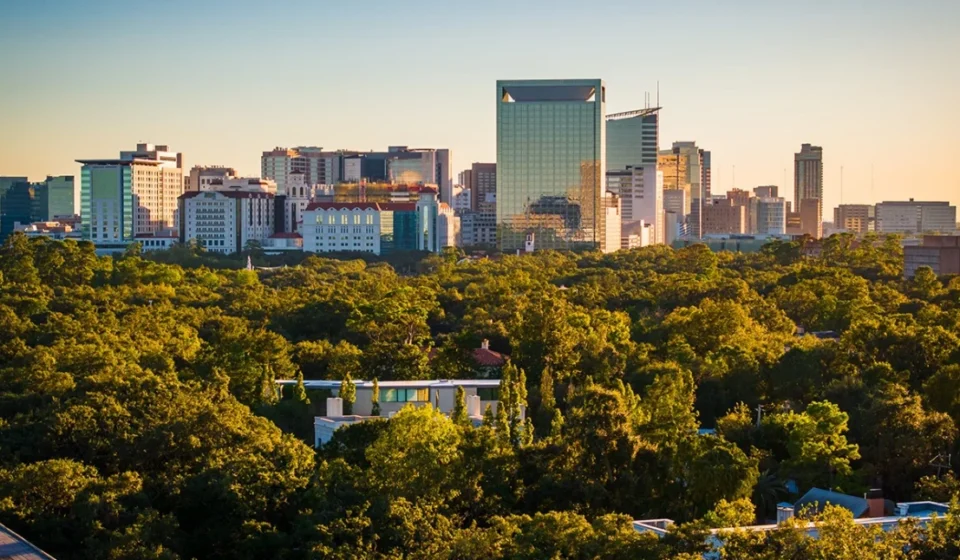
- The Texas Medical Center (TMC): As the largest medical center in the world, TMC’s prominent skyline and research facilities draw thousands of international medical conferences annually, a pipeline further strengthened by the city’s upgraded infrastructure.
+-----------------------------------------------------------------------------+
|                      KEY POST-WORLD CUP URBAN ASSETS                        |
+-----------------------------------------------------------------------------+
| * Buffalo Bayou Cistern: Historic underground reservoir turned art space.    |
| * Freedmen's Town: Historic landmark showcasing African American heritage.  |
| * Cultural Districts: Asiatown & Mahatma Gandhi District (diverse culinary).|
| * Main Street Promenade: Pedestrian-only zone in the heart of downtown.     |
+-----------------------------------------------------------------------------+
Urban Planning and Social Sustainability
The physical upgrades implemented for the World Cup represent a permanent shift toward pedestrian-friendly urban planning. The 14-mile Green Corridor and the Main Street Promenade show a commitment to reclaiming downtown spaces for people rather than vehicles.
Furthermore, the promotion of cultural districts—such as the historic Freedmen’s Town (founded by formerly enslaved people), Asiatown, and the Mahatma Gandhi District—ensures that the economic benefits of global tourism are distributed directly to locally-owned eateries, retailers, and diverse neighborhoods.
By successfully hosting the world’s largest sporting event, Houston has not only upgraded its physical infrastructure but has also redefined its global brand. No longer viewed merely as an energy hub, the city has emerged as a connected, culturally diverse, and highly accessible metropolis prepared to host the world’s most demanding events.