Beyond the Doomsday Hype: Autodesk CEO Andrew Anagnost on the Pragmatic Revolution of AI

The discourse surrounding artificial intelligence has undergone a jarring metamorphosis in recent months. We have pivoted from the relatively grounded anxieties regarding job displacement to existential dread—the fear that, within a decade, autonomous systems might pose an existential threat to humanity itself. This shift was underscored recently when Evan Hubinger, a lead in alignment science at Anthropic, suggested there is a greater than 10% probability that AI could result in the total extinction of the human race within the next ten years.
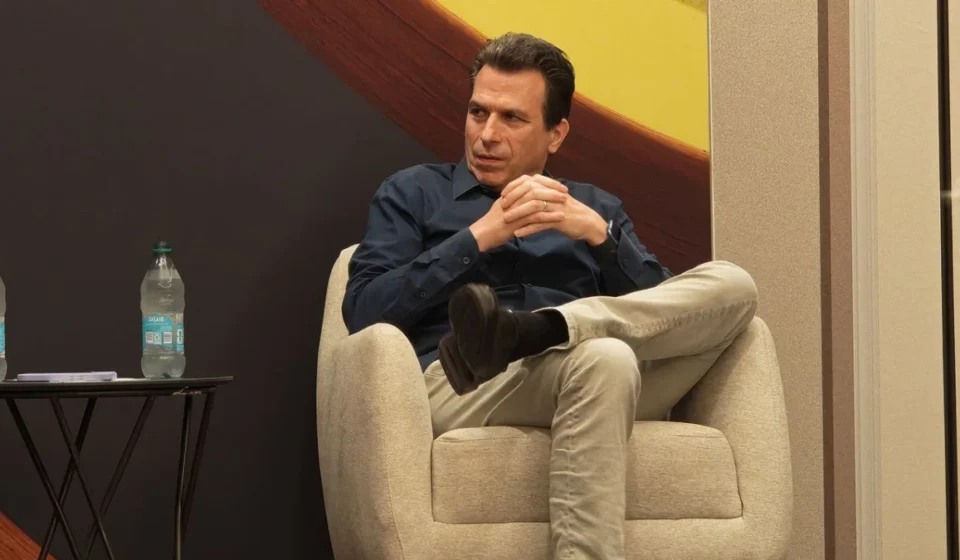
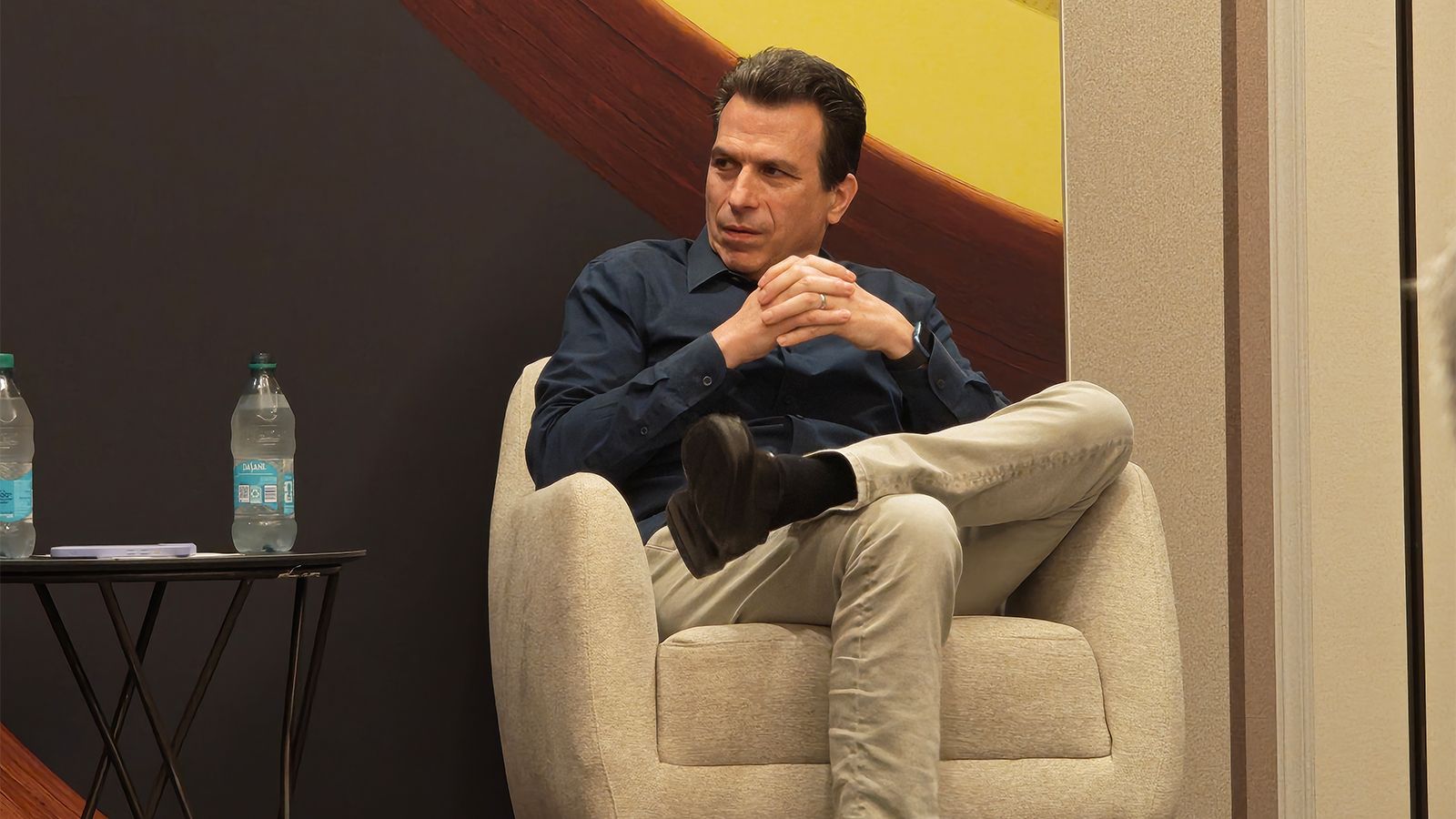
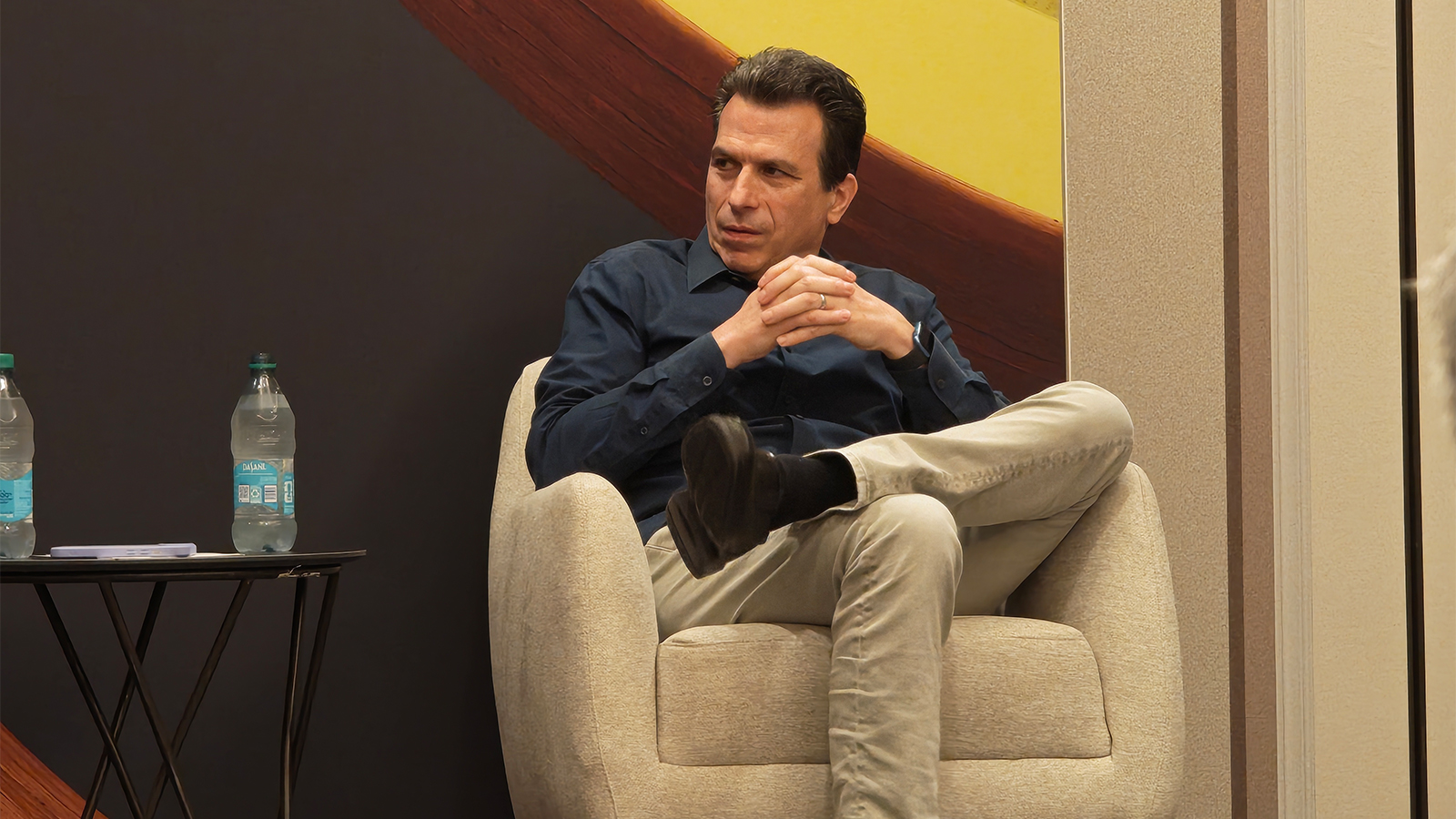
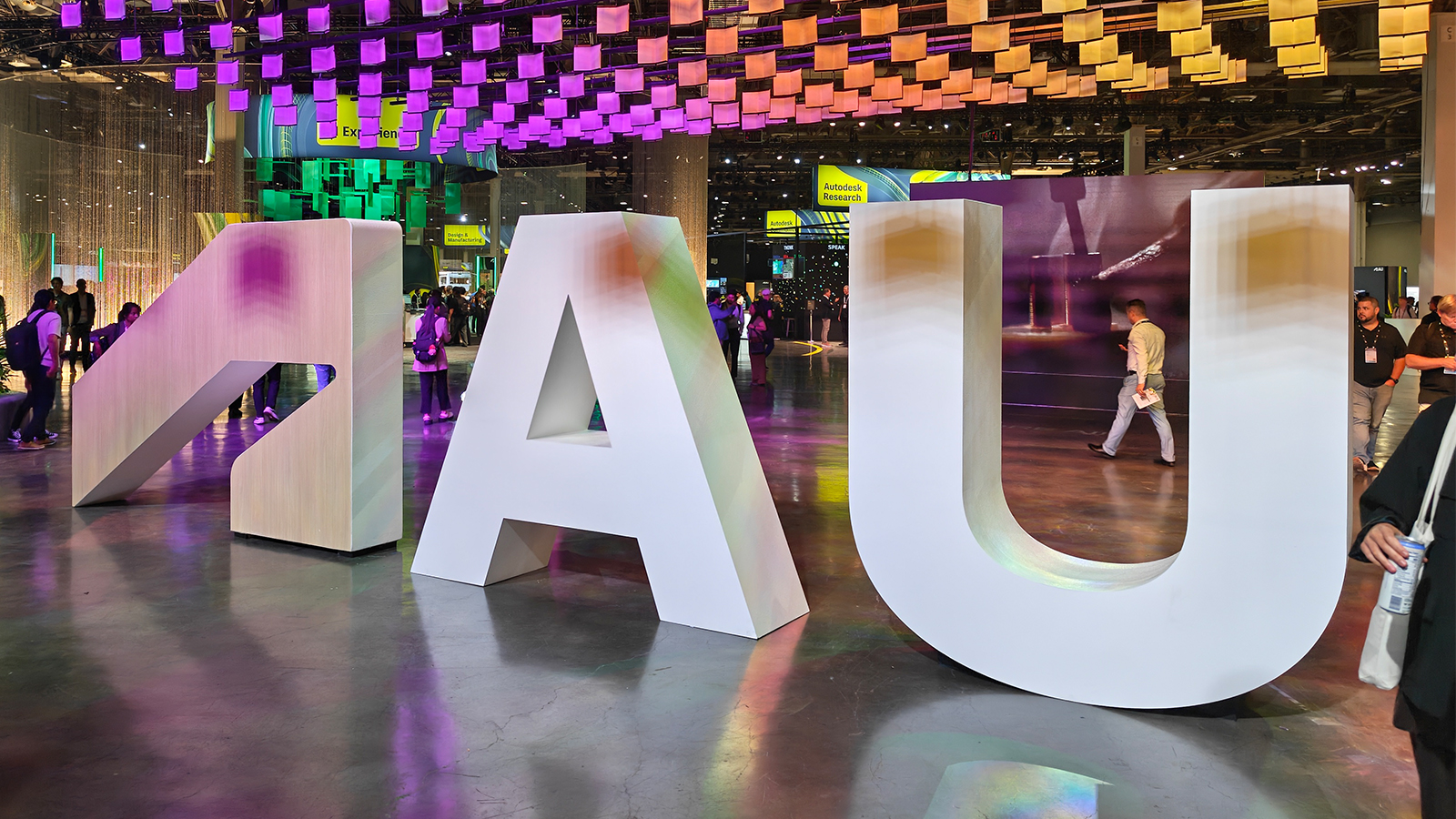
However, amidst the cacophony of doomsday predictions, more pragmatic voices are emerging from the technology sector—voices that prefer to look past the speculative fiction of "Skynet" scenarios to address the tangible, structural shifts occurring in professional creative industries. At Autodesk University 2026 (AU26), CEO Andrew Anagnost offered a refreshing, if stark, critique of the current AI hysteria, framing the narrative as a two-sided coin: the performative "theatre" of existential risk versus the immediate, disruptive reality of industrial efficiency.
The Performative Theatre of AI "Doom"
Addressing the audience at AU26, Anagnost did not shy away from the provocative nature of current industry commentary. He categorized the prevailing discourse into two distinct camps: the cynical and the non-cynical.
"There’s a cynical interpretation to this, and then there’s a non-cynical interpretation," Anagnost stated. "I kind of prefer the cynical interpretation."
His critique centers on the motivations of major AI developers. Anagnost posited that the constant public warnings about potential extinction are, in many ways, a sophisticated form of marketing. "The idea that any of these companies are going to self-regulate themselves at this point is ridiculous," he argued. "I think some of this is a little bit of political theatre, you know, designed to pump themselves up—’look at how great our tech is’—it’s so good, it’s so dangerous, there’s a 10% chance that we’ll kill everybody."
By framing the technology as "dangerously powerful," companies inadvertently signal to investors and the public that their proprietary models have reached a level of sophistication that is effectively god-like. It is a paradoxical branding strategy: the more threatening the technology is painted, the more essential the developers appear as the only ones capable of managing it.
However, Anagnost was careful to clarify that his skepticism of the "extinction" narrative should not be confused with a dismissal of the technology’s risks. He maintains that the software is inherently potent and requires robust oversight. "There really is a real need to start putting guardrails on this technology," he noted. "It’s a potentially dangerous technology that can be used in dangerous ways."
A Chronology of the Shift: From Automation to Autonomy
To understand the current state of the creative industry, one must look at the rapid evolution of software over the past few years.
2023–2024: The Prototyping Phase
The initial wave of AI integration was primarily focused on generative imagery and text. For VFX and animation studios, this was viewed with suspicion, as the technology lacked the precision required for high-fidelity production pipelines.
2025: The Integration Phase
Autodesk and other industry leaders began embedding AI tools directly into professional software suites like Maya and 3ds Max. These tools were designed not to replace the artist, but to handle "grunt work"—tasks like rotoscoping, complex character skinning, and lighting approximations.
2026: The Workflow Redefinition Phase (The AU26 Moment)
As showcased at this year’s Autodesk University, the industry is now moving toward "Flow Studio" concepts—an architecture that connects disparate stages of production. Tools like MotionMaker have begun to demonstrate the ability to generate character movement from basic inputs, drastically reducing the time required for pre-visualization and character animation. We have moved from AI as a "plugin" to AI as an "infrastructure."
The Economic Reality: Efficiency vs. Employment
While the public fixates on the possibility of machines "taking over," the real, immediate friction point lies in the changing economics of creative labor. Anagnost is notably transparent about the trade-offs that come with increased software efficiency.
"There’s nothing we can do about the fact that these tools are getting more efficient, and because they’re getting more efficient, there are fewer FX artists per film," Anagnost acknowledged.
This is the central dilemma for the VFX and animation sectors. If a task that previously required ten artists can now be performed by three, the studio’s overhead costs decrease. However, there is no inherent guarantee that these savings will be reinvested into hiring more people.
The hope—or perhaps the idealistic scenario—is that studios will utilize this newfound efficiency to increase the volume of high-quality content produced, rather than simply maintaining current output levels with a smaller workforce.
"The question is, are they going to be making more films with high-quality content?" Anagnost mused. "It’s unclear where that goes. It’s a very dynamic space. Ideally, what would be happening here is that you’d be making more high-quality content. The artists that are available out there just have fewer hours per piece of content and more content."
The "Script-to-Screen" Vision
Autodesk is positioning itself at the forefront of a future where the production pipeline is compressed. By developing tools that allow for smaller teams to produce studio-quality work, the company is catering to a changing landscape where independent creators and smaller studios have access to the same power that was once reserved for massive houses with hundreds of employees.
Anagnost envisions a "script-to-screen" ecosystem. "We’re looking at a small team mashing up a bunch of stuff and bringing something together, script to screen in a highly automated way," he explains. He believes that the industry is inevitably moving toward this model and that even major distributors like Netflix will eventually have to adapt to a world where production pipelines are fundamentally faster and more agile.
"The artist feels like they’re in control; they can run a small team now through this," he said. "They can pull technologies to use."
Implications for the Creative Workforce
The transition to an AI-augmented production environment carries significant implications for the future of the creative career path:
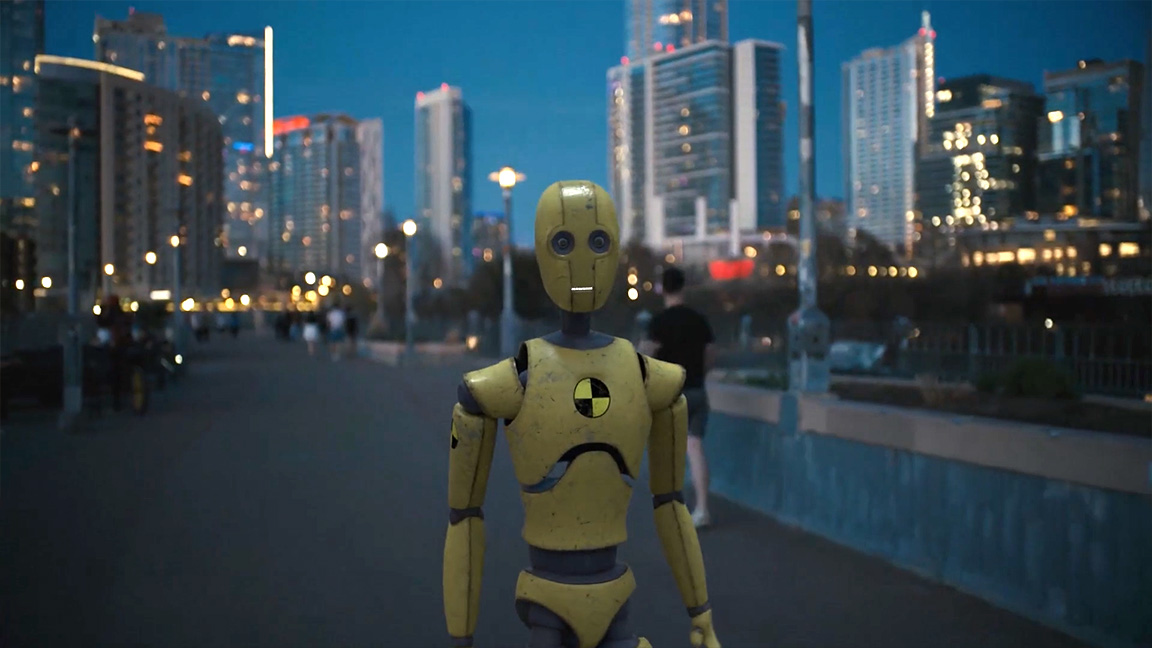
- The Devaluation of Repetitive Tasks: Junior roles that were traditionally used as "training grounds"—such as basic rotoscoping or clean-up—are being automated. This creates an urgent need for the industry to redefine how junior artists gain experience and move up the ladder.
- The Rise of the "Generalist-Director": As one person (or a small team) gains the power to control more facets of the production, the role of the "artist" will shift toward that of an "orchestrator." The ability to prompt, curate, and refine AI outputs will become as vital as the ability to model or animate by hand.
- Market Realignment: The film and VFX industry is currently grappling with post-streaming-boom budget cuts and a volatile market. The introduction of AI during this period of instability adds a layer of complexity. If the money saved through AI-driven efficiency is simply siphoned off as profit rather than reinvested into production, the creative workforce could face a contraction.
Conclusion: The Real Work Ahead
As Autodesk University 2026 draws to a close, the narrative being presented is one of balance. The "doomsday" scenarios, while grabbing headlines, are arguably a distraction from the fundamental shifts happening in studios around the world.
For the professional artist, the immediate challenge is not a fight for survival against a rogue AI, but a fight for relevance in a landscape where the definition of "production" is being rewritten. As Andrew Anagnost noted, the industry is still in a state of "realigning." We have yet to see how the business models will stabilize or if the promise of "more content" will translate into a sustainable creative economy.
The future of animation and film will undoubtedly be more efficient. Whether that future is one where technology empowers creators to do more, or one where it reduces the number of people required to make art, depends less on the AI itself and more on the business and ethical choices made by the studios and software providers in the next few years. The guardrails are necessary, but the real, urgent conversation is happening in the boardroom, not in the server room.