Beyond the Live-Action Rut: Why Disney Should Flip the Script and Embrace Animation

For decades, the Walt Disney Company has been synonymous with the pinnacle of animation. From the hand-drawn elegance of Snow White and the Seven Dwarfs to the technical marvels of the Pixar era, the studio’s identity was forged in ink, paint, and later, digital polygons. Yet, in recent years, a palpable shift has occurred. The "Disney Magic" that once felt synonymous with bold, new animated worlds has been redirected toward a systematic, industrial-scale reimagining of its own back catalogue—this time in live-action.
While these photorealistic remakes of The Lion King, The Little Mermaid, and Aladdin have undoubtedly generated massive box office revenue, they have also sparked a growing fatigue among audiences and critics alike. The complaint is consistent: these films are technically proficient but lack the soul, the kinetic energy, and the visual daring of their animated predecessors. As the studio continues to lean into this "reheat and serve" strategy, a question arises: what if Disney stopped looking to live-action as the ultimate goal for its intellectual property and instead looked toward the boundless potential of animation to revitalize its forgotten live-action gems?
The Case for a Reverse-Adaptation Strategy
The current industry trend suggests that "live-action" is the final, superior state of a film. However, the success of Sony Pictures Animation’s Spider-Verse franchise has shattered this hierarchy. By embracing the medium of animation, the Spider-Verse films achieved something no live-action superhero movie could: they brought comic books to life in a way that felt authentic to the source material. They utilized clashing art styles, painterly textures, and frame-rate manipulations that are physically impossible to replicate in reality.
This is the "Spider-Verse effect"—the realization that animation isn’t a stepping stone toward live-action, but an artistic destination in its own right. If Disney were to pivot and apply this level of creative risk-taking to its own live-action archive, the results could be transformative. Instead of trying to force 20th-century cult classics into the constraints of modern photorealism, Disney could use animation to strip away the limitations of the era in which those films were originally made.
A Chronology of Potential: From 1954 to the Modern Era
Disney’s vault is filled with live-action films that possess incredible concepts hampered by the technical limitations of their time. By revisiting these through a stylized, animated lens, the studio could correct historical flaws while introducing these stories to a new generation.
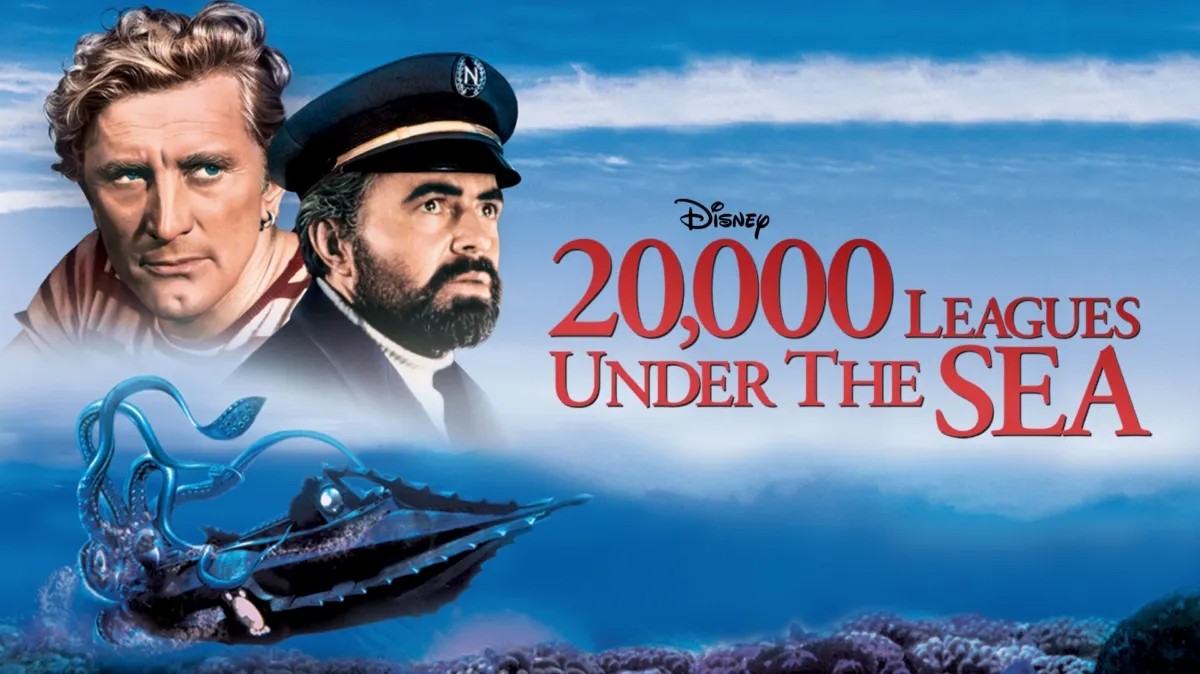
1. 20,000 Leagues Under the Sea (1954)
The original Jules Verne adaptation is a masterclass in production design, but the constraints of 1950s practical effects—while charming—hinder the scale of the adventure. Imagine a steampunk-inspired animated epic. The Nautilus could be a sprawling, baroque marvel, and the encounter with the giant squid could be transformed into a terrifying, high-stakes ballet of shadow and bioluminescence that live-action simply cannot capture.
2. The Black Hole (1979)
Released in the shadow of Star Wars, this film remains one of Disney’s most ambitious and misunderstood projects. It was dark, gothic, and featured a truly menacing antagonist in the robot Maximilian. However, the film suffered from a disjointed narrative and a confusing finale. An animated remake could lean into the existential horror of the premise, turning the "Black Hole" into a visual masterpiece of surrealist animation, finally giving the film the coherent, mind-bending conclusion it deserved.
3. Return to Oz (1985)
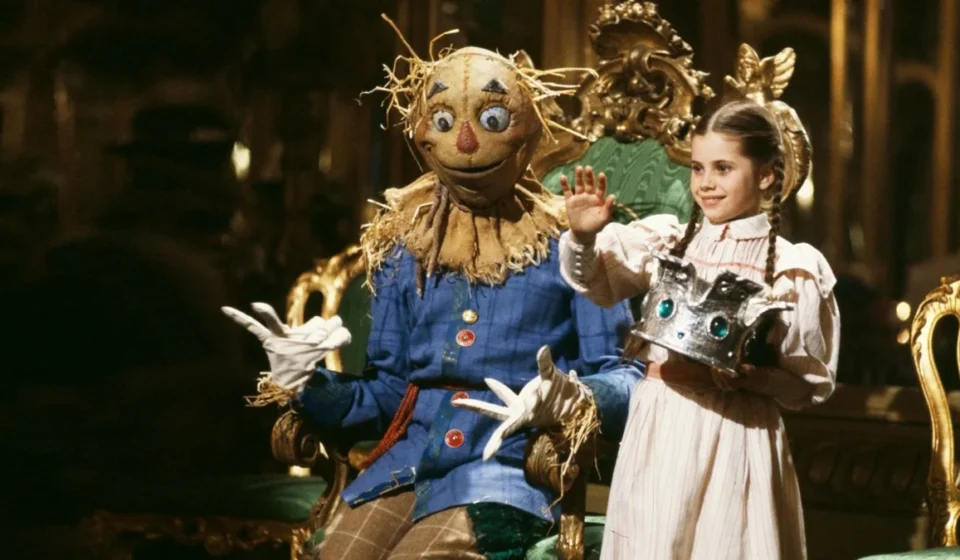
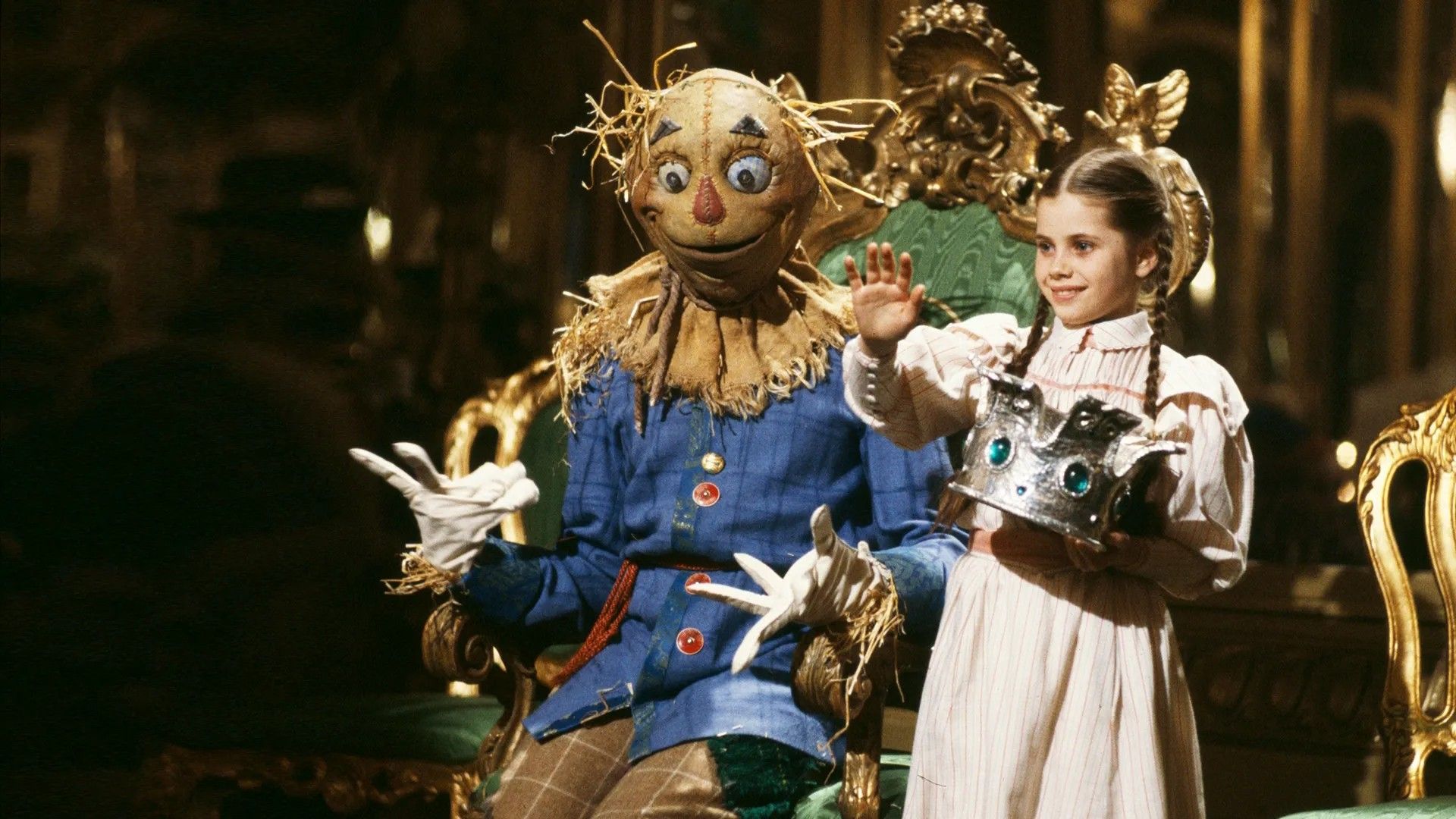
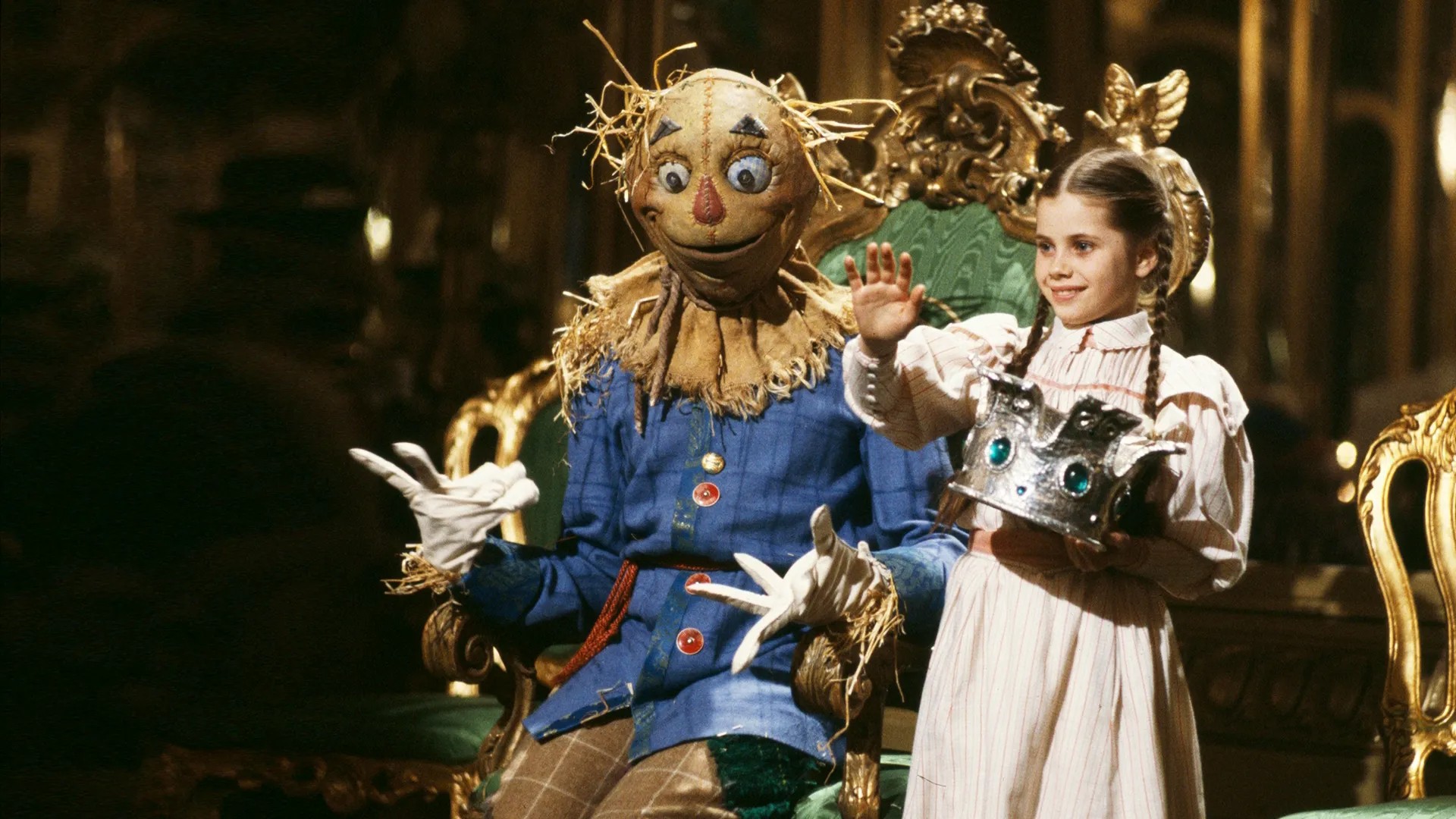
A cult classic that is infamous for its ability to "traumatize" a generation, Return to Oz was a darker, grittier take on the source material. It already utilized stop-motion for the Nome King. A full-scale, stop-motion animation remake would be the perfect way to lean into the film’s inherently eerie aesthetic. It would allow for a tactile, "uncanny valley" quality that perfectly suits the surreal, decaying landscape of the Emerald City.
4. Condorman (1981)
Perhaps the most "meta" candidate, Condorman centers on a comic-book artist who gets swept up in a Cold War espionage plot. The original failed to connect, but the premise is ripe for a Spider-Verse treatment. A hero who literally lives inside the logic of a comic book demands a visual style that shifts between panels, ink-wash backgrounds, and dynamic lettering.
Supporting Data: Why Audiences Are Ready for a Change
The financial performance of "reboot culture" has shown signs of plateauing. While Disney’s live-action remakes often cross the billion-dollar mark, their critical scores are frequently lower than the original animated films. The "uncanny valley" effect—the discomfort felt when viewing hyper-realistic animals that talk—often undermines the emotional connection audiences have with these characters.
In contrast, animated films such as Puss in Boots: The Last Wish and the Spider-Verse series have proven that audiences are hungry for "stylized" animation. These films prioritize art direction over photorealism, leading to higher audience satisfaction scores and a greater sense of visual longevity. For Disney, shifting the strategy from "live-action" to "elevated animation" could solve the current "flatness" problem. It would provide the nostalgia that shareholders demand while offering the creative freedom that artists crave.
Official Responses and Corporate Strategy
To date, the Walt Disney Company has remained focused on the commercial viability of live-action adaptations, citing their massive global appeal and synergy with Disney+. However, the company is not blind to the shifting tides of the animation industry. During recent shareholder meetings, CEO Bob Iger has emphasized the need for "quality over quantity" and a return to the studio’s core storytelling roots.
While no official announcements have been made regarding a move to animate live-action back-catalog items, the success of Pixar and Walt Disney Animation Studios continues to be the bedrock of the company’s brand identity. Industry analysts suggest that if the live-action remake trend continues to see diminishing returns in terms of critical reception, the company will be forced to pivot. The "Reverse-Adaptation" model offers a middle ground: it leverages established IP while potentially lowering production costs associated with complex CGI-heavy live-action shoots.
The Implications of a New Creative Path
If Disney were to pursue this, the implications for the wider film industry would be profound. It would signal the end of the "live-action is superior" era and usher in a renaissance for animation as a medium for all genres, not just children’s comedy or fantasy.
- Creative Liberation: Animation allows directors to ignore the laws of physics. For films like Pirates of the Caribbean, this could mean the return to the high-seas fantasy without the bloated, repetitive narrative structure of the later sequels.
- Preservation of Legacy: Many of the films mentioned are currently gathering dust in the vault. Remaking them as animations preserves the story while allowing the "original" to remain a standalone classic.
- Audience Engagement: Parents who grew up with these films are currently the primary ticket buyers. A stylistic, high-quality animated version of The Black Hole or 20,000 Leagues would hit that "nostalgia sweet spot" while offering their children something visually fresh and distinct from the saturation of live-action superhero films.
Conclusion: The Future is Drawn
The dissolution of old certainties—like the sterile, minimalist branding of our favorite fast-food chains or the disappearance of physical storefronts—can feel like a loss of identity. Disney, too, risks losing its unique identity if it continues to merely mirror reality rather than create it.
The company was built on the foundation that "it all started with a mouse" and a drawing. To regain its creative edge, perhaps Disney needs to stop looking at its live-action library as a collection of blueprints for reality and start seeing them as canvases for the impossible. Whether it’s the steampunk depths of the Nautilus or the cosmic terror of a black hole, the tools are already in the studio’s hands. It is time for Disney to stop trying to compete with reality and start, once again, creating the magic that only animation can provide. The technology is here, the stories are waiting, and the audience is ready to be enchanted all over again. How about it, Burbank?