
In an era defined by digital fragmentation and a growing crisis of loneliness, the role of community-building platforms has never been more critical. Meetup, the veteran leader in local event discovery and group organization, has officially unveiled its most comprehensive visual and functional overhaul in recent history. The redesign, which launched today on web platforms, marks a strategic pivot designed to marry the platform’s long-standing utility with a modern, vibrant aesthetic that resonates with a younger, increasingly "digitally fatigued" demographic.
The Core Transformation: Balancing Legacy and Modernity
For over two decades, Meetup has served as a digital town square, facilitating millions of real-world interactions. The challenge, however, has been evolving the user interface (UI) to feel current without alienating the loyal organizers who have anchored the platform since its inception.
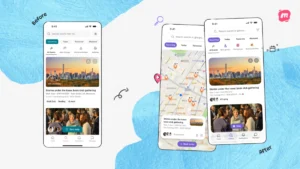
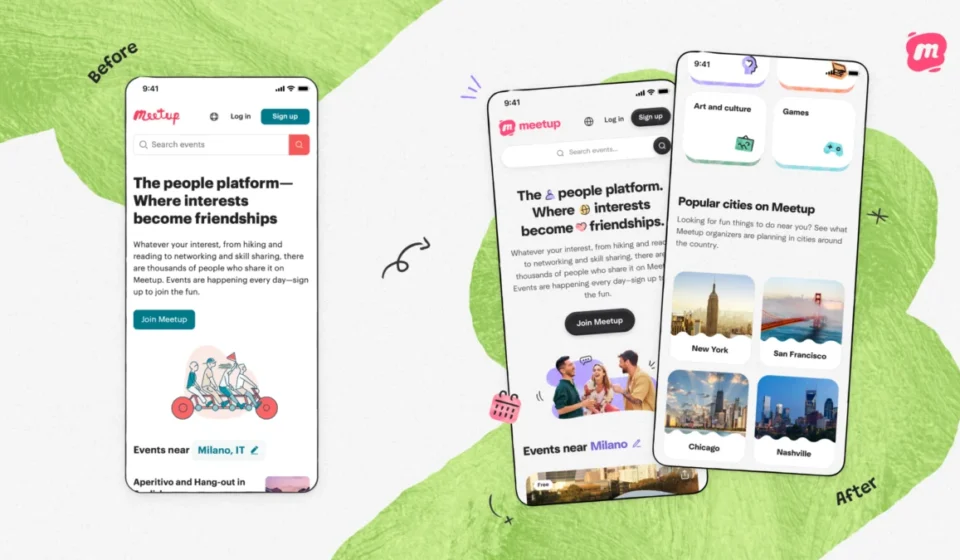
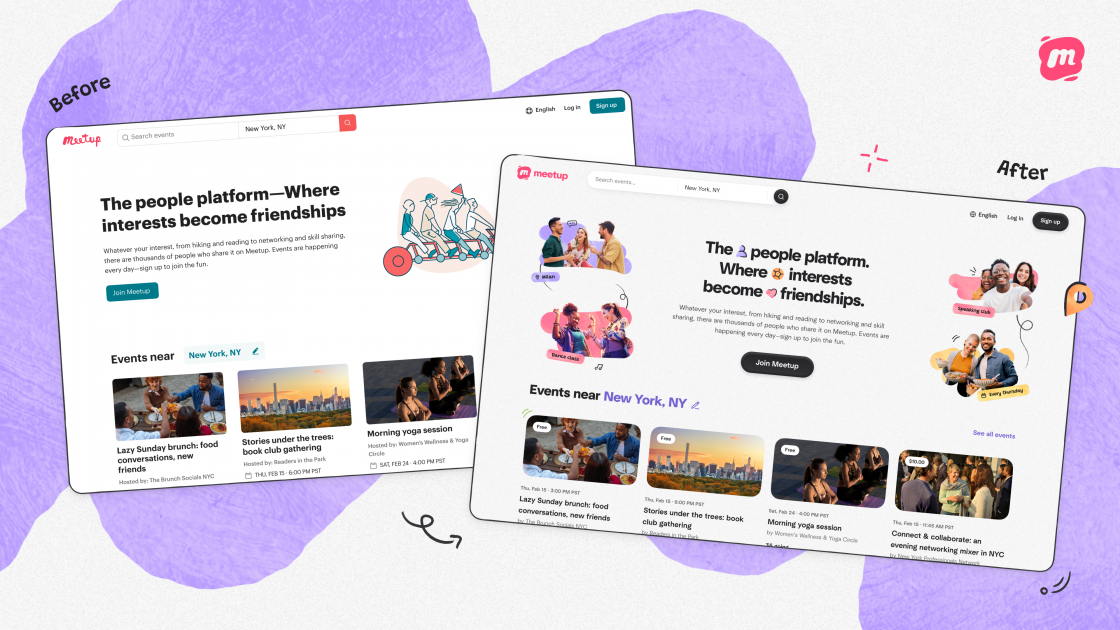
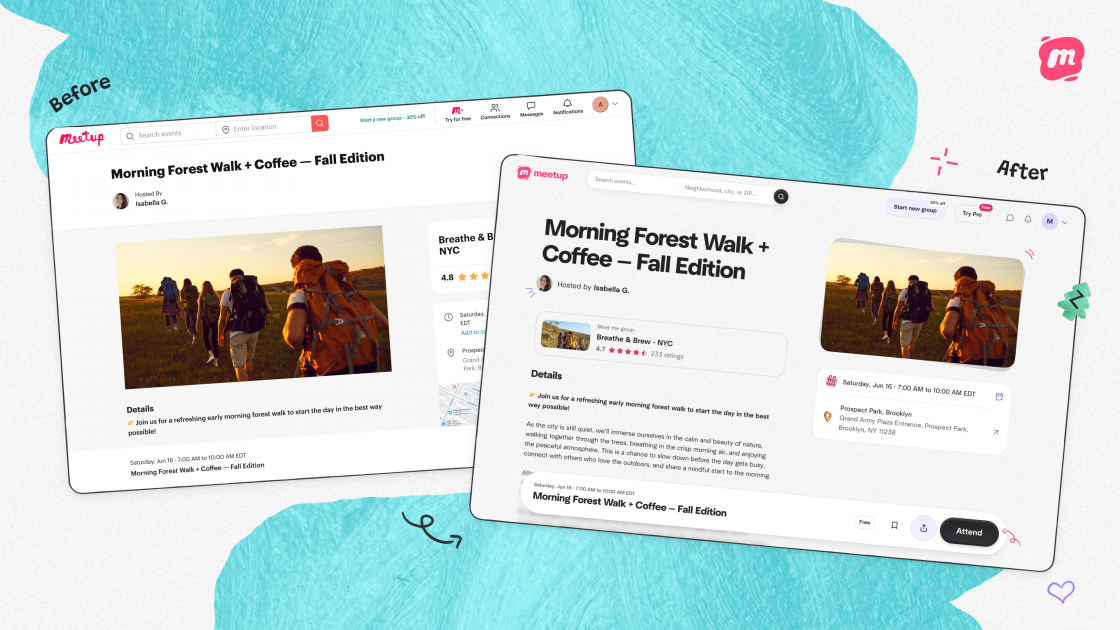
The new visual identity is defined by a departure from the platform’s previous, more utilitarian aesthetic. The updated look incorporates a more dynamic color palette, cleaner typography, and a refined layout that prioritizes content discoverability. Despite the significant visual shift, the leadership team at Meetup has been quick to reassure its user base that the "plumbing" of the site—the core navigation and event-creation workflows—remains untouched.
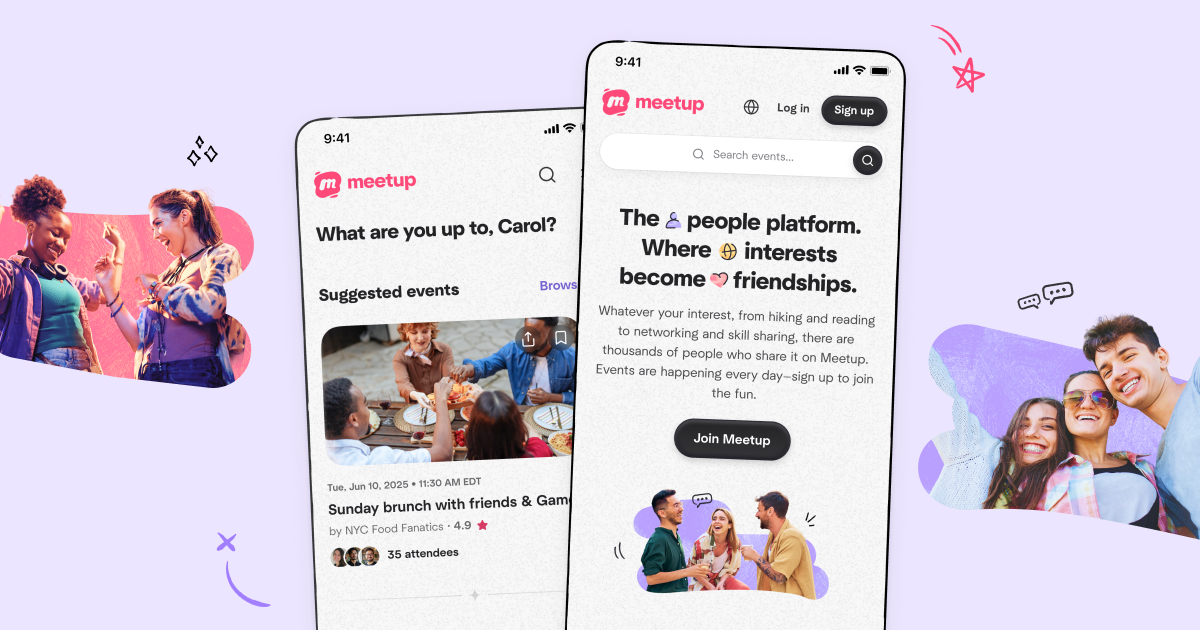
"We wanted to make the platform a more engaging and inspiring space for fostering human connections, while preserving the core identity and functionality that has anchored the community since Meetup’s earliest days," the company stated in its official launch announcement. By keeping the foundational pathways familiar, the platform aims to minimize the learning curve for power users while providing a more inviting "front door" for newcomers.
A Chronology of Change: The Path to the New Meetup
The seeds for this redesign were sown shortly after Meetup’s acquisition by Bending Spoons in early 2024. The transition to new ownership initiated a period of rapid product development aimed at addressing technical debt and revitalizing the user experience.
- Early 2024: Meetup joins the Bending Spoons portfolio, signaling a shift toward aggressive product modernization.
- Mid-2024: A series of incremental updates were introduced to the platform, focusing on backend stability and minor UX improvements, setting the stage for larger changes.
- Q1–Q3 2025: The product team began iterative testing of the new design language, focusing on creating a "vibrant" and "social" atmosphere that aligns with modern web standards.
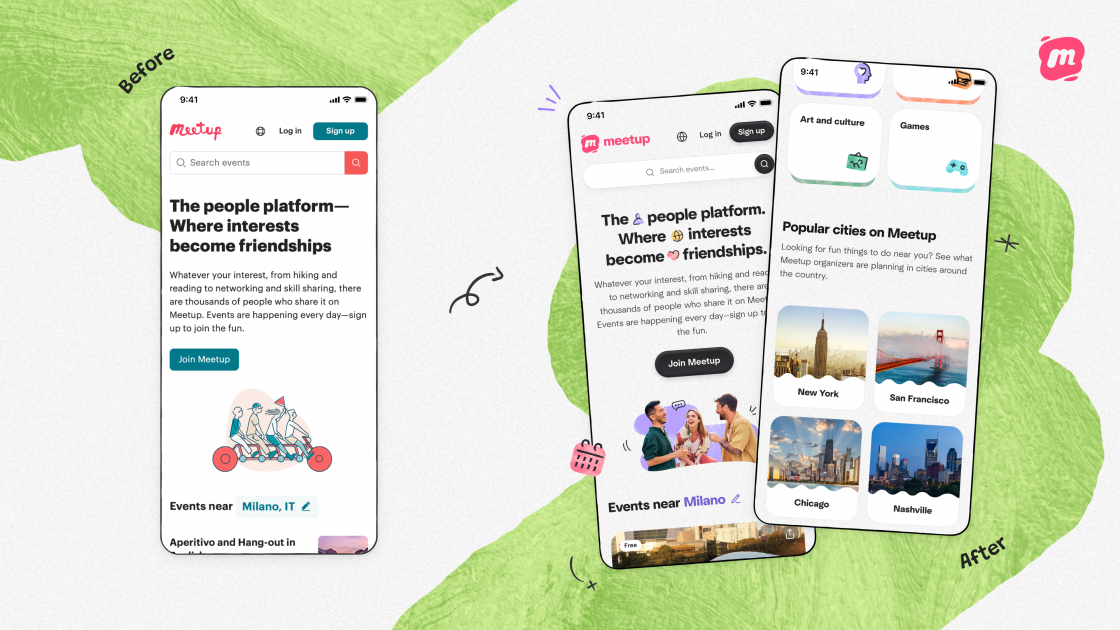
- December 2025: The official rollout of the redesigned web experience. The company has confirmed that the mobile application will follow suit in the coming months, ensuring a cross-platform visual refresh.
Addressing the Loneliness Epidemic with Data
The impetus for this redesign extends far beyond aesthetics; it is a calculated response to shifting sociological trends. Meetup’s internal research and broader industry studies highlight a significant paradox: while younger generations are the most digitally connected in history, they are also reporting record levels of isolation.
The data driving this redesign is compelling:
- The Gen Z Loneliness Crisis: Over 60% of Gen Z adults report feeling lonelier today than they did a decade ago.
- The Preference for In-Person Interaction: Despite their digital fluency, 80% of Gen Z believe that in-person events are significantly more effective at building genuine connections than online interactions.
- The "Online-to-Offline" Pipeline: 95% of individuals aged 18 to 35 express an active desire to take interests discovered online and translate them into physical, local community gatherings.
- The Need for Belonging: 45% of young adults explicitly state that their primary motivation for joining community groups is a search for a sense of belonging.
Meetup is currently capitalizing on this trend, with Adult Gen Z (ages 18–28) and young Millennials (ages 29–35) now accounting for 40% of the platform’s monthly active users. This group represents the most active segment of the site, validating the company’s decision to modernize the interface to better serve the very users who are seeking an antidote to the "scroll-and-click" culture of social media.
Official Perspectives and Early Feedback
The redesign has received a warm reception from early adopters and long-time organizers. The feedback, gathered during the soft-launch phase, consistently points to a more "energetic" and "happy" user experience.
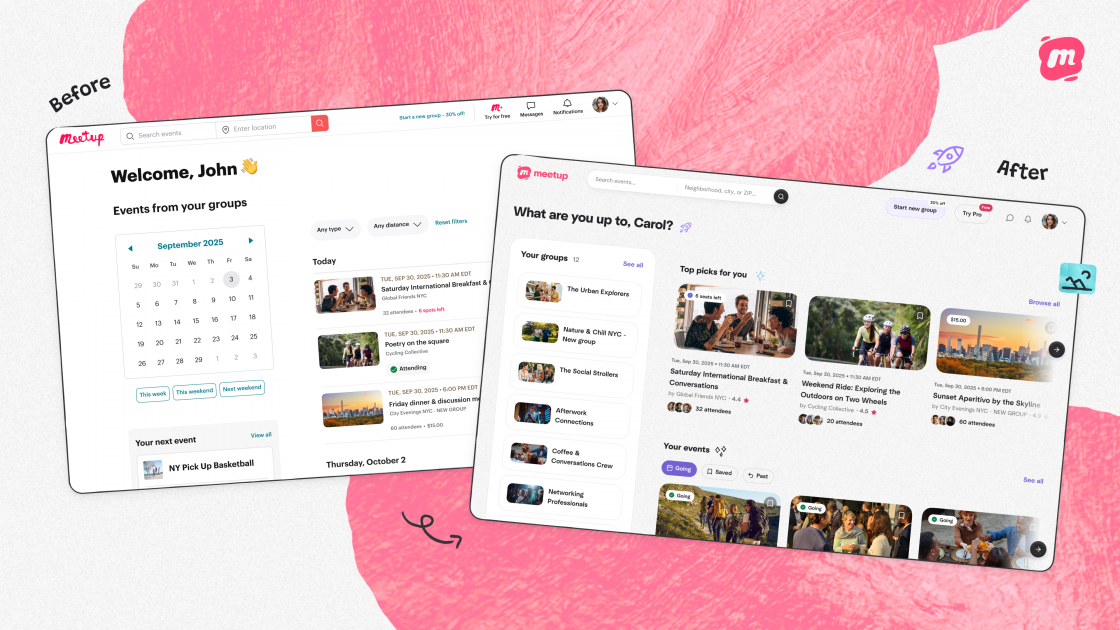
David Good, an organizer of the International Friend Connection network, noted the practical benefits of the new layout: "I really like the new design. For example, the home page layout allows me to quickly see all the upcoming events I’m hosting and attending along with a prominent list of the groups I’m organizing."
For organizers, the redesign is more than a coat of paint; it is a marketing tool. A modern, dynamic interface allows group leaders to better showcase their communities to prospective members. By reducing visual friction, the platform aims to increase conversion rates—turning passive browsers into active attendees.
The Broader Implications: Meetup in the Bending Spoons Era
This redesign is not an isolated event but rather a milestone in a larger, ongoing effort to elevate the platform. Since the integration with Bending Spoons, Meetup has focused on 16 key improvements, ranging from event-discovery algorithms to enhanced communication tools for organizers.
The implications of these changes are profound. By positioning itself as the premier digital bridge to real-world community, Meetup is effectively insulating itself from the "digital fatigue" that threatens other social networks. While platforms like Instagram or X (formerly Twitter) focus on keeping users on the screen, Meetup’s current trajectory is explicitly focused on getting users off the screen and into a room.
The shift toward a more modern design language also signals that Meetup is no longer content to rest on its laurels as a legacy platform. It is actively competing for the attention of the next generation of community leaders. By proving that a platform founded in the early 2000s can evolve, Meetup is setting a precedent for how aging digital utilities can remain culturally and socially relevant in an age of rapid technological disruption.
Looking Ahead: The Future of Connection
As the web rollout settles, the focus now shifts to the mobile experience. Mobile remains the primary interface for most users, particularly for those on the move or searching for spontaneous, local activities. The successful migration of this new design language to the mobile app will be the final test of the platform’s current strategy.
Meetup’s leadership maintains that this is merely "one step on our journey." The company has invited the community to submit ongoing feedback through dedicated channels, signaling a commitment to an iterative, user-centric development model.
In a world where human connection is often mediated by algorithms that prioritize outrage or engagement over genuine empathy, Meetup’s mission—to facilitate the "in-person connections this generation craves"—appears more relevant than ever. Whether the new look succeeds in bringing the next wave of users into the fold remains to be seen, but the initial indicators suggest that by blending the familiar with the fresh, Meetup has found a viable path forward for the future of community.
As Chiara, the company’s lead voice on this project, noted: "We believe that this fresh new look is key to keeping Meetup relevant and engaging for many years to come." For the millions of members looking for a place to belong, that is a promise worth keeping.