
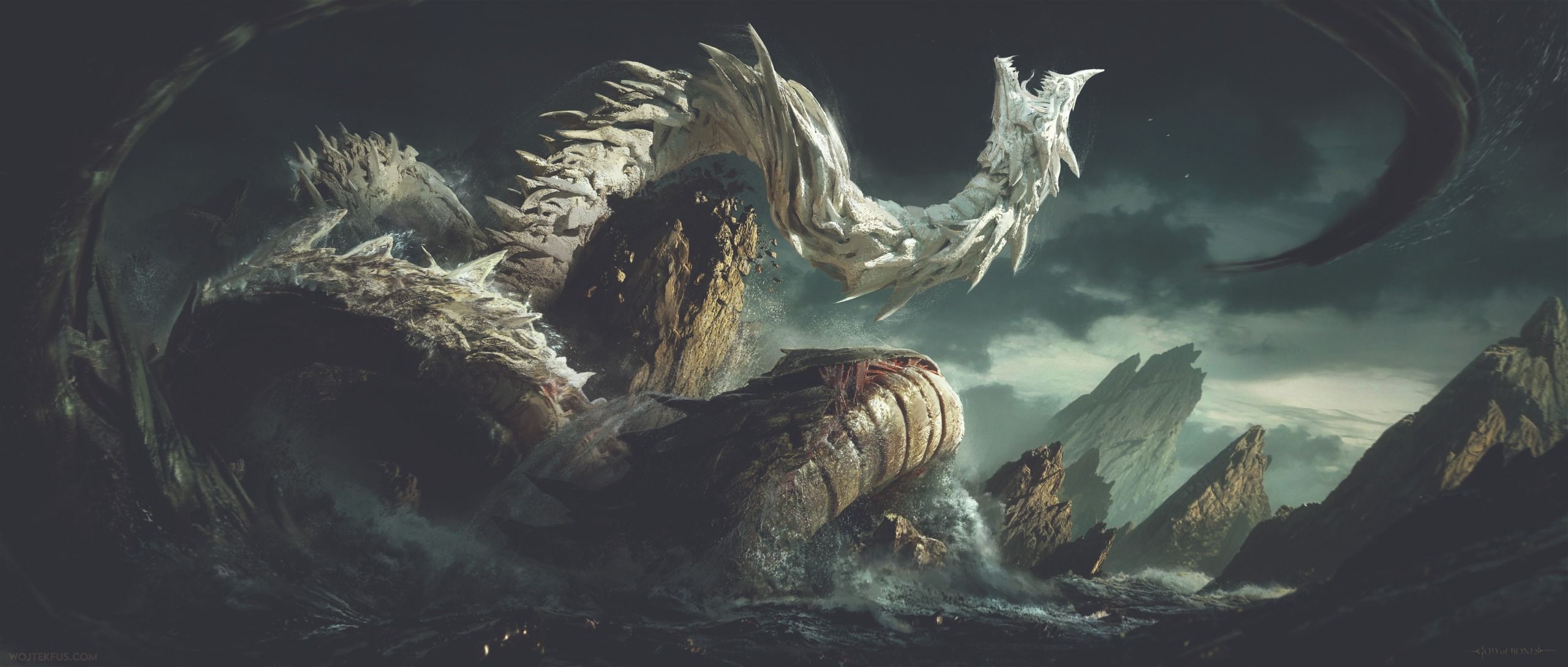
In the burgeoning world of independent short-film production, achieving a "hero shot"—a singular, defining vista that encapsulates the entire narrative arc—is the ultimate challenge for visual artists. For Paul Coulthard’s ambitious project, God of Bones, this challenge was met through a masterclass in collaboration and digital craftsmanship. The focal point of the film is a monumental, calcified serpent, caught in the eternal agony of its final moments. Bringing this creature to life required more than just technical proficiency; it demanded a deep understanding of weight, scale, and the delicate art of "frozen motion."
The Genesis of a Titan
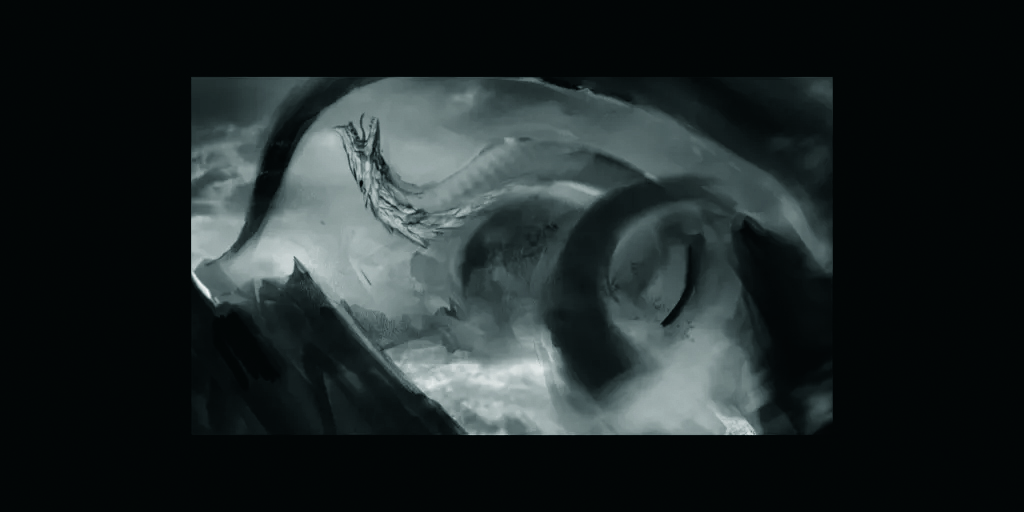
The project began not in a 3D suite, but on the humble foundation of a rough sketch. Paul Coulthard, the director of God of Bones, sought to translate a feeling of profound, ancient violence into a static image. The objective was clear: to create a visual that felt less like a rendered asset and more like a captured archaeological discovery.
The serpent, portrayed as a massive beast collapsing into stone, needed to communicate that it was mid-death throes at the very moment it calcified. This inherent contradiction—the dynamism of death versus the permanence of stone—defined the creative direction. The sketch established the rhythm of the beast’s body, dictating the flow of the composition and how the viewer’s eye would track across the screen. By defining the primary silhouette early, the team ensured that the sense of scale remained consistent throughout the development process.
The Chronology of Creation
The production of the God of Bones vista was a multi-stage process that bridged traditional artistic sensibilities with modern 3D workflows.
Phase 1: Conceptualization and Narrative Alignment
Before a single polygon was moved, the team focused on the "narrative weight" of the serpent. The initial compositions, while technically sound, failed to evoke the necessary sense of awe. The breakthrough came through iterative feedback between the art department and the director. The focus shifted from merely modeling a creature to staging a tableau that felt "unstable"—a cinematic arrangement that suggested the earth itself had changed around the beast.
Phase 2: Structural Layout in Blender
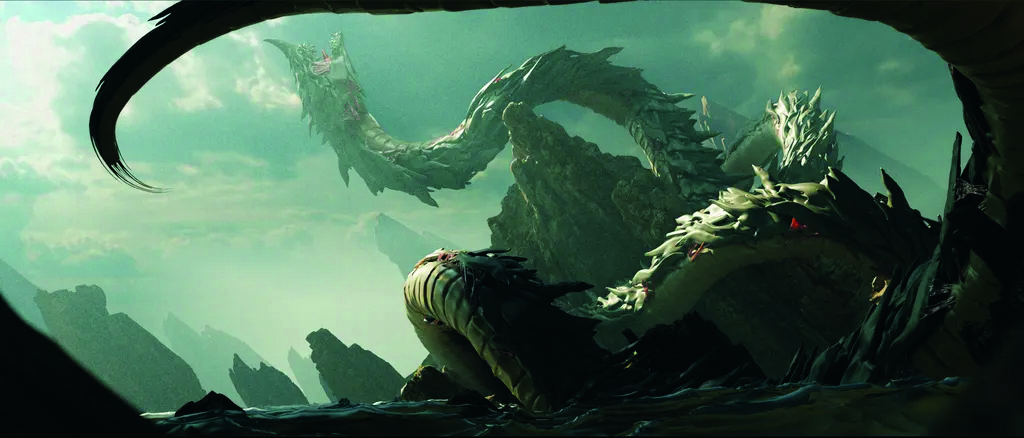
Once the vision was locked, the team transitioned to Blender. This phase involved blocking out the environment to match the scale of the serpent. Placing a creature of such magnitude within a rocky formation required careful attention to environmental storytelling. The team focused on the interaction between the serpent’s scales and the geological strata of its environment. By maintaining an "intentionally unstable" composition, the artists forced the viewer to confront the sheer mass of the creature.
The serpent’s base model was a collaborative effort. While the environment and scene lighting were handled by the lead artists, the creature itself was designed under the supervision of Christian Bull, with intricate modeling provided by Laurens Rasti and Wilmar Ballespi of the studio Shoot First. This division of labor allowed for the high level of detail required for the scales and the specific calcification effects that define the creature’s surface.
Phase 3: The Final Polish and Integration
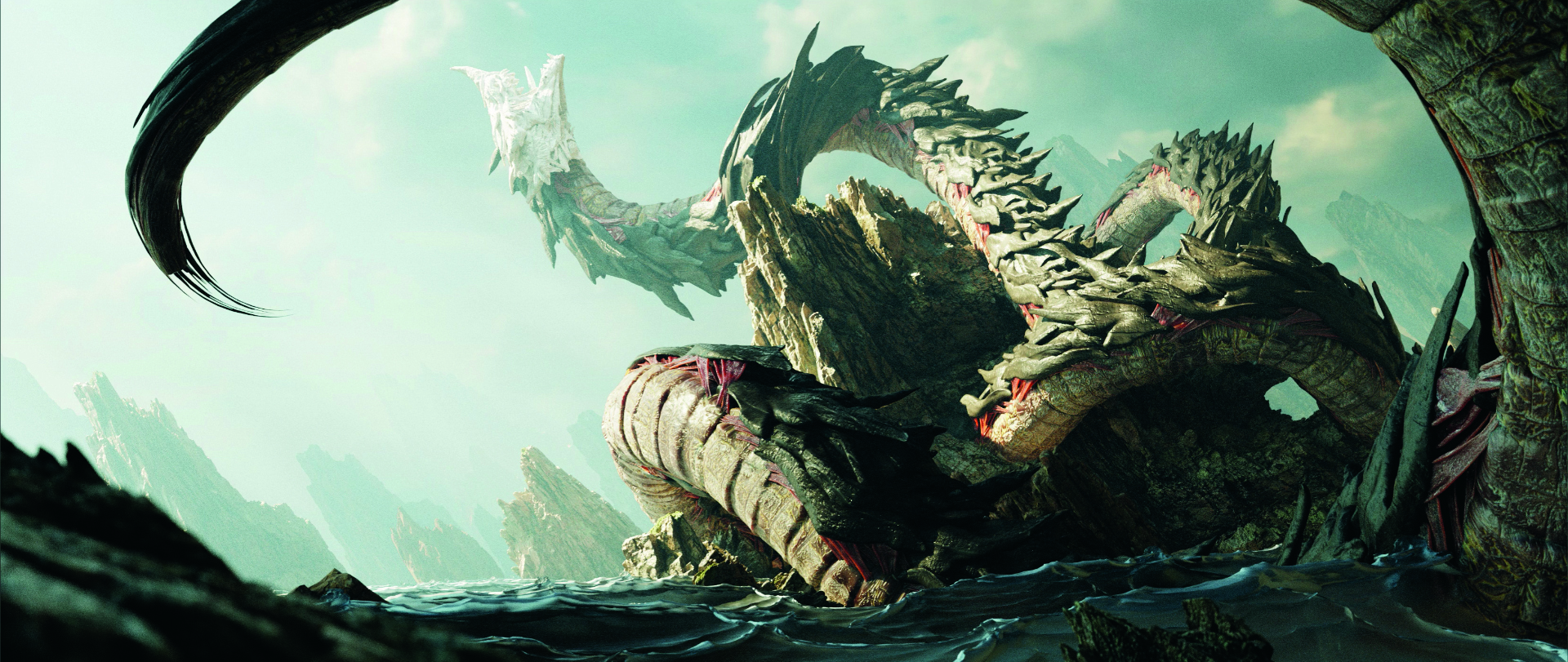
The final stage of production involved high-end rendering followed by a rigorous paintover process. Digital painting was used to bridge the gap between pure 3D geometry and photorealistic believability. Artists integrated photographic elements—such as ocean spray, weathered rock textures, and complex atmospheric haze—to ground the scene in reality.
One of the final, crucial decisions was a daring one: the team flipped the entire composition. This inversion changed the spatial orientation, providing a fresh perspective that emphasized the serpent’s collapse and the gravity of the scene, ultimately providing the final "hero" aesthetic seen in the finished product.
Technical Foundations and Tooling
The creation of such a dense, high-fidelity scene relies on robust hardware and software ecosystems. For artists looking to emulate this workflow, the industry standards remain consistent. The use of Blender for scene assembly underscores the software’s rise as a powerhouse for both indie projects and high-budget visual effects.
When building a workstation capable of handling these high-polygon environments, the importance of the drawing tablet and the processing power of the laptop cannot be overstated. High-resolution textures, complex particle simulations for environmental effects (like the aforementioned ocean spray), and the heavy ray-tracing requirements of modern rendering engines demand hardware that balances portability with raw performance.
Professional Insights: The Art of Calcification
The most technically challenging aspect of the project was the serpent’s head. Capturing the process of a living, organic creature turning into stone requires a balance between "creature design" and "environmental sculpting."
According to those involved, the key was to avoid making the creature look like a statue that had been placed on a rock. Instead, the team treated the calcification as an active process—a petrification that had consumed the flesh while it was still in motion. By layering textures—transitioning from soft, fleshy tissue to brittle, calcified mineral—the artists successfully sold the illusion that the creature was not just dead, but transformed.
Implications for Independent Filmmaking
The God of Bones project serves as a case study for the modern independent production landscape. As the barrier to entry for high-end 3D software continues to drop, the differentiator between "amateur" and "professional" output has become the quality of collaboration and the clarity of the vision.
The success of this vista shot demonstrates that even for small teams, "large-scale" storytelling is achievable. By prioritizing mood and narrative over simple asset quantity, the God of Bones team managed to create a sequence that feels like it belongs in a major studio feature.
Furthermore, the emphasis on the "hero shot" highlights a shift in how filmmakers approach production. Rather than focusing on a vast, continuous world, many modern projects are finding success by focusing on highly detailed, "pocketed" visuals that can be used for marketing, key art, and anchoring the film’s visual identity.
Conclusion
The God of Bones serpent stands as a testament to the power of iterative design. From a simple pen-and-paper sketch to a fully realized, cinematic vista, the creature’s journey mirrors the evolution of digital artistry itself—moving from intent to structure, and finally to the atmosphere that defines great storytelling. As artists continue to push the boundaries of what is possible in programs like Blender, we can expect to see more projects that leverage this kind of meticulous environmental design to elevate the narrative stakes, ensuring that even a frozen moment can hold a lifetime of impact.
Quick Tips for Large-Scale Scene Creation:
- Start with the Silhouette: If the shape doesn’t work in a thumbnail sketch, it won’t work in 3D.
- Prioritize Narrative Weight: Every object in the scene should suggest a story. Why is the serpent here? Why is it turning to stone?
- Iterate the Composition: Don’t be afraid to flip, crop, or reframe your work. Sometimes the most dramatic view is the one you didn’t see at first.
- Bridge the Gap: Always use a "paintover" phase to integrate your 3D renders with real-world photography to add the organic grit that raw renders often lack.
For more insights into the world of digital art and 3D modeling, subscribe to ImagineFX, the industry-leading publication for professional artists.