
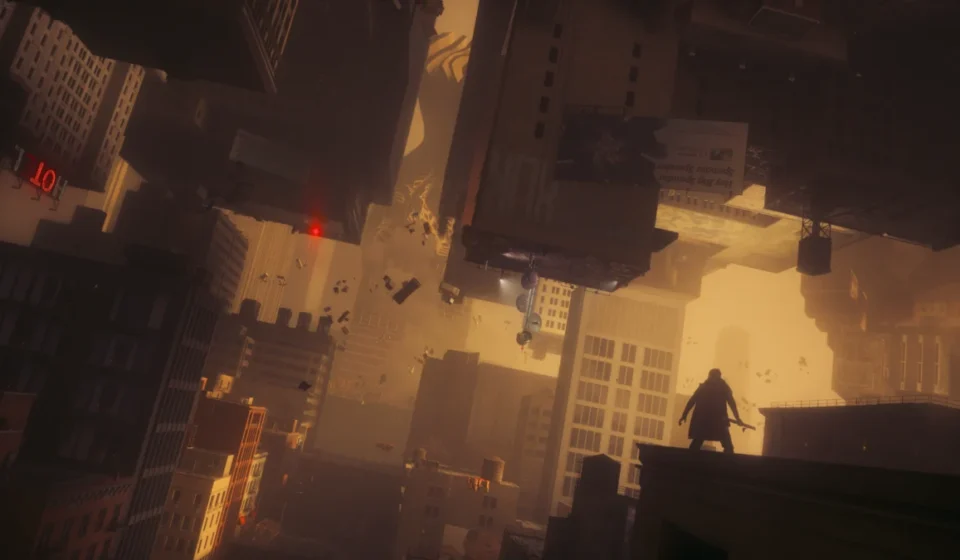

The Verdict: A Masterpiece of Ambition, Tempered by Design Constraints
Remedy Entertainment has long been the industry vanguard for the "New Weird" aesthetic, but with Control Resonant, the studio has pushed its paranatural vision to an unprecedented, ambitious scale. Every frame of the game is a bold, deliberate statement of impossible, otherworldly geometry. However, while the visual storytelling is peerless, the experience is occasionally hampered by restrictive level design and a combat loop that can feel repetitive, ultimately threatening to undermine the very powers that make the protagonist so formidable.
Main Facts: Stepping into the Abyss
Control Resonant is the highly anticipated follow-up to the 2019 hit Control. Developed and published by Remedy Entertainment, the title is built on the proprietary Northlight Engine and released on September 24, 2026, for PC, PS5, and Xbox Series X/S.
The game marks a significant departure from the original’s confined, claustrophobic setting of "The Oldest House." Instead, the narrative spills out into a twisted, reality-warping version of New York City. Players take control of Dylan Faden, the brother of the original protagonist, Jesse. Having spent years as a subject of the Federal Bureau of Control’s (FBC) inhumane experiments, Dylan brings a darker, more volatile energy to the gameplay. The game replaces traditional gunplay with a fast-paced, melee-focused combat system, allowing players to wield shape-shifting "Aberrant" weapons and unlock god-like abilities through a surreal, internal "mind palace" known as The Gap.
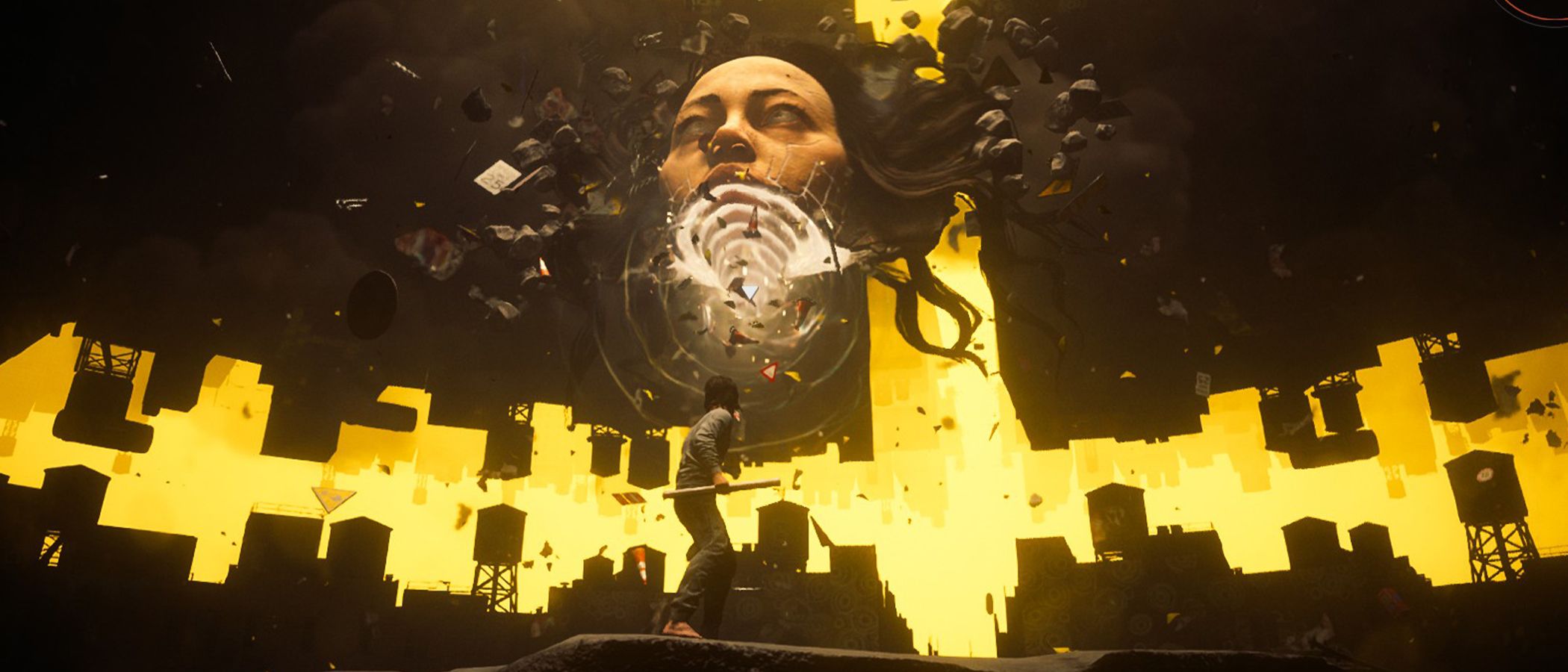
Chronology: The Evolution of a Nightmare
The journey of Control Resonant began in the shadows of the FBC. Following the events of the first game—where the Hiss, an interdimensional resonance, consumed the Bureau’s headquarters—the sequel explores the aftermath of that containment breach.
The timeline shifts to the immediate fallout of the Hiss infection spreading to the streets of Manhattan. Unlike the first game, which was a "metroidvania" set entirely within one building, Resonant tasks players with navigating a fractured, non-Euclidean urban landscape. The progression is tied to the acquisition of "Resonant" powers—boss-drop abilities that allow for increasingly complex movement and environmental manipulation—mirroring a classic Mega Man progression structure but applied to a modern, high-fidelity action RPG.
Supporting Data: Visual Fidelity and Technical Prowess
Remedy’s Northlight Engine has consistently set benchmarks for atmospheric lighting and environmental detail, and Control Resonant is their most ambitious project to date. The game fully incorporates path tracing, creating a level of immersion that, even on modest hardware, remains breathtaking.

- Atmospheric Detail: The game balances the "New Weird" aesthetic with mundane, grounded details of NYC—such as apartment interiors and commercial billboards—making the sudden shifts into surreal, gravity-defying architecture even more jarring.
- Combat Mechanics: The shift from projectile weapons to melee-focused combat, including the wide-ranging scythe and quick-strike twin blades, signals a move toward a more kinetic, Devil May Cry-esque rhythm.
- Accessibility: Recognizing the difficulty spikes inherent in its design, Remedy has included a robust suite of accessibility options. Players can tweak damage output, receive invulnerability toggles, or even enable one-hit kills without sacrificing access to achievements.
Official Responses and Developer Intent
Remedy has positioned Control Resonant as a direct response to the community’s desire for an expanded world. In interviews and press materials, the studio emphasized the desire to evolve the "New Weird" genre, experimenting with multi-media storytelling.
The inclusion of live-action segments—such as the return of Matthew Porretta as the eccentric researcher Casper Darling—highlights Remedy’s signature blend of film and interactive media. The developers have defended the game’s challenging, often "spongy" enemy encounters as a design choice intended to force players to master the full suite of their supernatural abilities. While some critics argue this leads to a grind, the developers maintain that the variety of enemy types, ranging from possessed public transit to reality-warping entities, necessitates a high level of tactical engagement.
Implications: The Future of the "New Weird"
The release of Control Resonant is a significant moment for Remedy, particularly following the mixed reception of the spin-off FBC: Firebreak. By returning to the core of the Control universe, the studio has demonstrated that their capacity for reality-bending world-building remains unmatched in the industry.
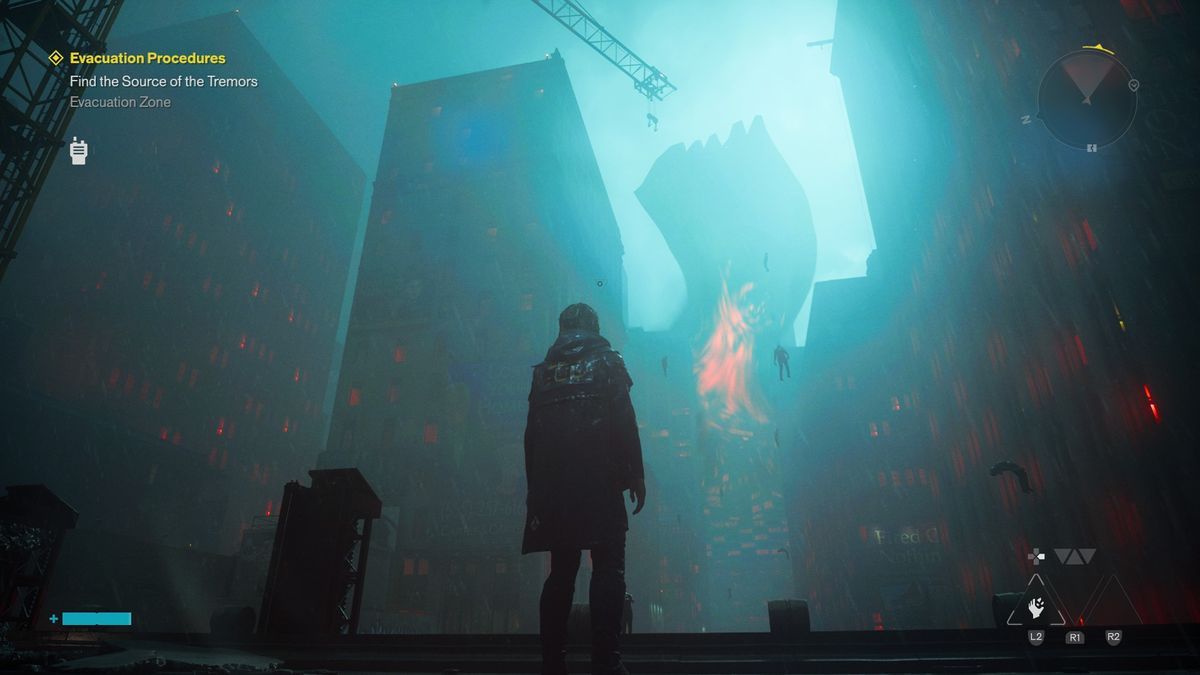
However, the game highlights a growing tension in modern game design: the desire for "open" world exploration versus the need for curated, narrative-driven experiences. The world of Control Resonant feels like an outdoor maze, and its refusal to hold the player’s hand via modern waypoints or "yellow paint" guidance is a polarizing choice. It encourages exploration but often leads to frustration when players encounter artificial barriers or confusing, non-linear navigation.
The game also raises questions about the "bullet-sponge" enemy trope. Even with the freedom to customize powers in "The Gap," the late-game encounters feel increasingly protracted. When a game provides the player with the powers of a god, but requires them to hit an enemy fifty times to deplete a health bar, the power fantasy is inevitably diminished.
A Legacy of Audacious Storytelling
Despite these gripes, Control Resonant succeeds where it matters most: atmosphere and narrative ambition. The game’s willingness to experiment with different formats—such as a standout flashback sequence presented as a 16-bit pixel art RPG—is a testament to the creative freedom within the studio. It is a game that is not afraid to be weird, surreal, and occasionally confounding.

For fans of the original Control, Resonant is a triumph of vision. It takes the foundation of the FBC and tears it apart, showing us what happens when the mundane world is finally, irrevocably broken by the impossible. While it struggles with the balance of its combat and the constraints of its map, it remains a rare, high-budget experience that prioritizes artistic identity over market trends.
Final Analysis: Is it Worth the Play?
Control Resonant is a testament to the idea that a game can be deeply flawed and yet entirely essential. It is a work of art that feels like it was forged in the same strange, otherworldly kilns as the entities it depicts. If you are willing to look past the occasional repetition and the frustration of its navigation, you will find a game that offers a visual and conceptual experience unlike anything else currently on the market.
Whether you are a newcomer to the FBC or a veteran of The Oldest House, Control Resonant demands your attention. It challenges the player not just to play, but to perceive reality differently—even if that reality is occasionally plagued by frustratingly resilient enemies and confusing corridors. Remedy has proven once again that when it comes to the "New Weird," they are the architects of the impossible.