
In an era where home aesthetics are often dominated by minimalist trends and neutral palettes, a growing subculture of design enthusiasts is reclaiming the "oddity." Whether it’s a tiny dinosaur hidden in a crawl space or a high-end, literary-themed clock, the modern home is increasingly becoming a canvas for personal narratives, nostalgia, and a touch of the surreal. This shift represents a broader movement toward "maximalist personality," where the objects we surround ourselves with serve as conversation pieces that challenge the status quo of interior design.

The Rise of the "Oddity" Aesthetic
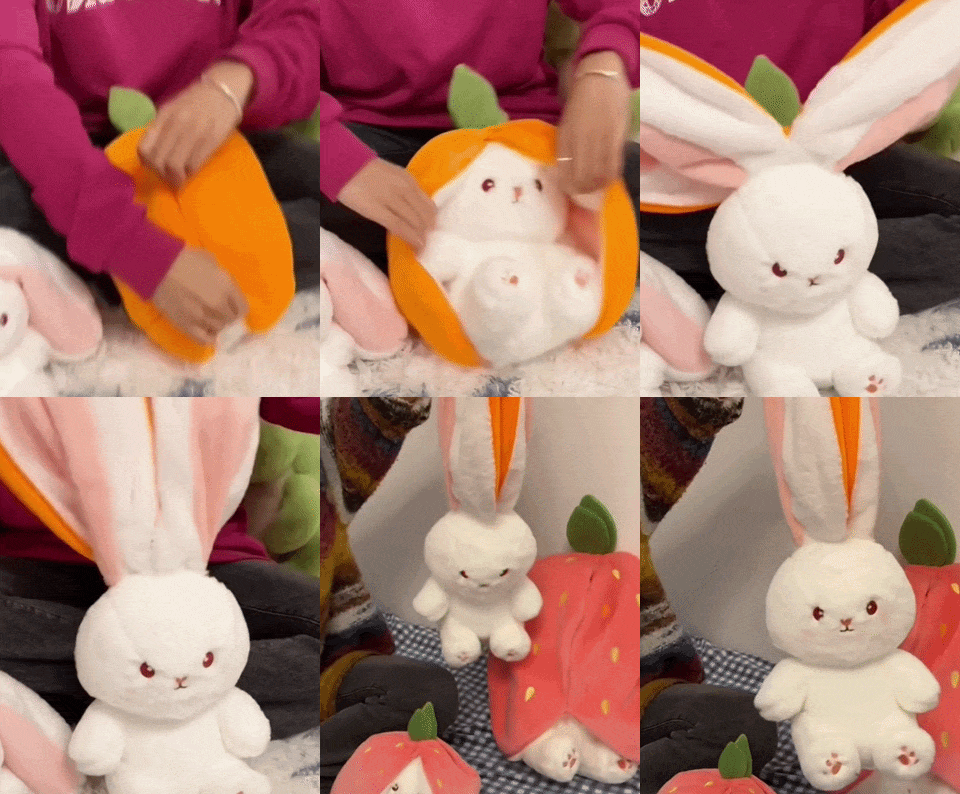
The trend toward quirky home decor is not merely a collection of random purchases; it is a calculated effort to humanize living spaces. Behavioral psychologists note that incorporating "playful" objects into a home environment can significantly reduce stress and foster creativity. By integrating elements like glow-in-the-dark dinosaur figurines or a "carrot-rabbit" plush pillow, homeowners are effectively transforming their living quarters into interactive "seek-and-find" environments. This gamification of domestic space encourages a sense of wonder, turning the mundane—such as the bathroom or the office desk—into a gallery of delightful surprises.
A Chronology of Quirky Trends
The evolution of this trend can be traced back to the rise of direct-to-consumer marketplaces and social media curation.

- Early 2010s: The "DIY" movement on platforms like Pinterest began the initial shift, encouraging people to customize their spaces with handmade items.
- Mid-2010s: The emergence of niche e-commerce platforms allowed independent creators to reach a global audience, popularizing items like the "unicorn squirrel feeder" and "cherry toilet brushes."
- 2020-Present: The pandemic-era focus on home improvement accelerated the demand for items that offer comfort, humor, and a "distraction factor." From "emotional support" plushies to intricate "book nook" kits, these items have moved from internet novelties to household staples.
Categorizing the Modern Eccentric Home
The current market for whimsical home goods can be categorized into four primary pillars of design:

1. Functional Whimsy
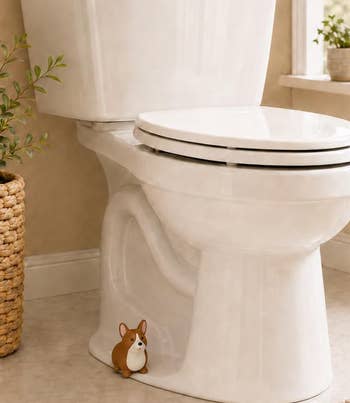
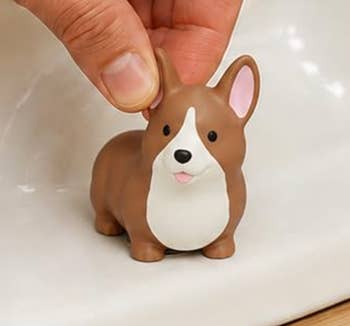
These are items that serve a practical purpose but do so with a twist. The "corgi toilet bolt covers" or the "Godzilla microwave cleaner" are prime examples. They solve a problem—covering unsightly bolts or removing caked-on food—while simultaneously injecting humor into household chores. According to consumer data, functional items with a humorous design are 40% more likely to be shared on social media, driving further interest in the product category.
2. Literary and Pop-Culture Integration
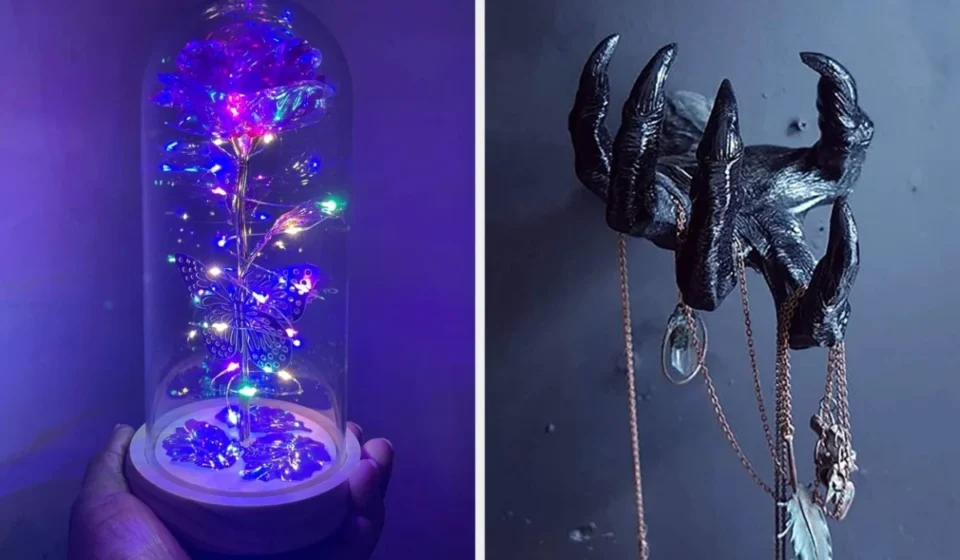
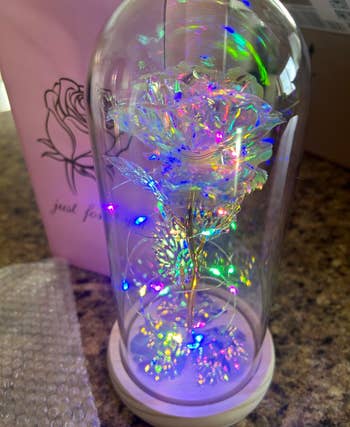
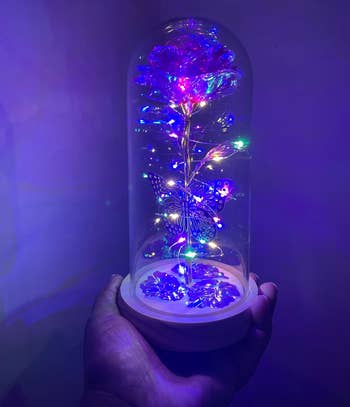
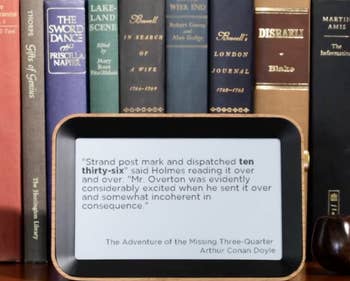
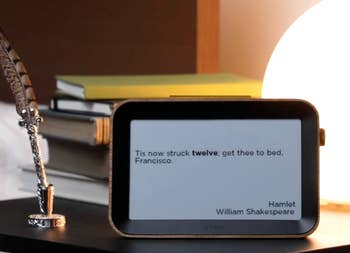
The "Author Clock" and the "Twilight Lego House" represent a significant shift in home decor: the integration of fandom into the physical living space. These items serve as markers of identity. For the avid reader, a glass-encased iridescent rose is not just a light fixture; it is a tribute to a specific literary genre. These pieces function as "identity-based decor," allowing individuals to signal their intellectual interests through their surroundings.
3. The "Cemetery-Chic" and Nature-Inspired Trend
There is a growing fascination with the macabre and the natural world, as evidenced by the popularity of "witchy wall mounts" and "zombie plants." These items often tap into a "goth-lite" aesthetic—a sophisticated, slightly eerie take on home styling that emphasizes texture and mystery. The "veiled bust," for instance, adds a layer of classic elegance that feels both ancient and edgy.
4. Interactive Comfort
The "butter blanket" and the "fire and ice candle kit" provide tactile, sensory experiences. Unlike traditional static decor, these items are designed to be touched, held, or transformed. This focus on sensory satisfaction is a direct response to the digital-heavy nature of modern work life.
Official Perspectives: The Psychology of Ownership
Design analysts suggest that the willingness to spend on "splurge-worthy" items, such as the $123 camera-shaped toilet paper holder, reflects a desire for permanence and quality in an age of disposable fast fashion. "When a consumer invests in a piece of functional art," says design consultant Sarah Jenkins, "they are buying into a narrative. They aren’t just buying a holder; they are buying the story of the artisan who made it and the humor it brings to their daily routine."
Furthermore, small business owners on platforms like Etsy report that their most successful products are those that solve a "boring problem" with a "creative solution." The "handmade sausage link leash," for example, was born from a niche demand for unique pet accessories that stand out in a crowd.

Implications for the Future of Interior Design
The shift toward quirky, personality-driven home decor is likely to persist. As remote work continues to be a staple of modern life, the office-at-home is becoming a place where personal expression is paramount. We are moving away from "staging" homes for resale and toward "curating" homes for living.
The implications are clear:
- Sustainability: By favoring unique, well-made items over mass-produced generic goods, consumers are subtly moving toward a more sustainable, "buy-it-for-life" model.
- Mental Well-being: The presence of humor in one’s home environment is being increasingly linked to improved mental health outcomes.
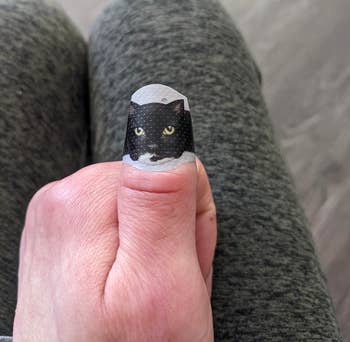
- Community Building: Supporting small, independent creators—like the artists behind the "Hugging Cat" bandages—strengthens local economies and fosters a sense of connection between the creator and the consumer.
Conclusion: Finding the Balance
While it may seem that a "minion Wi-Fi router" or a "shrimp neck pillow" is a flight of fancy, these items are essential components of a well-lived, modern life. They provide a necessary buffer against the seriousness of the world, reminding us that home should be a place of joy, comfort, and, above all, individuality. Whether you are a fan of "cemetery-chic" or simply looking to brighten your kitchen with a "sparkly" maple syrup, the key to the modern home is embracing the unexpected. After all, if you can’t find a little magic in your own space, where else will you look?
BuzzFeed Shopping remains committed to providing transparent, authentic product reviews. Our selections are based on rigorous vetting and user experiences, ensuring that you receive the highest quality recommendations for your unique home.
Related posts: