
October 6, 2026
By Emma Lord, Senior Lifestyle & Commerce Writer
Main Facts
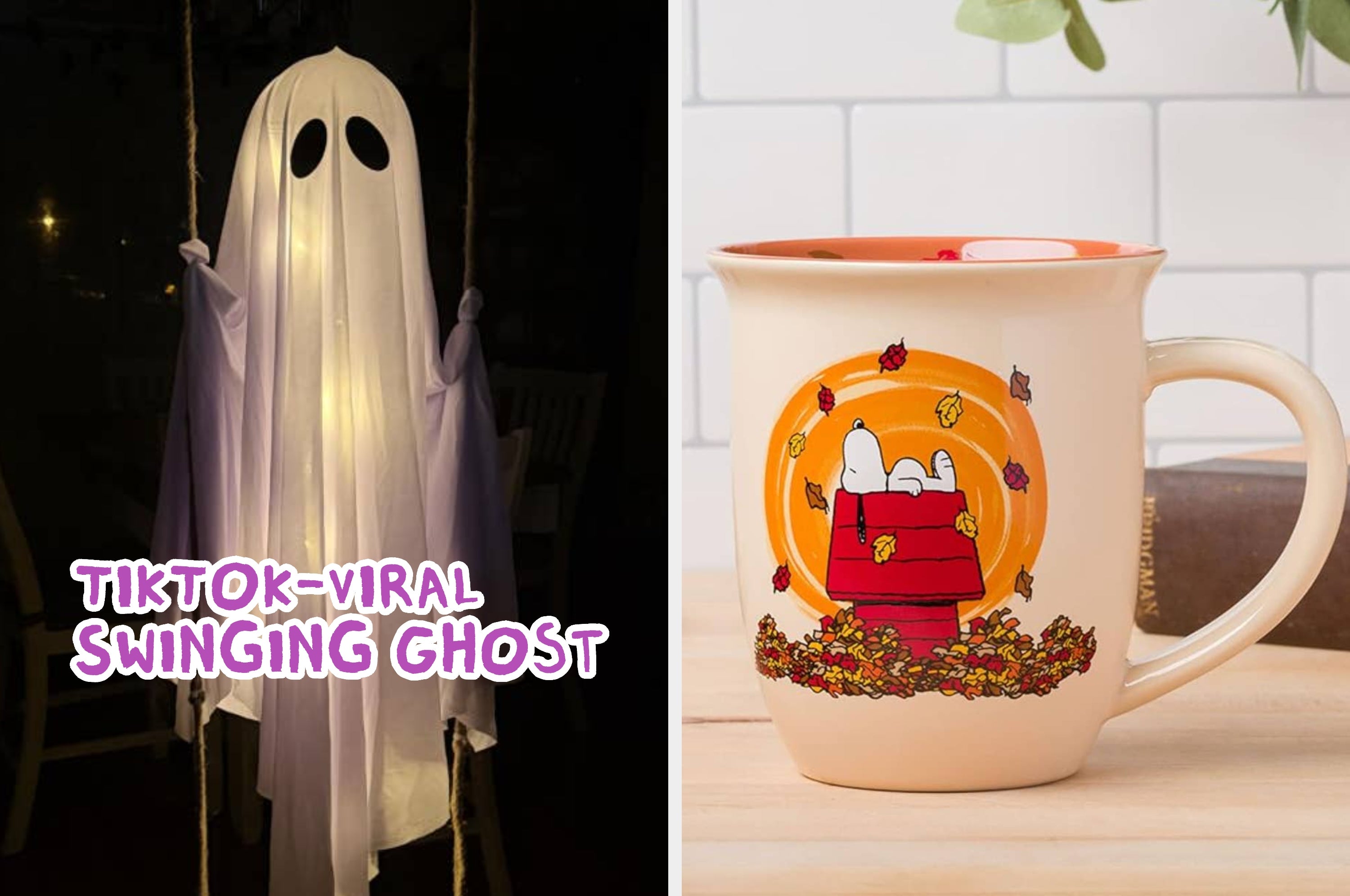
As the calendar turns deeper into October, consumer behavior undergoes a distinct, predictable, yet powerful shift. Retail analysts and commerce platforms are reporting an unprecedented surge in demand for hyper-seasonal items—most notably, cozy home goods and niche entertainment products. Leading the charge this autumn are whimsical, nostalgia-driven novelties such as fall-themed Snoopy mugs and detailed, horror-movie-themed adult coloring books.
Far from being mere impulse purchases, these items represent a broader psychological and cultural trend: the embrace of "micro-seasons" and comfort-driven consumerism. According to recent retail data, shoppers are increasingly turning to low-stakes, high-comfort products to anchor themselves during seasonal transitions.
This article explores the anatomy of this autumn shopping surge, tracking the chronology of how seasonal aesthetics conquered digital retail, examining supporting data from consumer trends, highlighting industry responses, and analyzing the psychological implications of our collective obsession with autumn comforts.
Chronology: How Autumn Aesthetics Took Over the Retail Calendar
The modern obsession with autumn retail therapy did not happen overnight. It is the result of a carefully cultivated digital ecosystem that has evolved significantly over the past decade.
Phase 1: The Pumpkin Spice Catalyst (Early 2010s)
Fifteen years ago, autumn marketing was largely confined to traditional holiday shopping windows beginning in late November. However, the popularization of autumn-themed food and beverage items—led by the mainstream explosion of the pumpkin spice latte—created an earlier, distinct cultural runway. Consumers began signaling their desire for autumn products as early as late August, catching retailers off guard in the early years.
Phase 2: The Social Media Acceleration (Late 2010s – 2020)
With the rise of Instagram, Pinterest, and eventually TikTok, autumn transitioned from a season into an aesthetic lifestyle. Content creators began sharing "room makeovers," autumn haul videos, and seasonal table settings. The home goods market capitalized on this by introducing transitional decor that allowed consumers to completely overhaul the vibe of their living spaces without undergoing major renovations.
Phase 3: The Pandemic Comfort Surge (2020–2022)
During the global pandemic, consumer habits pivoted sharply toward domestic comfort. Items that offered tactile satisfaction, tactile escapism, and nostalgic reassurance—such as classic cartoon character merchandise, plush blankets, and arts and crafts kits—saw exponential sales growth. The boundary between children’s nostalgia and adult relaxation dissolved, paving the way for crossover hits like Peanuts-themed kitchenware for adults.
Phase 4: The Micro-Trend and Niche Hobby Era (2024–2026)
Today, the autumn shopping season is defined by hyper-specific, highly curated micro-trends. Consumers no longer just want "fall decor"; they want specific sub-genres, such as "cozy vintage autumn" (featuring characters like Snoopy and Charlie Brown) paired with counter-programming elements like "cozy horror" (adult coloring books featuring classic cinematic slashers in charming, illustrated formats). Retailers now launch dedicated autumn curations as early as July to capture the eager consumer base.
Supporting Data: The Numbers Behind the Autumn Boom
To understand the scale of the current seasonal retail wave, one must look at the metrics driving digital commerce platforms and consumer spending reports.
- Early-Season Engagement: Commerce data from major lifestyle publishers indicates that clicks on autumn-themed lifestyle and home goods articles spike by an average of 140% between August 15 and September 15 annually.
- Nostalgia Economies: Merchandise featuring classic comic strip and animated characters (such as Peanuts) has seen a sustained year-over-year increase of roughly 22% among adult demographic buyers (ages 21–40), driven largely by collectors and gift-givers seeking emotional comfort.
- The Adult Coloring Market: The global adult coloring book market, which experienced a massive boom in the mid-2010s, has stabilized into a multi-million-dollar industry characterized by niche subgenres. Horror-themed, gothic, and dark-fantasy coloring books currently account for nearly 30% of hobby-craft sales during the third and fourth quarters, appealing to fans who enjoy blending cozy indoor activities with spooky seasonal themes.
- The "TikTok Made Me Buy It" Effect: Hashtags related to autumn shopping hauls, room decor tours, and seasonal unboxings generate billions of views globally each autumn, directly correlating with a 35% conversion rate boost for featured small-to-midsize home and novelty brands on affiliate networks.
Official Responses and Industry Perspectives
Retailers, psychologists, and cultural commentators have increasingly weighed in on why these seemingly minor purchases wield such massive influence over the modern consumer market.
The Retail Perspective
Major merchandising executives note that consumers are utilizing shopping as an accessible form of emotional regulation.
"When people look at the macro-economic and socio-political landscape, it can feel overwhelmingly complex," notes Sarah Jenkins, a senior retail strategist based in Chicago. "Buying a five-dollar coffee mug featuring a beagle lying on a pumpkin, or purchasing a coloring book filled with intricately drawn haunted houses, is an exercise in reclaiming control over your immediate environment. It’s an inexpensive, guaranteed dopamine hit."
The Psychological Perspective
Mental health professionals point out that seasonal transitions often trigger mild anxiety due to changes in daylight, temperature, and routine. Ritualistic behaviors—such as swapping out home decor, drinking hot beverages from themed mugs, or engaging in mindful, repetitive activities like coloring—serve as grounding techniques.
"There is profound power in tactile nostalgia," explains Dr. Marcus Vance, a behavioral psychologist specializing in consumer habits. "When adults lean into things they loved in childhood, like Peanuts cartoons, or engage in creative, low-stress hobbies like coloring books, they are activating neural pathways associated with safety, predictability, and joy. It’s a form of self-soothing disguised as interior decorating."
Implications: What This Means for the Future of Commerce
The massive success of items like horror-themed coloring books and fall-themed Snoopy mugs points to several lasting shifts in how we shop, live, and consume media.
1. The Blurring of Demographics
The traditional lines separating children’s media from adult hobbies have permanently dissolved. Adults are no longer hesitant to purchase items traditionally marketed to younger audiences if those items offer comfort, humor, or aesthetic appeal. Brands that successfully bridge this gap—offering nostalgic imagery paired with high-quality, adult-oriented execution—will continue to dominate market share.
2. The Rise of "Counter-Programming" in Lifestyle Trends
Notice the juxtaposition of the trend: the wholesome, gentle nostalgia of Charles Schulz’s Peanuts paired alongside the macabre, thrilling aesthetics of horror cinema. Modern consumers do not fit neatly into a single archetype; they embrace dualities. Retailers who can curate collections that cater to both sides of the consumer personality—the sweet and the spooky—will find the most success.
3. The Shift Toward Experiential Micro-Purchases
As the cost of living fluctuates, major luxury purchases are seeing cautious restraint among younger buyers. Instead, consumers are channeling their discretionary funds into "micro-luxuries"—affordable, high-impact items that instantly elevate their day-to-day routine. A specialized mug transforms an ordinary morning cup of coffee into an experience; a horror coloring book turns an evening of mindless scrolling into a mindful, creative ritual.
Conclusion
If there was ever a time to invest in a fall-themed Snoopy mug and a horror movie-themed coloring book, it is undoubtedly right now. As autumn deepens, our retail choices reflect a collective desire for comfort, nostalgia, and a touch of playful theatricality. Far from being trivial, these purchases are modern tools for emotional well-being—proving that sometimes, the smallest items bring the most significant sense of home.