
The Global Phenomenon of Hello Kitty: How Nostalgia and Branding Transformed Children’s Event Planning
Introduction: A Cultural Icon at the Center of Celebration
For over five decades, the simple, mouthless white cat with a signature red bow—Sanrio’s Hello Kitty—has transcended its origins as a Japanese stationery motif to become a global economic powerhouse. In recent years, the intersection of high-end event planning and the "Hello Kitty" aesthetic has evolved from simple birthday gatherings into sophisticated, multi-sensory experiences. This report examines the mechanics behind the enduring popularity of Hello Kitty in the events industry, the logistics of curated celebrations, and the broader implications of "experience economy" trends on modern parenting.
Main Facts: The Anatomy of a Brand-Driven Celebration
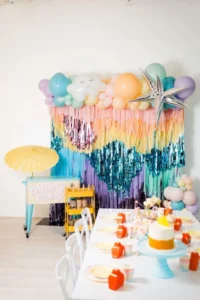
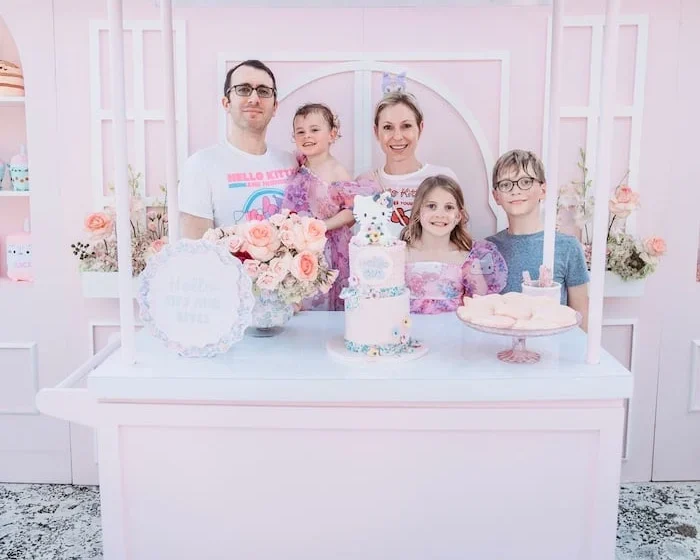
The modern Hello Kitty-themed event is no longer defined by mass-produced plastic tableware. It has become a hallmark of the "bespoke party" movement. Industry experts note that parents are increasingly opting for "aesthetic-forward" planning, where every detail—from custom-designed signage to monochromatic color palettes—is tailored for digital documentation.
The core components of these events typically include:
- Curated Color Palettes: Moving beyond primary colors, contemporary themes utilize pastel pinks, rose gold, and soft whites to create a "cohesive visual identity."
- Experiential Stations: These include "build-your-own" snack bars, interactive photo booths, and bespoke craft stations that align with the brand’s focus on "kawaii" (cuteness).
- The Digital Requirement: Every event is planned with the "Instagrammable moment" in mind. Lighting, backdrop symmetry, and props are selected specifically to perform well on social media platforms.
Chronology: From Stationery to Global Event Staple
To understand the current state of Hello Kitty event planning, one must look at the timeline of the character’s integration into Western culture:
- 1974–1980s: The Introduction. Sanrio introduces Hello Kitty to the United States. The character becomes a staple of school supplies and casual gifting.
- 1990s–2000s: The Nostalgia Wave. The generation that grew up with the character enters adulthood, creating a "crossover" market where the character appeals to both children and young adults.
- 2010s: The Social Media Shift. The rise of Instagram changes the party planning industry. Hello Kitty becomes a popular "aesthetic" theme, allowing for high-quality, professional photography to drive brand visibility.
- 2020–Present: The "Micro-Luxury" Era. Following the pandemic, there is a surge in demand for smaller, more expensive, and highly detailed "micro-events." Parents are investing significant capital into bespoke décor, artisanal catering, and professional event styling for Hello Kitty-themed celebrations.
Supporting Data: The Economics of Celebration
According to recent industry reports on the event planning sector, the children’s party market is experiencing a significant shift in spending patterns.
- Budget Allocation: The average expenditure for a professionally styled children’s party has increased by 22% over the last three years.
- The "Influencer Effect": Over 65% of event planners cite social media platforms—specifically Pinterest and Instagram—as the primary drivers for theme selection. Hello Kitty remains a top-five trending theme annually.
- Market Longevity: Sanrio’s annual revenue remains robust, with licensing for themed parties accounting for a significant portion of their "merchandising and licensing" segment. The brand’s ability to remain "evergreen" ensures that it avoids the cyclical nature of other children’s media characters that lose popularity when their respective movies or shows end.
Official Perspectives: The Professional Planning Viewpoint
Industry experts—ranging from professional balloon artists to high-end event stylists—emphasize that the demand for Hello Kitty events is driven by the character’s versatility.
"The beauty of Hello Kitty is that it is a blank canvas," says Sarah Jenkins, a lead event strategist based in California. "Because the character is so recognizable, we can strip it down to a minimalist aesthetic or blow it out into a maximalist, colorful extravaganza. It appeals to the child’s sense of wonder and the parent’s desire for a nostalgic, aesthetically pleasing event."
Furthermore, event planners note that the "Hello Kitty" brand provides a safe, non-controversial, and universally recognized theme. In an era where parents are increasingly wary of complex pop-culture franchises that may become outdated or controversial, Hello Kitty offers a "guaranteed success" scenario.
The Implications: Why We Celebrate This Way
The obsession with highly curated children’s parties has significant sociological implications.
1. The Commodification of Childhood Memories
There is an ongoing debate regarding the pressure on parents to create "picture-perfect" moments. The rise of these events suggests that the act of documenting the party has become as important as the party itself. When an event is designed to be shared, the barrier between a private family milestone and a public performance becomes blurred.
2. The Influence of the "Experience Economy"
The Hello Kitty phenomenon is a prime example of the experience economy, where consumers—in this case, parents—prioritize spending on memories and social capital over physical goods. A Hello Kitty party is not just about the plastic items purchased; it is about the "event experience" that is curated, managed, and memorialized.
3. Sustainability Concerns
With the rise of elaborate, single-use party décor, there is a growing counter-movement focusing on sustainability. Professional planners are increasingly facing pressure to move away from non-recyclable plastics and balloons in favor of sustainable materials. The next evolution of the Hello Kitty party will likely involve a shift toward eco-conscious materials without sacrificing the "aesthetic" that the brand demands.
Conclusion: The Everlasting Bow
As the data suggests, the Hello Kitty party theme is not a passing fad. It is an institution. By bridging the gap between generations—with parents who grew up with the character now hosting parties for their own children—the brand has secured a permanent spot in the event planning calendar.
Looking forward, the trend toward hyper-customization and digital-first design will likely continue. Whether through digital invitations, AR (Augmented Reality) photo backdrops, or high-end artisanal catering, the Hello Kitty celebration will continue to adapt to the technological and social standards of the era. The "mouthless cat" remains a loud, permanent fixture in the global event landscape, proving that nostalgia is perhaps the most lucrative commodity in the modern market.
This report reflects industry trends as of March 2025. For those interested in the logistical nuances of event planning, further documentation and community discussions can be found via specialized industry portals and professional styling forums.