IMEX America 2026: A Blueprint for the Future of Global Meetings and Events

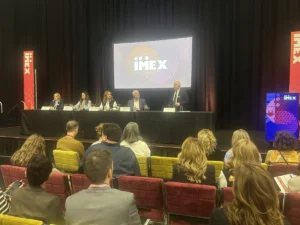
As the curtains closed on Day Two of IMEX America 2026, the energy on the show floor served as a powerful barometer for the global meetings and events industry. Following a highly successful "Smart Monday" and a momentum-building opening day, the second day of the event underscored a pivotal shift in how destinations and brands are approaching the future of travel, hospitality, and attendee engagement.
From the high-stakes world of international hospitality expansion to the strategic consolidation of major trade associations, the narrative of IMEX 2026 is one of rapid evolution. As destinations recover and reinvent themselves, planners are being presented with a new toolkit of infrastructure, sustainability mandates, and experiential programming designed to forge deeper connections in an increasingly digital world.
Main Facts: The New Landscape of Global Meetings
The primary takeaway from the second day of IMEX America 2026 is that the industry has moved beyond mere "recovery" and into a phase of aggressive, strategic growth. This year’s event has highlighted three distinct pillars that define current market success: infrastructure modernization, localized experiential luxury, and institutional consolidation.
Major brands like Omni Hotels & Resorts are signaling a new era for international development, while long-standing destinations such as Seattle, Los Cabos, and Bermuda are pivoting their marketing to emphasize "beyond-the-beach" experiences. Simultaneously, the organizational side of the industry is tightening its focus, with the International Association of Exhibitions and Events (IAEE) taking decisive steps to merge major exhibition properties to streamline the attendee experience.
Chronology of Progress: A Day at the Forefront
The second day was marked by a series of high-profile announcements that trace the trajectory of the industry from 2026 through 2028.

- Morning Session: Infrastructure and Expansion: Seattle took the stage to highlight its post-FIFA World Cup readiness, showcasing significant improvements in transit and international connectivity.
- Mid-Day Announcements: Global Hospitality: Omni Hotels & Resorts made waves with the announcement of the Omni Pontoque in Punta Mita, Mexico, marking the brand’s first-ever ground-up international build.
- Afternoon Strategic Briefings: The focus shifted to sustainability and destination marketing, with Los Cabos and Bermuda detailing how they are leveraging local culture and eco-friendly infrastructure to attract high-tier corporate groups.
- Late Afternoon Industry Outlook: The IAEE leadership provided a roadmap for the future of trade shows, outlining the merger of EXHIBITORLIVE and Expo! Expo! into a single, massive event slated for 2028.
Supporting Data and Market Insights
The data presented throughout the day reflects a robust economic rebound. Puerto Rico, for instance, reported a staggering $263.4 million in economic impact for the year, bolstered by over 222,000 booked room nights. This surge is not merely anecdotal; it is part of a larger trend of destinations investing heavily in their business events infrastructure to secure long-term ROI.
Ottawa serves as a prime example of the long-term efficacy of these strategies. By leveraging the International Convention Attraction Fund, the city has seen a 50% increase in international association inquiries over the last 15 years. Their current model—securing events like the International Institute of Union Clerks—demonstrates a remarkable 20-to-one return on investment, proving that public-sector funding for meetings is a potent catalyst for urban economic health.
Official Responses and Strategic Shifts
The Omni Vision: Scaling Luxury
Terrance Kelly, Director of Sales and Marketing for Omni Pontoque, emphasized that the new property is designed specifically for the high-end incentive market. With 202 guest rooms and 30,000 square feet of meeting space, the project represents a departure from traditional resort-style meetings. By incorporating floor-to-ceiling windows and wellness-centric amenities, Omni is betting on the trend that planners are prioritizing "emotional architecture"—spaces that facilitate both high-level business and profound relaxation.
The IAEE Roadmap: Consolidating for Impact
Marsha Flanagan, President and CEO of the IAEE, addressed the elephant in the room: the complexity of the exhibition landscape. "The power of community, the power of bringing people together and giving them experiences and emotional moments tend to build a really strong bridge to a brand," noted the leadership during the panel discussions. By merging EXHIBITORLIVE and Expo! Expo! for the 2028 Las Vegas event—coinciding with the organization’s centennial—the IAEE aims to reduce the "noise" of the trade show circuit, providing a more focused, high-value experience for exhibitors and attendees alike.
Destination Perspectives: Los Cabos and Bermuda
Rodrigo Esponda of Los Cabos highlighted that the "sun and sand" narrative is no longer sufficient for modern planners. The push is toward "farm-to-table" authenticity and community engagement. By connecting groups with local artisans and rural ranchers, Los Cabos is creating a "social currency" for meetings that goes beyond the hotel lobby.

Similarly, Bermuda’s focus on the phased reopening of the Fairmont Southampton is symbolic of the island’s broader strategy: blending world-class luxury with sustainable, year-round accessibility. Their emphasis on electric vehicle rentals and cultural integration reflects a growing demand for "conscious travel" among corporate planners.
Implications for the Meetings Industry
The trends identified on Day Two of IMEX America 2026 carry significant implications for the future of the meetings and events sector.
1. The Rise of "Experience-First" Infrastructure
It is no longer enough to offer a hotel room and a conference hall. The successful destinations of 2026 and beyond are those that integrate the local environment into the meeting experience. Whether it is the light rail access across the floating bridge in Seattle or the cave spa treatments in Bermuda, the physical environment is becoming a primary selling point for destination marketing organizations.
2. The Necessity of Sustainability and Social Responsibility
Sustainability has transitioned from a buzzword to a procurement requirement. As demonstrated by the initiatives in Bermuda and Los Cabos, planners are increasingly vetting destinations based on their ability to facilitate local vendor partnerships and reduce the carbon footprint of the event. Destinations that fail to provide tangible, scalable sustainability options risk being excluded from the RFPs of major international corporations.
3. The "Human Connection" Imperative
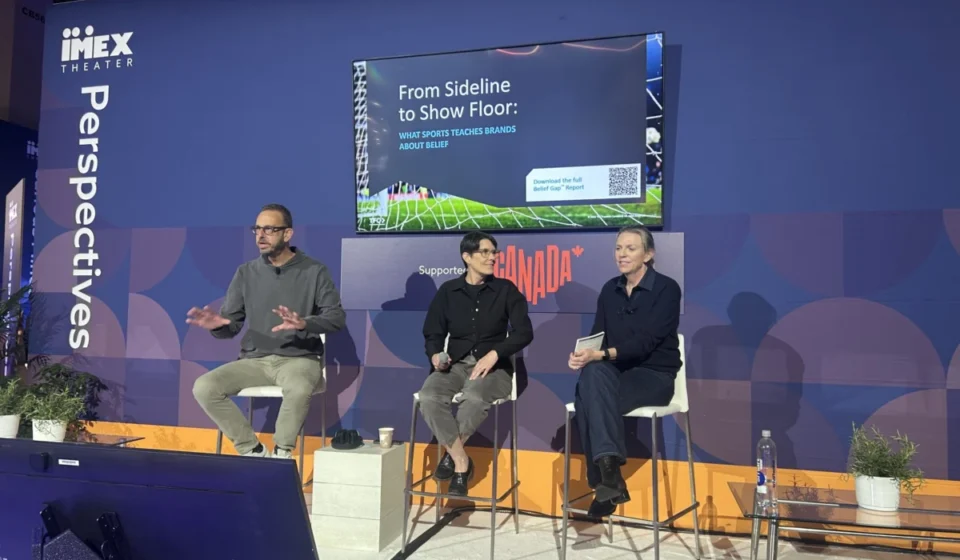
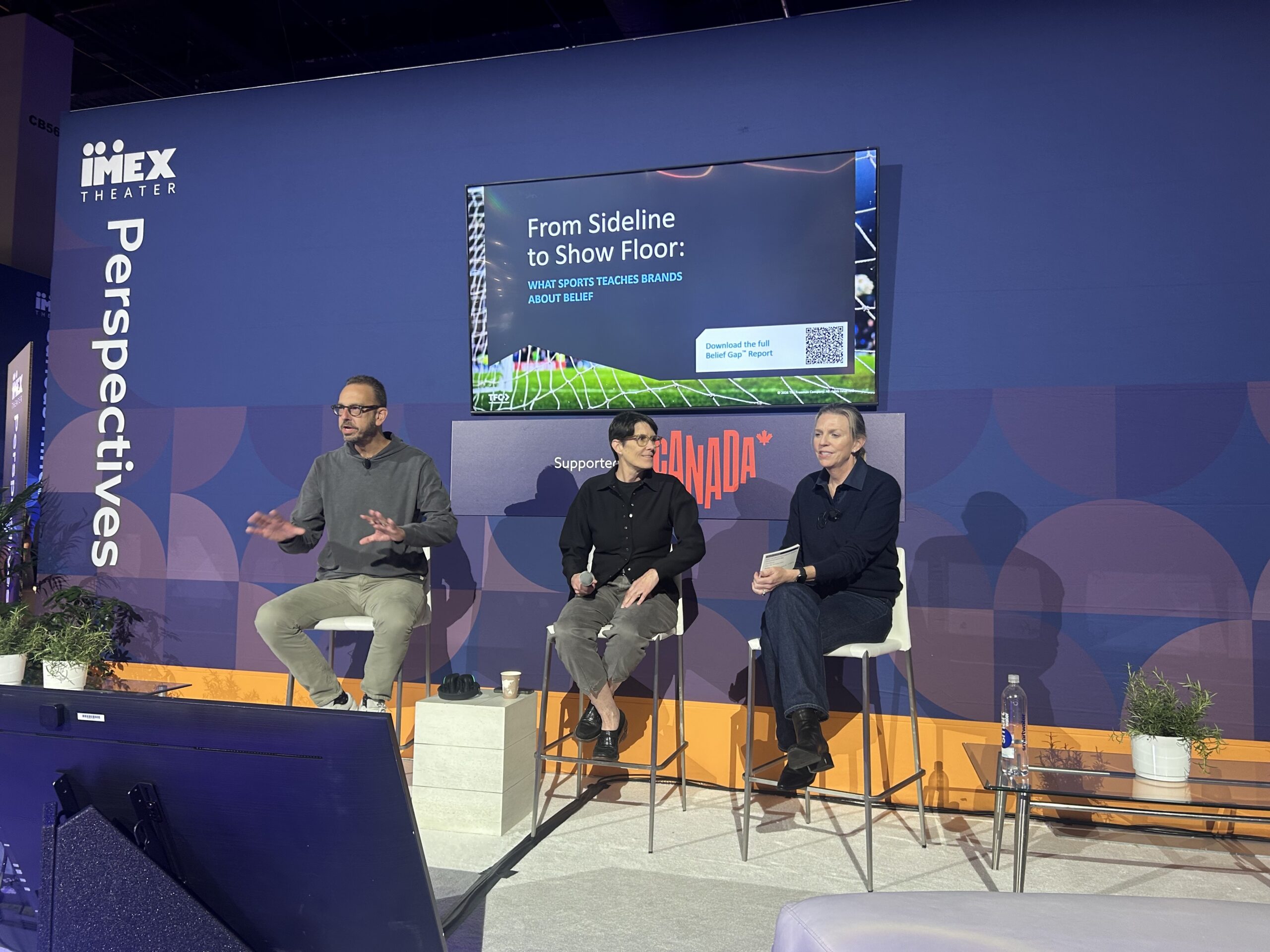
Perhaps the most significant takeaway from the dialogue between industry titans like Lance Fensterman and the wider IMEX audience is the human element. In a world saturated with digital interfaces, live experiences are being reclaimed as the most potent tool for brand loyalty. The shift toward sports-based events and fan festivals—as noted by the leadership at Fanatics Events—highlights that people attend meetings not just for information, but for the "emotional bridge" that occurs when they are physically present with peers and brand representatives.
4. Economic Resilience through Strategic Bidding
The success of Ottawa and Puerto Rico provides a blueprint for other cities: data-driven, long-term relationship management is the key to weathering economic volatility. By using tools like the International Convention Attraction Fund, cities can move from being passive hosts to active partners in their clients’ success, creating a pipeline of events that are immune to short-term market fluctuations.
Looking Ahead: Building Toward 2028
As IMEX America 2026 continues, the industry is clearly looking toward a future defined by consolidation, authenticity, and strategic growth. The merger of the IAEE exhibition properties is a bold signal that the industry is ready to trim the fat and focus on quality, while the continued investment in international infrastructure proves that the demand for in-person collaboration remains as high as ever.
For the meeting planner, the landscape of 2026 is one of choice and high expectations. The tools are available, the infrastructure is being modernized, and the destinations are more willing than ever to co-create experiences that resonate on an emotional and professional level. As the final days of the conference unfold, the industry remains poised to leverage this momentum, ensuring that the meetings of the future are not just events, but milestones in the evolution of professional connection.