
By Trevor Carr
Published July 23, 2026
The state of Jalisco, long considered the cultural soul of Mexico, has solidified its position as a global tourism powerhouse. Following the whirlwind of the 2026 FIFA World Cup—an event that saw its capital, Guadalajara, host four high-stakes matches—the region is transitioning from a sporting stage to a premier luxury destination. With a $700 million economic injection and a newfound spotlight on its safety and cultural heritage, Jalisco is poised for a transformative era in travel.
The World Cup Catalyst: A Strategic Economic Win
Jalisco’s history with the FIFA World Cup is storied, serving as a host venue in both 1970 and 1986. However, the 2026 iteration represented a significant evolution in scale and sophistication. As the world’s gaze shifted toward Guadalajara, the city rose to the challenge, transforming its infrastructure and hospitality sectors to accommodate a massive influx of international visitors.
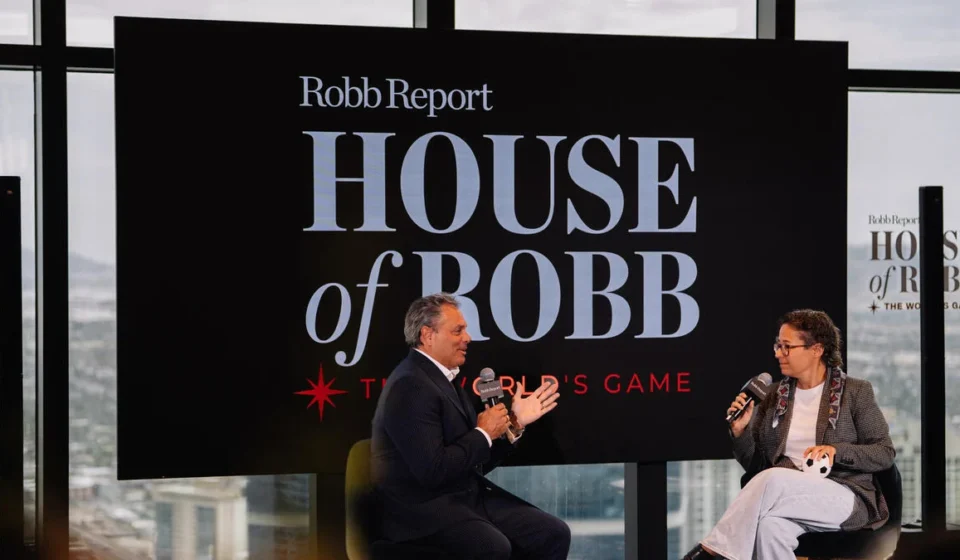
During the "House of Robb: The World’s Game" event, held during the final weekend of the tournament, Michelle Fridman Hirsch, Jalisco’s Secretary of Tourism, reflected on the sheer magnitude of the event. "We have been receiving between two and 2.5 million visitors," Hirsch noted. This massive arrival of international fans—hailing from as far as Japan, Spain, and Colombia—did more than fill stadiums; it revitalized the regional economy.
The financial data underscores the success of the initiative. The state experienced an estimated $700 million boost, a figure driven by both retail consumption and a surge in high-end hospitality demand. Hotel occupancy rates saw a robust increase of 9.2 percent, while the premium nature of the event allowed local properties to command rates over 180 percent higher than historical averages.
Chronology of a Sporting Spectacle
The journey to the 2026 World Cup was years in the making, marked by strategic planning that prioritized both the visitor experience and long-term legacy.

- Pre-2025: Infrastructure Readiness: Jalisco invested heavily in upgrading transportation networks and expanding hotel capacity in anticipation of the global demand.
- 2025: The Security Pivot: Addressing international concerns regarding safety, the state launched aggressive initiatives that resulted in a 50 percent year-over-year decrease in the homicide rate. This statistical improvement became a cornerstone of the state’s marketing messaging, effectively neutralizing safety concerns for incoming tourists.
- May 2026: The Culinary Prelude: The state hosted the Michelin Guide Ceremony for Mexico, signaling to the world that Jalisco was not just a destination for sports, but a burgeoning hub for fine dining.
- July 2026: The Main Event: Four matches were held in Guadalajara, culminating in the House of Robb discussions, which highlighted the synergy between luxury travel and major global events.
- Late 2026: The Culinary Grand Finale: Guadalajara is set to host the "50 Best Latin American Restaurants" ceremony, ensuring the momentum from the World Cup continues through the end of the year.
Supporting Data: Beyond the Pitch
The economic implications of the World Cup extend far beyond the duration of the tournament. The influx of capital has allowed for the modernization of regional assets, from the colonial architecture of Guadalajara to the pristine coastline of Costalegre.
Tourism officials emphasize that the "World Cup Effect" has created a halo of brand recognition. By placing Jalisco on the same map as global travel heavyweights, the state has effectively diversified its visitor demographic. The data shows that the majority of these new visitors are not one-time travelers but are instead part of a demographic interested in repeat luxury experiences—a vital realization for a state that relies heavily on its unique cultural offerings.
Official Perspectives: "Jalisco is Mexico"
Secretary Michelle Fridman Hirsch is clear about the state’s identity and its role in the Mexican tourism landscape. "We like to say Jalisco is Mexico, because it embodies much of the Mexican icons that are known in the world about Mexico," she explained.
From the soul-stirring melodies of Mariachi to the disciplined artistry of charrería—the country’s official national sport—Jalisco provides the foundational imagery of the Mexican experience. By leveraging the World Cup to showcase these pillars, the state has successfully transitioned its image from a regional destination to a national flagship.
Regarding the safety narrative, Hirsch addressed the elephant in the room with transparency. By citing the 50 percent reduction in violent crime, she shifted the conversation from fear to attraction. "Everyone was saying, ‘OK, the only risk I’m feeling is that I want to stay,’" she remarked, highlighting how the visitor experience on the ground during the tournament contradicted the apprehensive headlines that often plague international perceptions of Mexico.
The Future of Luxury Travel in Jalisco
With the final whistle blown on the 2026 World Cup, Jalisco is not resting on its laurels. The strategic focus is shifting toward the "Year of Gastronomy" in 2027, an ambitious calendar of events designed to sustain the economic velocity established this summer.

The Coastal Luxury Expansion
While Guadalajara offers the urban, cultural, and sporting heartbeat of the state, the coastline of Costalegre is positioned to be the luxury anchor of the future. The region is currently undergoing a development boom, with heavy hitters like Four Seasons, Six Senses, and the ultra-luxury Cheval Blanc brand establishing a foothold. This creates a compelling "dual-destination" itinerary: the cultural depth of the city combined with the exclusive, secluded luxury of the Pacific coast.
Tequila and the "Pueblos Mágicos"
No exploration of Jalisco is complete without mention of its namesake spirit. The town of Tequila continues to be a cornerstone of the state’s tourism strategy. As one of Mexico’s 12 designated Pueblos Mágicos—towns celebrated for their deep-rooted cultural heritage—Tequila offers an immersive experience that aligns perfectly with the current global trend toward authentic, experiential travel.
The state currently boasts 12 such "Magic Towns," each serving as a curated point of entry into the traditions of rural Mexico. These locations serve as essential buffers against the homogenization of tourism, ensuring that as Jalisco grows, it retains the specific, localized charm that draws sophisticated travelers in the first place.
Implications: A Model for Regional Development
The success of Jalisco during the 2026 World Cup offers a blueprint for other states and regions seeking to leverage global events for long-term growth. The strategy was not merely about hosting games; it was about integrating those games into a broader narrative of safety, luxury, gastronomy, and cultural preservation.
For the international investor and the discerning traveler alike, Jalisco has moved from the "consideration" phase to the "essential" phase. As the state moves into 2027, the focus will remain on maintaining the infrastructure standards set during the tournament while continuing to curate experiences that bridge the gap between traditional heritage and modern luxury.
As Secretary Hirsch aptly noted, the true success of the World Cup was not the final score on the pitch, but the lasting impression left on the millions who experienced the hospitality, safety, and vibrant culture of the state. For Jalisco, the game has only just begun.