Meetup Unveils Landmark Redesign: Bridging the Gap Between Digital Convenience and Real-World Connection

In a move aimed at revitalizing its platform for a new era of social interaction, Meetup has officially launched its most significant design overhaul in years. The platform, which has long served as a digital bridge to physical gatherings, has refreshed its visual identity and user interface to align with modern design standards. While the aesthetic has been transformed, the company maintains that the core functional backbone of the platform remains intact, ensuring that long-term users can navigate their communities without the friction of a learning curve.
This redesign arrives at a critical juncture for social platforms. As "digital fatigue" permeates modern discourse and loneliness statistics among younger generations reach record highs, Meetup is positioning itself as the antidote to screen-bound isolation. By marrying a fresh, vibrant aesthetic with its time-tested organizational tools, Meetup is betting that a more intuitive interface will lower the barrier to entry for a new generation of community builders.
Main Facts: The Scope of the Transformation
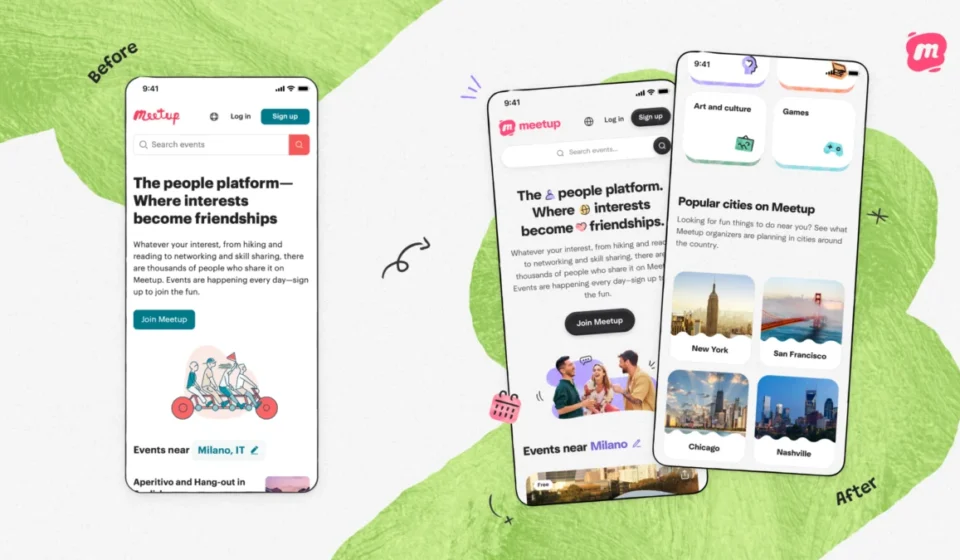
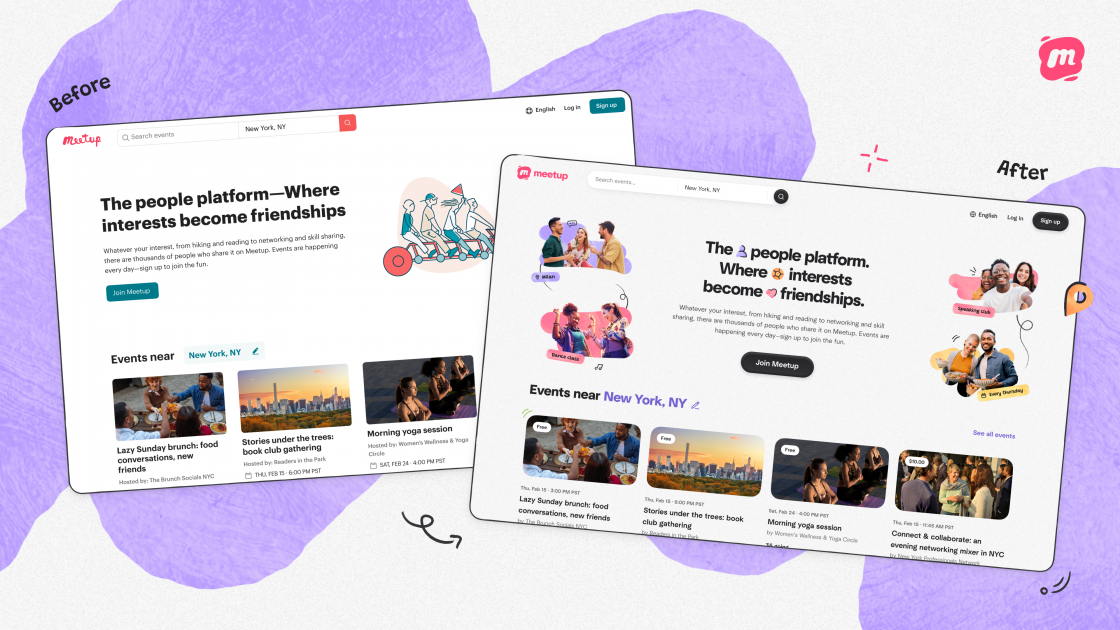
The update, which is currently live on the web, focuses on a "modernized" aesthetic. The company describes the new look as vibrant, social, and inherently "happy," moving away from the more utilitarian, legacy interface that defined the platform for much of the last decade.
Key pillars of the redesign include:
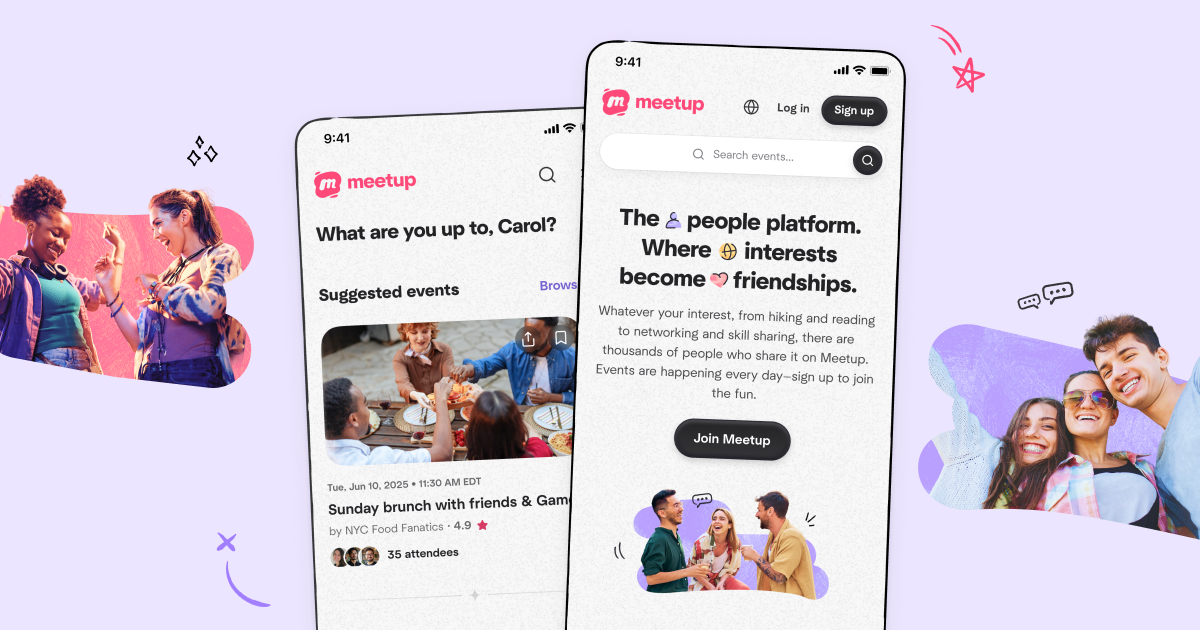
- Visual Refresh: A comprehensive update to color palettes, typography, and iconography that creates a more cohesive, high-energy brand identity.
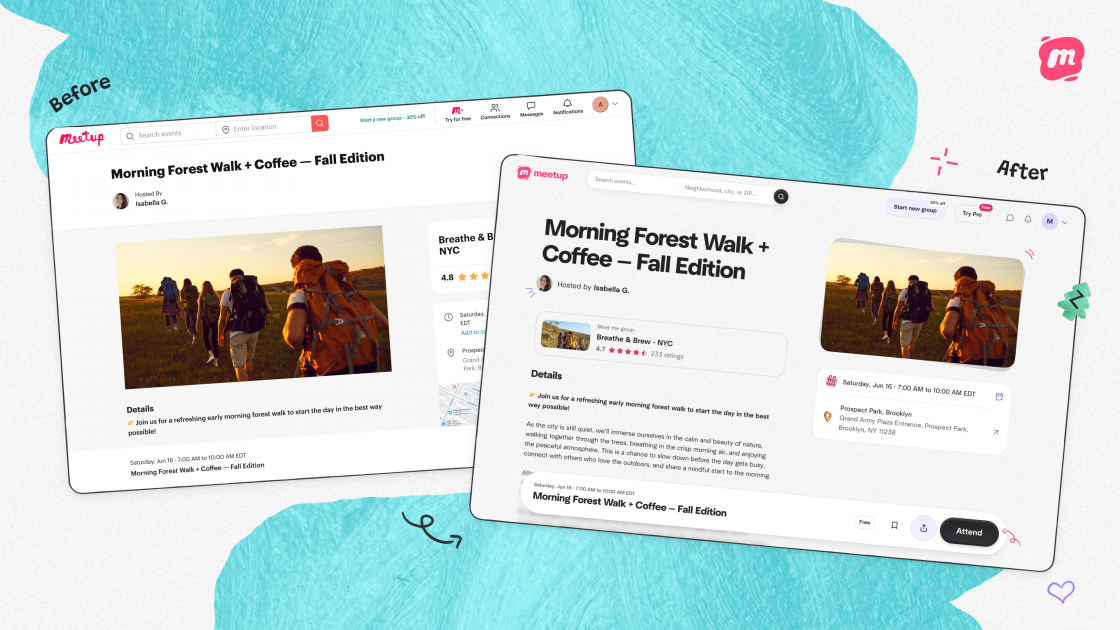
- Intuitive Navigation: While the core "Meetup flow" remains unchanged, the new layout emphasizes clarity, allowing users to move from discovery to RSVP with fewer distractions.
- Responsive Efficiency: The web interface has been optimized to perform faster and look better across various screen sizes, setting the stage for a corresponding mobile app update expected in the coming months.
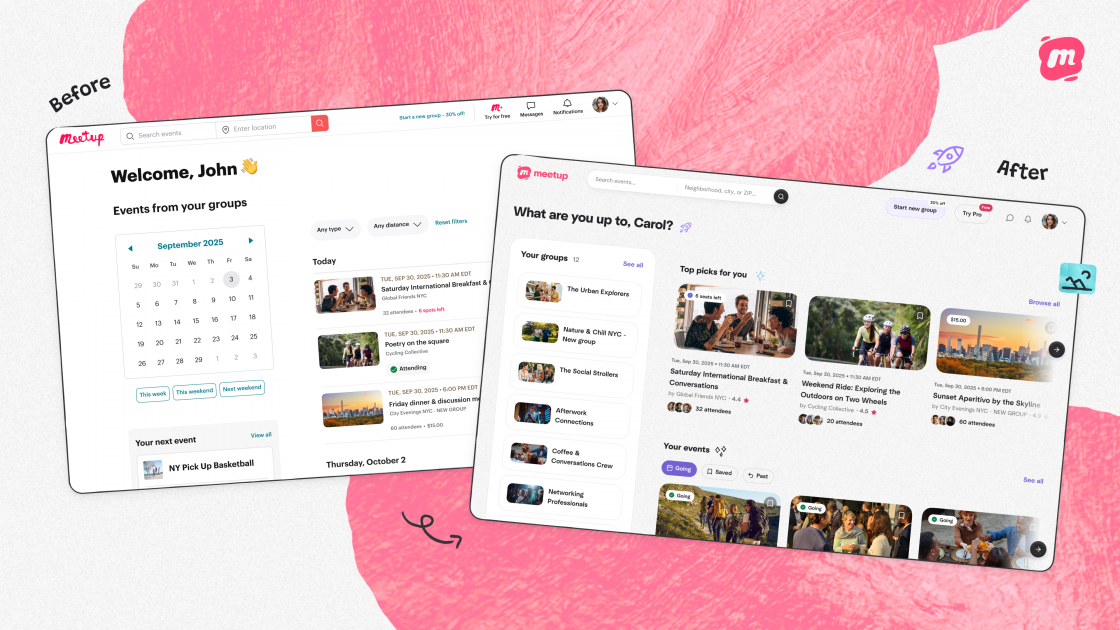
- Organizer-Centric Layouts: New dashboard views allow event organizers to manage their groups, track RSVPs, and view upcoming events with greater visibility, reducing the administrative burden of community management.
Crucially, the company has explicitly stated that core functionality remains untouched. There is no need for legacy members to relearn how to create events, manage payments, or communicate with members—the "how" of the platform is preserved, while the "feel" has been elevated.
A Chronological Journey: From Legacy to Modernity
Meetup’s evolution did not happen in a vacuum. To understand the significance of this update, one must look at the timeline of the platform’s recent history:
- The Pre-2024 Era: For years, Meetup maintained a relatively static design. While the platform was functional, it began to show its age as competitors emerged with sleek, app-first designs.
- Early 2024 (The Bending Spoons Acquisition): The acquisition of Meetup by Bending Spoons marked a turning point. With the backing of a company known for its focus on mobile experience and product optimization, the internal mandate shifted toward "elevating" the platform.
- Mid-2024: Following the transition, the team began rolling out a series of incremental updates—often overlooked—that improved backend performance and security, laying the technical foundation for the current design overhaul.
- September 2025 (The Current Launch): The official release of the new design language across the web platform serves as the public-facing culmination of nearly 18 months of intensive development.
- Future Outlook: The company has confirmed that the mobile application is next in line for this visual refresh, ensuring cross-platform consistency.
Supporting Data: The Case for In-Person Connection
Meetup’s strategic pivot is heavily informed by data regarding the "loneliness epidemic." The platform’s internal research and external studies highlight a profound shift in how younger generations perceive their relationship with the internet.
The Gen Z and Millennial Imperative
The data suggests that Meetup is no longer just a "legacy" site; it is a primary tool for the demographic most at risk of social isolation.
- The Loneliness Gap: Over 60% of Gen Z adults report feeling lonelier today than they did a decade ago.
- The Power of In-Person: Despite being "digital natives," 80% of Gen Z believe that in-person interaction is the superior method for building meaningful connections.
- Bridging the Online-to-Offline Gap: An overwhelming 95% of individuals aged 18 to 35 express a strong desire to take interests they’ve discovered online and transition them into in-person, community-based experiences.
Perhaps most tellingly, 40% of Meetup’s current monthly active users are Adult Gen Z (18–28) and young Millennials (29–35). This age bracket is currently the most active on the platform, suggesting that Meetup is uniquely positioned to capture the demographic that is actively seeking to leave their screens behind.
Official Responses and User Sentiment
The rollout has been met with a wave of constructive feedback. Early reviews from the community have characterized the design as "fresh, modern, and vibrant."
David Good, an organizer of the International Friend Connection network, noted the practical benefits of the changes. "I really like the new design," Good said. "For example, the home page layout allows me to quickly see all the upcoming events I’m hosting and attending along with a prominent list of the groups I’m organizing." This sentiment reflects the company’s goal: to make the administrative side of community building feel less like "work" and more like a seamless experience.
The company leadership, represented by Chiara, has emphasized that this update is a "living" project. By implementing a direct feedback loop via integrated forms, the product team is signaling that they are not dictating the design, but rather evolving it in partnership with the organizers who make the platform possible.
Implications: The Future of Community Management
What does this redesign mean for the broader social landscape?
1. The Death of the "Static" Platform
The most significant implication is that Meetup is moving away from its roots as a static directory and toward a dynamic, social-first experience. By modernizing, Meetup is signaling to investors and users alike that it intends to remain the primary hub for physical communities, despite the dominance of algorithm-driven social media.
2. Combating Digital Fatigue
There is a growing trend of "digital minimalism," where users are becoming increasingly skeptical of algorithmic content feeds. Meetup’s focus on intentional, scheduled, in-person events offers a high-value alternative to the doom-scrolling culture of TikTok or Instagram. The redesign reinforces this by creating an environment that feels welcoming rather than distracting.
3. Sustainability through Simplicity
By keeping the navigation and core functionality stable, Meetup is protecting its most valuable asset: its "sticky" user base. Many platforms have failed in the past by chasing trends at the cost of usability. Meetup’s decision to keep the "steps" the same while changing the "look" is a masterclass in change management. It allows for a fresh influx of young users without alienating the "super-users" who have been hosting events for decades.
4. A Template for the Bending Spoons Era
This redesign acts as a litmus test for the Bending Spoons ownership. If this rollout continues to drive engagement and retention, it will likely serve as the blueprint for further aggressive updates. We should expect more integration, potentially around AI-assisted event creation, better local discovery, and perhaps even more sophisticated social tools that allow members to connect beyond just the event hours.
Conclusion
The new Meetup is not just a facelift; it is a declaration of intent. By choosing to invest in its core mission—facilitating human connection—during a time when digital isolation is at an all-time high, Meetup is reclaiming its space as the premier destination for real-world interaction.
For the organizer planning a local hiking group, the student looking for a board game night, or the professional seeking a networking circle, the platform now offers a interface that matches the energy of the community it serves. As the company continues to iterate, the ultimate success of this redesign will be measured not in pixels or color codes, but in the number of in-person handshakes, conversations, and friendships that start on the platform and flourish in the real world.