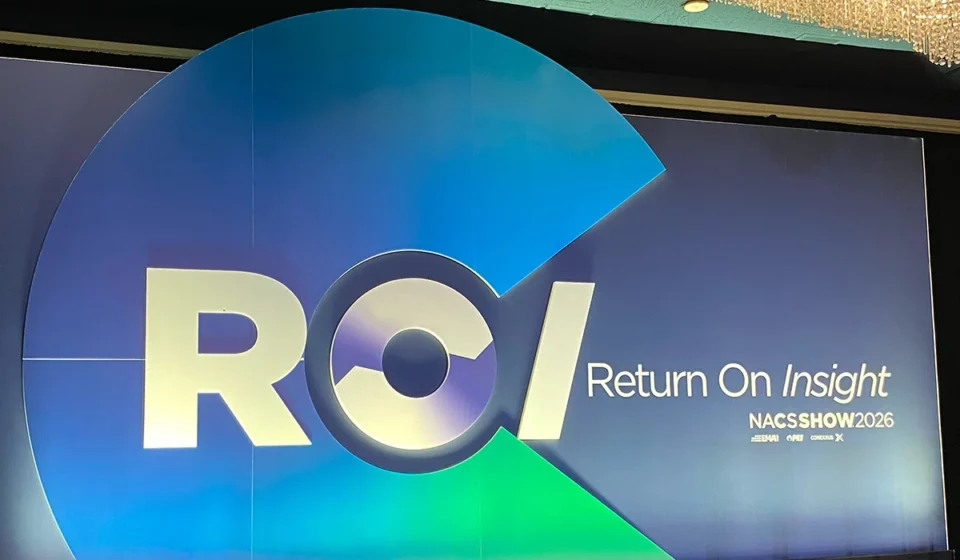

The annual NACS Show, the premier global event for the convenience and fuel retailing industry, kicked off this week with a comprehensive slate of education sessions designed to equip retailers with the tools necessary to navigate an increasingly complex retail landscape. As industry leaders gathered, the primary theme of the inaugural day centered on the intersection of technological modernization, consumer loyalty, and the operational resilience required to combat emerging threats.
From the technical nuances of tobacco category management to the high-stakes world of fraud prevention and global fuel market forecasting, the sessions provided a roadmap for retailers looking to maintain profitability in a volatile economic climate.
The Strategic Imperative: Loyalty and the Tobacco Category
One of the most highly anticipated sessions, "Puff, Purchase, Repeat—Winning With Tobacco Loyalty," delved into the evolving relationship between one of the industry’s most stable revenue drivers and modern digital loyalty programs.
The Data-Driven Approach
The session featured insights from industry veterans Jessica Starnes, director of loyalty and tobacco category manager for Weigel’s, and Kathy Williams, senior category manager at TXB, alongside Jayme Gough, director of research and development for NACS.
For years, the tobacco category was viewed as a "hands-off" commodity—a product that sold itself regardless of promotional effort. However, the panel argued that this mindset is rapidly becoming obsolete. "Tobacco and loyalty already work together," stated Kathy Williams. "The question is: who is getting paid for it?"
The panelists emphasized that the tobacco customer is a high-value, high-frequency shopper. According to Starnes, the data at Weigel’s reveals that tobacco transactions are significantly more likely to be linked to a loyalty ID than other categories. In fact, 60% of all tobacco purchases at Weigel’s locations now capture loyalty data, providing the retailer with invaluable insights into consumer behavior and preferences.
Operational Challenges and Success Stories
Starnes outlined three pillars for successful integration: communications, expectations, and analytics. She stressed that tobacco is far too significant to be managed without precise measurement. By leveraging the data captured through loyalty programs, retailers can move beyond simple transactions and begin to build a personalized relationship with the customer.
The panel showcased several case studies demonstrating that targeted loyalty incentives could effectively cannibalize business from specialty smoke shops and alternative retail channels. By offering rewards that resonate with the frequent tobacco user, convenience retailers can "own" the customer’s loyalty, effectively securing their share of the wallet across other categories as well.
Defending the Bottom Line: A Masterclass in Fraud Prevention
As digital integration increases in convenience stores, so does the sophistication of criminal enterprises targeting them. The session "Is this a Scam? Protecting Your Phone Lines" brought a theatrical yet sobering reality to the floor, utilizing a game show format to illustrate the myriad of ways retailers are being targeted by cybercriminals and social engineering scams.
Recognizing the Red Flags
Heather Hearn, supervisor of e-commerce fraud and physical security for Wawa, and Courtney Trieger, manager of retail asset protection support at Cumberland Farms, led the discussion. The session underscored that today’s fraud is often not a sophisticated "hack" of a firewall, but rather a manipulation of human psychology.
"Great fraud prevention spots the red flags without saying everything is guilty," Hearn noted. The panelists urged managers to be skeptical of any request that creates a sense of manufactured urgency.
Best Practices for Retail Resilience
The session concluded with a list of actionable steps for retailers to harden their defenses against phone-based fraud:
- Verification Protocols: Every change to banking or financial procedures must be verified through a secondary, trusted channel. Never rely on the contact information provided by an incoming caller.
- Codeword Implementation: Establish internal codewords that staff must use to verify the identity of corporate personnel.
- POS Maintenance: Regularly update point-of-sale (POS) firmware to patch security vulnerabilities that could be exploited by remote attackers.
- Collective Intelligence: Retailers were encouraged to communicate not just internally, but with their peers. If a store is being targeted, it is highly probable that other retailers in the region are being hit as well. Information sharing remains the industry’s best defense.
The Energy Horizon: Fuel Market Volatility and Strategy
The final major session of the day, "Outlook for Fuel Markets—What to Expect with Supplies and Prices," provided a macro-economic perspective on the industry’s most volatile commodity. Moderated by John Eichberger, executive director of the Transportation Energy Institute, the panel featured Debnil Chowdhury, VP of refining and marketing for S&P Global, and Denton Cinquegrana, chief oil analyst for OPIS.
Supply Chain and Regional Disparities
The discussion highlighted a critical divergence in the market: product markets are no longer reacting in lockstep with crude oil markets. Factors such as regional refining capacity, maintenance schedules, and localized demand shifts are playing a larger role in price fluctuations than global crude prices alone.
Retailers were cautioned that the days of predictable fuel margins are long gone. The "new normal" is one defined by high volatility, where regional availability influences the balance of supply and demand more than ever before.
Owning the Mindshare
For the convenience retailer, the takeaway from the fuel market outlook was strategic rather than purely predictive. As fuel becomes a less predictable driver of profit, the store environment must compensate.
"You need to figure out how to win that customer as soon as possible in their journey," said Eichberger. "Own that mindshare." The implication is clear: if the fuel pump is no longer the primary reason a customer chooses a specific location, the in-store experience, the loyalty program, and the brand identity must become the primary anchors for customer acquisition.
Implications: A More Sophisticated Retail Future
The opening day of the NACS Show serves as a microcosm for the broader trends shaping the industry in the mid-2020s. Three clear trends emerged:
- The Death of the "Passive" Category: Whether it is tobacco or fuel, the era of passive category management is ending. Retailers are being forced to adopt analytical rigor to understand every transaction.
- The Human Firewall: As technology advances, the human element—the store clerk or the manager—has become the most critical component of security. Training, communication, and skepticism are now primary business assets.
- The Shift Toward Experience-Based Loyalty: The focus is shifting from simple point accumulation to the integration of data across every touchpoint, from the gas pump to the tobacco rack, to create a seamless, personalized experience that incentivizes repeat visits.
As the NACS Show continues throughout the week, the focus is expected to turn toward the practical application of these insights. Retailers are leaving these sessions not just with theoretical knowledge, but with an urgent mandate to modernize their operations, tighten their security, and pivot their business models to reflect a more dynamic and competitive landscape.
The industry is clearly in a period of transition, but for those willing to embrace data, invest in their people, and stay ahead of the curve on market volatility, the opportunities for growth remain significant. The "mindshare" battle is officially on, and the victors will be those who can most effectively blend the traditional convenience of the past with the high-tech, data-driven demands of the future.